
The Bell Cricket (Suzumushi), Illustration to Chapter 38 of the Tale of Genji (Genji monogatari) — História e Análise
Neste momento, onde a beleza da natureza se entrelaça com a contemplação silenciosa, os sussurros divinos da existência emergem. O delicado vibrar de um grilo campainha evoca uma sensação de tranquilidade que transcende o ordinário, convidando o espectador a meditar sobre a natureza efémera da vida e o sagrado que nela reside. Concentre-se nos detalhes requintados da cena ilustrada. Olhe para a esquerda, onde o grilo campainha está posicionado em um suave abraço de tons luminosos, seu corpo representado em frágeis matizes de ouro e verde.
Note como as pinceladas do artista imitam o suave farfalhar das folhas, criando uma harmonia rítmica que ressoa por toda a composição. A qualidade etérea das cores—pastéis sutis e tons ricos—se funde perfeitamente, capturando tanto a vivacidade da vida quanto a quietude de um momento suspenso no tempo. Dentro desta obra de arte reside uma profunda exploração da divindade. A justaposição do delicado grilo com a flora exuberante sugere uma conexão entre o terreno e o celestial, uma incorporação da santidade silenciosa da natureza.
Cada elemento fala da natureza transitória da beleza, onde a fragilidade da vida se torna um reflexo da graça divina. As expressões serenas das figuras aninhadas na cena amplificam ainda mais este tema, sugerindo que no silêncio existe uma compreensão mais profunda de si mesmo e do mundo. Tosa Mitsunobu criou esta ilustração tocante durante o período Muromachi, por volta de 1509-1510. Durante este tempo, o Japão estava passando por um rico renascimento cultural, com uma crescente apreciação pela literatura e pelas artes.
O artista, conhecido por suas intrincadas representações de narrativas tradicionais, foi influenciado pelas estéticas em evolução da época, que buscavam capturar tanto a beleza da natureza quanto as correntes espirituais que fluem pela vida.
Mais obras de Tosa Mitsunobu
Ver tudo →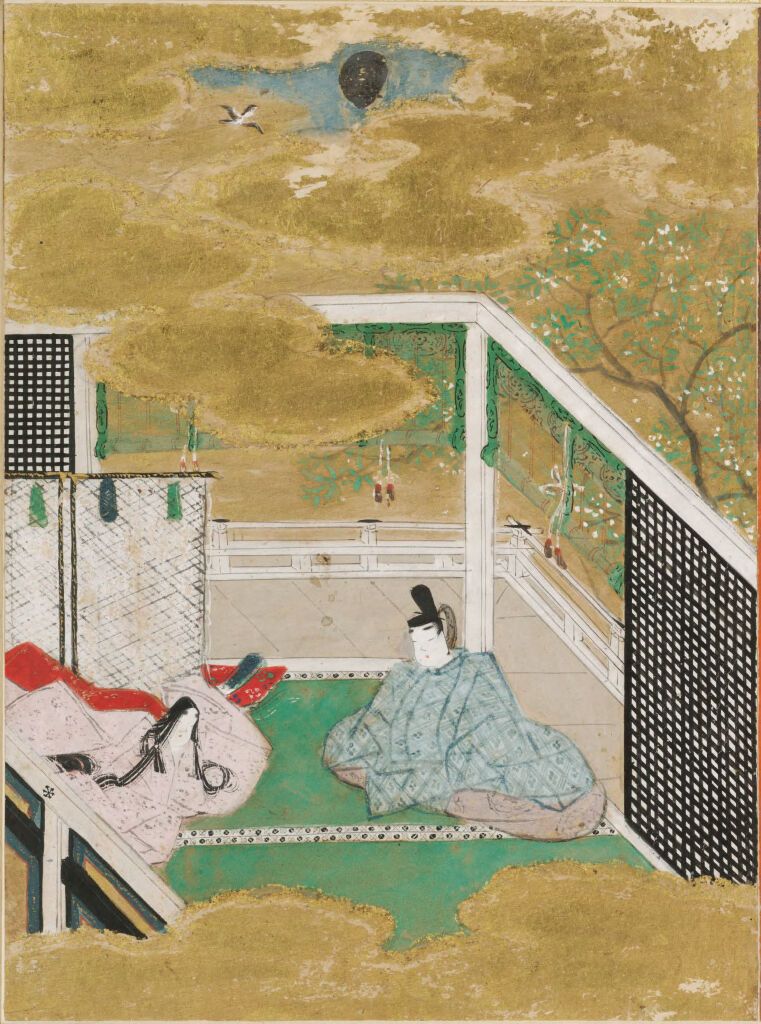
Falling Flowers (Hanachirusato), Illustration to Chapter 11 of the Tale of Genji (Genji monogatari)
Tosa Mitsunobu
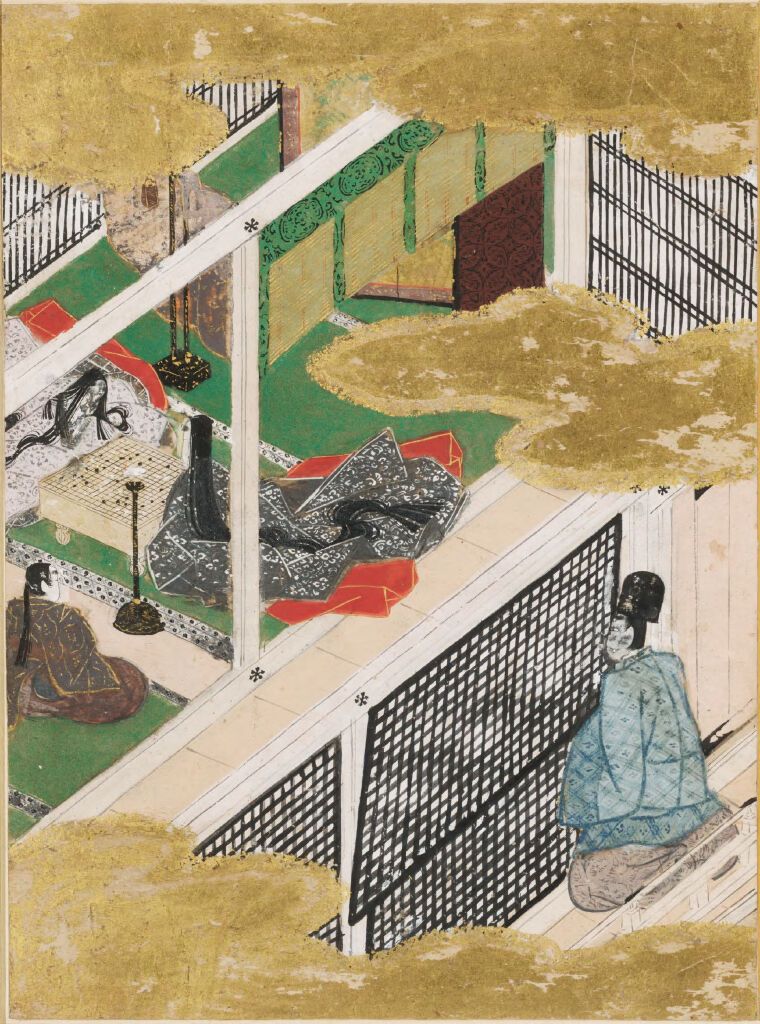
The Cicada Shell (Utsusemi), Illustration to Chapter 3 of the Tale of Genji (Genji monogatari)
Tosa Mitsunobu
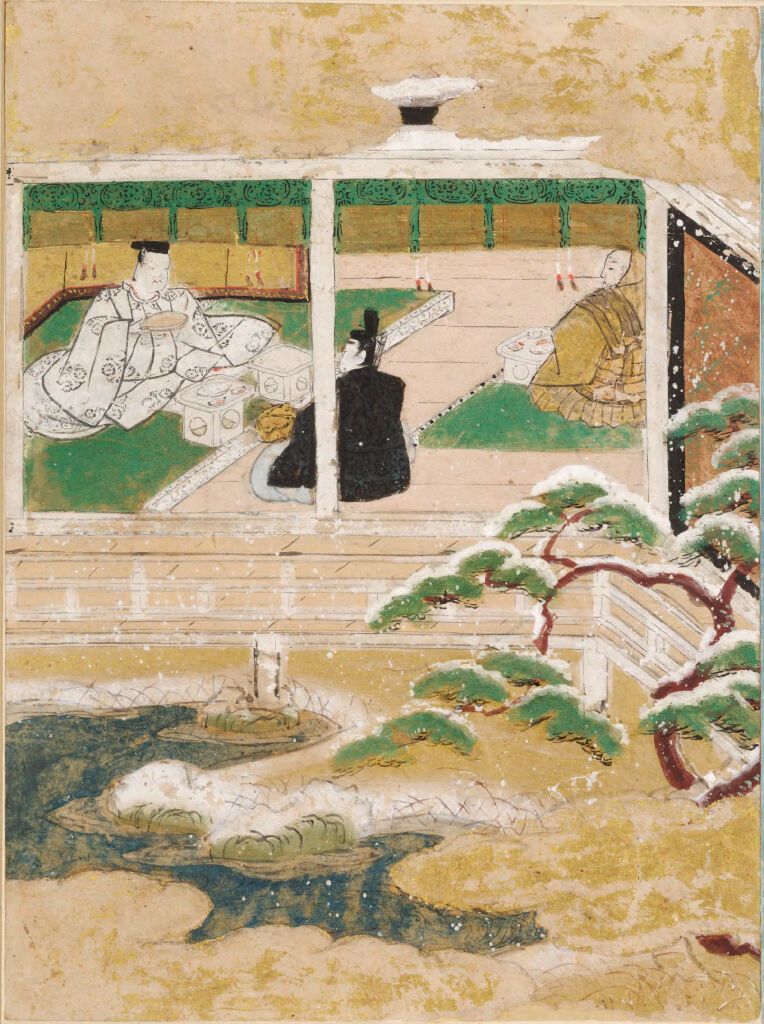
The Seer (Maboroshi), Illustration to Chapter 41 of the Tale of Genji (Genji monogatari)
Tosa Mitsunobu
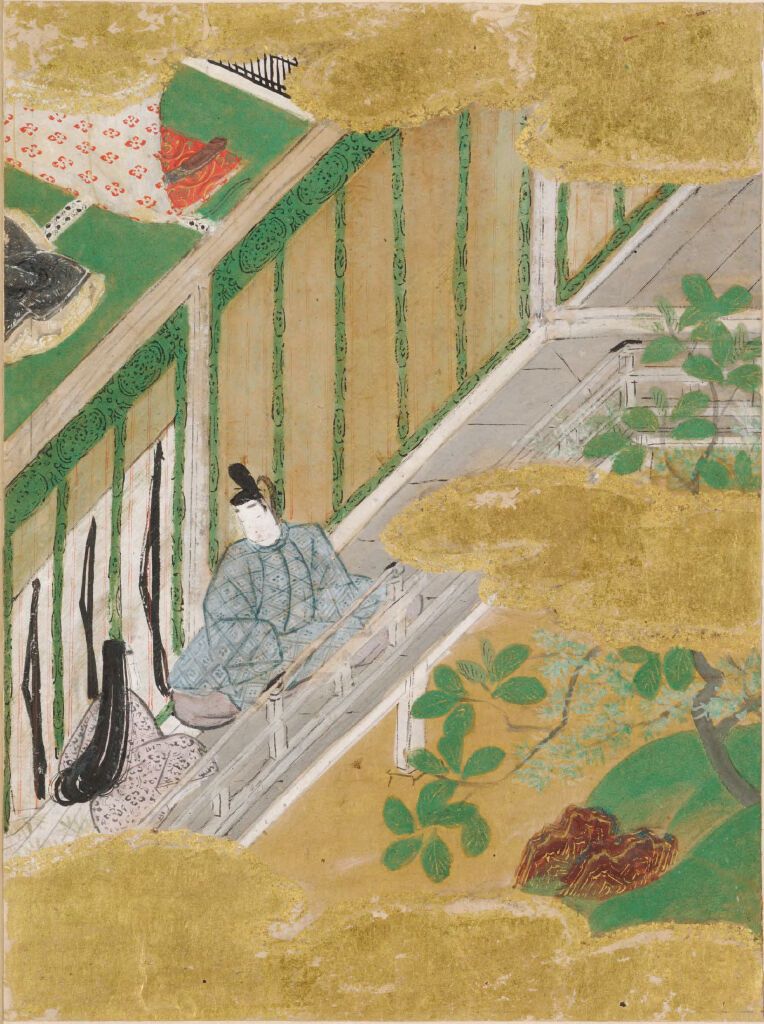
The Oak Tree (Kashiwagi), Illustration to Chapter 36 of the Tale of Genji (Genji monogatari)
Tosa Mitsunobu
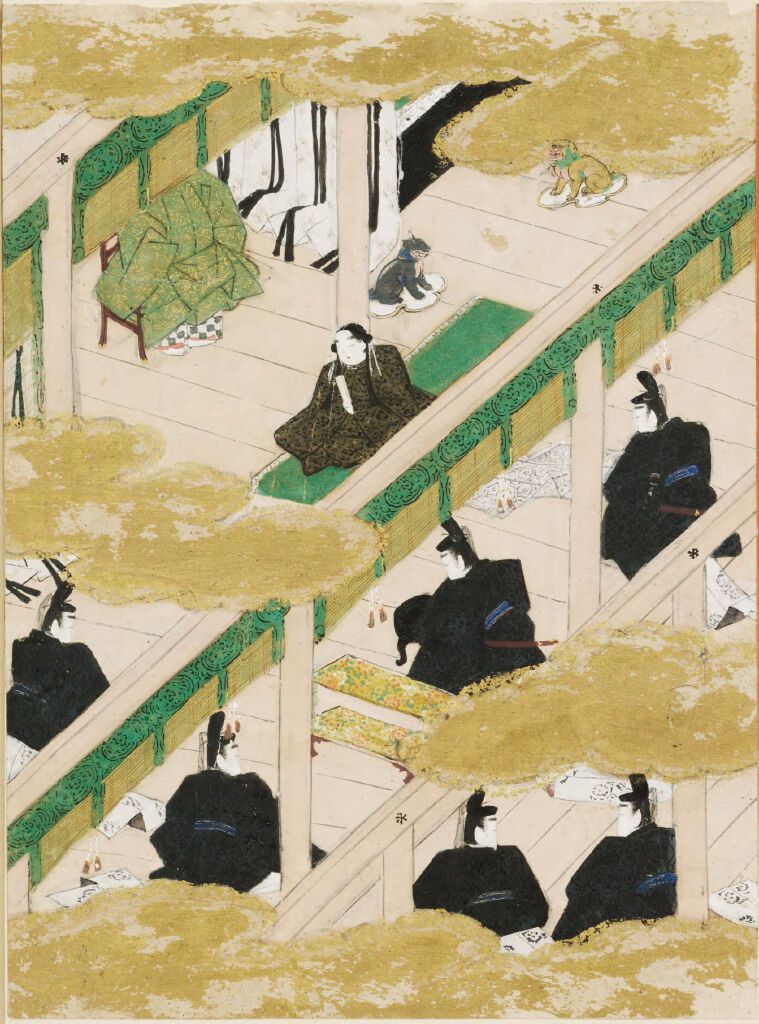
The Paulownia Pavilion (Kiritsubo), Illustration to Chapter 1 of the Tale of Genji (Genji monogatari)
Tosa Mitsunobu
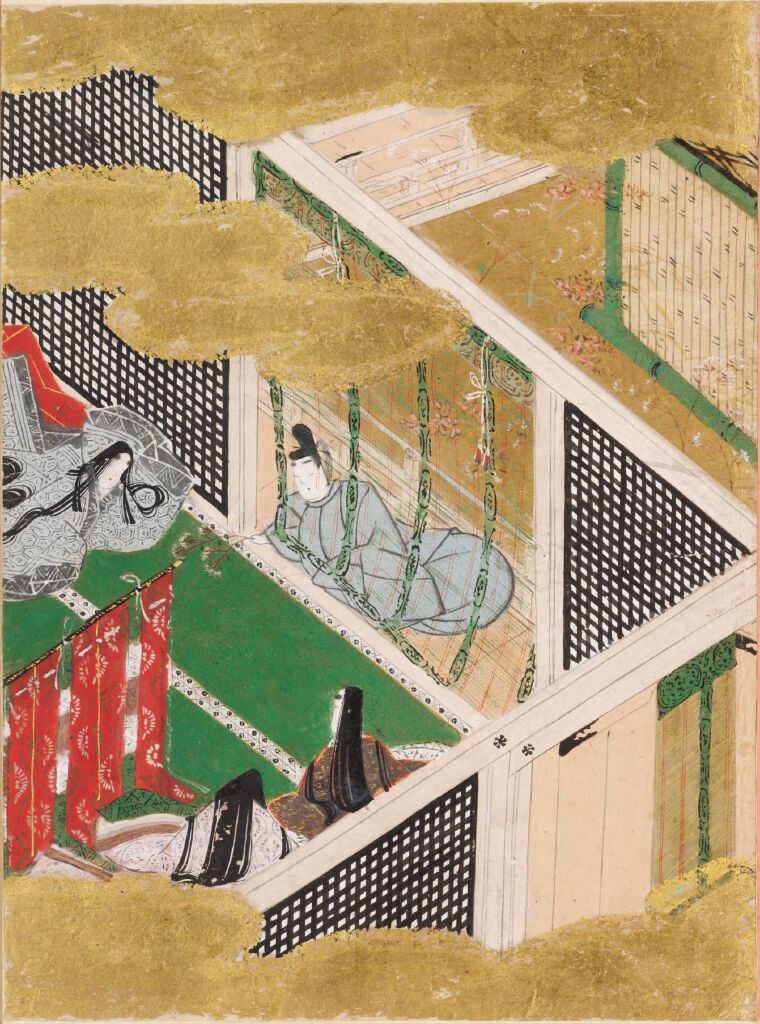
Thoroughwort Flowers (Fujibakama), Illustration to Chapter 30 of the Tale of Genji (Genji monogatari)
Tosa Mitsunobu

Under the Cherry Blossoms (Hana no En), Illustration to Chapter 8 of the Tale of Genji (Genji monogatari)
Tosa Mitsunobu

The Pilgrimage to Sumiyoshi (Miotsukushi), Illustration to Chapter 14 of the Tale of Genji (Genji monogatari)
Tosa Mitsunobu
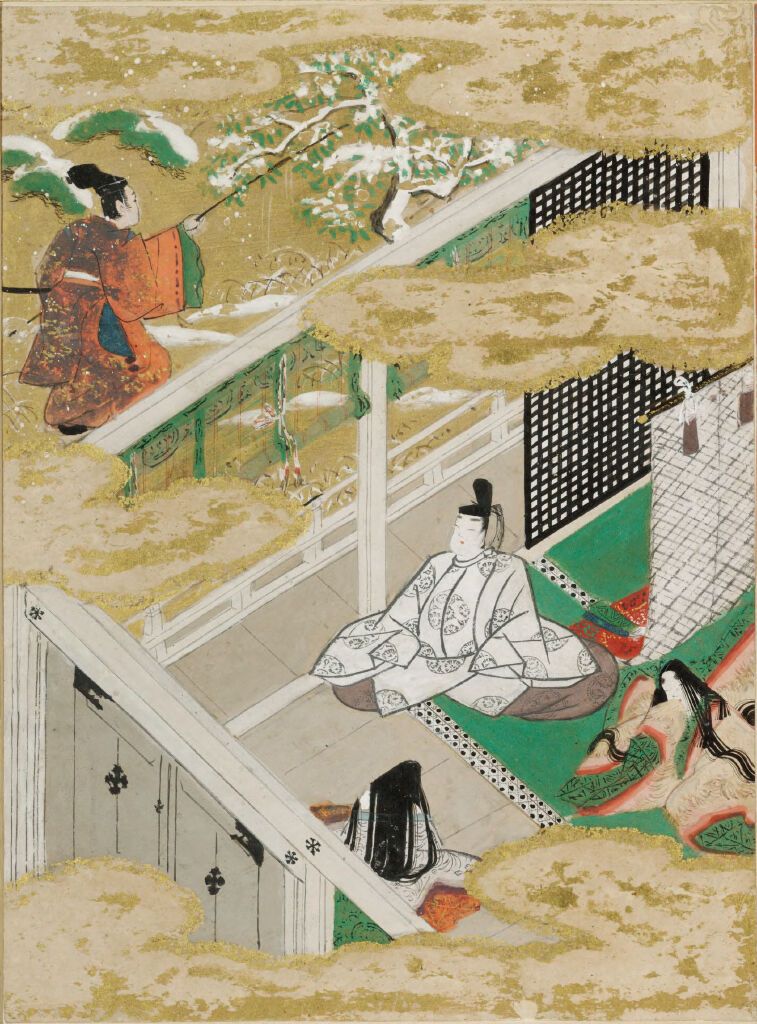
The Safflower (Suetsumuhana), Illustration to Chapter 6 of the Tale of Genji (Genji monogatari)
Tosa Mitsunobu
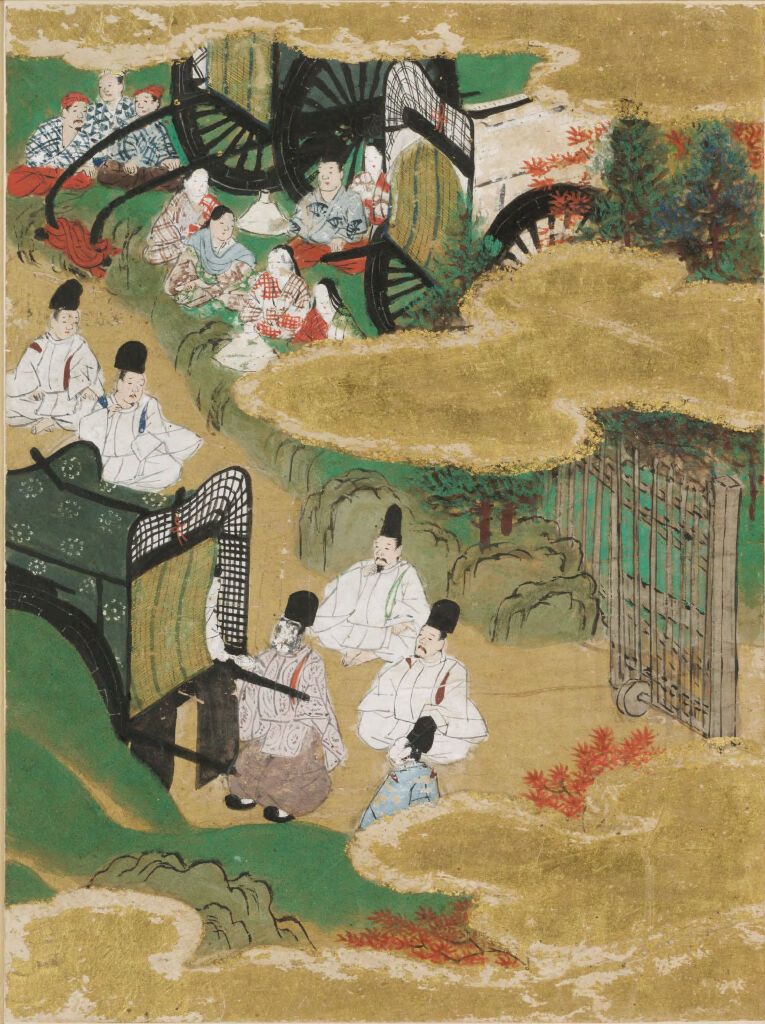
At the Pass (Sekiya), Illustration to Chapter 16 of the Tale of Genji (Genji monogatari)
Tosa Mitsunobu
Mais arte de Ilustração
Ver tudo →Falling Flowers (Hanachirusato), Illustration to Chapter 11 of the Tale of Genji (Genji monogatari)
Tosa Mitsunobu
The Cicada Shell (Utsusemi), Illustration to Chapter 3 of the Tale of Genji (Genji monogatari)
Tosa Mitsunobu
The Seer (Maboroshi), Illustration to Chapter 41 of the Tale of Genji (Genji monogatari)
Tosa Mitsunobu
The Oak Tree (Kashiwagi), Illustration to Chapter 36 of the Tale of Genji (Genji monogatari)
Tosa Mitsunobu
The Paulownia Pavilion (Kiritsubo), Illustration to Chapter 1 of the Tale of Genji (Genji monogatari)
Tosa Mitsunobu
Thoroughwort Flowers (Fujibakama), Illustration to Chapter 30 of the Tale of Genji (Genji monogatari)
Tosa Mitsunobu