
The Drawbridge — História e Análise
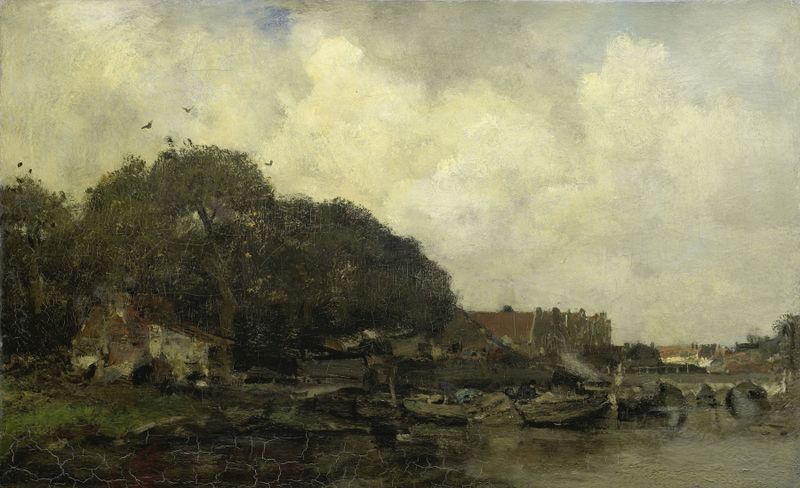
When did color learn to lie? In the realm of art, truths are often layered beneath the brushstrokes, waiting for us to unravel them. Look to the left at the vibrancy of the sky, an intense azure mingling with strokes of pale gold, as if the heavens themselves are celebrating an unseen ecstasy. Notice how the figures on the drawbridge appear suspended between reality and dream, their soft outlines blurred by the fluid brushwork. The composition is anchored by the sturdy structure of the bridge, yet the warmth of the colors creates a sense of movement, almost as if the scene is caught in a fleeting moment, a snapshot of joy colliding with the mundane. Deeper still, the emotional tension lies in the interplay of light and shadow.
The figures, while joyful, are isolated on the bridge, suggesting both connection and solitude—a paradox of human experience. Each brushstroke conveys a sense of vibrancy, yet the figures’ expressions hint at a deeper longing, a desire for something beyond their immediate surroundings. The bridge itself stands as a metaphor for transition, perhaps reflecting the artist's own journey through life and art. Created in 1875, the piece emerged during a prolific period for the artist, who was living in the Netherlands.
At this time, Maris was grappling with the influences of Romanticism and the emerging Impressionist movement, striving to capture not just the likeness of a moment but its emotional essence. This painting reflects his aspiration to convey light and color in a way that transcended traditional representation, aiming to evoke a visceral response in the viewer.
Mais obras de Jacob Maris
Ver tudo →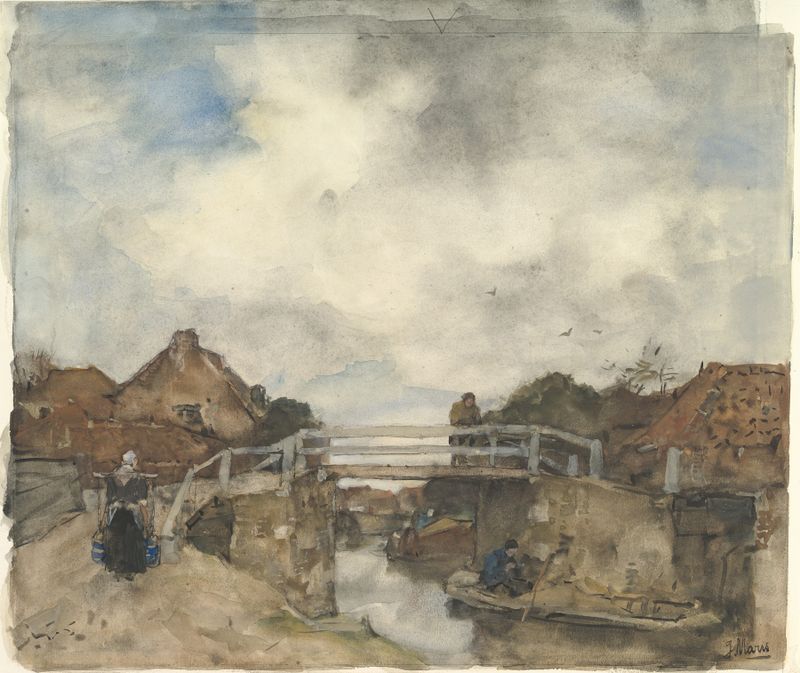
Dutch Canal, Rijswijk
Jacob Maris
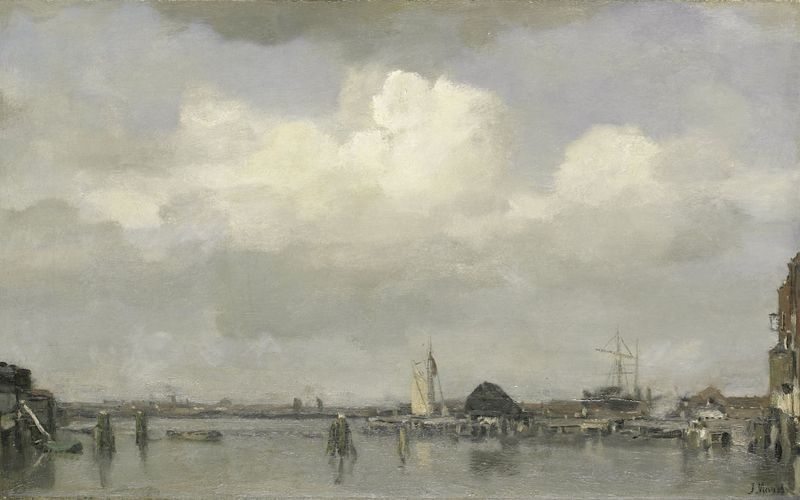
Havengezicht
Jacob Maris
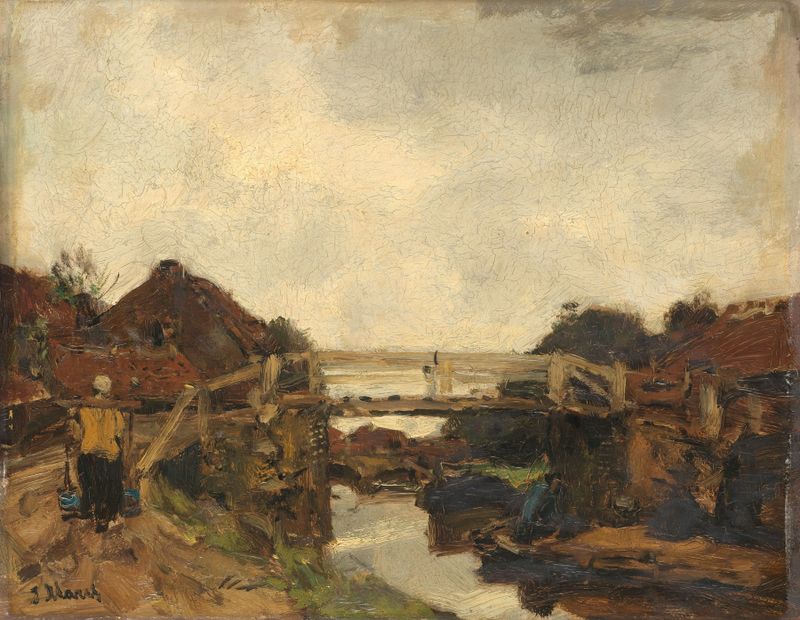
Wooden Bridge across a Canal at Rijswijk
Jacob Maris
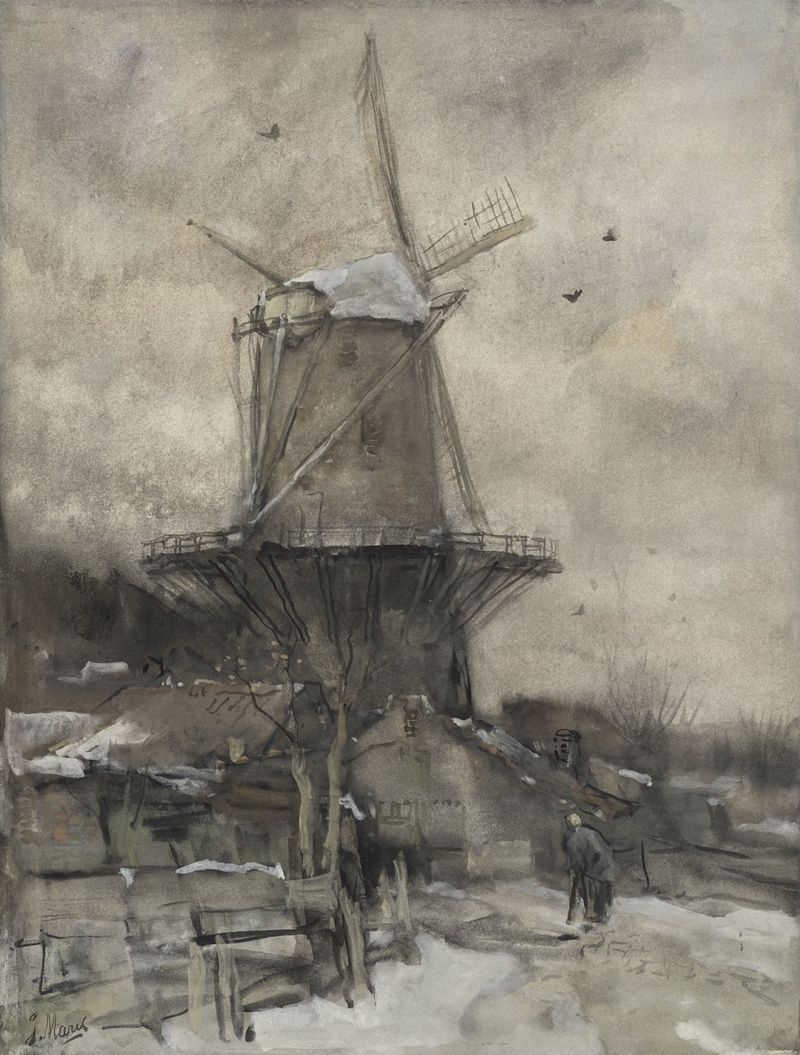
Een molen in de winter
Jacob Maris
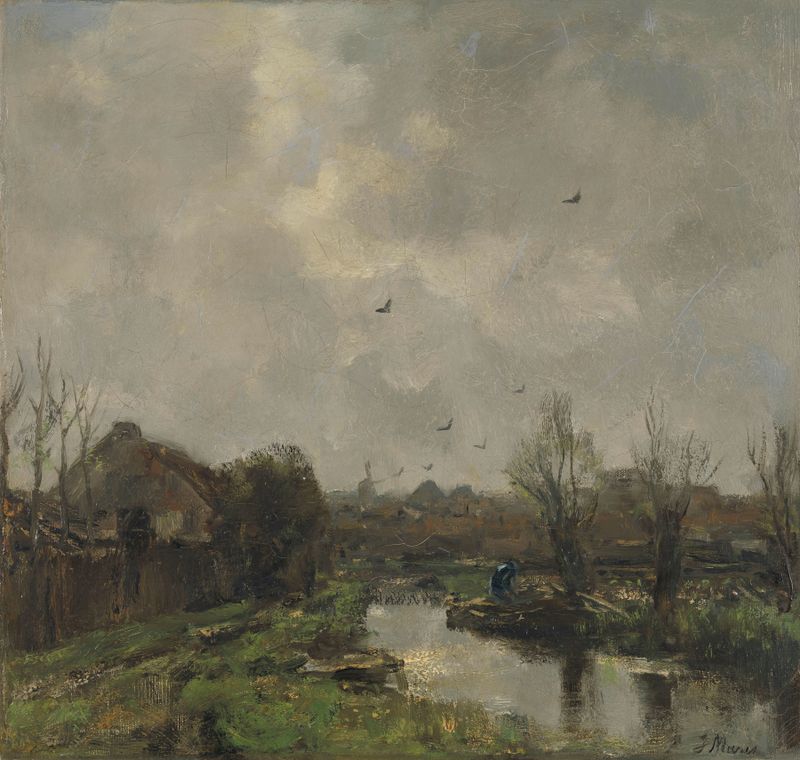
Landschap in de omgeving van Den Haag
Jacob Maris
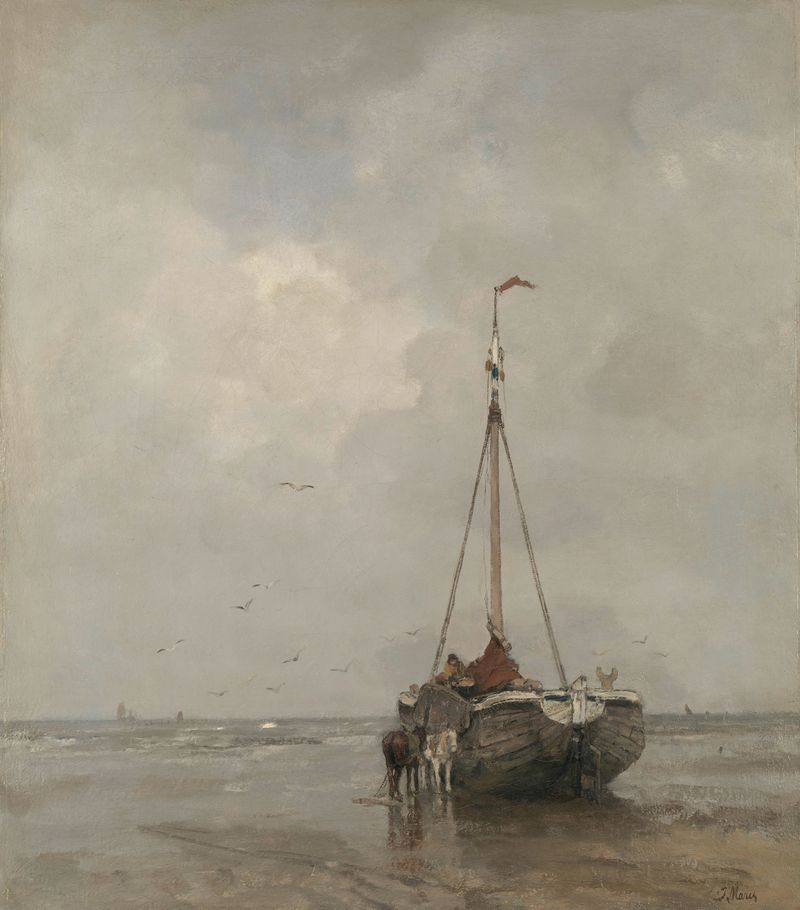
Bluff-bowed Fishing Boat on the Beach at Scheveningen
Jacob Maris
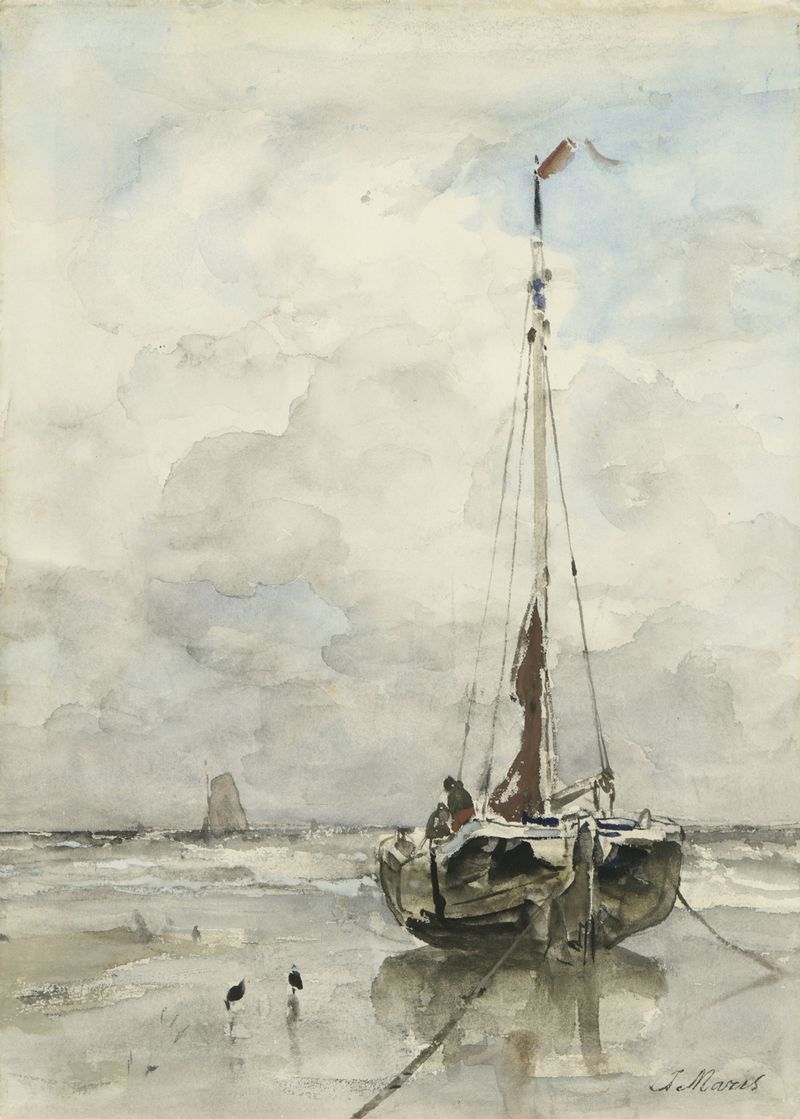
Visserspink aan het strand
Jacob Maris
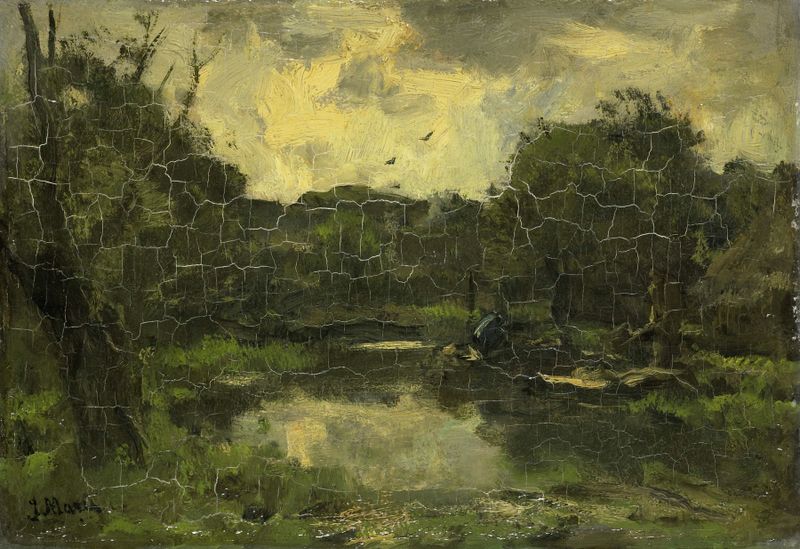
Landschap met schuit
Jacob Maris
Havengezicht
Jacob Maris
Schepen in de haven van Dordrecht
Jacob Maris





