
The Fireflies (Hotaru), Illustration to Chapter 25 of the Tale of Genji (Genji monogatari) — História e Análise
Na delicada interação entre luz e sombra, a serenidade emerge, sussurrando segredos do coração e da natureza efémera da existência. Concentre-se no brilho etéreo que dança pela cena, iluminando as delicadas vagalumes que flutuam entre a folhagem escurecida. Os meticulosos pinceladas de Tosa Mitsunobu criam uma atmosfera suave, mas vibrante, atraindo o olhar do espectador para os insetos luminosos que parecem pulsar com vida contra o fundo atenuado. Note como os profundos tons de azul e verde evocam uma noite tranquila, enquanto os brilhantes acentos dourados trazem uma alegria momentânea, convidando à contemplação da transitoriedade e da beleza. A justaposição das vibrantes vagalumes contra o vazio escuro da noite sugere um contraste pungente entre a natureza efémera da alegria e os tons mais profundos e atenuados da tristeza.
Cada lampejo de luz pode ser visto como um lembrete de momentos que estão aqui e logo se vão, uma dança de emoções suspensas no tempo. O cenário sereno espelha uma calma interior, mas as vagalumes dispersas representam pensamentos e sentimentos que, embora maravilhosos, são, em última análise, fugazes e elusivos. Durante o período Muromachi, o artista criou esta obra por volta de 1509-1510, uma época em que a estética japonesa tradicional estava evoluindo, combinando elegância com uma ressonância emocional mais profunda. Tosa Mitsunobu, trabalhando em Quioto, era notável por misturar temas clássicos com influências contemporâneas, à medida que o mundo ao seu redor começava a abraçar formas mais expressivas.
Esta pintura reflete sua capacidade de encapsular a essência da beleza efémera, uma marca registrada da introspecção cultural da época.
Mais obras de Tosa Mitsunobu
Ver tudo →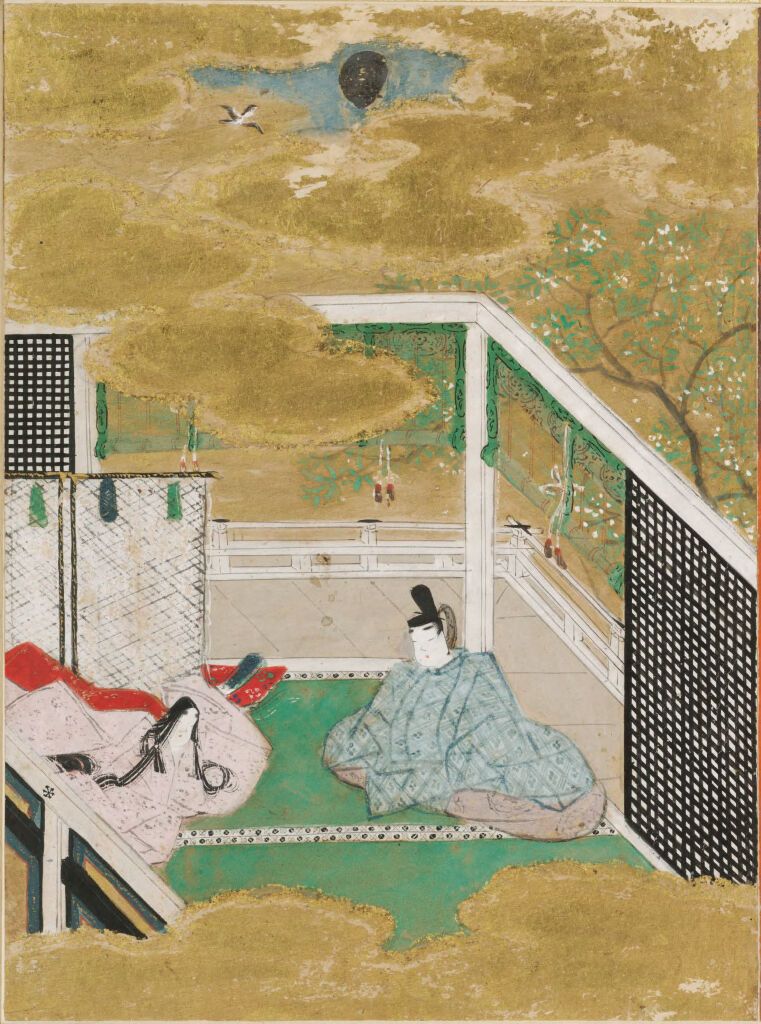
Falling Flowers (Hanachirusato), Illustration to Chapter 11 of the Tale of Genji (Genji monogatari)
Tosa Mitsunobu
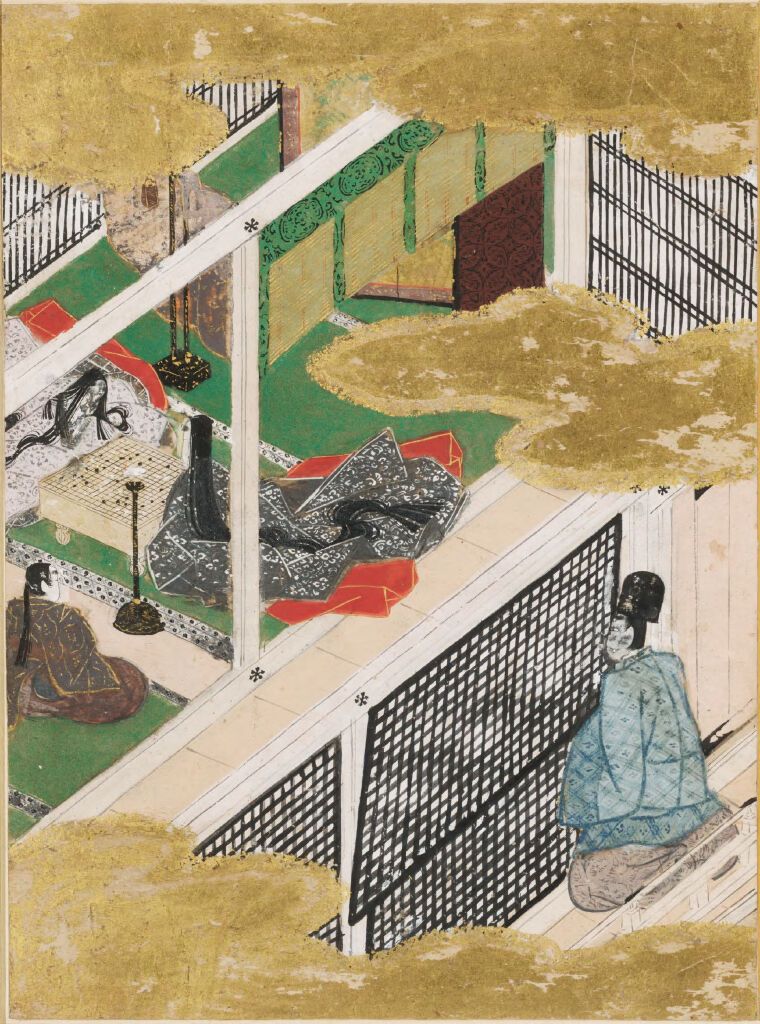
The Cicada Shell (Utsusemi), Illustration to Chapter 3 of the Tale of Genji (Genji monogatari)
Tosa Mitsunobu
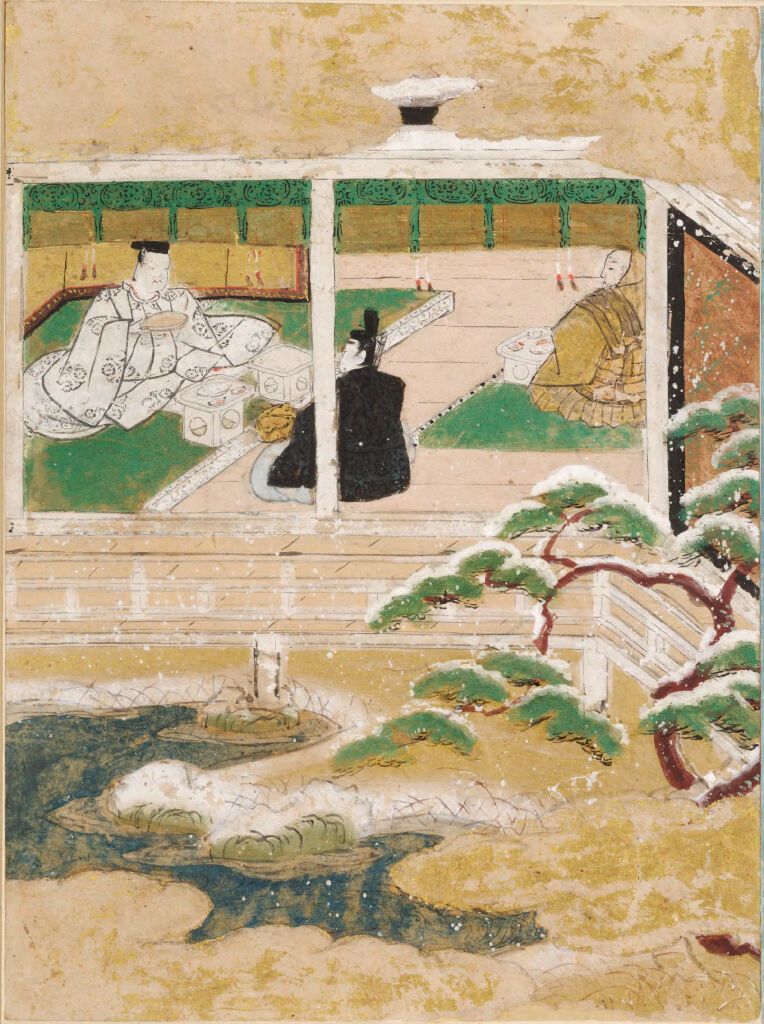
The Seer (Maboroshi), Illustration to Chapter 41 of the Tale of Genji (Genji monogatari)
Tosa Mitsunobu
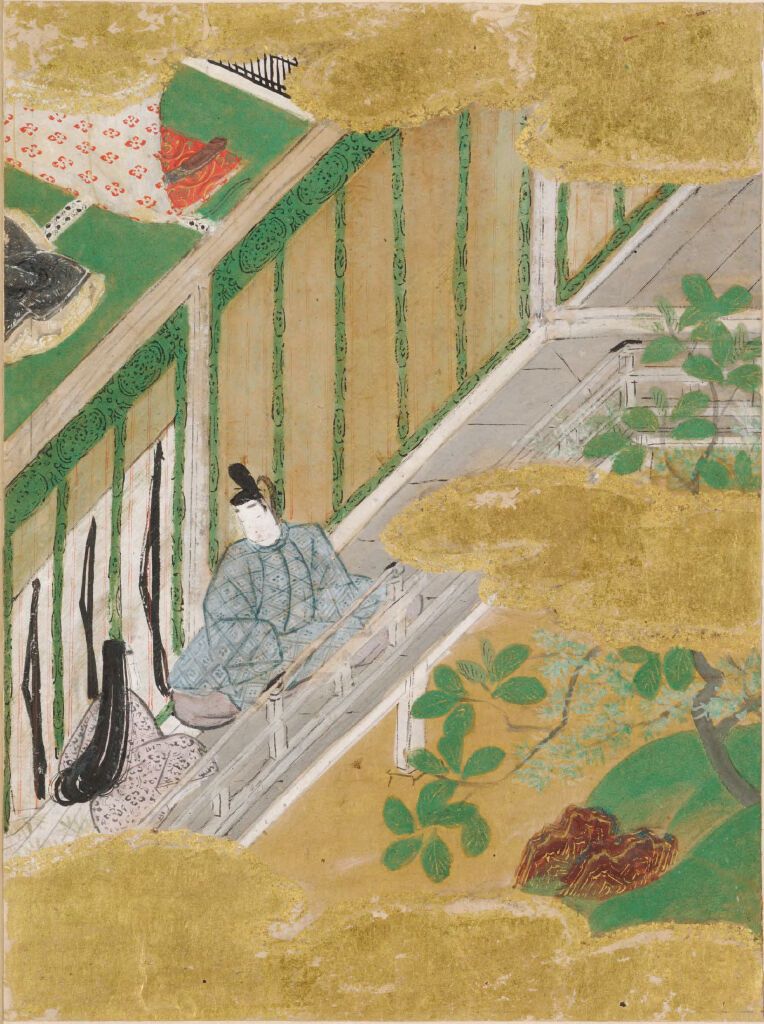
The Oak Tree (Kashiwagi), Illustration to Chapter 36 of the Tale of Genji (Genji monogatari)
Tosa Mitsunobu
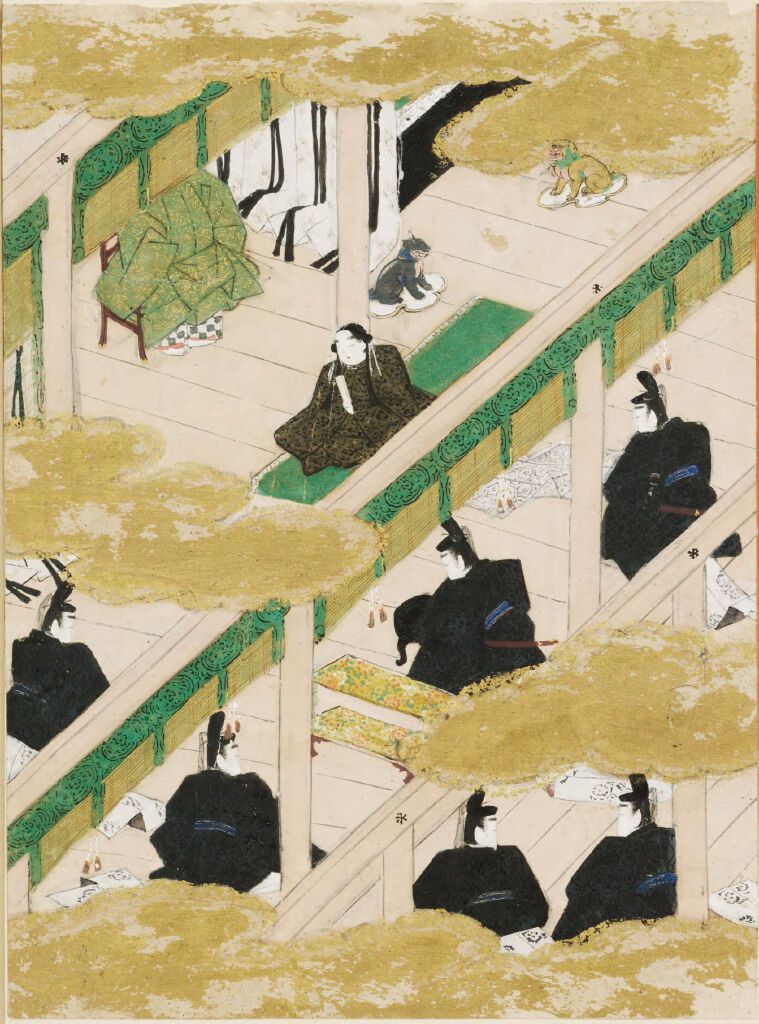
The Paulownia Pavilion (Kiritsubo), Illustration to Chapter 1 of the Tale of Genji (Genji monogatari)
Tosa Mitsunobu
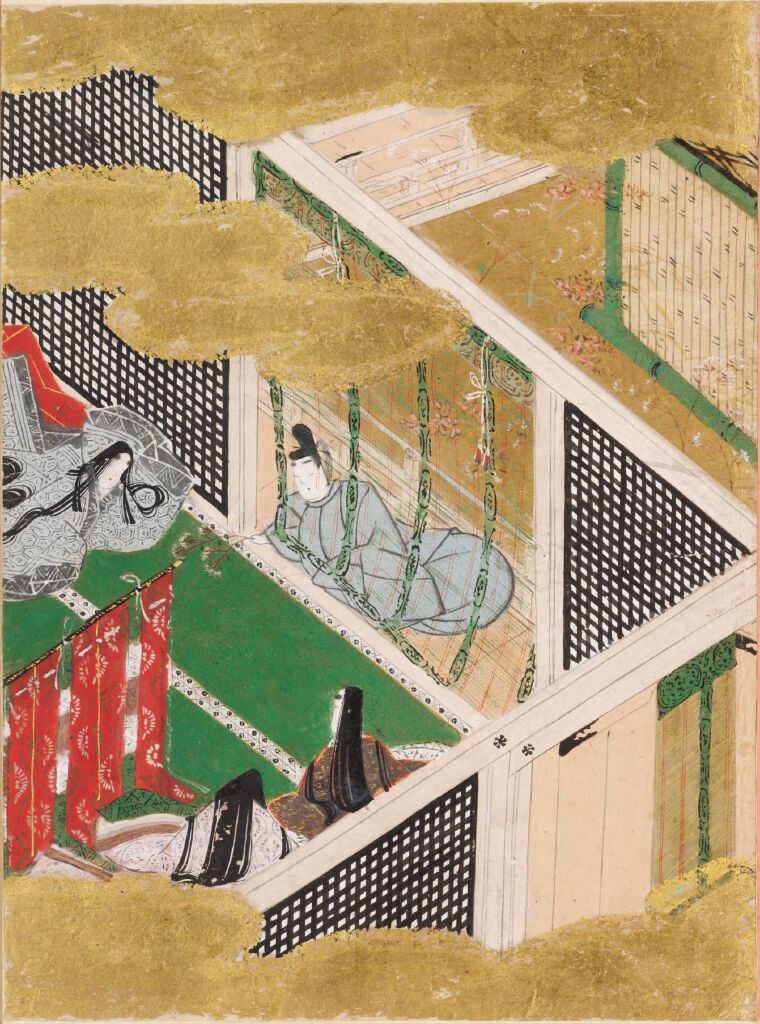
Thoroughwort Flowers (Fujibakama), Illustration to Chapter 30 of the Tale of Genji (Genji monogatari)
Tosa Mitsunobu

Under the Cherry Blossoms (Hana no En), Illustration to Chapter 8 of the Tale of Genji (Genji monogatari)
Tosa Mitsunobu

The Pilgrimage to Sumiyoshi (Miotsukushi), Illustration to Chapter 14 of the Tale of Genji (Genji monogatari)
Tosa Mitsunobu
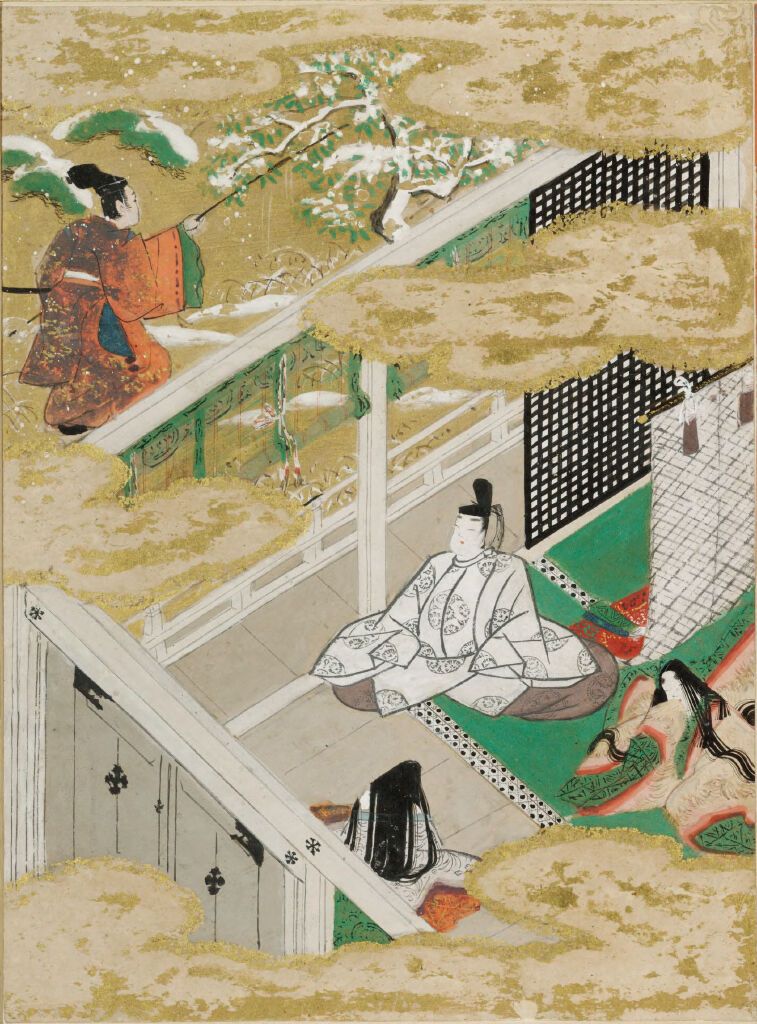
The Safflower (Suetsumuhana), Illustration to Chapter 6 of the Tale of Genji (Genji monogatari)
Tosa Mitsunobu
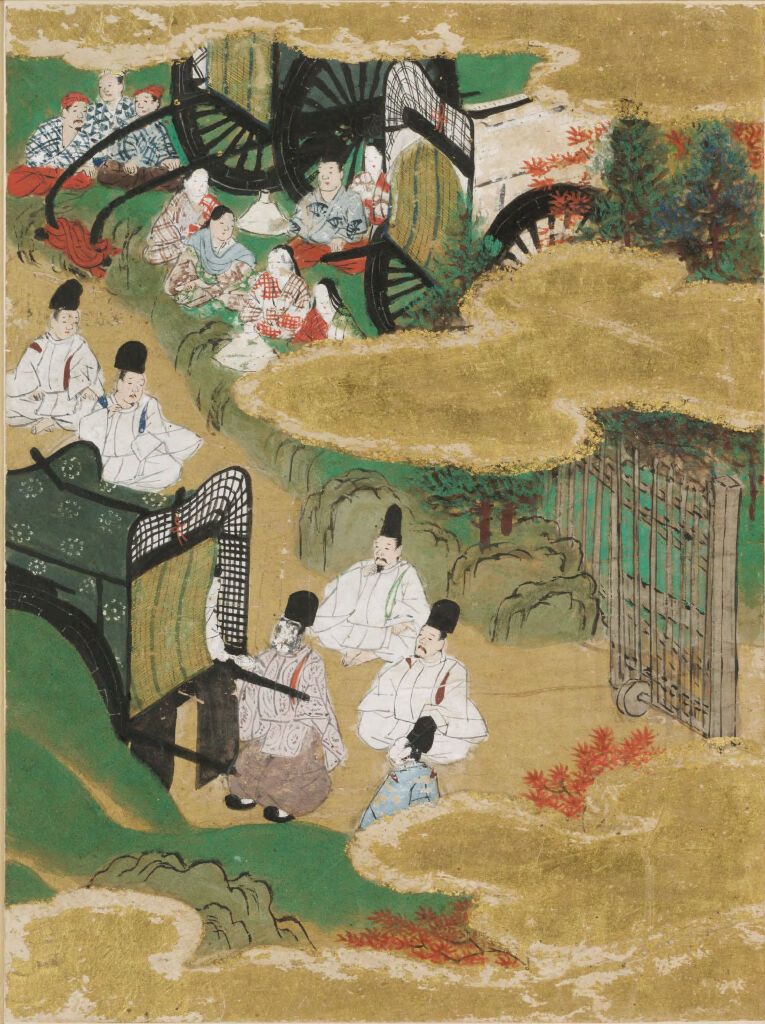
At the Pass (Sekiya), Illustration to Chapter 16 of the Tale of Genji (Genji monogatari)
Tosa Mitsunobu
Mais arte de Ilustração
Ver tudo →Falling Flowers (Hanachirusato), Illustration to Chapter 11 of the Tale of Genji (Genji monogatari)
Tosa Mitsunobu
The Cicada Shell (Utsusemi), Illustration to Chapter 3 of the Tale of Genji (Genji monogatari)
Tosa Mitsunobu
The Seer (Maboroshi), Illustration to Chapter 41 of the Tale of Genji (Genji monogatari)
Tosa Mitsunobu
The Oak Tree (Kashiwagi), Illustration to Chapter 36 of the Tale of Genji (Genji monogatari)
Tosa Mitsunobu
The Paulownia Pavilion (Kiritsubo), Illustration to Chapter 1 of the Tale of Genji (Genji monogatari)
Tosa Mitsunobu
Thoroughwort Flowers (Fujibakama), Illustration to Chapter 30 of the Tale of Genji (Genji monogatari)
Tosa Mitsunobu