
The Plum Tree Branch (Umegae), Illustration to Chapter 32 of the Tale of Genji (Genji monogatari) — História e Análise
Onde a luz termina e o anseio começa? No delicado entrelaçar de ramos e flores, as fronteiras se desfocam, convidando o espectador a um reino de obsessão e desejo. Olhe para as vibrantes flores de ameixa que balançam suavemente na tela. Suas suaves pétalas rosa brilham contra um fundo rico e suave, atraindo seu olhar para sua beleza efêmera. Note como o artista utiliza habilidosamente lavagens de tinta, permitindo que camadas de cor revelem os detalhes intrincados de cada flor e ramo.
Essa técnica meticulosa captura a essência da transitoriedade, ecoando a natureza fugaz da vida e do amor que permeia o Conto de Genji. No entanto, além da beleza superficial, existe uma corrente emocional. Os ramos se estendem em direção ao espectador, sugerindo um convite externo ou talvez o desespero de um desejo não correspondido. Cada flor é um lembrete da beleza que muitas vezes é efêmera, sussurrando segredos de anseio e a persistência da memória.
O contraste entre as pétalas vibrantes e os tons suaves ao seu redor reflete a tensão entre alegria e tristeza, incorporando a essência agridoce da experiência humana. Tosa Mitsunobu criou esta ilustração durante o período Muromachi, entre 1509 e 1510, em uma época de evolução da expressão artística no Japão. Como uma figura proeminente da escola de pintura Tosa, ele foi profundamente influenciado pelas tradições literárias de seu tempo, particularmente pelo Conto de Genji. A obra encapsula um momento na história em que a arte se entrelaçou com a narrativa, capturando os corações daqueles que buscavam escapar para mundos de beleza e profundidade emocional.
Mais obras de Tosa Mitsunobu
Ver tudo →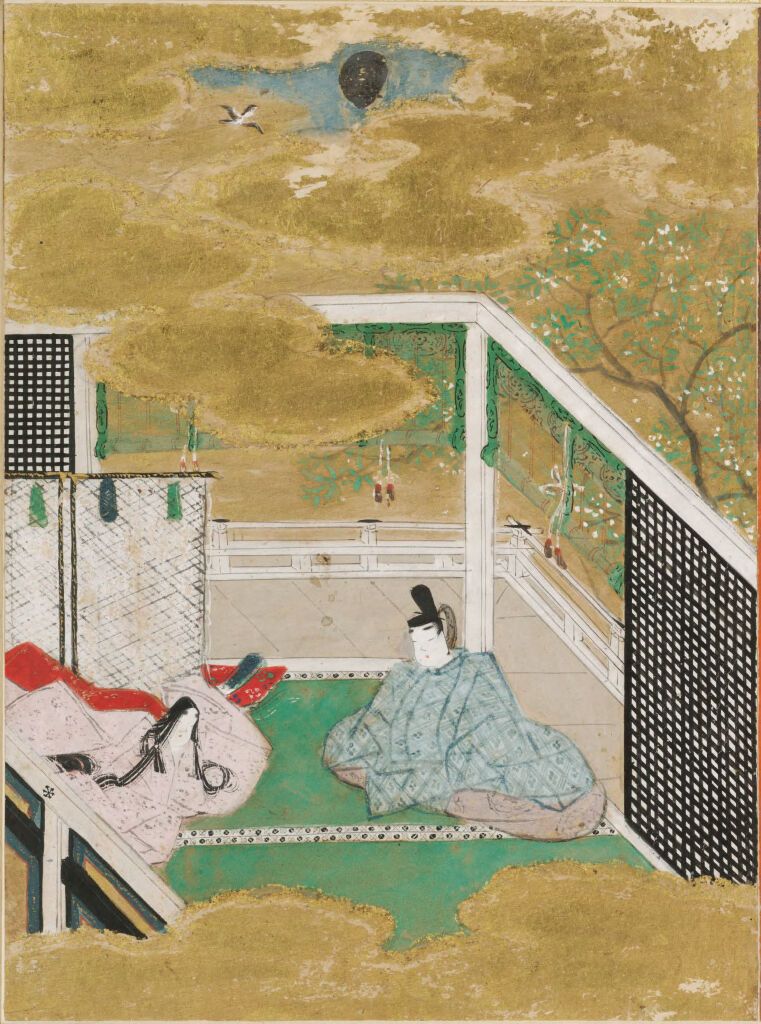
Falling Flowers (Hanachirusato), Illustration to Chapter 11 of the Tale of Genji (Genji monogatari)
Tosa Mitsunobu
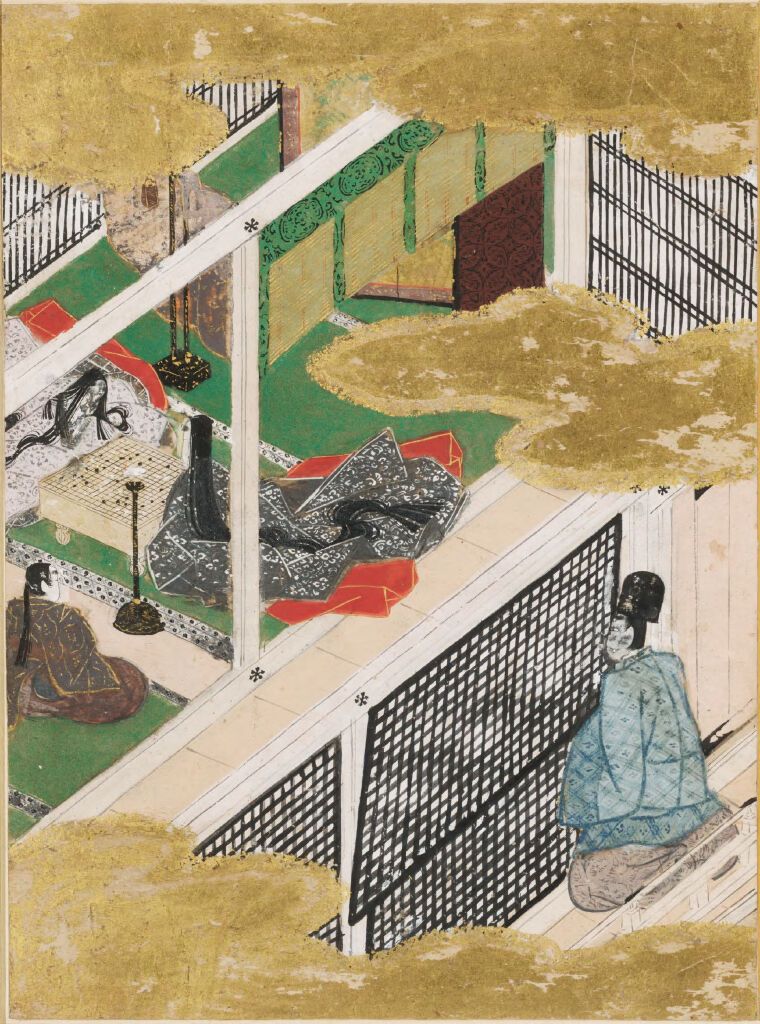
The Cicada Shell (Utsusemi), Illustration to Chapter 3 of the Tale of Genji (Genji monogatari)
Tosa Mitsunobu
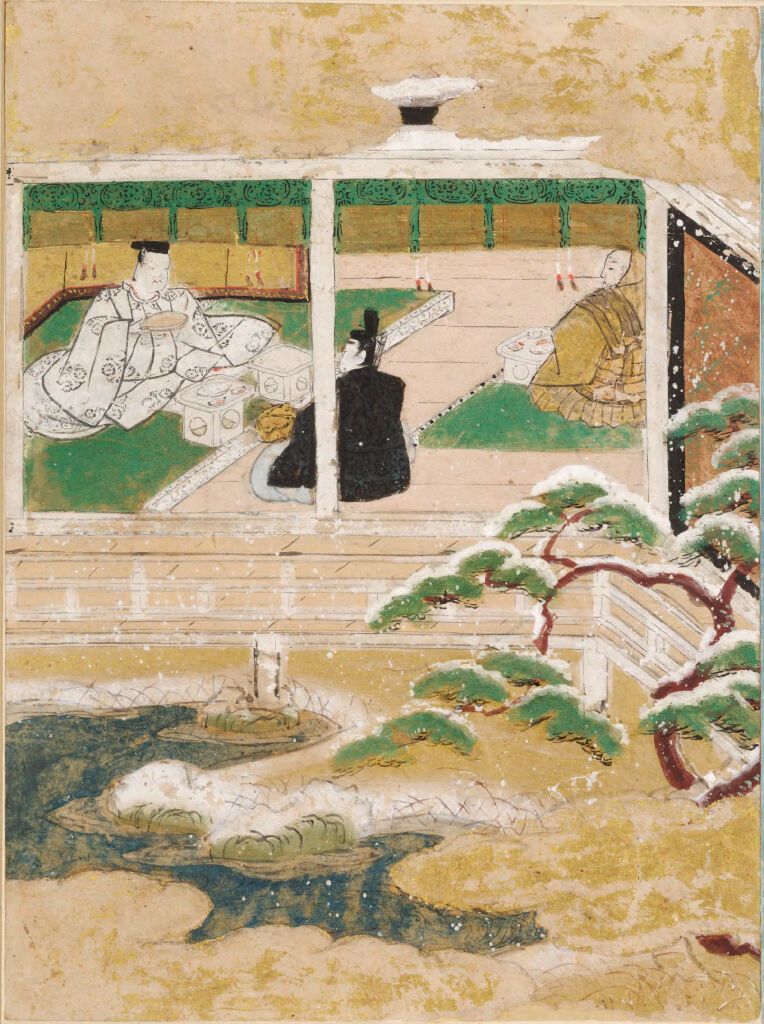
The Seer (Maboroshi), Illustration to Chapter 41 of the Tale of Genji (Genji monogatari)
Tosa Mitsunobu
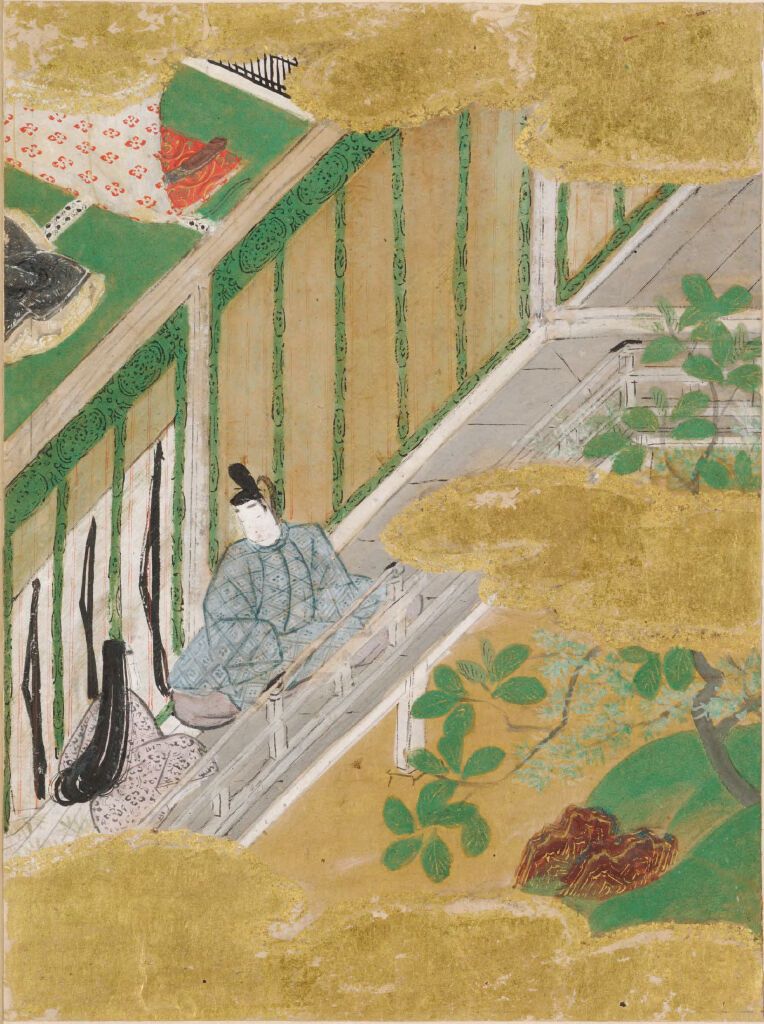
The Oak Tree (Kashiwagi), Illustration to Chapter 36 of the Tale of Genji (Genji monogatari)
Tosa Mitsunobu
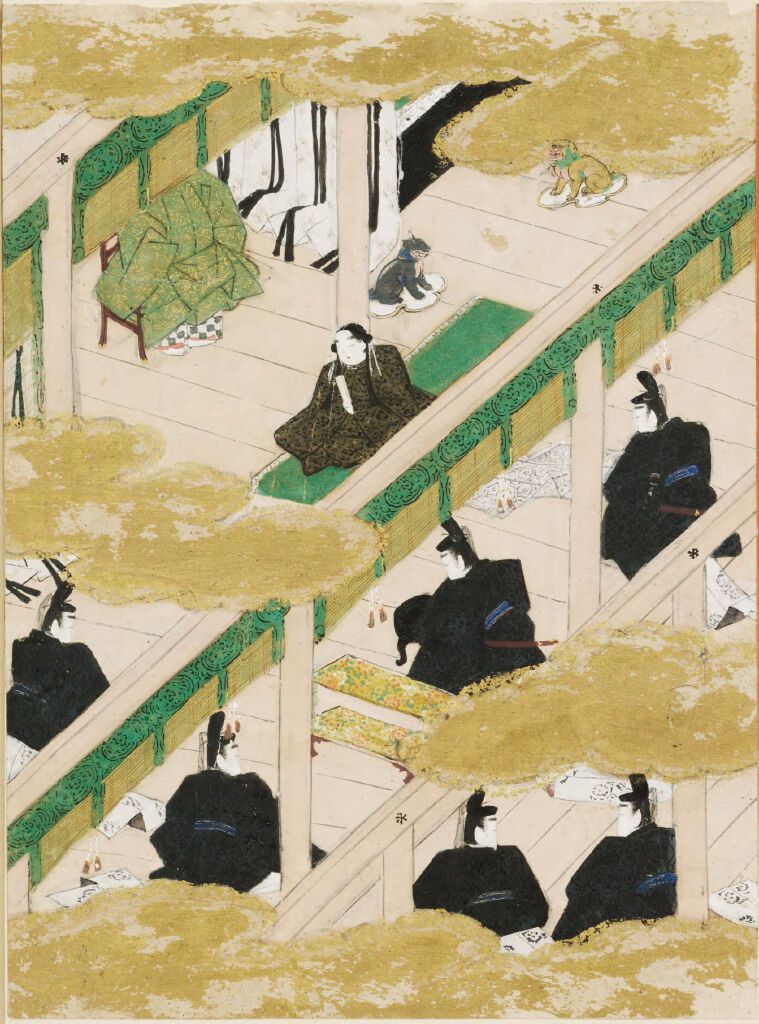
The Paulownia Pavilion (Kiritsubo), Illustration to Chapter 1 of the Tale of Genji (Genji monogatari)
Tosa Mitsunobu
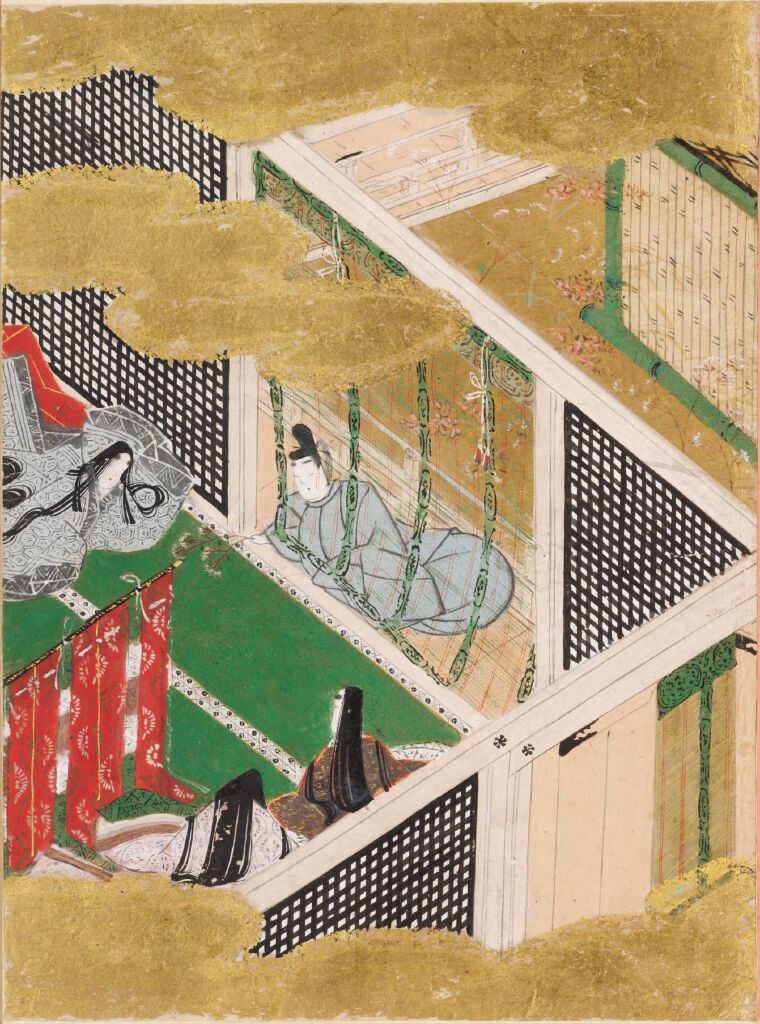
Thoroughwort Flowers (Fujibakama), Illustration to Chapter 30 of the Tale of Genji (Genji monogatari)
Tosa Mitsunobu

Under the Cherry Blossoms (Hana no En), Illustration to Chapter 8 of the Tale of Genji (Genji monogatari)
Tosa Mitsunobu

The Pilgrimage to Sumiyoshi (Miotsukushi), Illustration to Chapter 14 of the Tale of Genji (Genji monogatari)
Tosa Mitsunobu
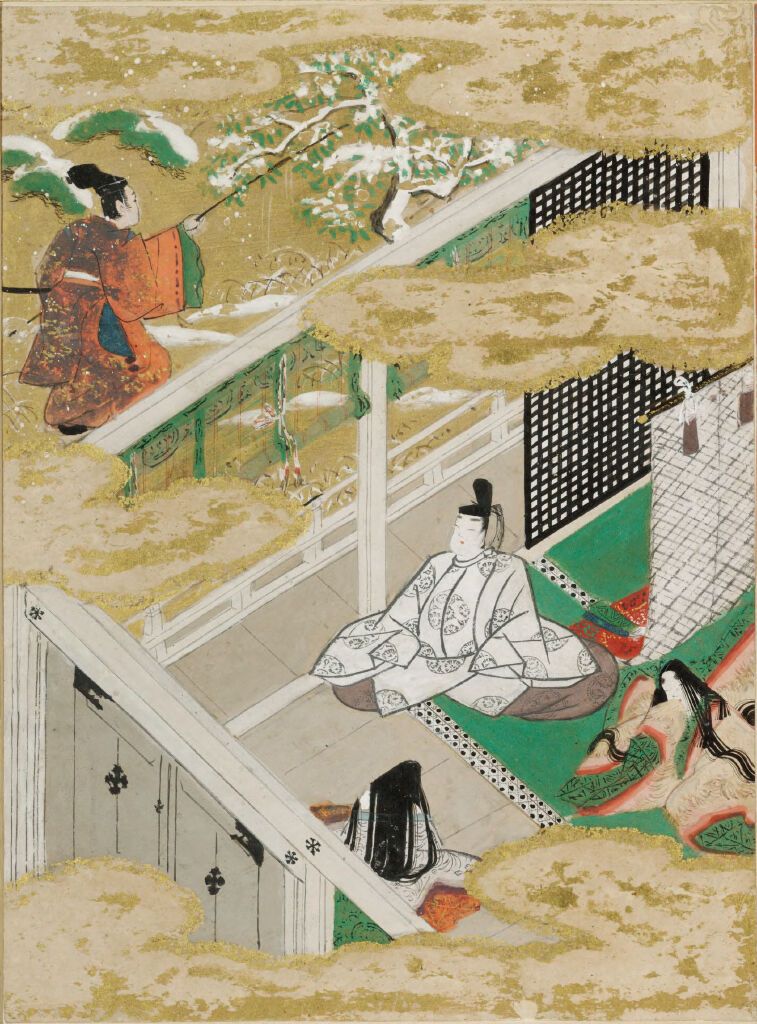
The Safflower (Suetsumuhana), Illustration to Chapter 6 of the Tale of Genji (Genji monogatari)
Tosa Mitsunobu
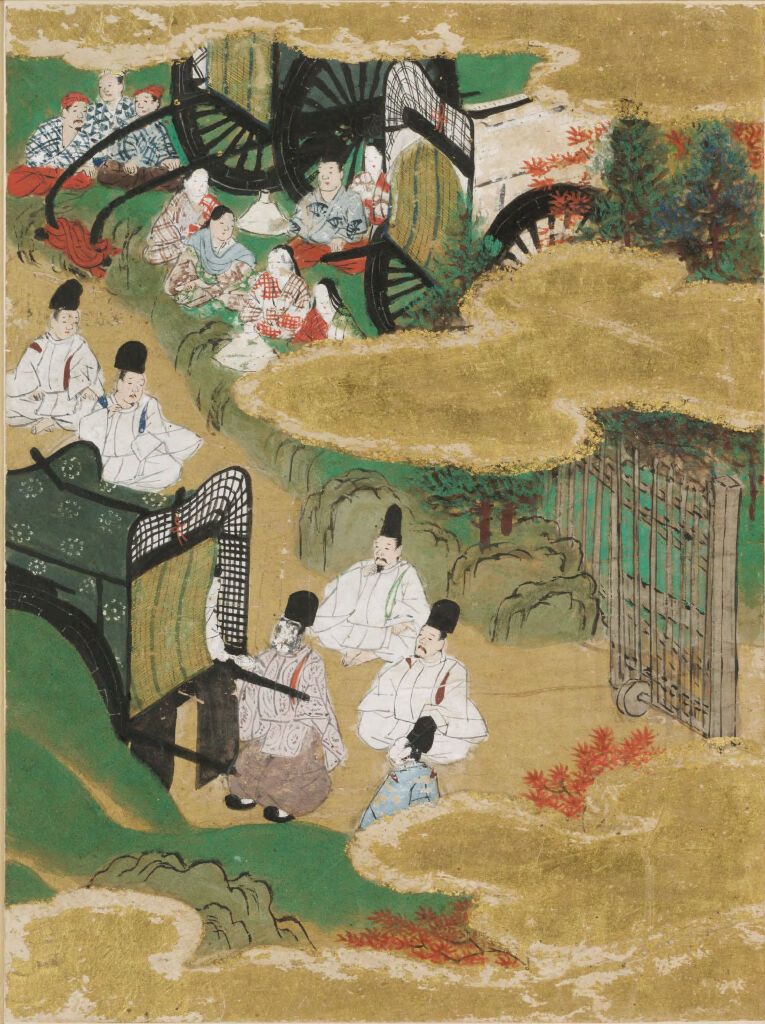
At the Pass (Sekiya), Illustration to Chapter 16 of the Tale of Genji (Genji monogatari)
Tosa Mitsunobu
Mais arte de Ilustração
Ver tudo →Falling Flowers (Hanachirusato), Illustration to Chapter 11 of the Tale of Genji (Genji monogatari)
Tosa Mitsunobu
The Cicada Shell (Utsusemi), Illustration to Chapter 3 of the Tale of Genji (Genji monogatari)
Tosa Mitsunobu
The Seer (Maboroshi), Illustration to Chapter 41 of the Tale of Genji (Genji monogatari)
Tosa Mitsunobu
The Oak Tree (Kashiwagi), Illustration to Chapter 36 of the Tale of Genji (Genji monogatari)
Tosa Mitsunobu
The Paulownia Pavilion (Kiritsubo), Illustration to Chapter 1 of the Tale of Genji (Genji monogatari)
Tosa Mitsunobu
Thoroughwort Flowers (Fujibakama), Illustration to Chapter 30 of the Tale of Genji (Genji monogatari)
Tosa Mitsunobu