
The Supper at Emmaus — História e Análise
A soft glow spills from the flickering candlelight, illuminating the faces around the table. A moment of recognition hangs in the air, suspended between disbelief and joy as the figure at the center raises his hand in a gesture of revelation. The world outside fades, leaving only the warmth of shared memory and the intimate space where past and present converge. Look to the left at the figure in the dark cloak, a man whose surprise is palpable, his mouth slightly agape in astonishment.
The rich, earthy tones of the background contrast sharply with the brilliant whites and golds that cloak the central figure, drawing our gaze to the moment of revelation. Notice how the light captures the delicate texture of the bread, a symbol of sustenance, while shadows play across the faces, adding depth to their expressions and highlighting the emotional gravity of this encounter. Within this sacred moment lies a tapestry of emotions—faith, doubt, and the transformative power of memory. The juxtaposition of light and shadow not only emphasizes the physical distance between the figures but also the spiritual journey they share.
The body language tells a story: the outstretched hand of Christ invites communion, while the hesitant gestures of the disciples reveal their struggle to accept the miraculous. This interplay creates a dynamic tension, rendering the painting a meditation on recognition and belief. In 1634, Rembrandt was establishing himself in Amsterdam, drawing inspiration from his surroundings and the profound narratives of faith. Amidst a flourishing art scene, he sought to capture the human condition, blending realism with dramatic light and shadow.
This piece, The Supper at Emmaus, reflects not only a pivotal moment from scripture but also Rembrandt's own exploration of memory, connection, and the complexities of human experience.
Mais obras de Rembrandt van Rijn
Ver tudo →
The Night Watch Militia Company of District II under the Command of Captain Frans Banninck Cocq
Rembrandt van Rijn

The Return of the Prodigal Son
Rembrandt van Rijn

The Hundred Guilder Print: the figures leaning on the wall in the centre left
Rembrandt van Rijn

The Hundred Guilder Print: the central piece with Christ preaching, the plate arched
Rembrandt van Rijn

Isaac and Rebecca, Known as ‘The Jewish Bride’
Rembrandt van Rijn
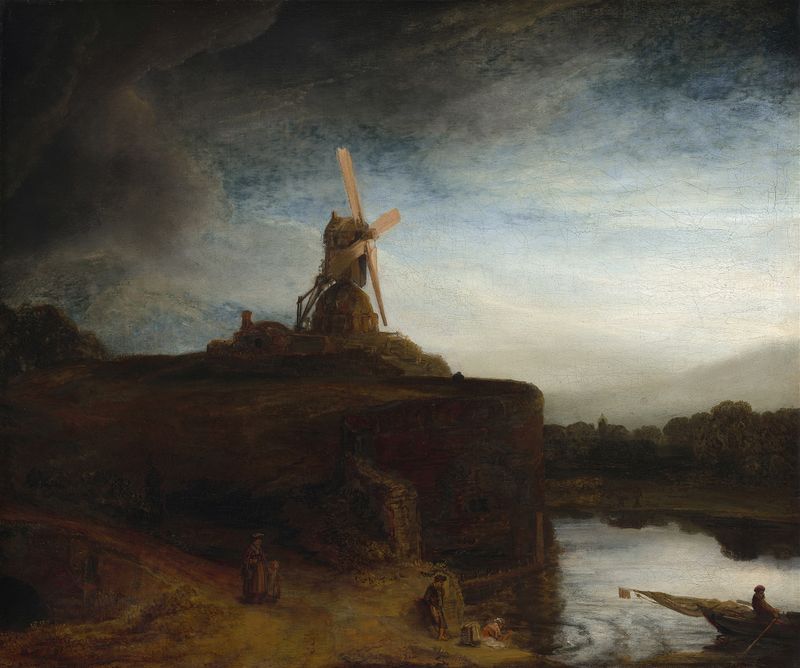
The Mill
Rembrandt van Rijn

The Sampling Officials of the Amsterdam Drapers’ Guild, Known as ‘The Syndics’
Rembrandt van Rijn

The return of the prodigal son
Rembrandt van Rijn
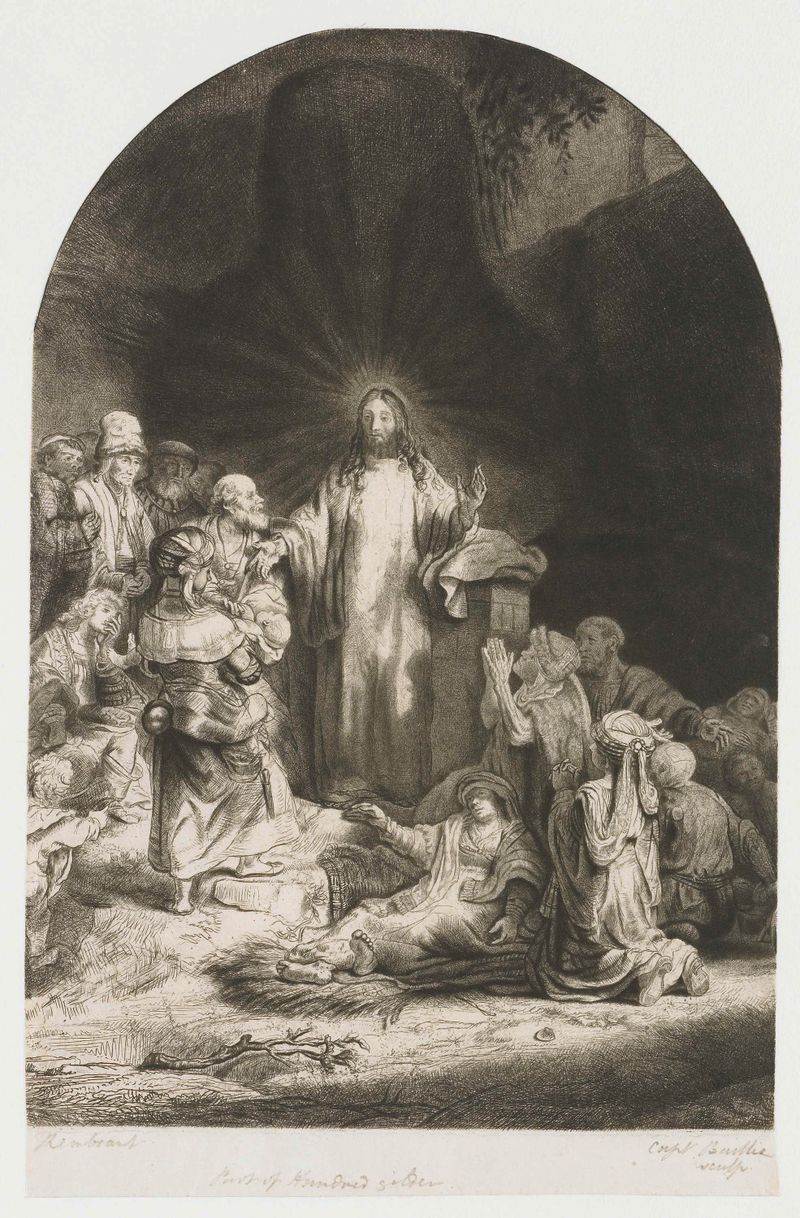
The Hundred Guilder Print: the central piece with Christ preaching, the plate arched
Rembrandt van Rijn

The Hundred Guilder Print: the man seen on the back in the lower left corner
Rembrandt van Rijn
Mais arte de Arte Religiosa
Ver tudo →The Return of the Prodigal Son
Rembrandt van Rijn

The Garden of Earthly Delights
El Bosco

Count Orgaz’ funeral
El Greco
The Hundred Guilder Print: the central piece with Christ preaching, the plate arched
Rembrandt van Rijn

The Descent from the Cross
Rogier van der Weyden
The return of the prodigal son
Rembrandt van Rijn