
Threshing in Ukraine — História e Análise
Who listens when art speaks of silence? In Threshing in Ukraine, the tranquility of rural life unfolds, inviting us to reflect on the serenity found within labor and nature. Look to the left where golden sheaves of wheat create a textured expanse, their warm hues contrasting with the cooler tones of the sky above. Notice how the light falls upon the workers, illuminating their figures and casting gentle shadows that suggest movement and time. Each brushstroke captures a moment of quiet diligence, where the rhythm of threshing becomes a dance of labor that harmonizes with the landscape. Delve deeper into the composition, and you’ll find an interplay of lives and elements: the strength of the laborers juxtaposed with the vastness of the fields.
This balance evokes a sense of resilience and harmony, where man and nature coexist symbiotically. The stillness isn’t merely absence; it encapsulates a profound respect for the earth, emphasizing the sacredness of their toil amidst an expansive sky that hints at the future—both hopeful and uncertain. In 1912, when this painting was created, Leon Wyczółkowski was deeply engaged with the themes of rural life and Polish identity, reflecting societal shifts and the rise of modernism in art. Working in Poland, he focused on capturing the essence of his homeland’s landscapes and people, navigating a time where tradition began to clash with the encroaching influence of urbanization.
His commitment to portraying life with authenticity positioned him as a significant figure within the European art scene of that era.
Mais obras de Leon Wyczółkowski
Ver tudo →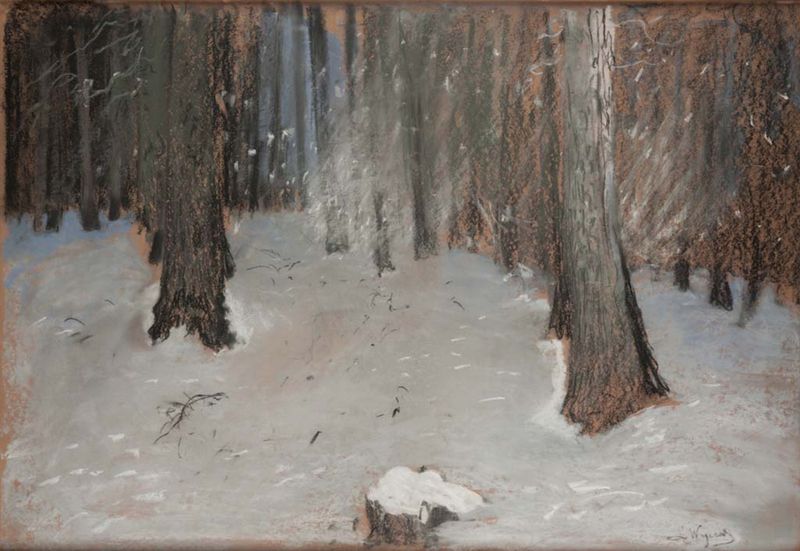
Las zimą
Leon Wyczółkowski
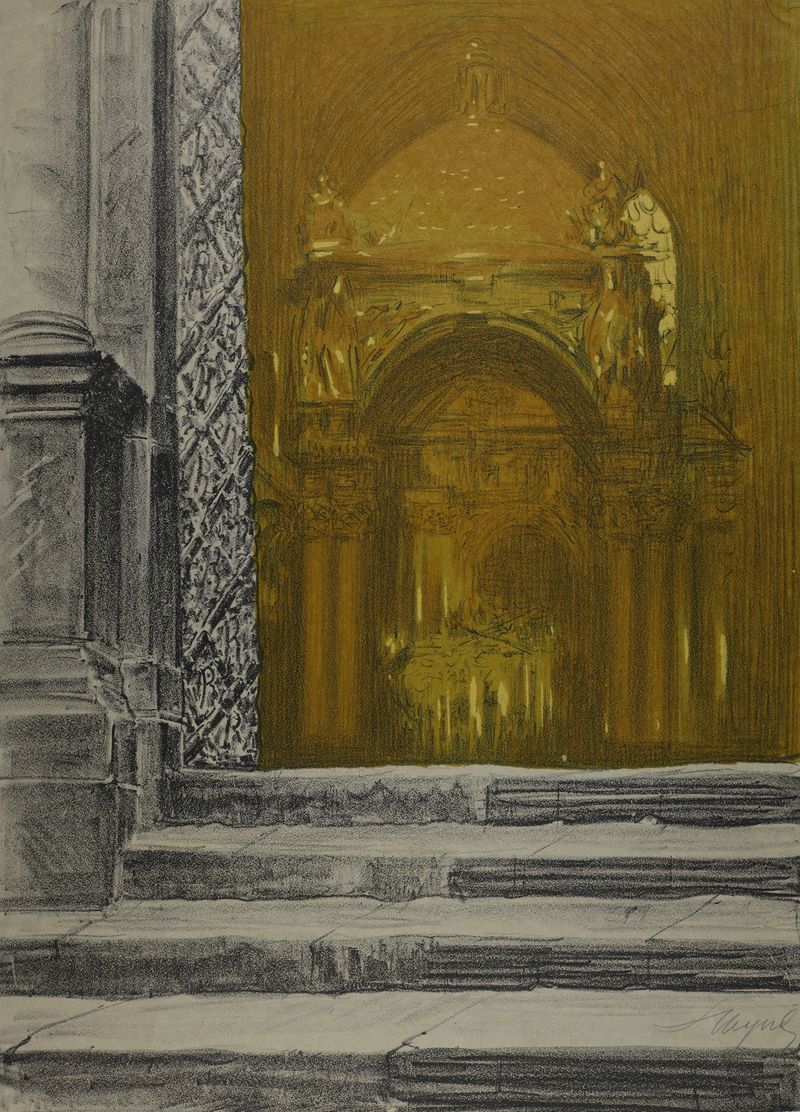
Saint Stanislaus
Leon Wyczółkowski
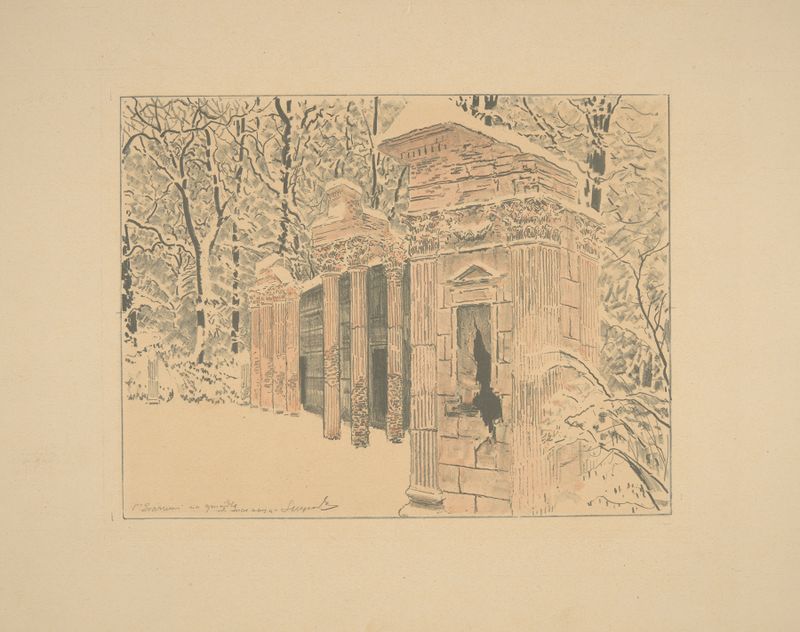
Amfiteatr w Łazienkach pod śniegiem (strona prawa)
Leon Wyczółkowski
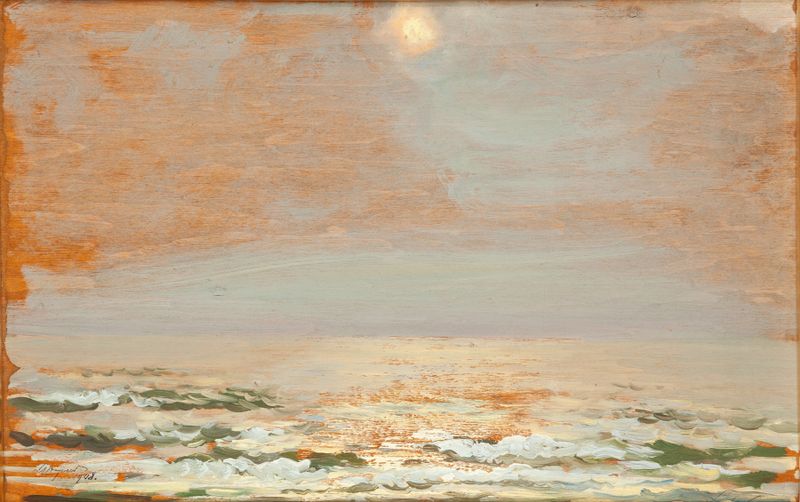
Sea at Połąga IV
Leon Wyczółkowski
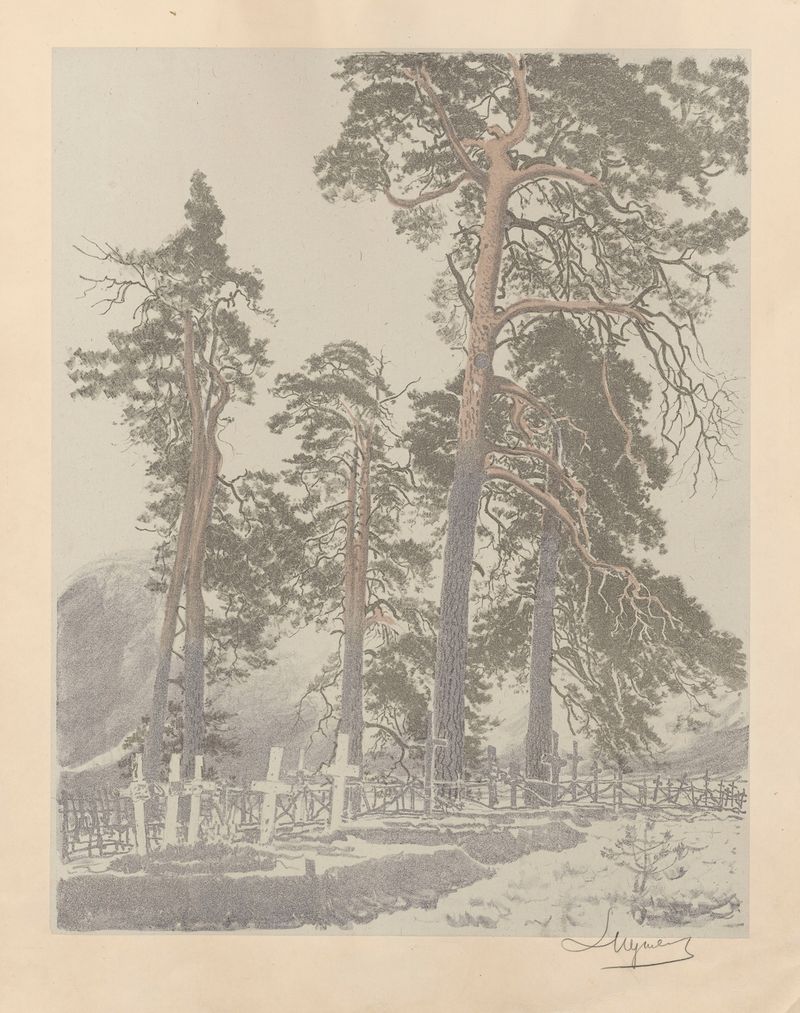
Cemetery in Vowchick
Leon Wyczółkowski
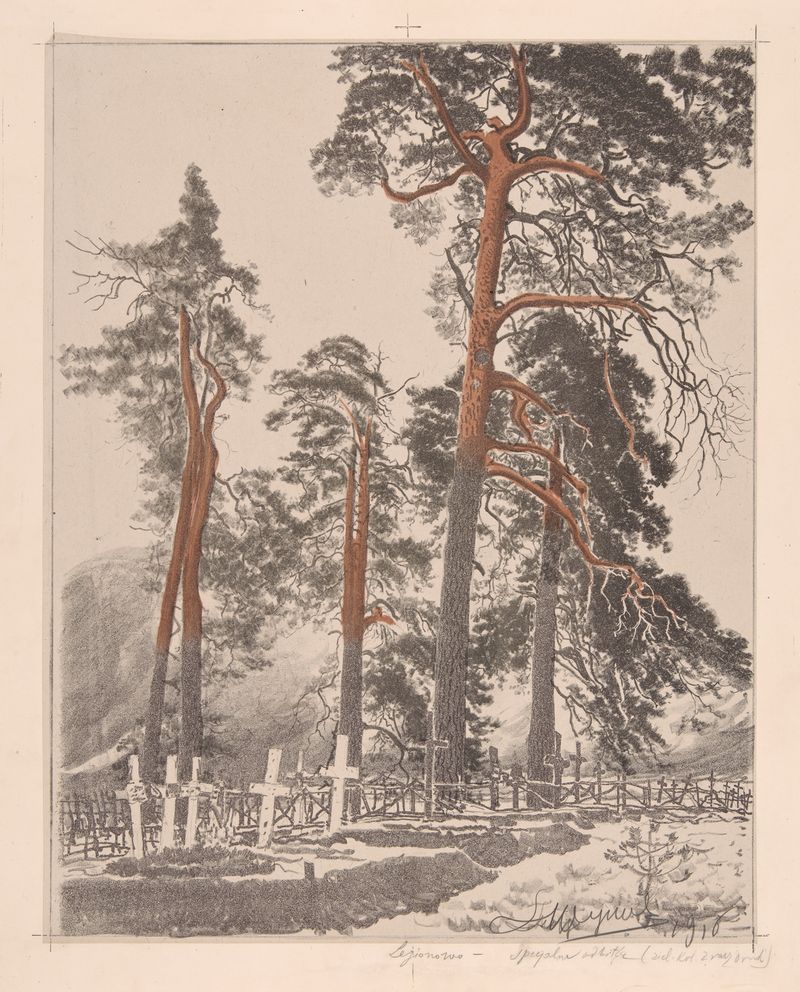
The Wołczecko cemetery
Leon Wyczółkowski
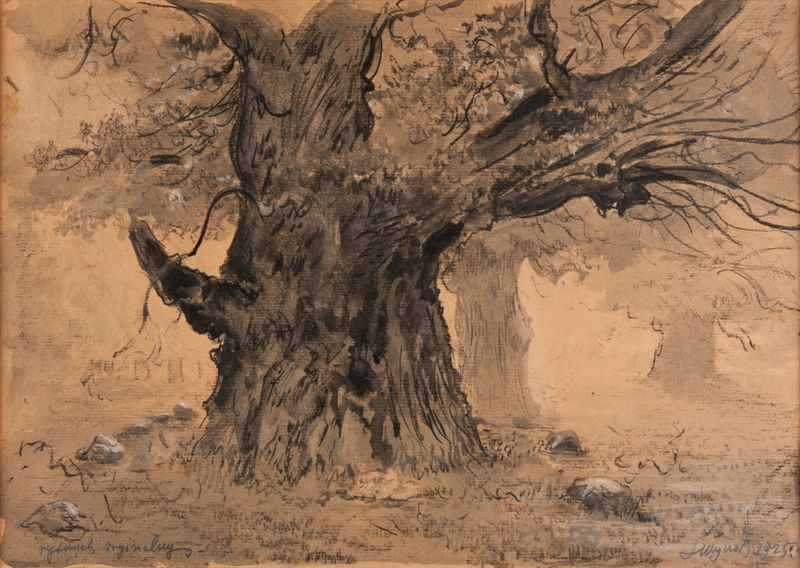
Rogalin Oaks
Leon Wyczółkowski
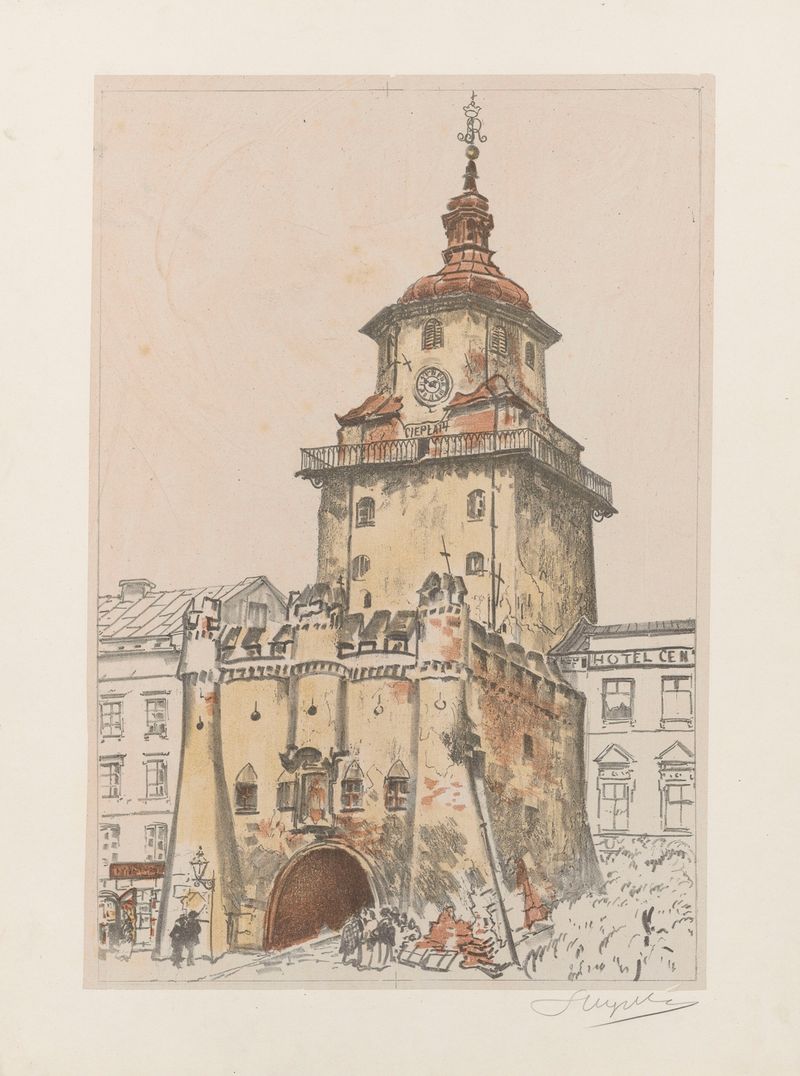
The Krakow Gate in Lublin, in summer
Leon Wyczółkowski
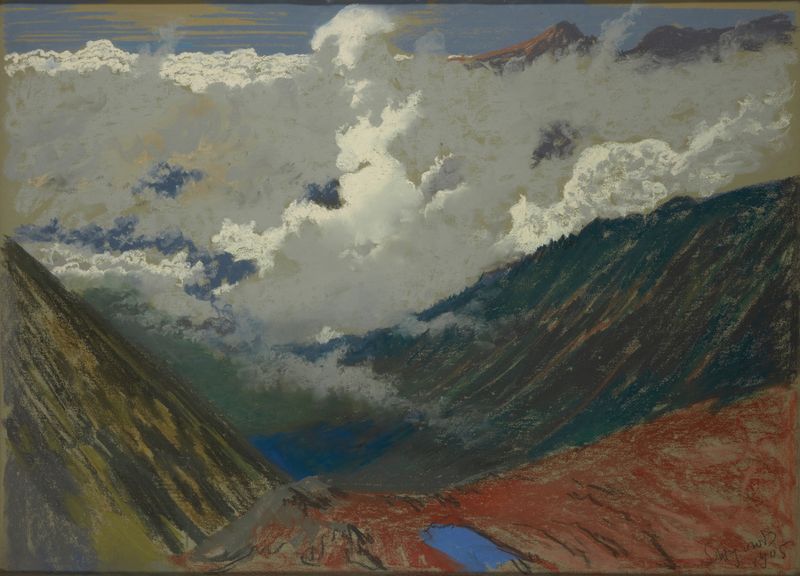
U Wrót Chałubińskiego
Leon Wyczółkowski
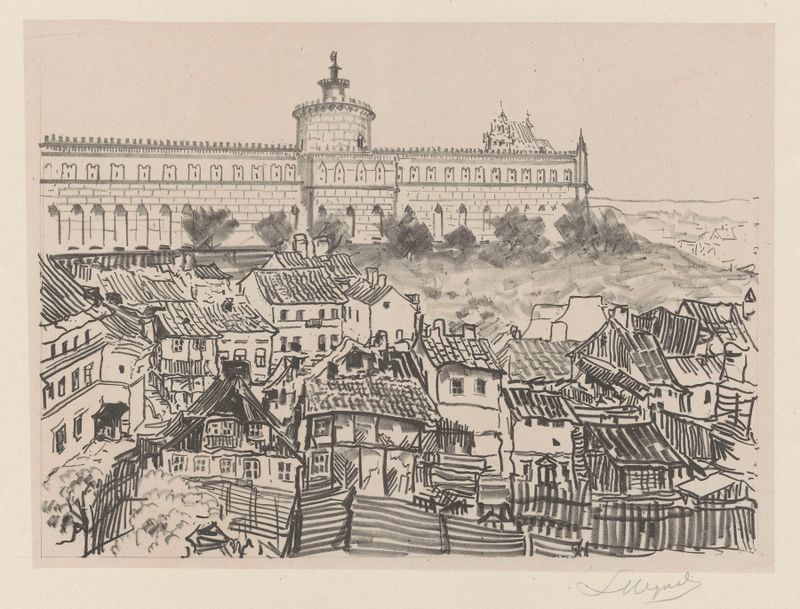
Castle and the Jewish quarter
Leon Wyczółkowski





