
Trefoil Knots (Agemaki), Illustration to Chapter 47 of the Tale of Genji (Genji monogatari) — História e Análise
Pode a pintura confessar o que as palavras nunca poderiam? Nos delicados traços desta ilustração, emerge um profundo senso de nostalgia, sussurrando os segredos de uma era há muito perdida. Olhe para o centro da composição, onde os intrincados nós trifoliados se entrelaçam, cada laço um testemunho da meticulosa atenção do artista. Note como as cores vibrantes se fundem perfeitamente, com índigos profundos e dourados suaves criando um rico tapeçário que atrai o olhar. O uso do espaço negativo convida à contemplação, permitindo ao espectador ponderar sobre o peso simbólico desses motivos, cada um uma ponte entre o passado e o presente. Sob a superfície reside uma tensão que fala volumes.
A precisão dos nós sugere a complexidade das relações, unindo histórias e emoções que atravessam gerações. A justaposição dos elementos decorativos contra um fundo sereno reflete um mundo onde beleza e fragilidade coexistem. Cada detalhe, desde os padrões delicados até as sutis sombras, revela um anseio por conexão – um desejo que ecoa através dos séculos. Durante o período Muromachi, especificamente por volta de 1509-1510, o artista produziu esta obra em um momento em que a arte japonesa florescia sob a influência da estética Zen.
Tosa Mitsunobu, uma figura proeminente na tradição da pintura cortesã, estava navegando em um mundo onde o Conto de Genji era reverenciado como um marco cultural. Esta era foi caracterizada por um renascimento do interesse na literatura clássica, e a ilustração de Mitsunobu captura esse espírito, preenchendo a lacuna entre a narrativa e a arte visual.
Mais obras de Tosa Mitsunobu
Ver tudo →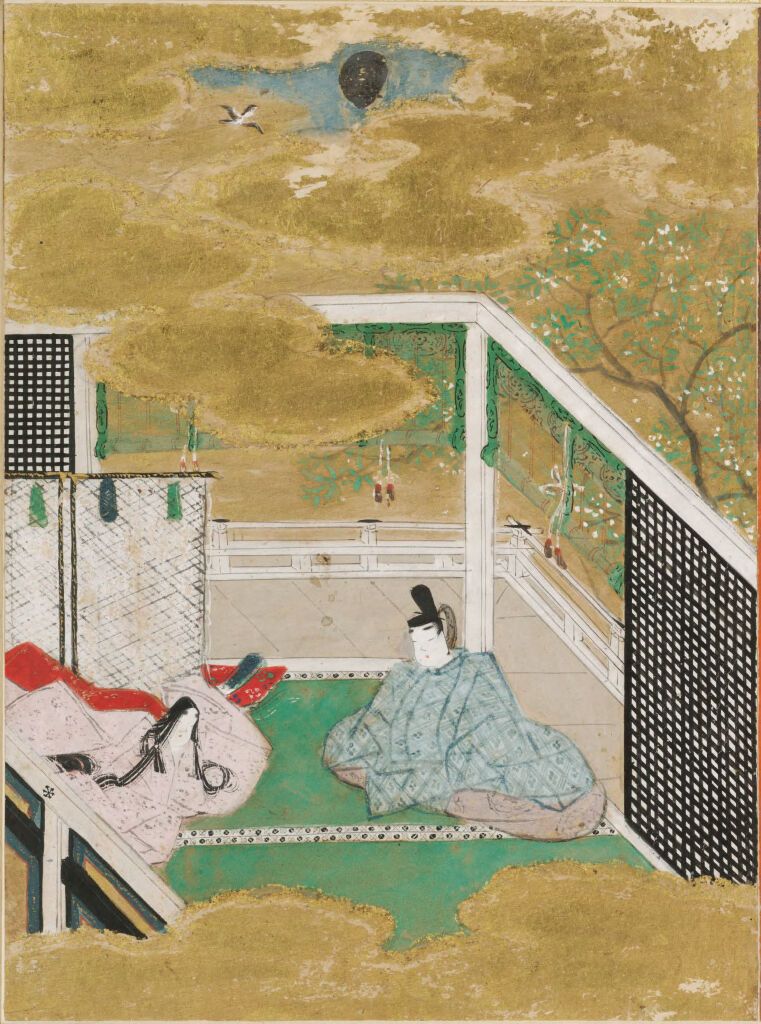
Falling Flowers (Hanachirusato), Illustration to Chapter 11 of the Tale of Genji (Genji monogatari)
Tosa Mitsunobu
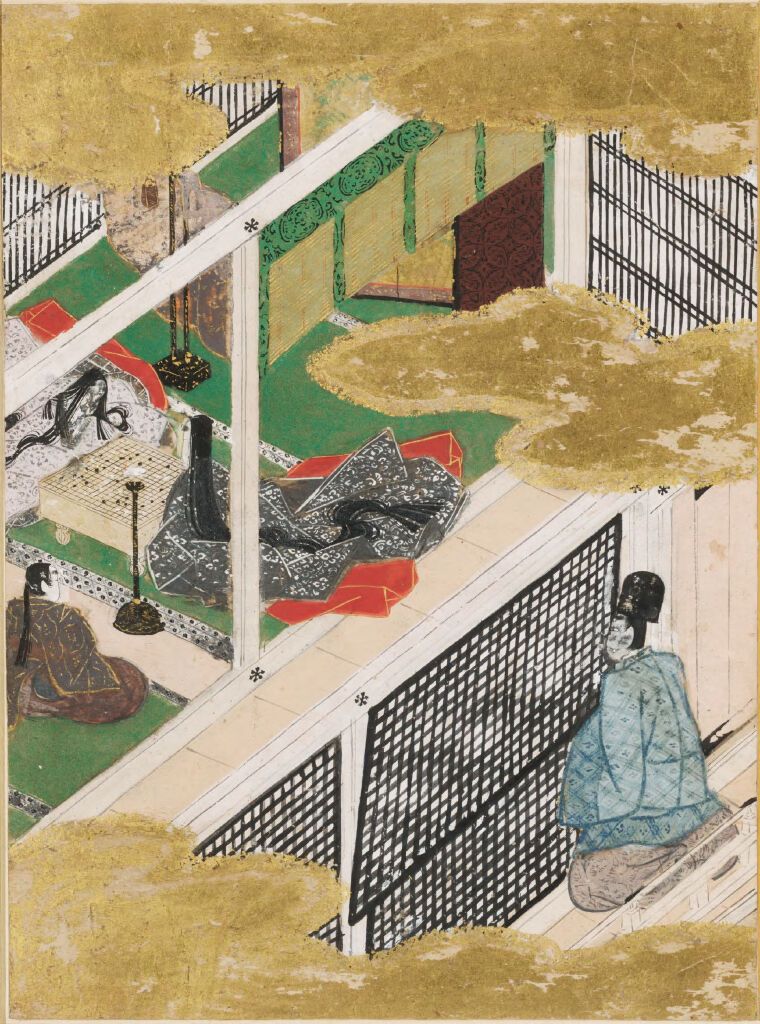
The Cicada Shell (Utsusemi), Illustration to Chapter 3 of the Tale of Genji (Genji monogatari)
Tosa Mitsunobu
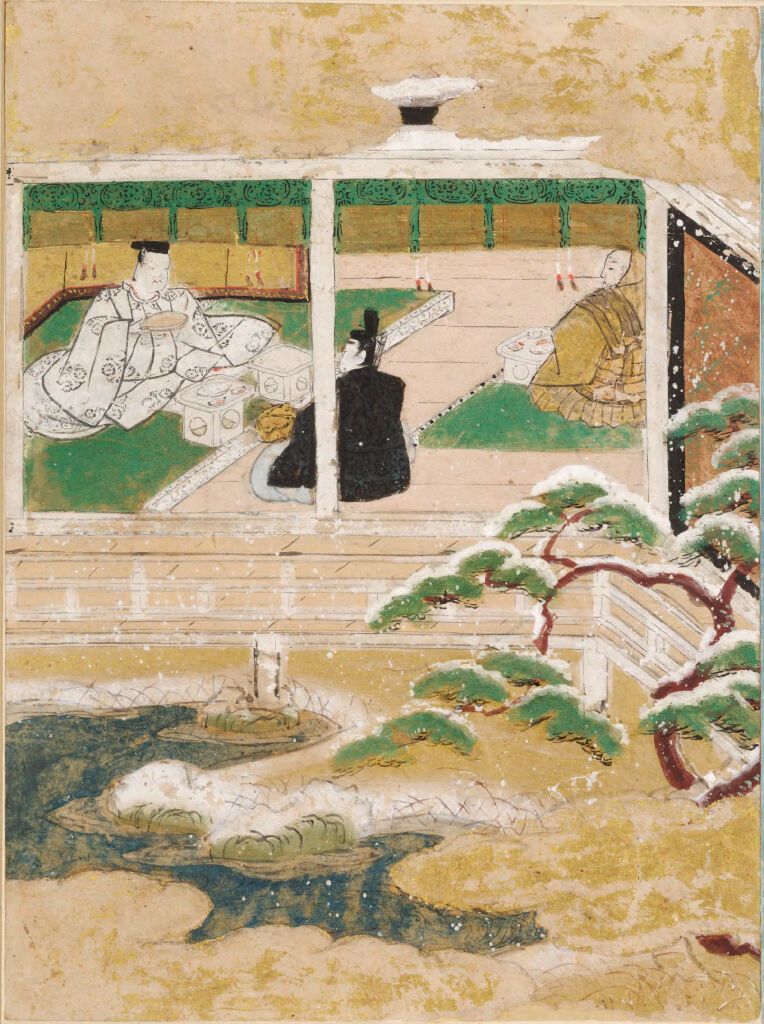
The Seer (Maboroshi), Illustration to Chapter 41 of the Tale of Genji (Genji monogatari)
Tosa Mitsunobu
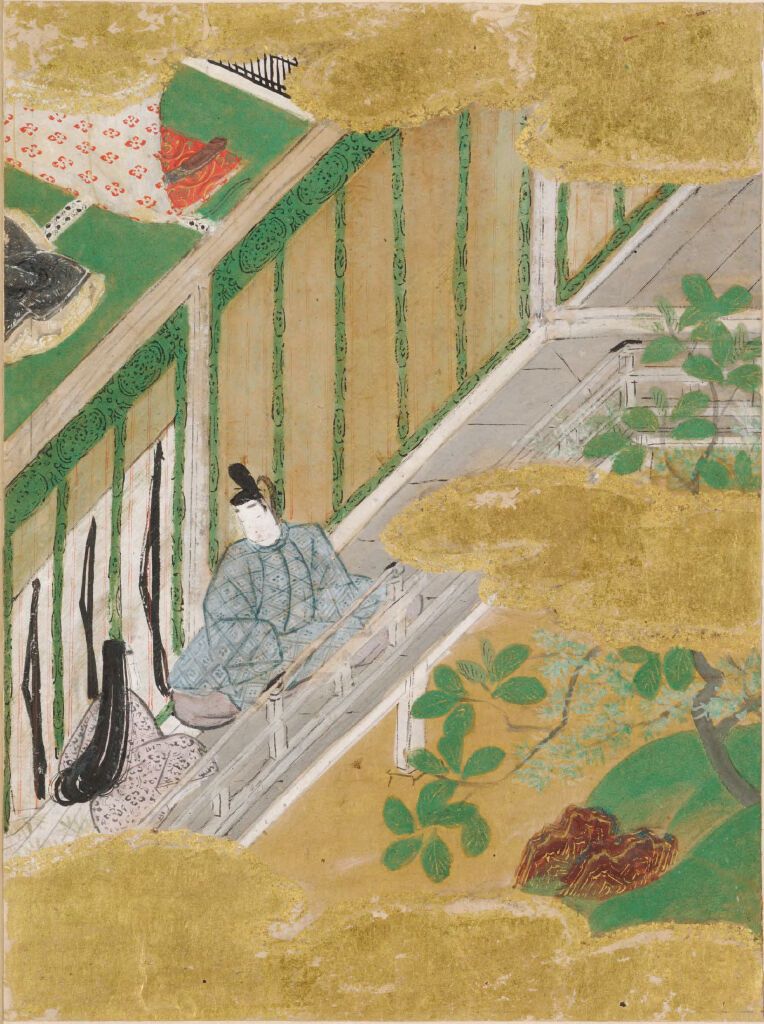
The Oak Tree (Kashiwagi), Illustration to Chapter 36 of the Tale of Genji (Genji monogatari)
Tosa Mitsunobu
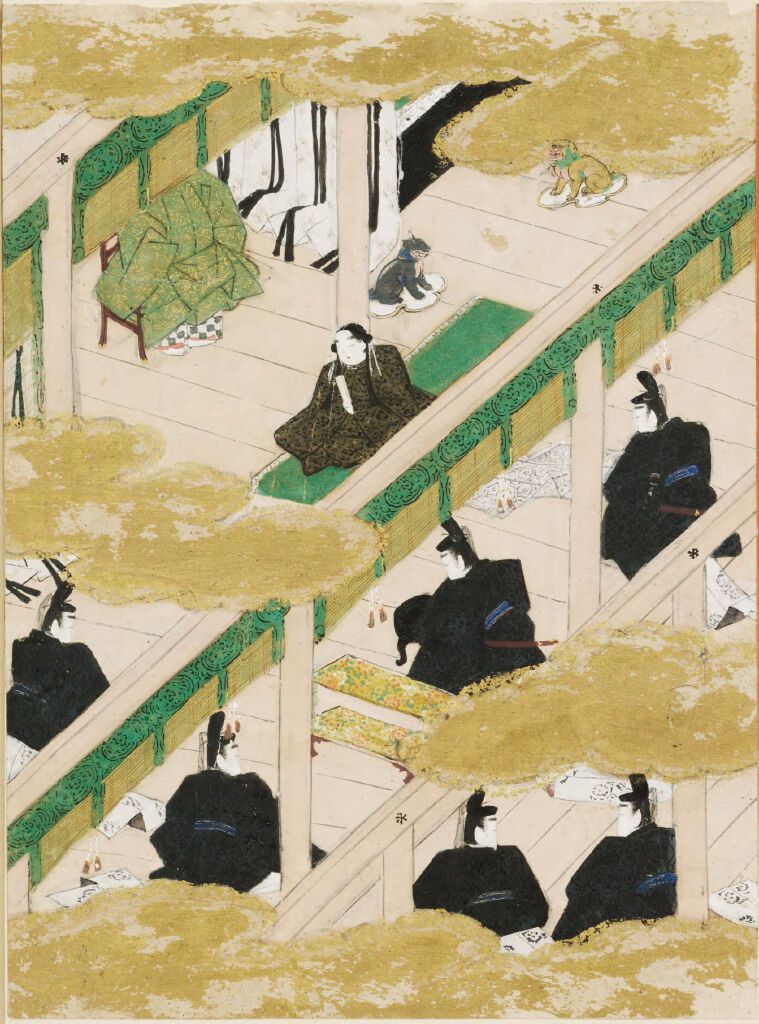
The Paulownia Pavilion (Kiritsubo), Illustration to Chapter 1 of the Tale of Genji (Genji monogatari)
Tosa Mitsunobu
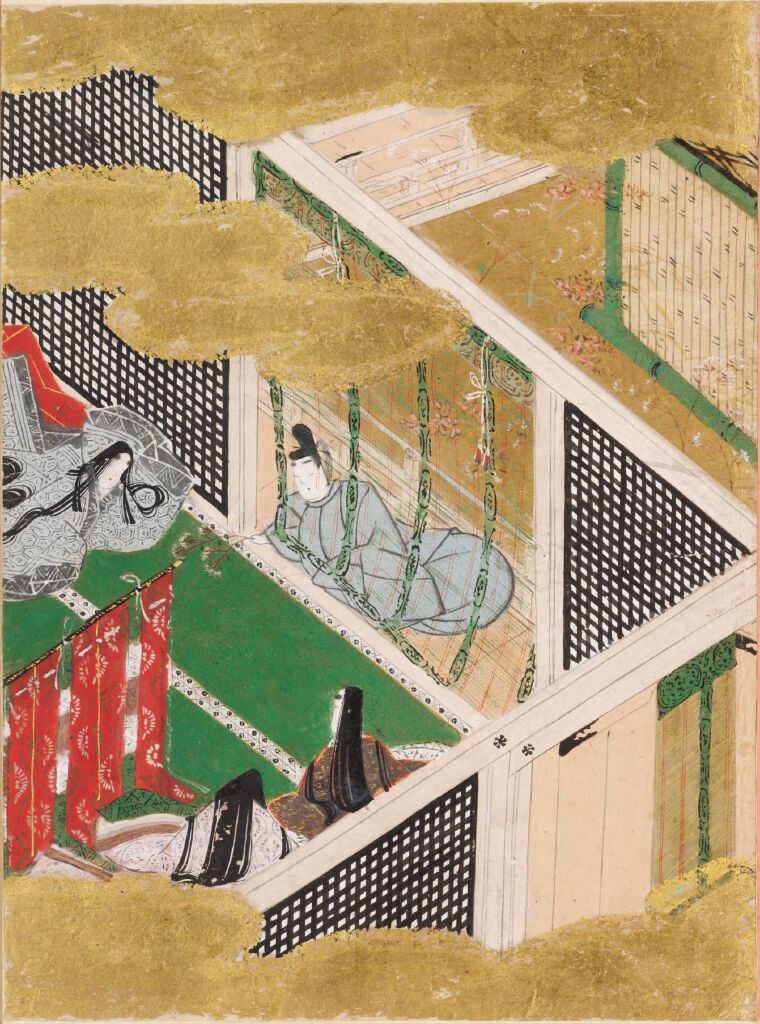
Thoroughwort Flowers (Fujibakama), Illustration to Chapter 30 of the Tale of Genji (Genji monogatari)
Tosa Mitsunobu

Under the Cherry Blossoms (Hana no En), Illustration to Chapter 8 of the Tale of Genji (Genji monogatari)
Tosa Mitsunobu

The Pilgrimage to Sumiyoshi (Miotsukushi), Illustration to Chapter 14 of the Tale of Genji (Genji monogatari)
Tosa Mitsunobu
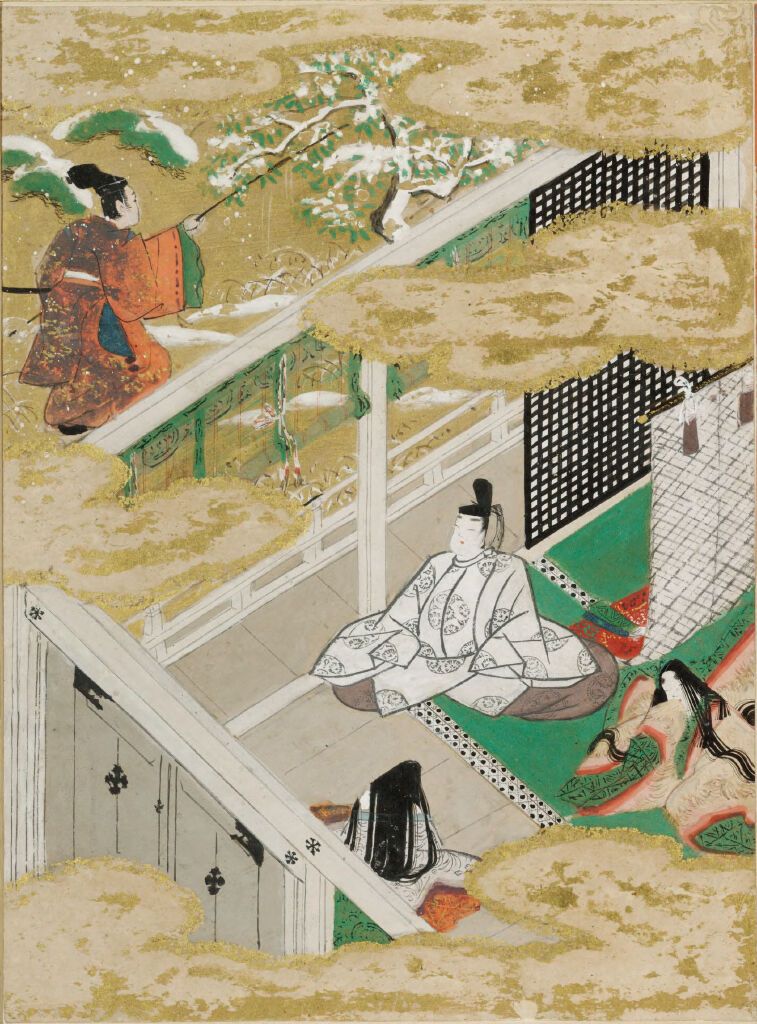
The Safflower (Suetsumuhana), Illustration to Chapter 6 of the Tale of Genji (Genji monogatari)
Tosa Mitsunobu
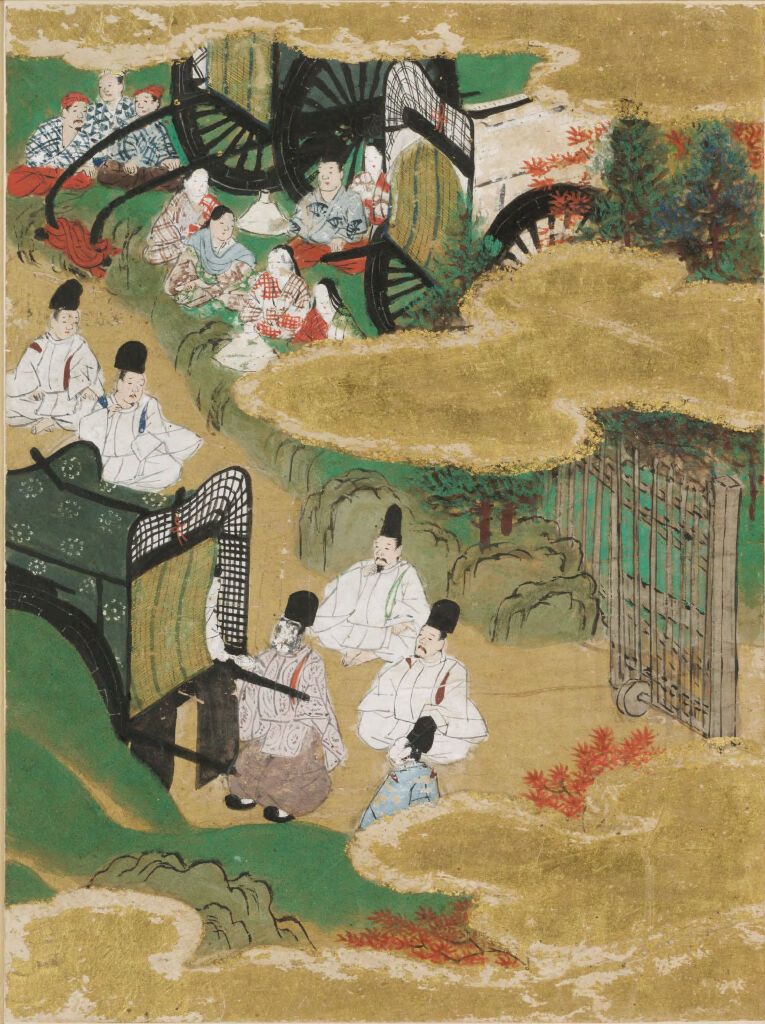
At the Pass (Sekiya), Illustration to Chapter 16 of the Tale of Genji (Genji monogatari)
Tosa Mitsunobu
Mais arte de Ilustração
Ver tudo →Falling Flowers (Hanachirusato), Illustration to Chapter 11 of the Tale of Genji (Genji monogatari)
Tosa Mitsunobu
The Cicada Shell (Utsusemi), Illustration to Chapter 3 of the Tale of Genji (Genji monogatari)
Tosa Mitsunobu
The Seer (Maboroshi), Illustration to Chapter 41 of the Tale of Genji (Genji monogatari)
Tosa Mitsunobu
The Oak Tree (Kashiwagi), Illustration to Chapter 36 of the Tale of Genji (Genji monogatari)
Tosa Mitsunobu
The Paulownia Pavilion (Kiritsubo), Illustration to Chapter 1 of the Tale of Genji (Genji monogatari)
Tosa Mitsunobu
Thoroughwort Flowers (Fujibakama), Illustration to Chapter 30 of the Tale of Genji (Genji monogatari)
Tosa Mitsunobu