
Ulica v Kežmarku — História e Análise
Did the painter know this moment would outlive them? In Ulica v Kežmarku, a quiet street scene pulses with an unspoken tension, where the weight of history looms just beneath the surface. Look to the left at the weathered facades of the buildings, each brick steeped in the stories of lives lived and lost. The muted palette of ochres and grays evokes a sense of nostalgia, as the cool light filters through the overcast sky, casting delicate shadows that dance on the cobblestones. Notice how the figures recede into the background, their hurried gestures hinting at lives interrupted, an unseen urgency threading through the air. The contrast between the seemingly calm street and the figures moving purposefully suggests a collective unease, a fear of the unknown that looms large.
There is a subtle tension in the way the characters are positioned, creating a visual dialogue of isolation amidst community. Each figure, though part of the scene, retains an emotional distance, hinting at personal fears that mirror the broader unease of the times. Created between 1908 and 1913, this work emerged during a period of significant change in Central Europe. Kövári-Kačmarik was navigating his own artistic journey, influenced by the shifting currents of modernism and the sociopolitical tensions of the era.
As European societies began to grapple with the uncertainties of modernity, the artist captured a moment that resonates deeply, echoing a shared human experience of fear and anticipation.
Mais obras de Konštantín Kövári-Kačmarik
Ver tudo →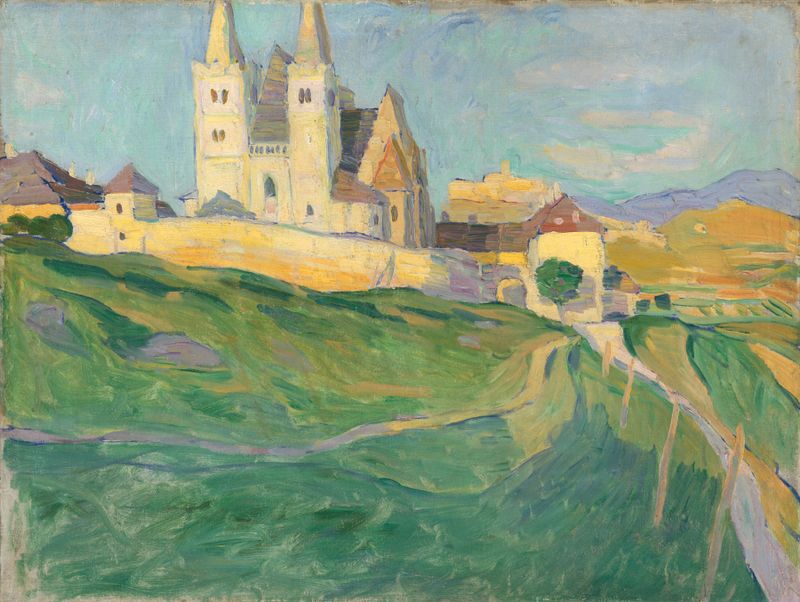
Spišská Kapitula
Konštantín Kövári-Kačmarik
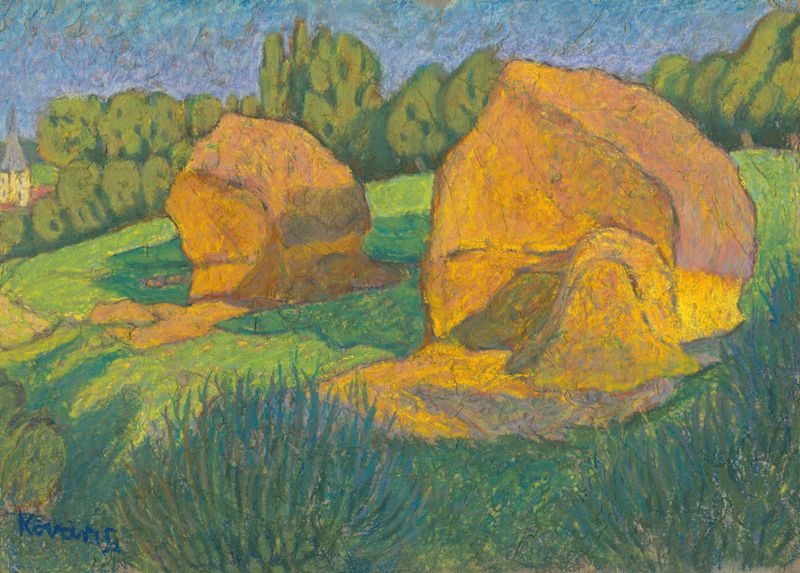
Krajina so stohmi
Konštantín Kövári-Kačmarik

Krátka ulica v Košiciach
Konštantín Kövári-Kačmarik
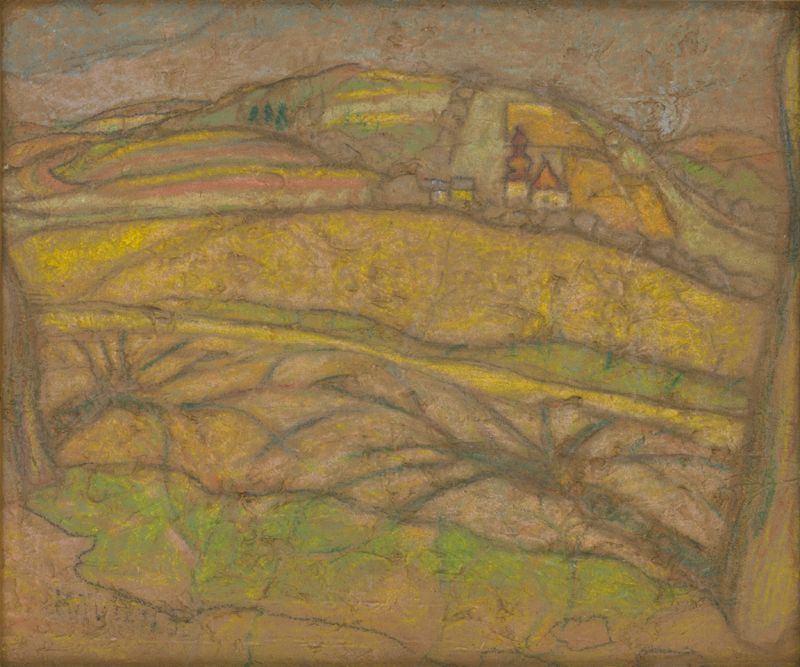
Kalvária pri Košiciach
Konštantín Kövári-Kačmarik
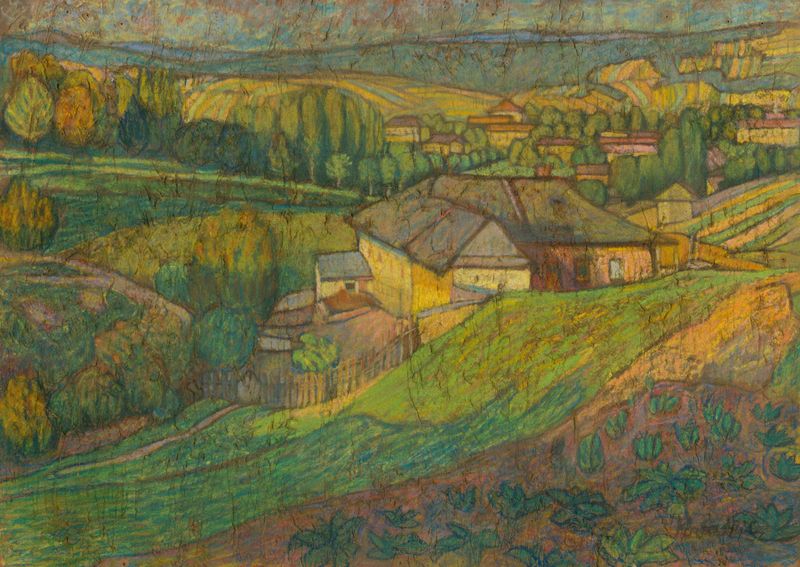
Pohľad na Kalváriu
Konštantín Kövári-Kačmarik
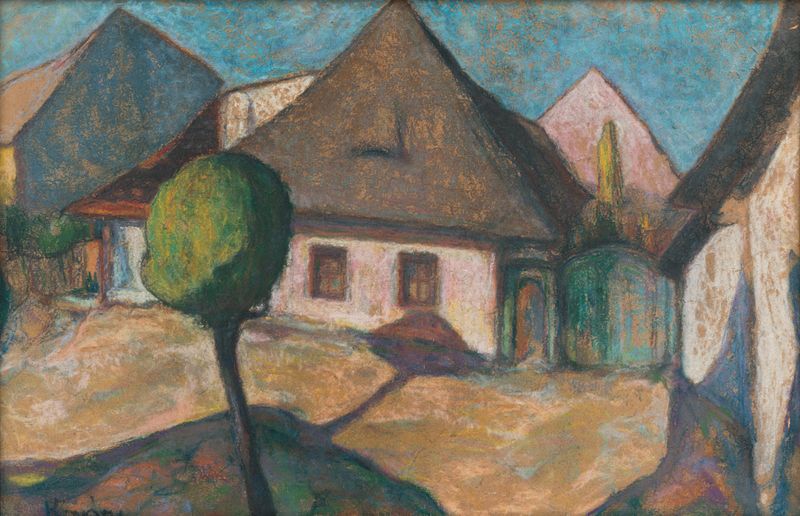
Old Košice
Konštantín Kövári-Kačmarik
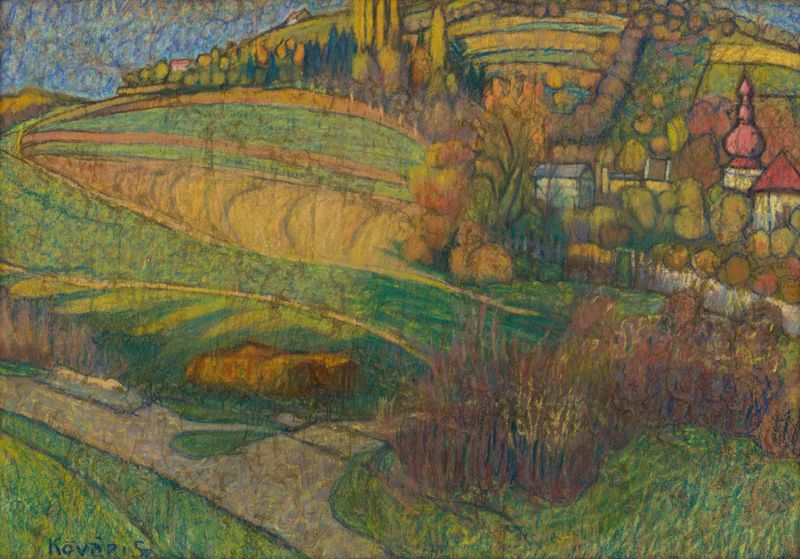
Krajina
Konštantín Kövári-Kačmarik

Krajina
Konštantín Kövári-Kačmarik
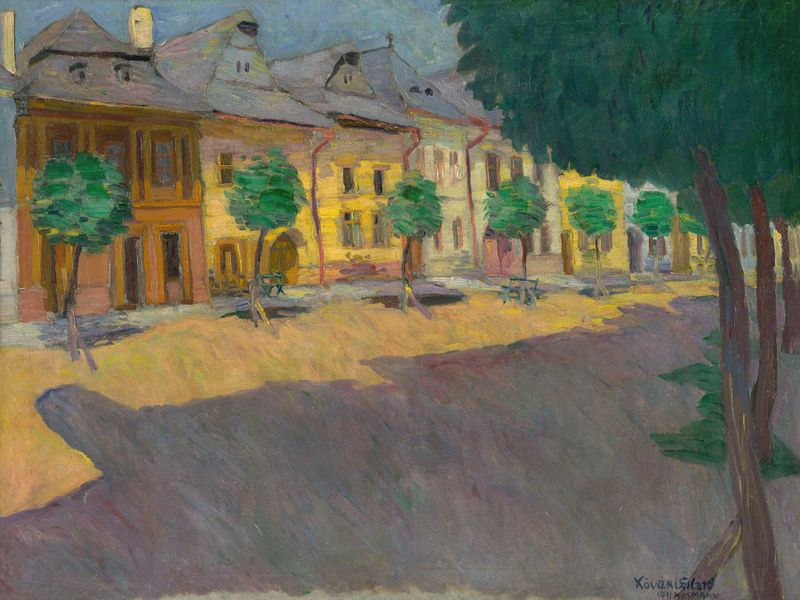
Ulica v Kežmarku
Konštantín Kövári-Kačmarik
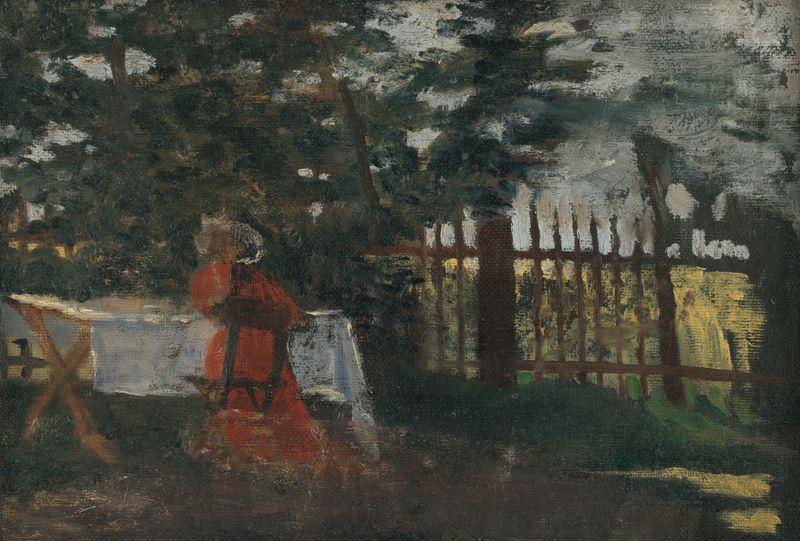
V záhrade
Konštantín Kövári-Kačmarik





