
Union Square, Winter (Washington Monument) — História e Análise
In Union Square, Winter, a layer of obsession unfurls, beckoning the viewer into the depths of a brisk winter day. Look to the foreground where pedestrians, bundled in heavy coats, navigate the snowy expanse of Union Square. Notice how the soft, muted palette of whites and grays is punctuated by the warm golden tones of lamplight, illuminating the figures and casting long, playful shadows. The composition draws you in, with the grand silhouette of the Washington Monument rising majestically in the background, a stark contrast to the bustling life below.
Each detail, from the delicate snowflakes to the faint trails left by skaters, invites contemplation on the serenity and chaos of urban existence. As you explore further, consider the emotional tension between solitude and community depicted in this scene. The clusters of figures convey a sense of shared experience yet highlight individual isolation amidst the crowd. The interplay of light and shadow serves as a metaphor for the dualities of winter—harshness juxtaposed with beauty, and the warmth of human connection against the chill of the season.
It is this intricate dance that captures the artist's obsession with the nuances of life in the city. Theodore Robinson painted Union Square, Winter between 1894 and 1895 while living in New York City. This period marked a time of personal exploration and professional development for Robinson, as he sought to blend Impressionist techniques with the vibrancy of American urban life. Emerging from the influence of European masters, he carved his own path, celebrating the moments of modernity that defined the era.
Mais obras de Theodore Robinson
Ver tudo →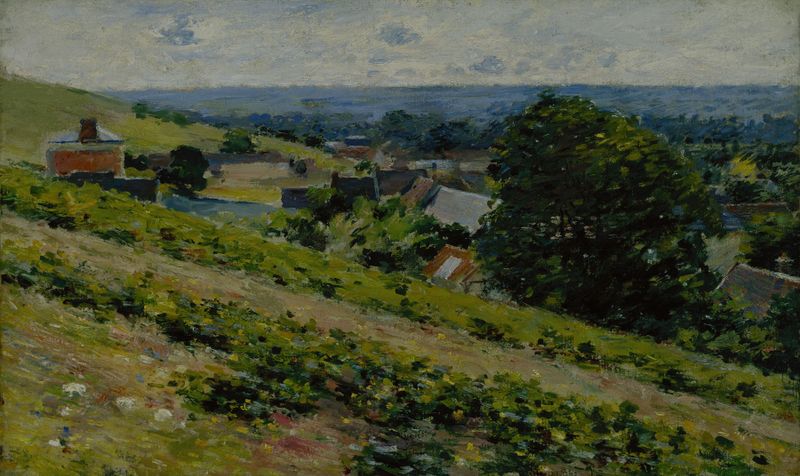
From the Hill, Giverny
Theodore Robinson

Giverny
Theodore Robinson

Old Church At Giverny
Theodore Robinson
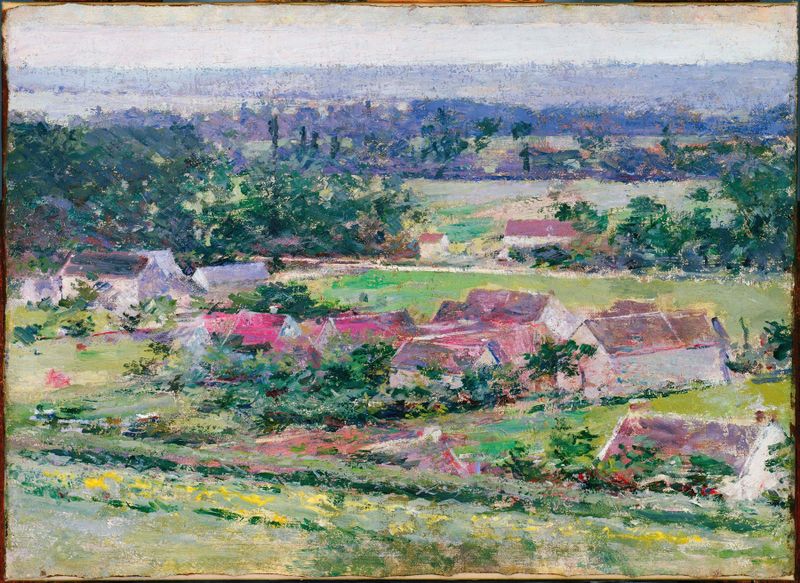
Giverny
Theodore Robinson
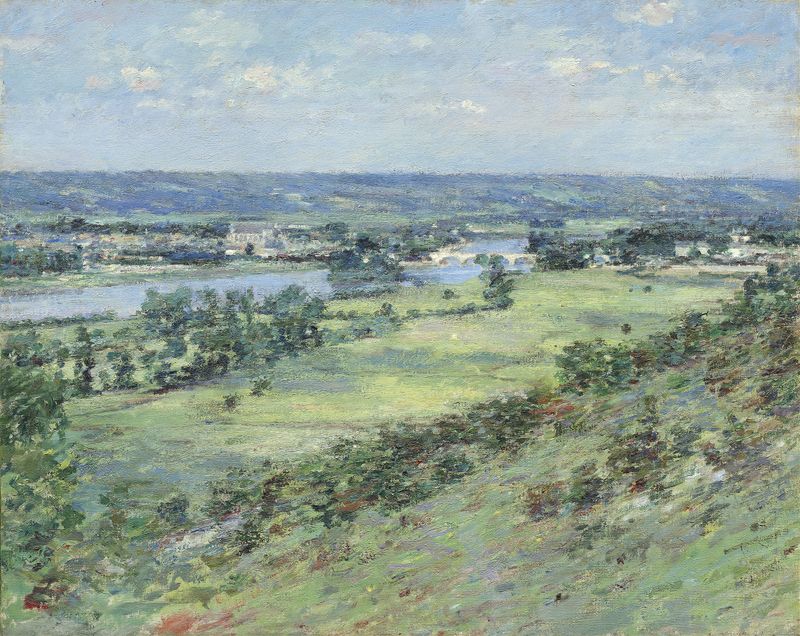
The Valley of the Seine,from the Hills of Giverny
Theodore Robinson
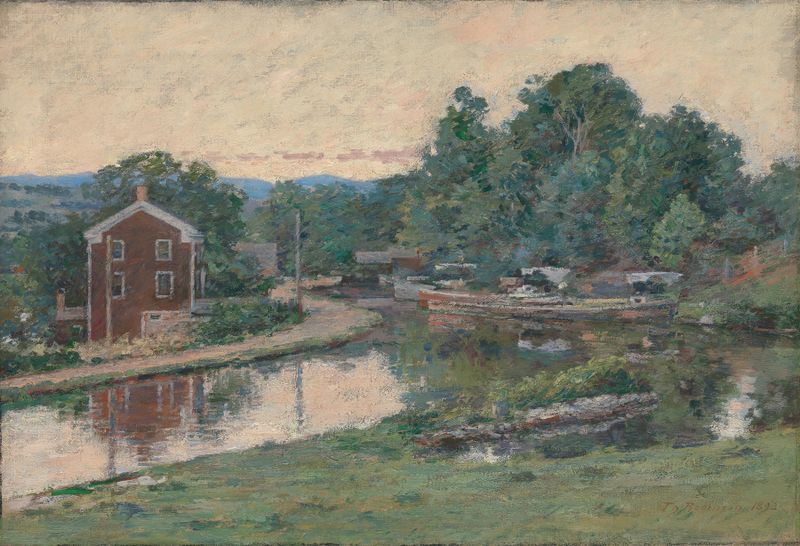
Evening at the Lock, Napanoch, New York
Theodore Robinson
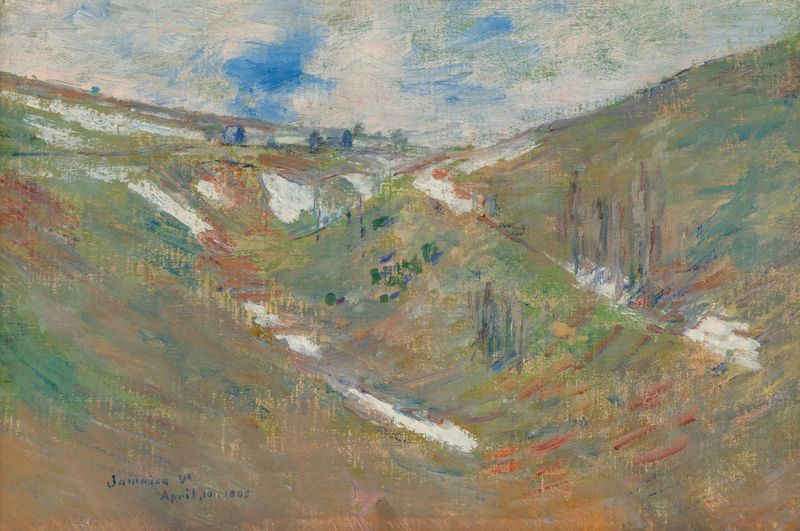
Jamaica, Vermont
Theodore Robinson
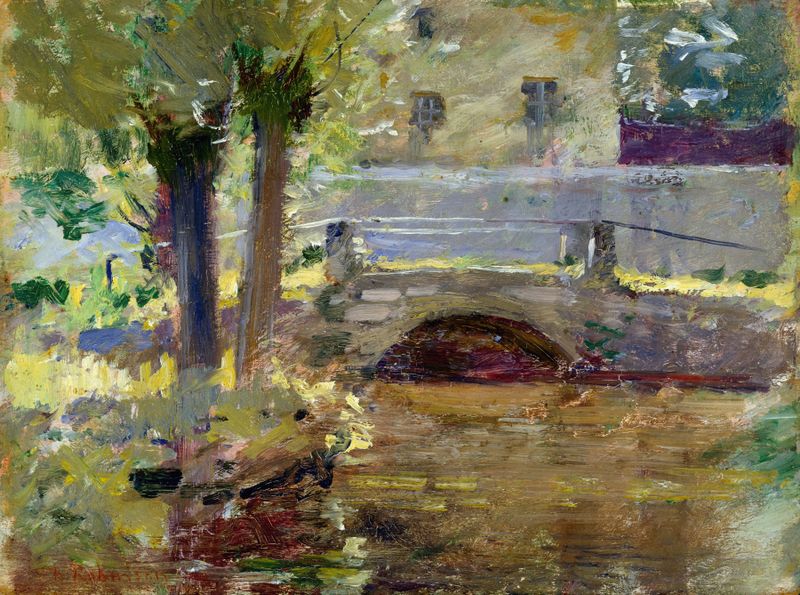
The Bridge at Giverny
Theodore Robinson

House In Virginia
Theodore Robinson
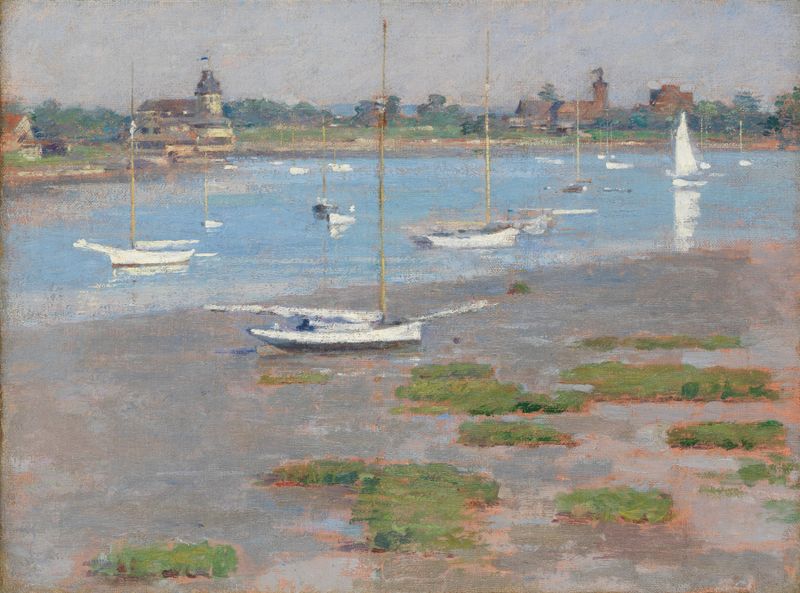
Low Tide, Riverside Yacht Club
Theodore Robinson





