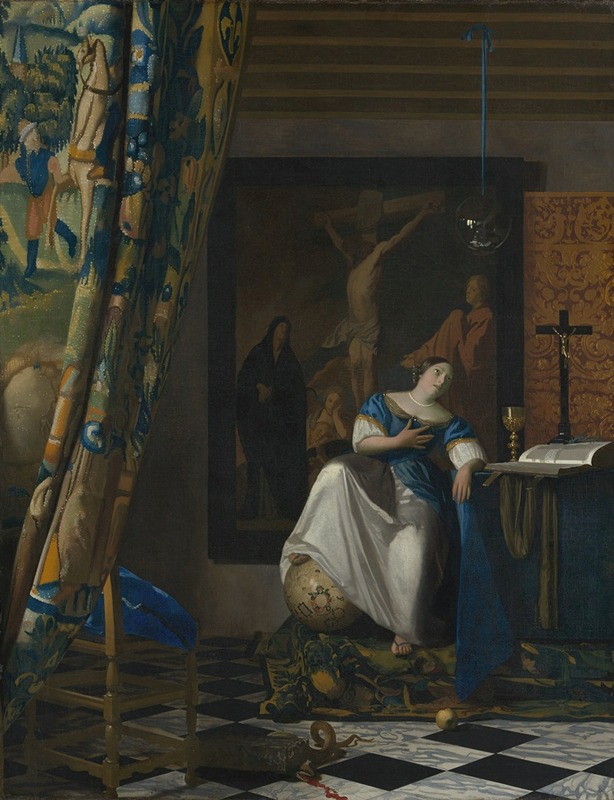
Uur van de Dood — História e Análise
Can paint confess what words never could? In Uur van de Dood, light becomes a silent witness to the profound themes of mortality and division, illuminating a moment that speaks volumes beyond the canvas. Focus on the ethereal glow draping over the central figure, a skeleton holding an hourglass, symbolizing the fleeting nature of life. The contrast of deep, somber hues surrounding the stark white of the skull draws the eye immediately, creating a tension that feels almost palpable. Notice how the light dances across the contours of the figures, highlighting the delicate fabric of their clothing against the bone-chilling presence of death, which looms in the shadows. Within the intricate details, the viewer can uncover the duality of existence—the vibrant life of the richly clad figures in stark juxtaposition to the ominous skeletal reminder of their fate.
The hourglass acts as a poignant reminder of time’s relentless march, enhancing the emotional weight of the scene. Each brushstroke encapsulates the fragility of life, layered with an unspoken dread and acceptance that resonates deeply within the human experience. Ferdinand Bol created Uur van de Dood between 1642 and 1644, during a period marked by profound exploration in Dutch painting. As a pupil of Rembrandt, he was influenced by the chiaroscuro technique that emphasized the interplay of light and shadow.
In this era, Bol navigated the complexities of fame and artistic identity, establishing his reputation while reflecting on the moral themes that defined Baroque art—a testament to both personal and cultural reckonings with mortality.
Mais obras de Ferdinand Bol
Ver tudo →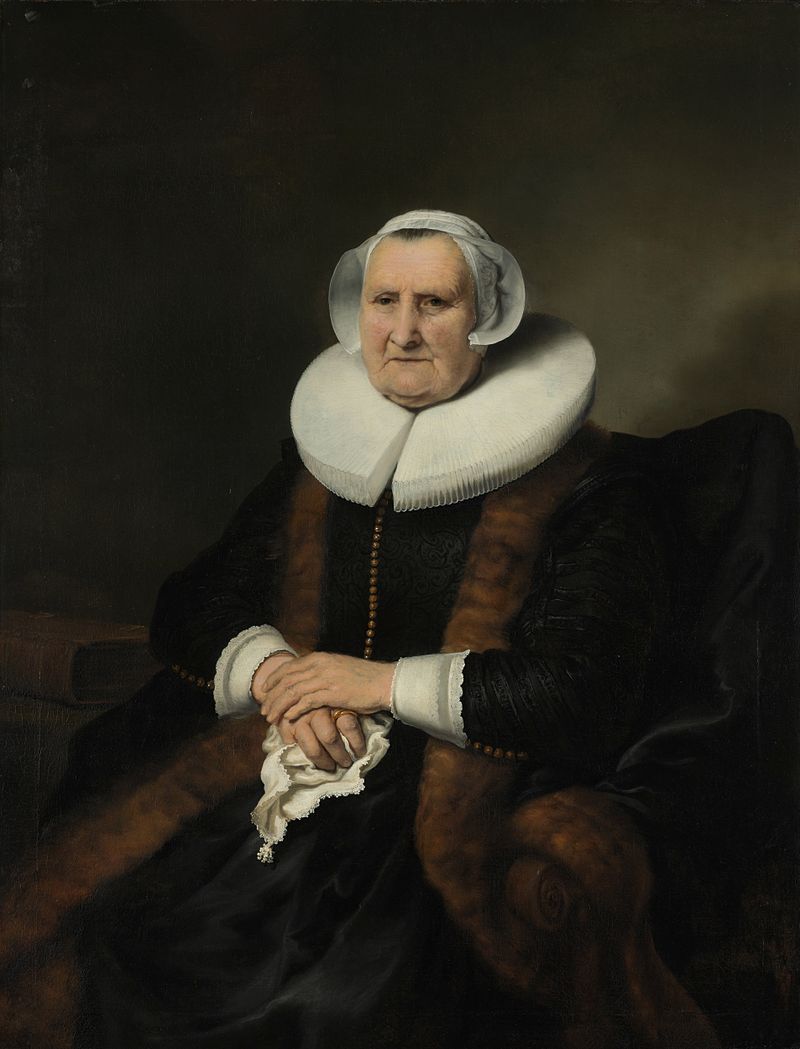
Portrait of an Old Lady, possibly Elisabeth Bas
Ferdinand Bol
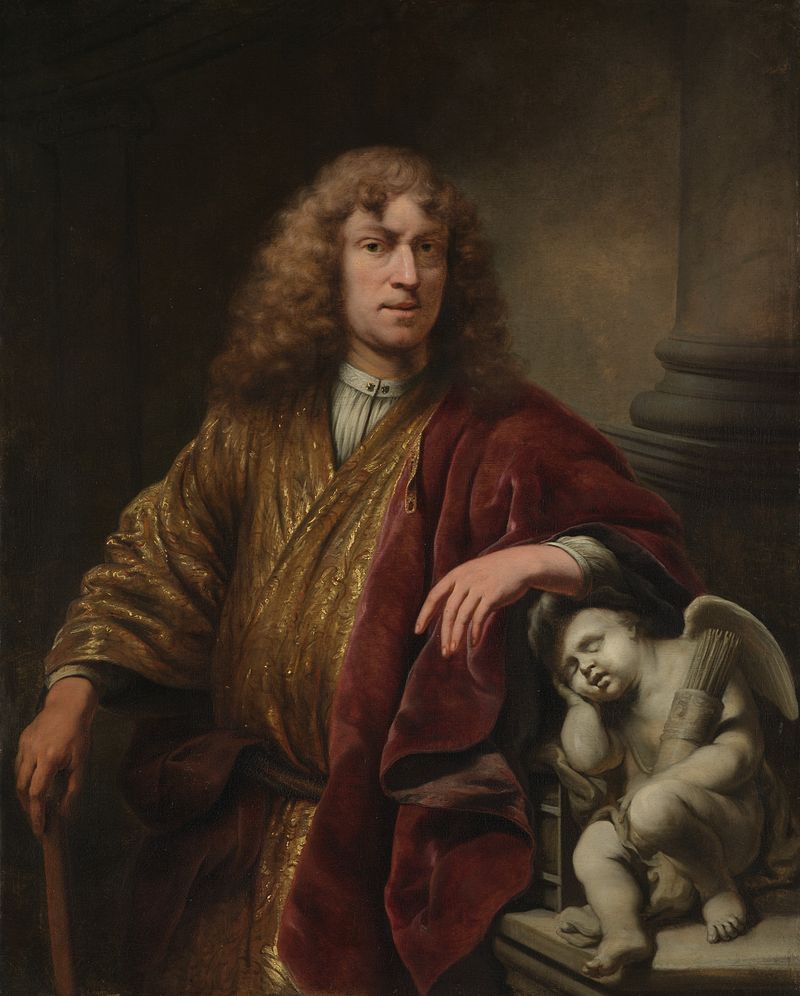
Self-Portrait
Ferdinand Bol

Portrait of Roelof Meulenaer
Ferdinand Bol
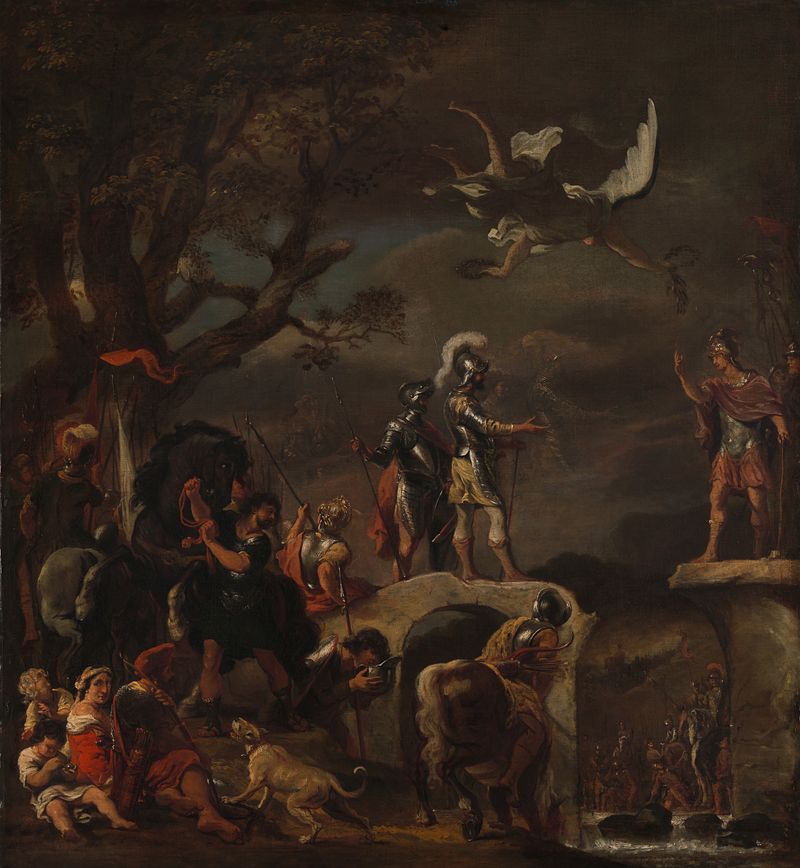
The Peace Negotiations between Claudius Civilis and Quintus Petillius Cerealis on the Demolished Bridge.
Ferdinand Bol
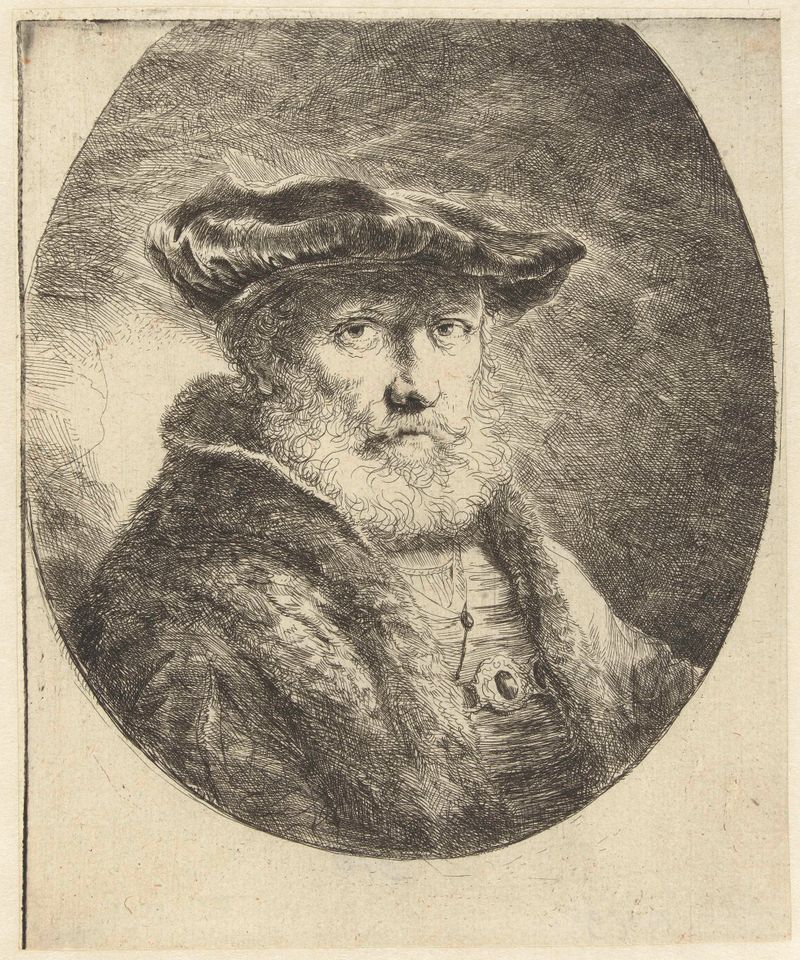
Buste van een oude man met fluwelen baret
Ferdinand Bol

Zelfportret
Ferdinand Bol
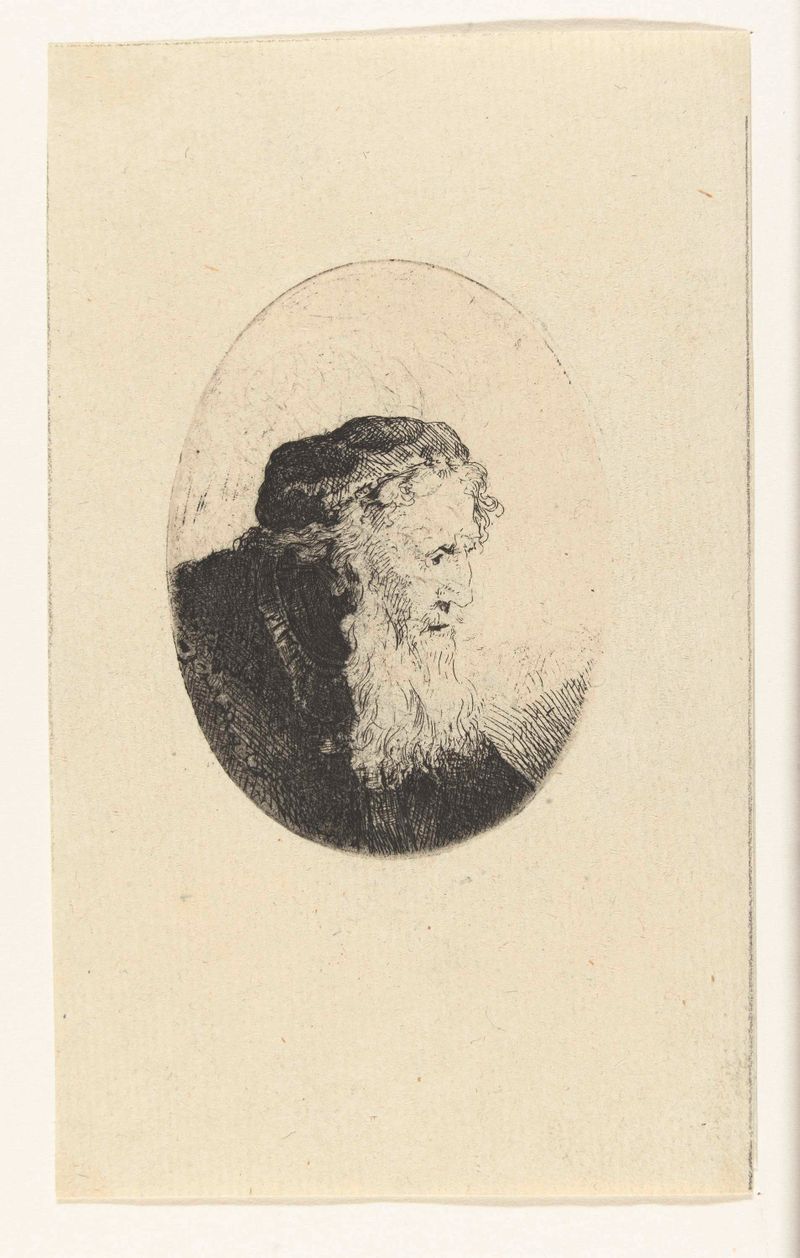
Oude man met baard
Ferdinand Bol

Jozef stelt zijn vader aan de Farao voor
Ferdinand Bol

Venus and Adonis
Ferdinand Bol

Filosoof
Ferdinand Bol