Vier kalkoenen — História e Análise
In the quiet stillness of reflection, we find ourselves drawn into a memory, nestled between reality and imagination. Look to the left at the four turkeys, their feathers a tapestry of browns and iridescent greens, shimmering under the soft, diffused light. The artist's meticulous attention to detail reveals each feather's texture, creating an almost tactile experience. Notice how the composition is grounded by the earthy palette, with the turkeys positioned thoughtfully against a muted background, allowing their forms to emerge with clarity and presence. The interplay of light and shadow reveals more than mere birds; it hints at the passage of time and the fragility of existence.
Each turkey, with its proud stance, carries a silent narrative, perhaps symbolizing abundance or the inevitability of change. This simplicity belies a deeper commentary on life, offering a juxtaposition between nature's vibrancy and the stillness captured on canvas. One can almost sense the weight of the moment as these creatures embody a fleeting watchfulness, caught in a singular point of existence. In the mid-17th century, Wenceslaus Hollar created Vier kalkoenen while in the Netherlands, a time when he was prompted by the rich natural surroundings.
This period marked a significant evolution in still-life painting, bridging the gap between the intricate detail of earlier works and the emerging styles that would later dominate European art. Hollar's focus on the intimate portrayal of ordinary subjects reflects both his personal experiences and the broader artistic currents of his time.
Mais obras de Wenceslaus Hollar
Ver tudo →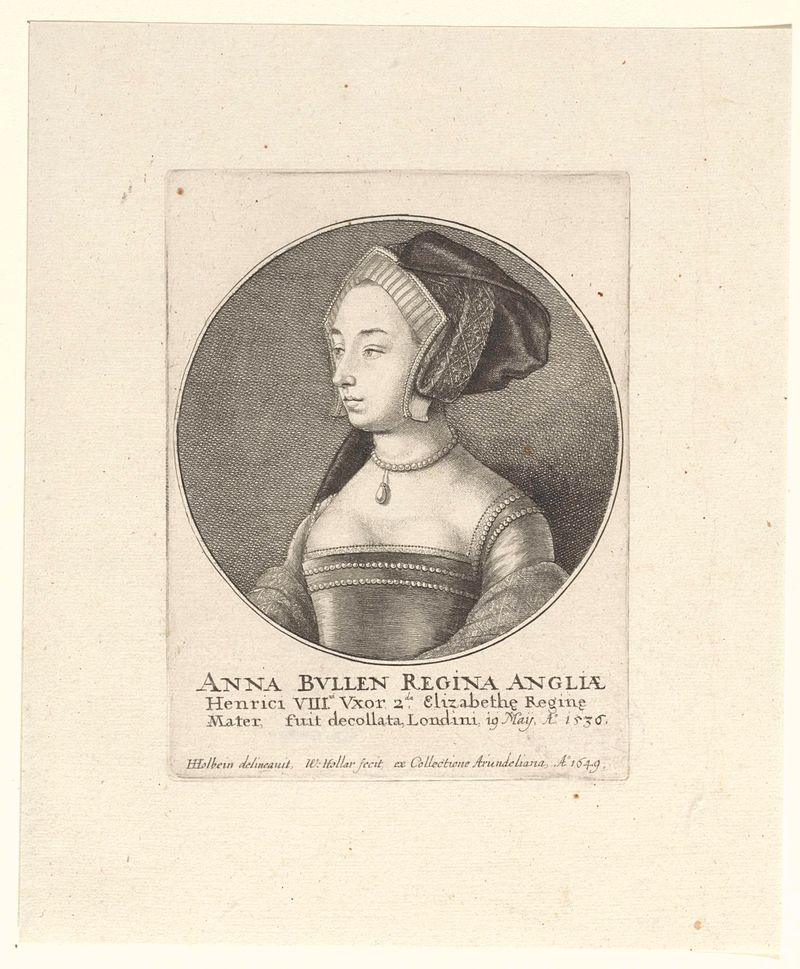
Portret van Anna Boleyn, koningin van Engeland
Wenceslaus Hollar
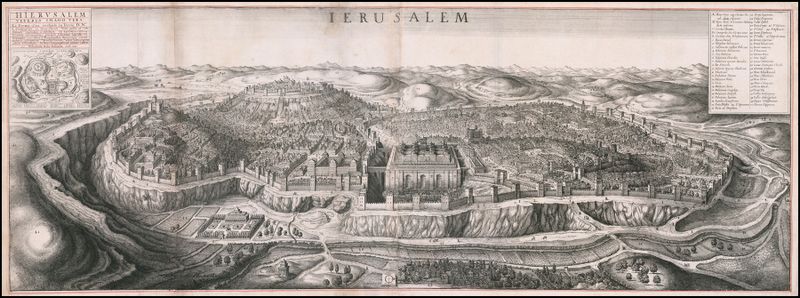
Bird’s eye view of Jerusalem
Wenceslaus Hollar
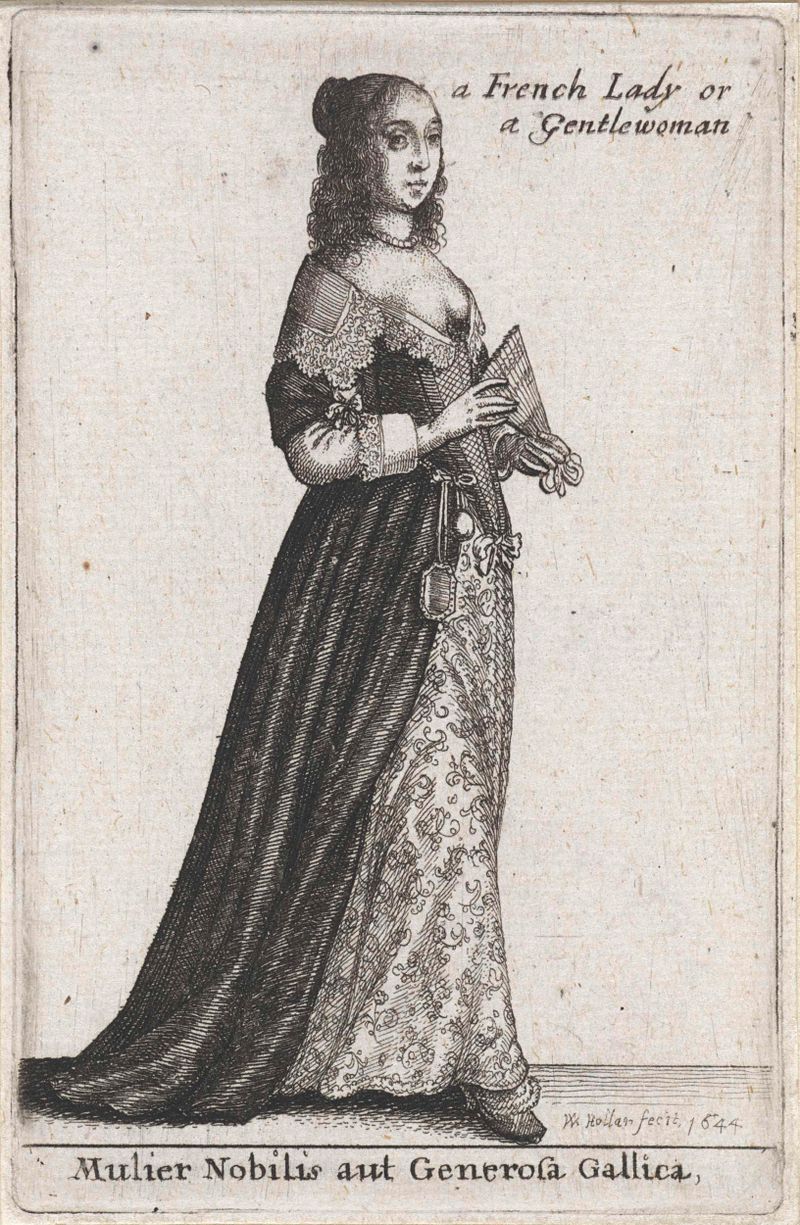
Mulier Nobilis aut Generosa Gallica / a French Lady or Gentlewoman
Wenceslaus Hollar
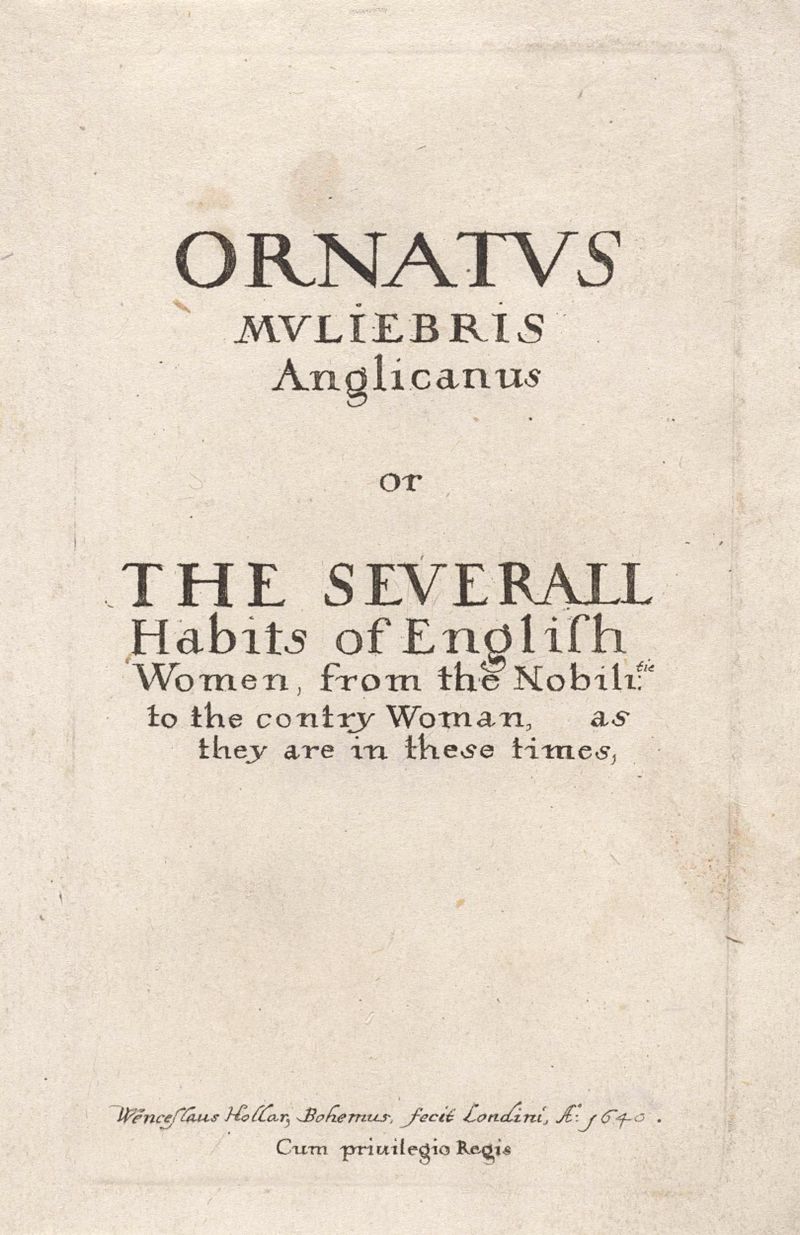
Titelprent voor: Ornatus Muliebris Anglicanus
Wenceslaus Hollar
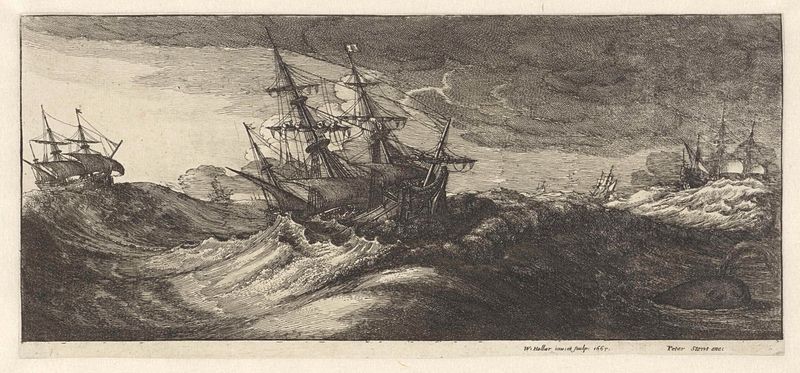
Oorlogsschepen en een walvis in een zeestorm
Wenceslaus Hollar
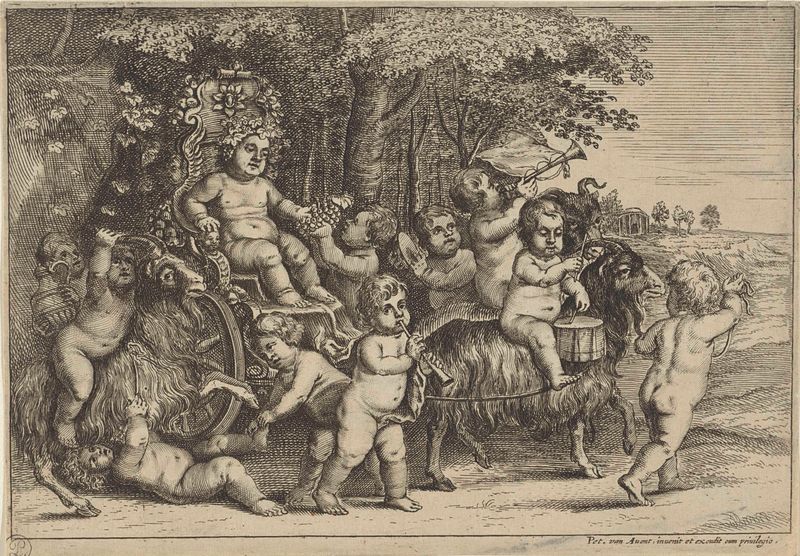
Optocht van bacchant en jongetjes op geiten
Wenceslaus Hollar
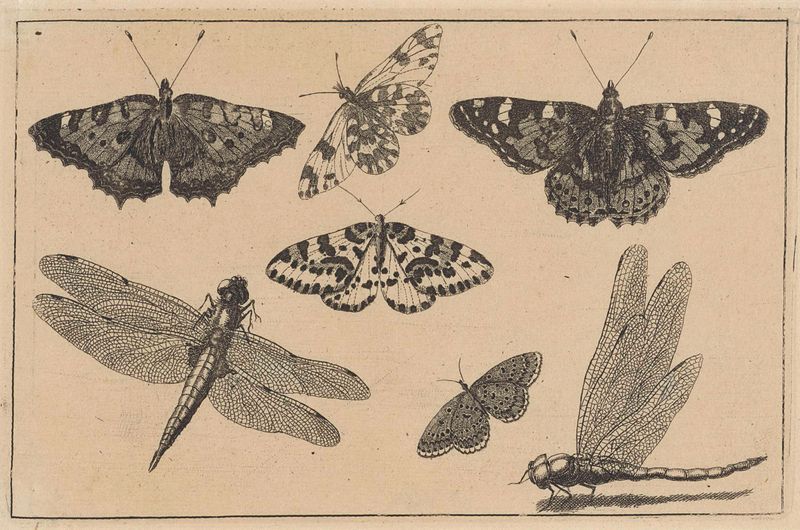
Twee libellen en vijf vlinders
Wenceslaus Hollar
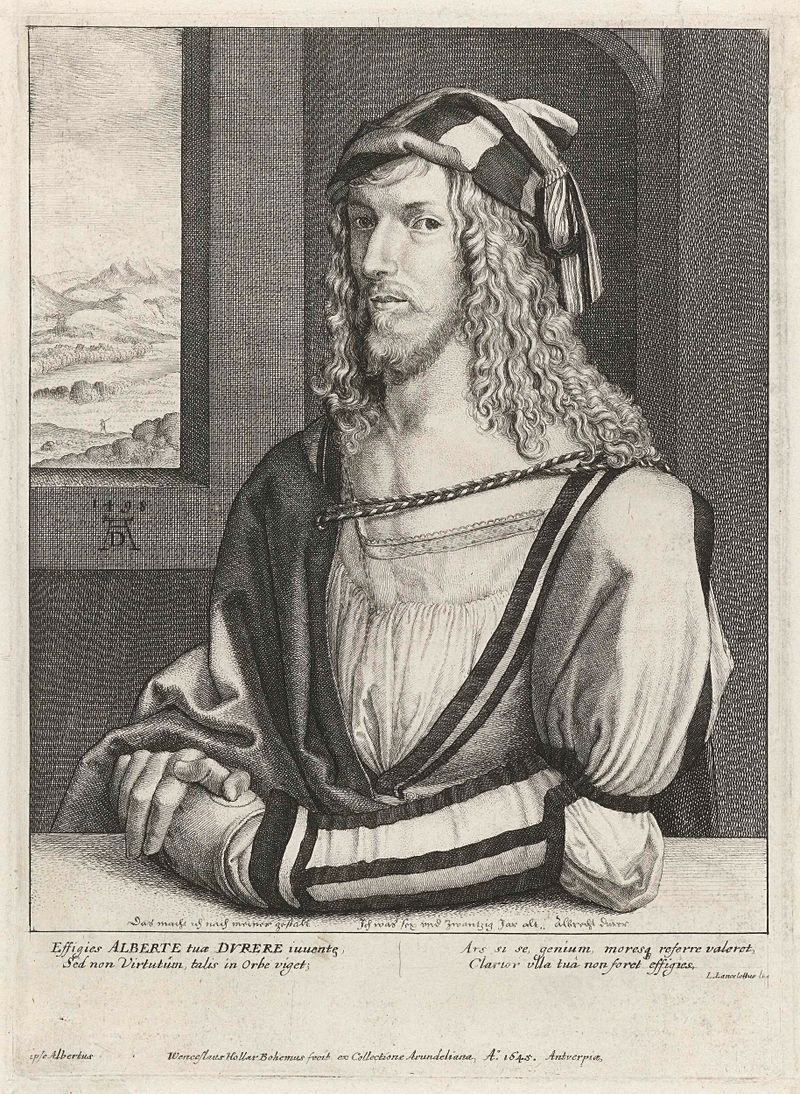
Portret van Albrecht Dürer
Wenceslaus Hollar
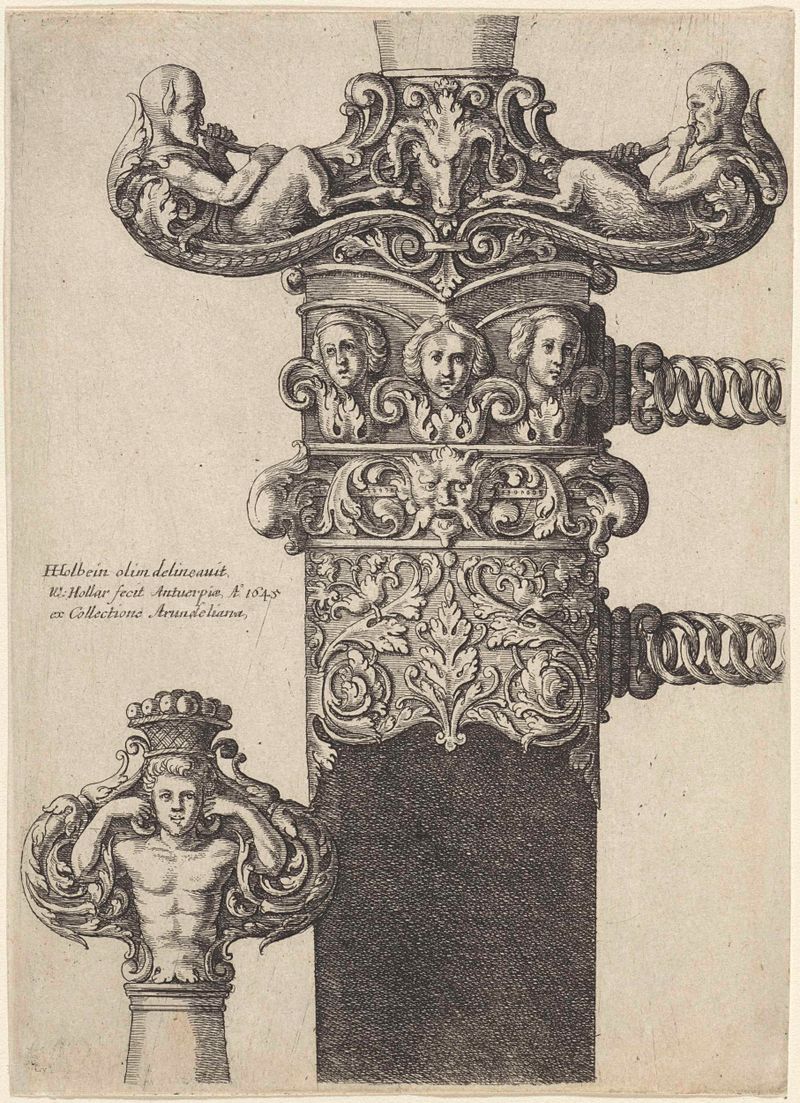
Ornamenteel ontwerp voor een dolk
Wenceslaus Hollar
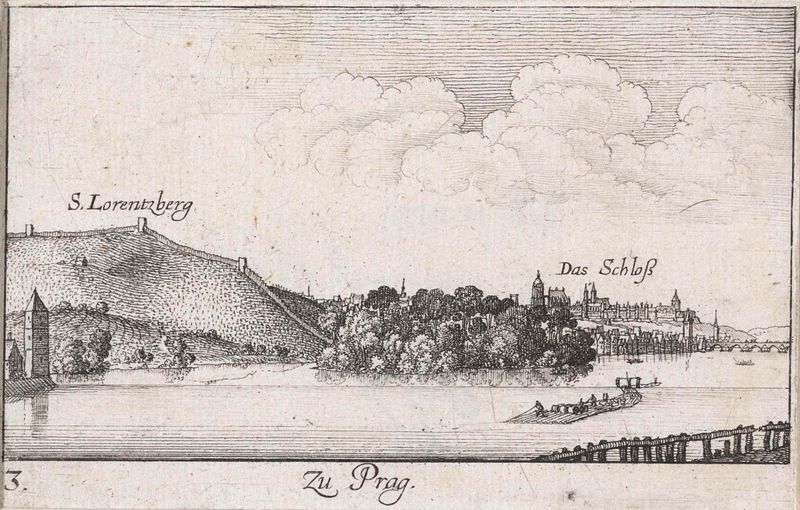
Gezicht op Praag vanaf de Moldau
Wenceslaus Hollar