
Wintergezicht — História e Análise
How do the quiet moments of life echo in the starkness of winter? In Wintergezicht, the scene unfolds like a whispered secret, revealing the intricate dance between nature and the human spirit. Look to the left at the gently frosted trees, their branches silhouetted against a muted sky. The cool palette of whites and blues establishes a serene yet desolate atmosphere. Notice the figures skating on the ice, their vivid garments providing a striking contrast to the wintry backdrop.
The careful application of light, filtered through the clouds, highlights the delicate textures of the snow, inviting the viewer to step into this frozen moment. In the foreground, a solitary figure—perhaps a laborer or a villager—gazes at the skaters, embodying a poignant mixture of solitude and longing. The painting contrasts the liveliness of human activity against the stillness of winter, symbolizing the tension between the vibrancy of life and the inevitability of time's passage. The skaters’ joyful abandon juxtaposes the quiet observer’s reflective stance, hinting at the unspoken revolutions within ordinary lives. Jan van de Cappelle painted Wintergezicht during a time of artistic evolution in the Netherlands, specifically between 1634 and 1700.
This era was marked by the emergence of genre painting and the exploration of landscapes, with artists seeking to capture the essence of daily life and the natural world. Van de Cappelle’s work reflects this shift, as he navigated personal and societal transitions, crafting a piece that resonates with both beauty and contemplation.
Mais obras de Jan van de Cappelle
Ver tudo →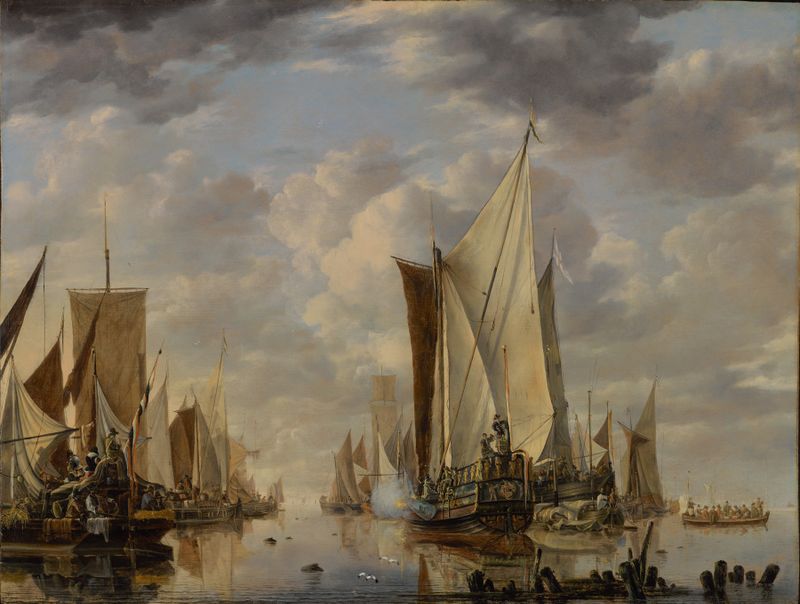
Shipping in a Calm at Flushing with a States General Yacht Firing a Salute
Jan van de Cappelle

Ships in a Calm
Jan van de Cappelle

The Home Fleet Saluting the State Barge
Jan van de Cappelle
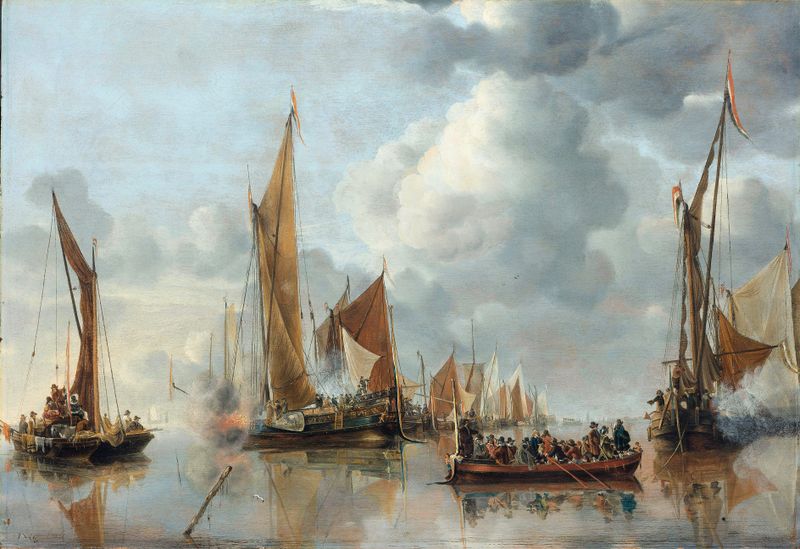
The Home Fleet Saluting the State Barge
Jan van de Cappelle
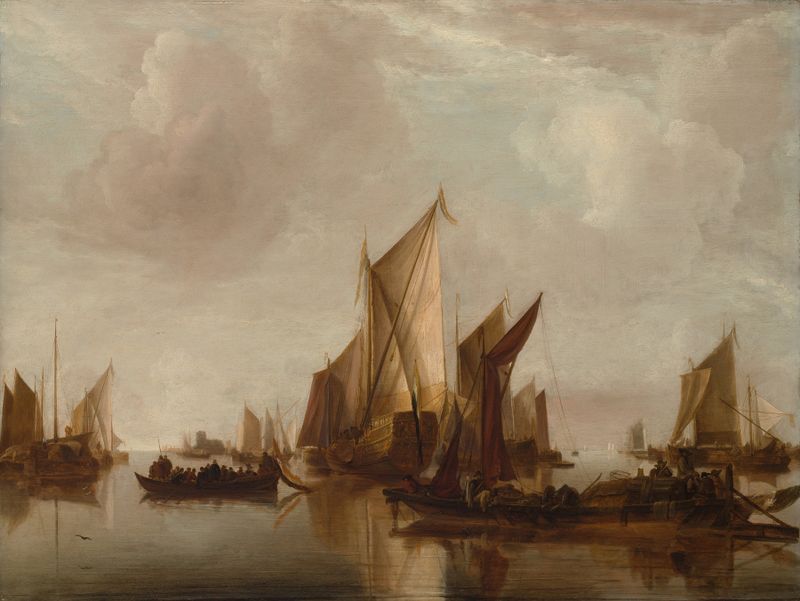
A State Yacht and Other Craft in Calm Water
Jan van de Cappelle
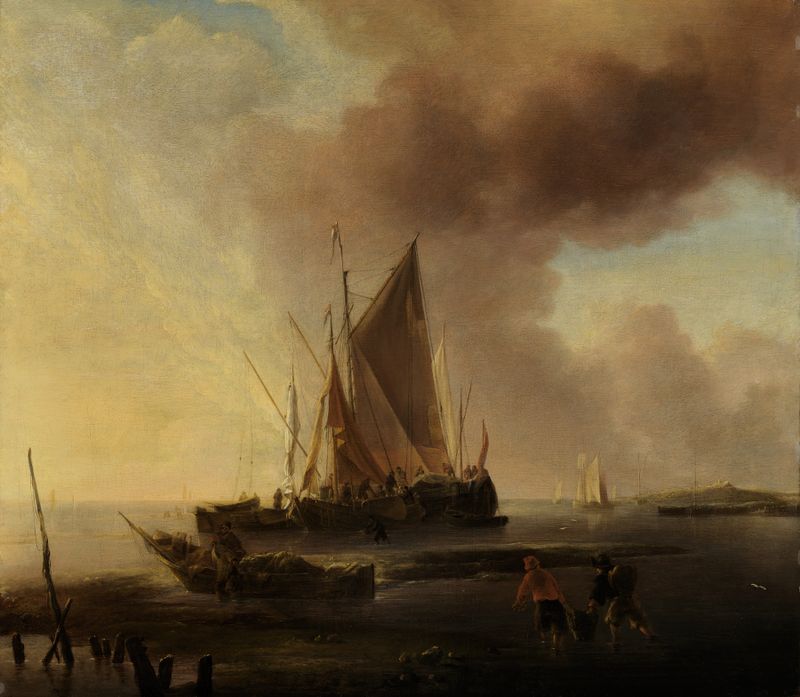
Fischerboote am Strand
Jan van de Cappelle
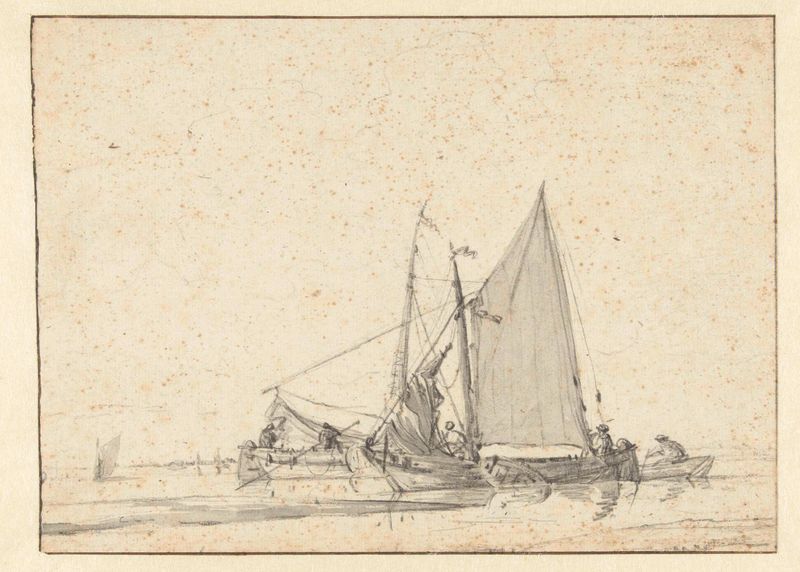
Twee schepen in stil water
Jan van de Cappelle
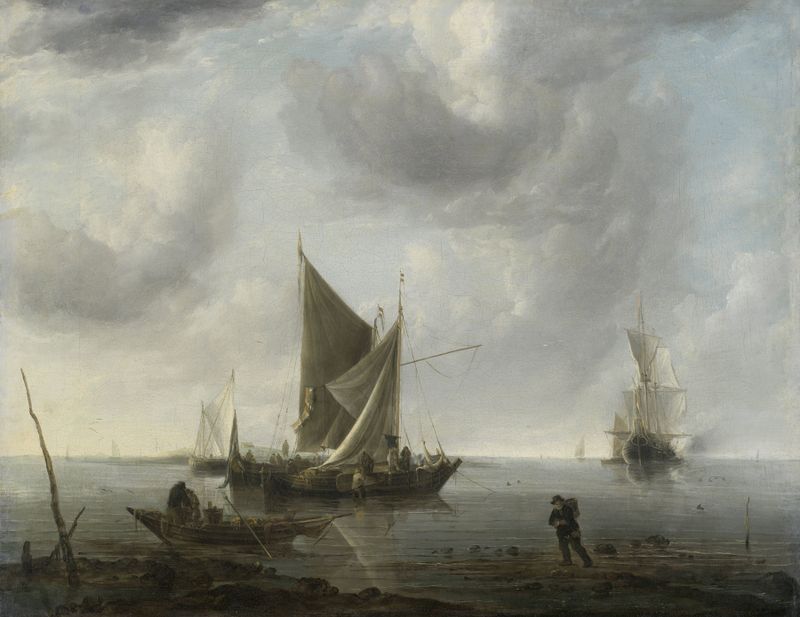
Ships at Anchor on a Quiet Sea
Jan van de Cappelle
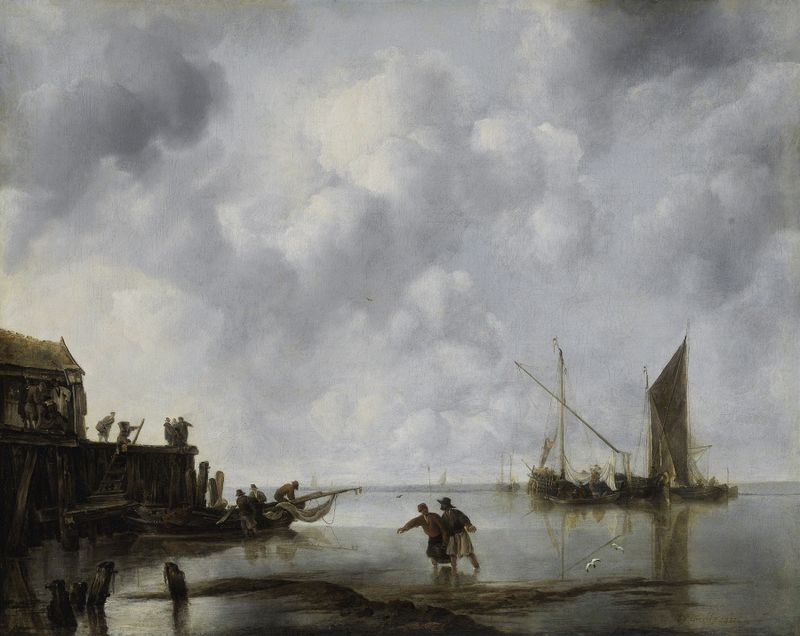
Fishing Boats in a Calm
Jan van de Cappelle

Winter Landscape With A Man Fixing A Sled At The Edge Of A Frozen River
Jan van de Cappelle





