Yellow House — História e Análise
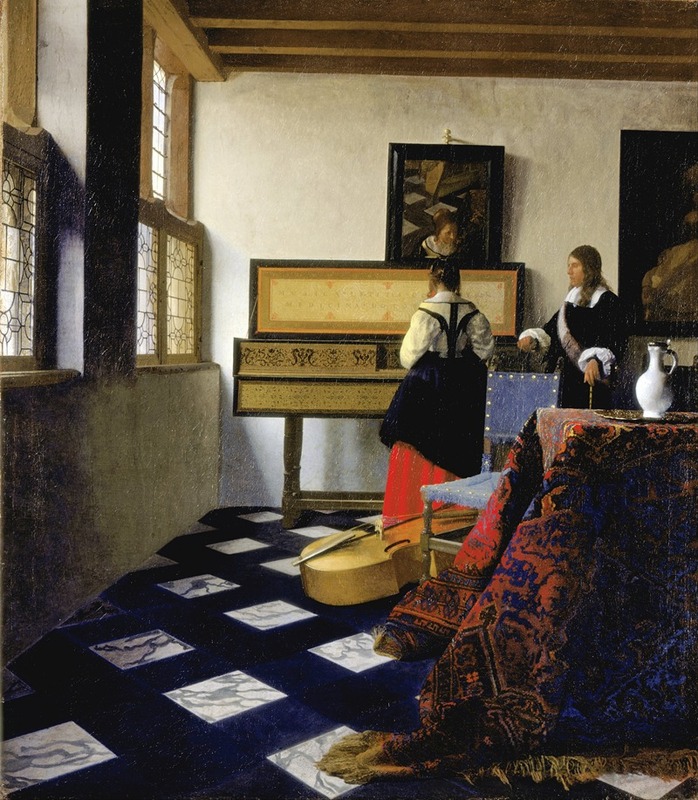
In Yellow House, the illusion of a tranquil domestic space beckons the viewer, inviting them to peer beyond the canvas into a world of warmth and introspection. Focus on the vibrant hues that wash over the structure, with splashes of yellow igniting the facade against a backdrop of deepening twilight. Notice how the light plays with shadows, creating a dance of warmth and melancholy, as the windows flicker with the ghosts of lives lived within. The brushwork exhibits a rich texture that breathes life into every corner, making the house feel like a character in its own narrative. Yet, this captivating illusion hints at deeper tensions.
The choice of yellow, often associated with joy, stands in stark contrast to the encroaching darkness of the evening sky, whispering of fleeting warmth and the inevitable approach of night. Is this house a sanctuary or a prison? The juxtaposition of light and shadow captures a moment suspended between safety and vulnerability, calling into question the reality behind the comforting facade. In 1940, Joseph Thomas Williams painted Yellow House while living in a world teetering on the brink of war. The art scene was evolving, transitioning from the traditional to the modern, reflecting societal changes.
Williams sought to express not just the physical structure but the emotional resonance of home, as the turbulence of the era shaped the narratives of many artists.