
Zipporah circumcising Her Son — História e Análise
In the stillness of a moment captured, awe breathes life into the canvas, preserving emotions that words often fail to convey. The viewer is invited to witness an act of profound significance, a blend of devotion and sacrifice, etched in brushstrokes that linger in memory. Focus your gaze on the center of the composition where Zipporah stands, resolute and protective. Her figure is draped in rich fabrics, their deep hues contrasting with the pale skin of her child.
Notice how the light delicately frames her face, illuminating the intensity of her expression, while shadows dance around the edges, creating a sense of urgency. The arrangement of shapes guides us to the child, intricately entwined in the gravity of the moment, evoking a visceral reaction to the delicate interplay of life and culture. Underlying this poignant scene are the tensions of identity and faith, expressed in the careful details. The child's small hand reaches toward his mother, symbolizing the deep bond and the sacrifice required for his future.
Meanwhile, the sharp object held in Zipporah’s hand suggests the pain of tradition, tapping into the struggle between personal longing and societal expectation. Such contrasts deepen the emotional landscape, drawing us into the narrative of survival and belonging. Created between 1640 and 1690, the artist was immersed in a period where Baroque sensibilities flourished, and religious themes dominated European art. This context allowed for the exploration of intense emotional subjects, as artists sought to depict the divine intertwined with the human experience.
The choice of such a profound subject reflects not only personal convictions but also the era's dialogue between spirituality and everyday life.
Mais obras de Antonie Waterloo
Ver tudo →
Gezicht op het dorp Soest
Antonie Waterloo

Hagar comforted by the Angel
Antonie Waterloo

Waldbach, der über Felsen stürzt, über die eine Holzbrücke führt
Antonie Waterloo
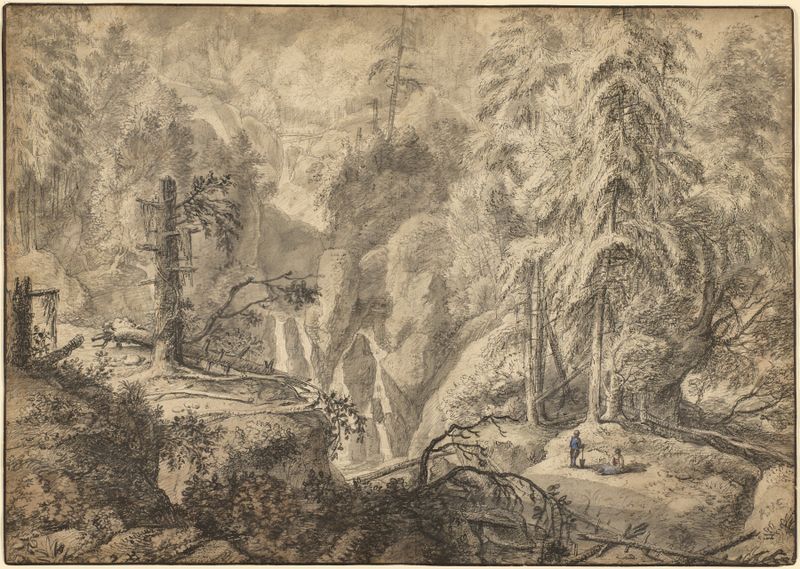
Mountain Landscape, Peasants in a Clearing near a Waterfall
Antonie Waterloo
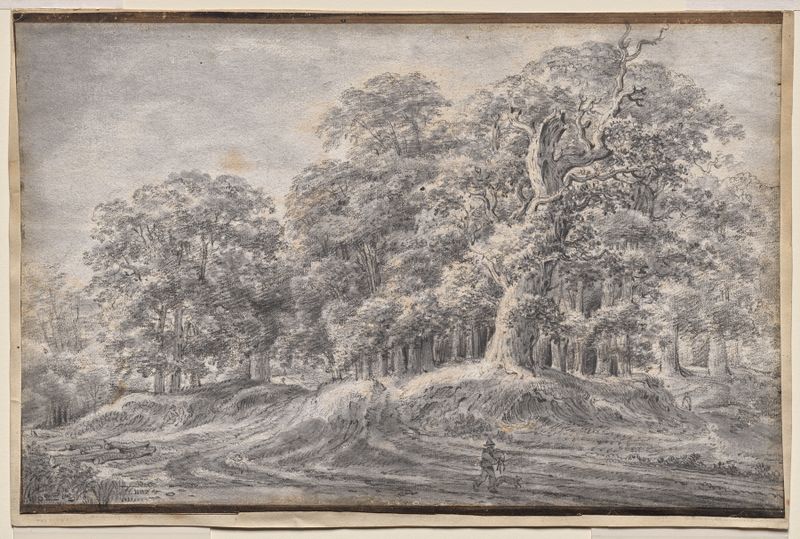
A Track on the Edge of a Wood with a Peasant Carrying Sheep
Antonie Waterloo
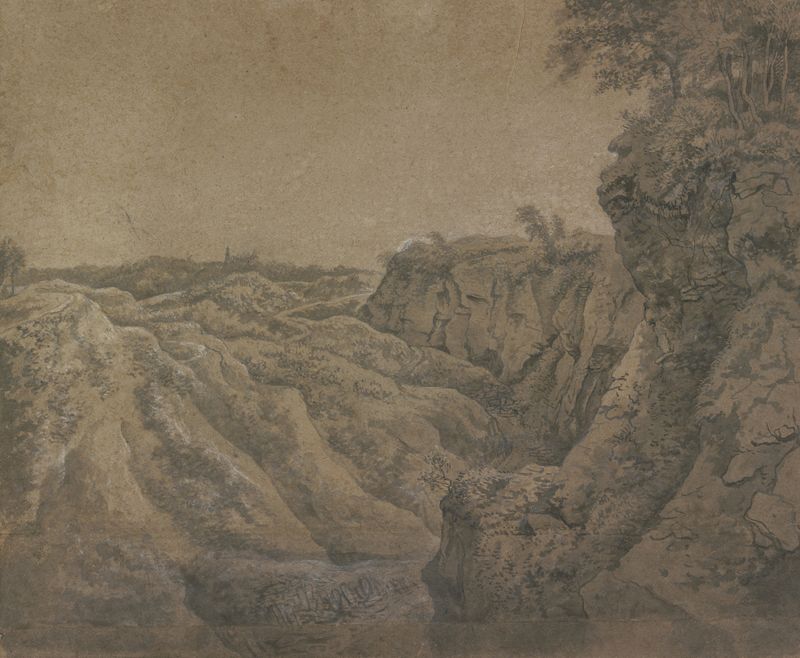
Landscape with a View of Bentheim Castle in the far Distance
Antonie Waterloo
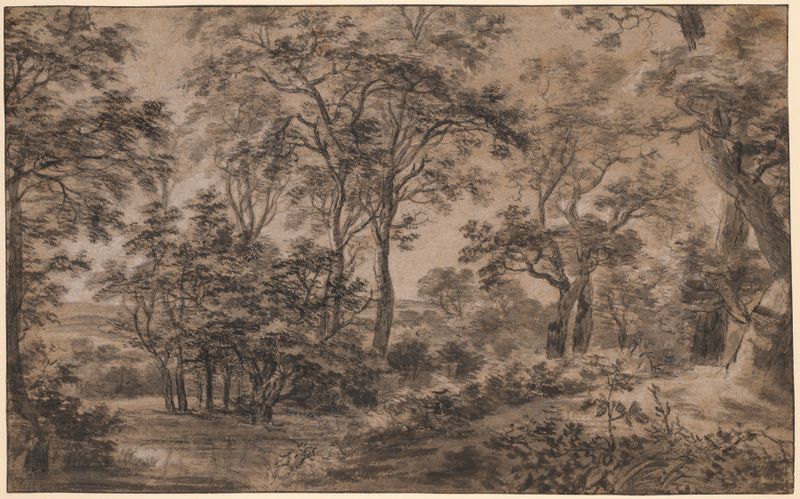
Wooded Landscape
Antonie Waterloo
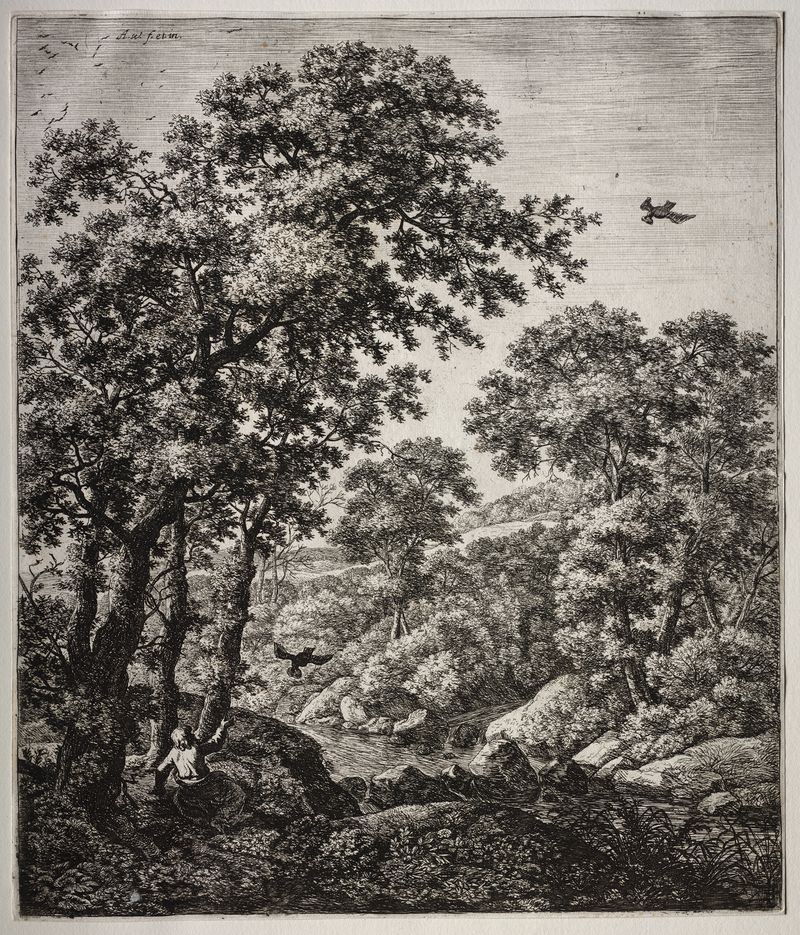
Elijah Fed by the Ravens
Antonie Waterloo
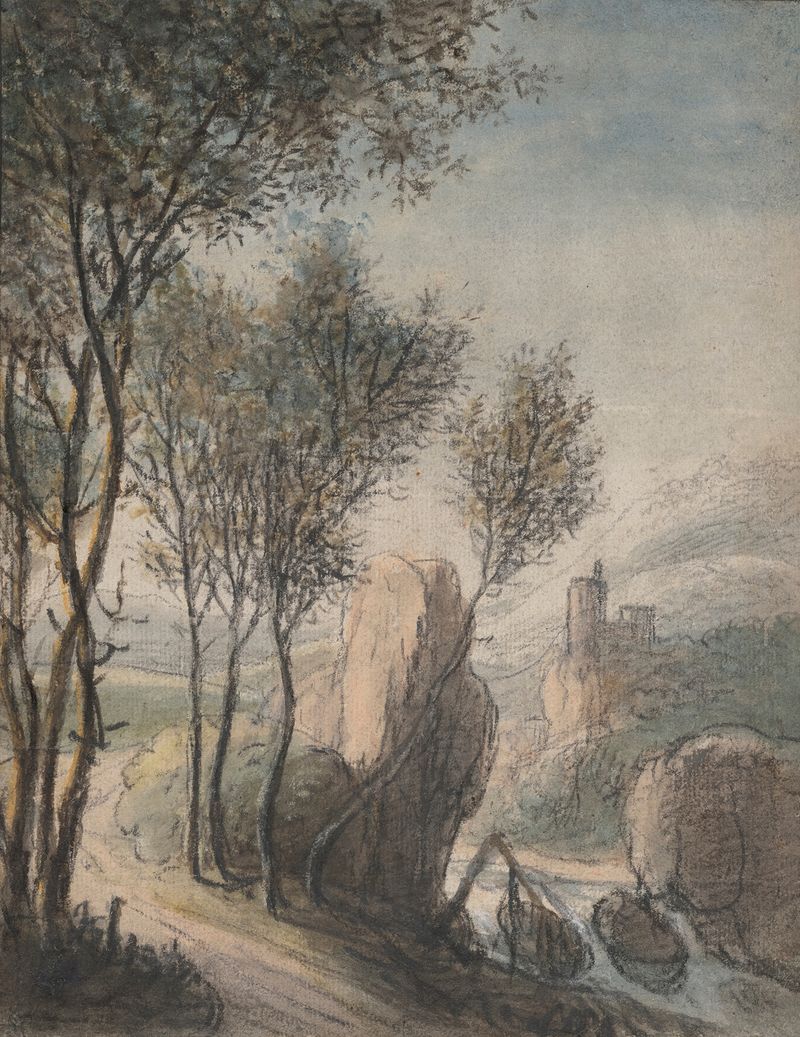
River Landscape with a Castle in the Distance
Antonie Waterloo

Trees and cottages in hilly landscape
Antonie Waterloo
Mais arte de Arte Religiosa
Ver tudo →
The Return of the Prodigal Son
Rembrandt van Rijn

The Garden of Earthly Delights
El Bosco

Count Orgaz’ funeral
El Greco

The Hundred Guilder Print: the central piece with Christ preaching, the plate arched
Rembrandt van Rijn

The Descent from the Cross
Rogier van der Weyden

The return of the prodigal son
Rembrandt van Rijn