
Откройте для себя информацию об этом произведении
The Maidens (Otome), Illustration to Chapter 21 of the Tale of Genji (Genji monogatari) — История и факты
In a fragile moment, light becomes the bridge between memory and longing, illuminating the delicate essence of youth and beauty in the interaction of colors and forms. This work draws us into a world of fleeting emotions, where each brushstroke whispers stories etched in the minds of its viewers. Look closely at the intricate details adorning the garments of the maidens, where vibrant hues of indigo and crimson intertwine, drawing your gaze like threads of a finely woven tapestry. Notice how the light dances across the silk, its reflections shimmering softly, evoking a sense of warmth and intimacy.
The composition balances each figure with rhythmic elegance, while the gentle lines and serene expressions invite contemplation, revealing the tender nuances of their lives. In this artwork, contrasts abound: the vibrancy of youth against the inevitable passage of time, the simplicity of gestures juxtaposed with the complexity of emotions. The background, painted in soft, muted tones, serves as a poignant reminder of the ephemeral nature of beauty, while the focused expressions of the maidens encapsulate both hope and the weight of unspoken dreams. Each element, from the subtle play of light to the carefully rendered features, conveys the artist's deep understanding of the human experience. Tosa Mitsunobu painted this exquisite piece during the Muromachi period, around 1509-1510, a time when Japanese art was undergoing a renaissance of aesthetic refinement.
Working in a style that blended traditional Japanese techniques with influences from Chinese art, he was part of a cultural movement that celebrated literature and visual storytelling. In a world steeped in change, his illustrations for the Tale of Genji resonate as timeless reflections of love, loss, and the beauty of ephemeral moments.
Больше работ Tosa Mitsunobu
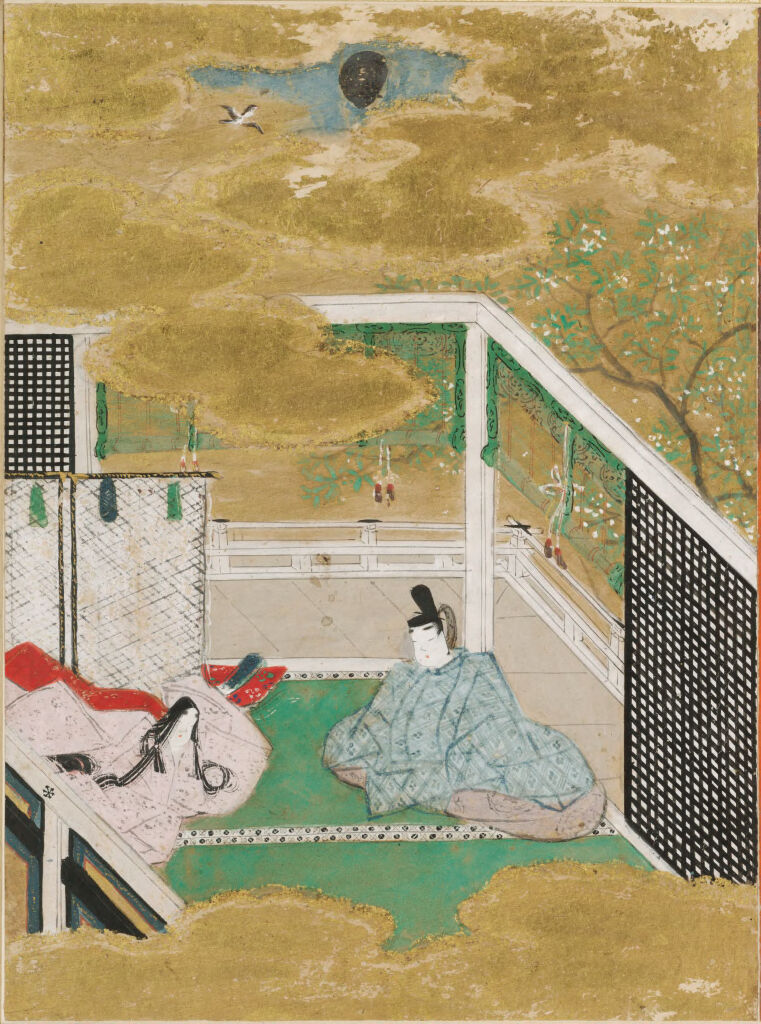
Falling Flowers (Hanachirusato), Illustration to Chapter 11 of the Tale of Genji (Genji monogatari)
Tosa Mitsunobu
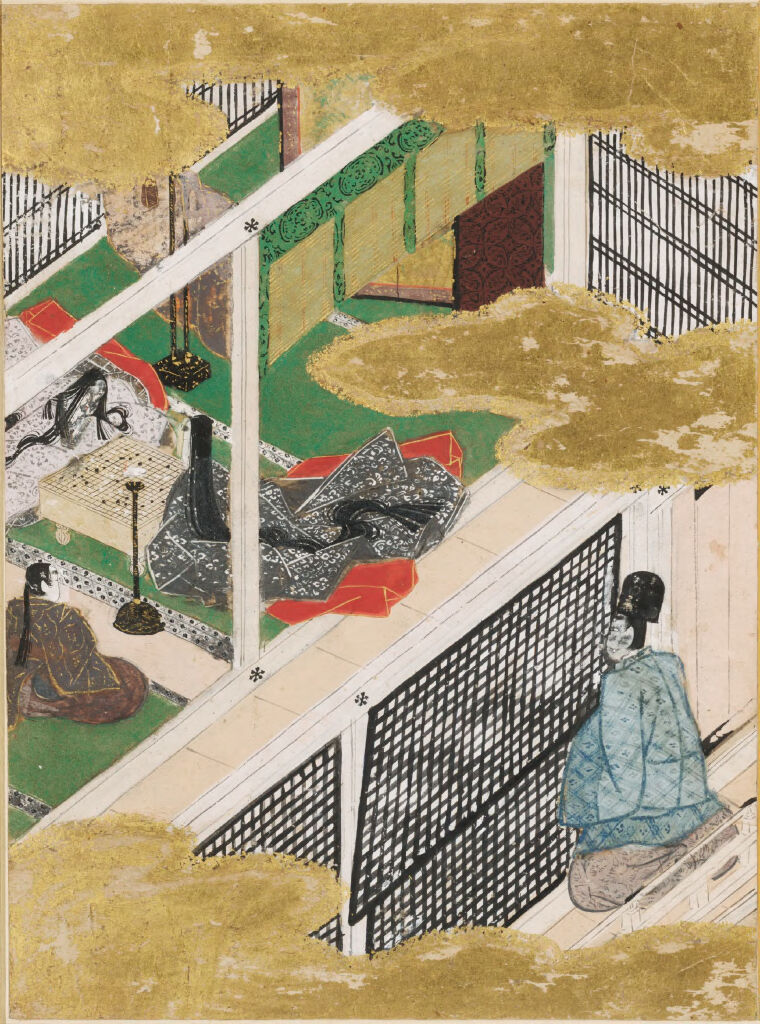
The Cicada Shell (Utsusemi), Illustration to Chapter 3 of the Tale of Genji (Genji monogatari)
Tosa Mitsunobu
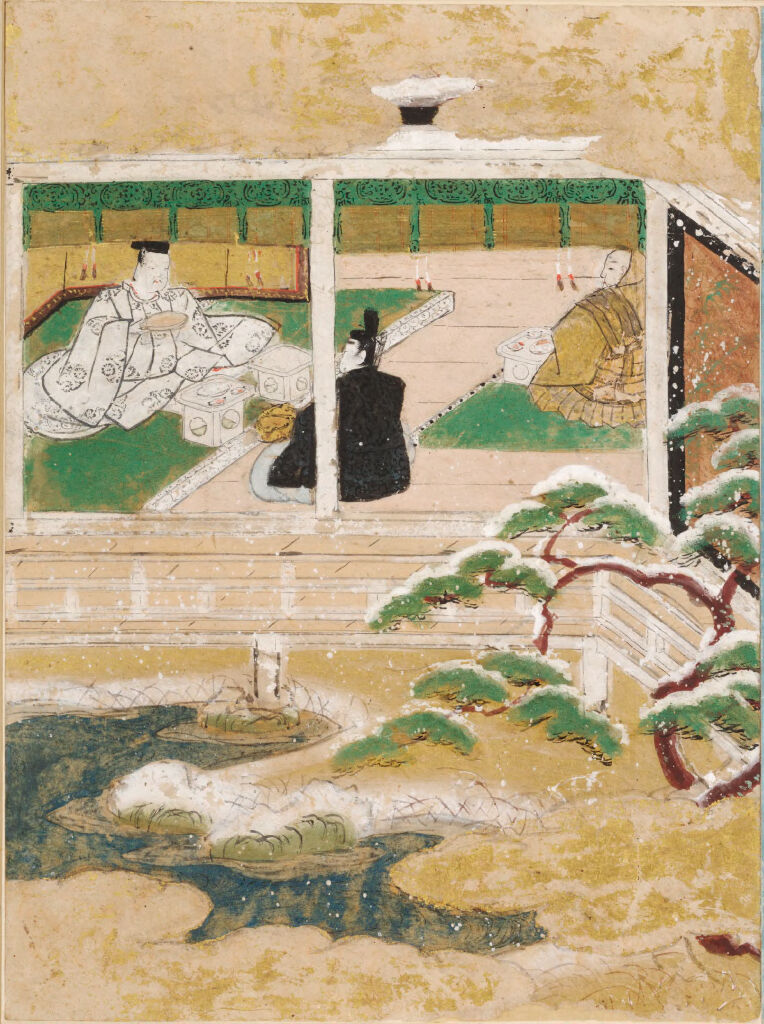
The Seer (Maboroshi), Illustration to Chapter 41 of the Tale of Genji (Genji monogatari)
Tosa Mitsunobu
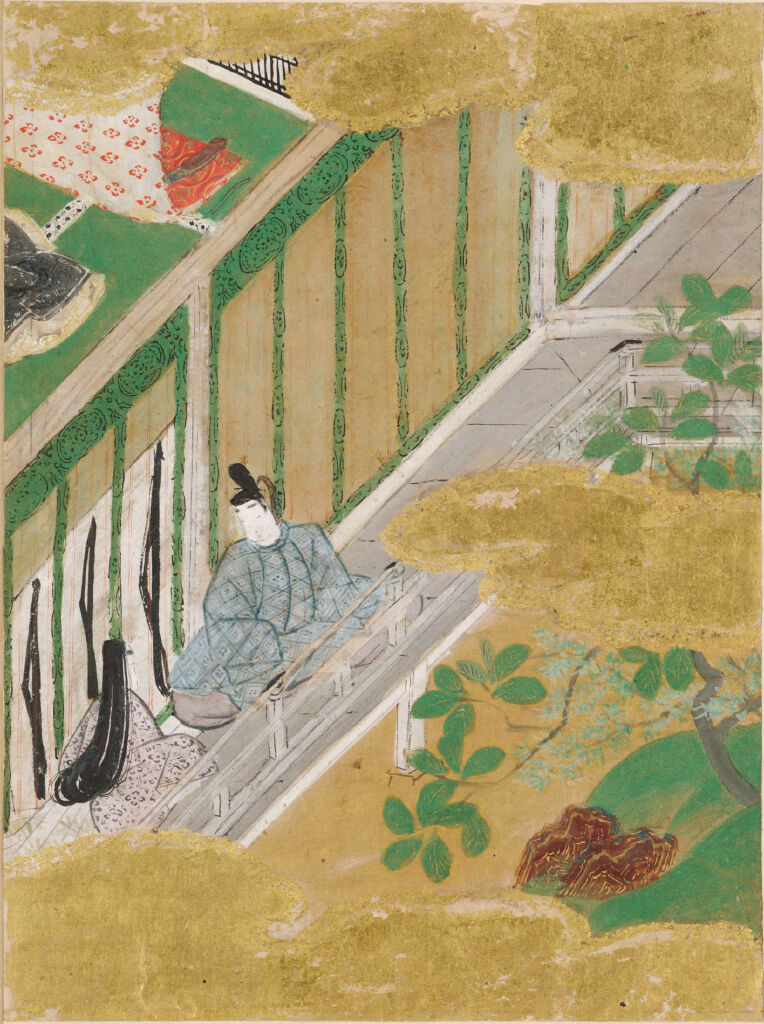
The Oak Tree (Kashiwagi), Illustration to Chapter 36 of the Tale of Genji (Genji monogatari)
Tosa Mitsunobu
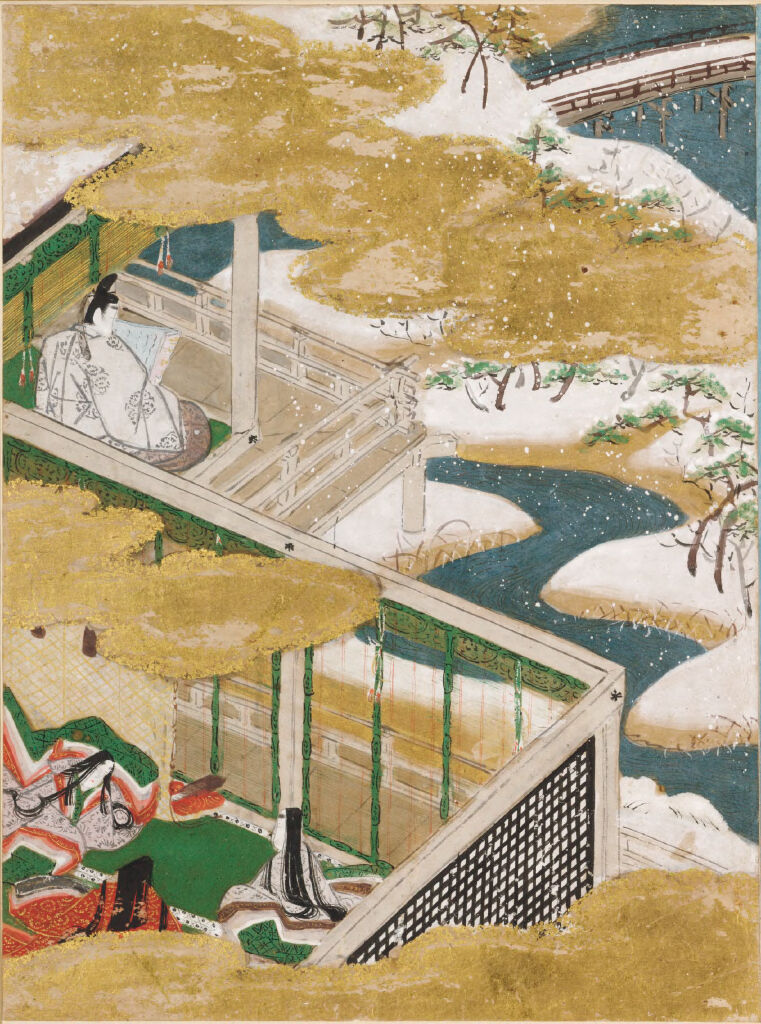
Beneath the Oak (Shiigamoto), Illustration to Chapter 46 of the Tale of Genji (Genji monogatari)
Tosa Mitsunobu
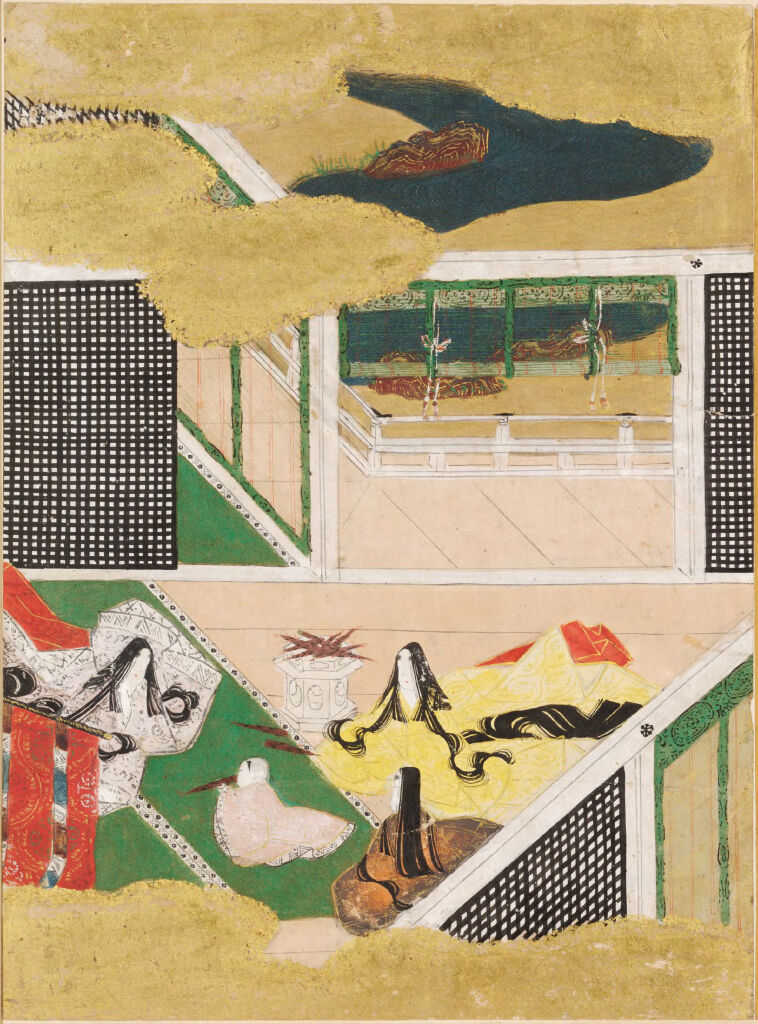
The Flute (Yokobue), Illustration to Chapter 37 of the Tale of Genji (Genji monogatari)
Tosa Mitsunobu
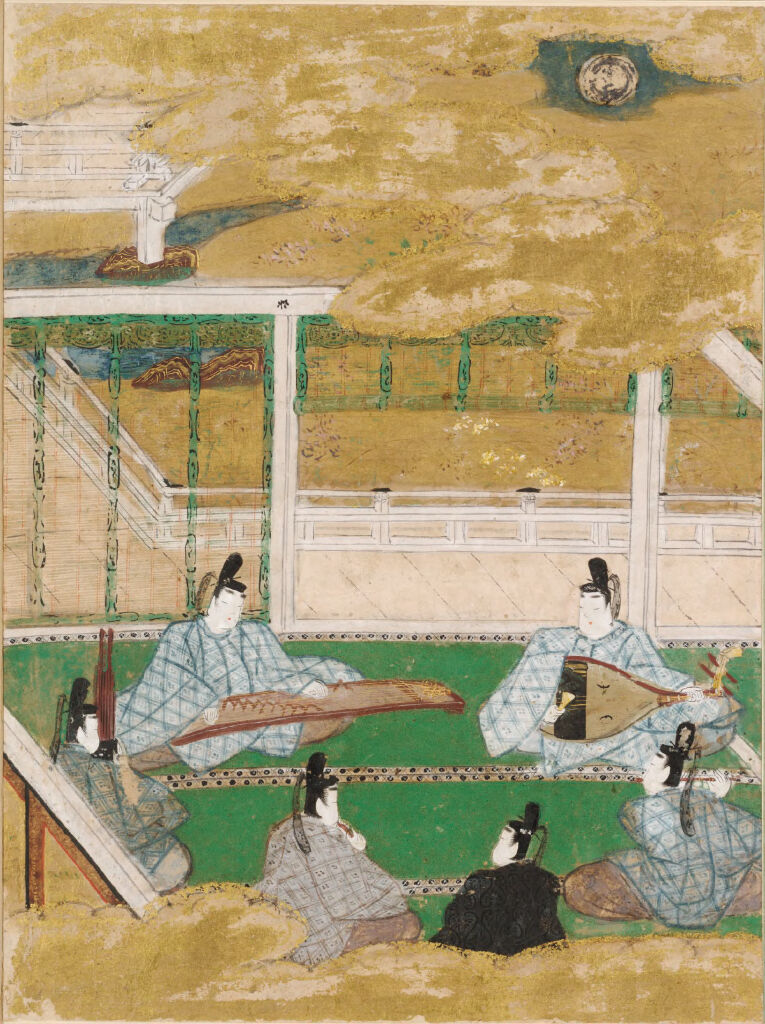
The Bell Cricket (Suzumushi), Illustration to Chapter 38 of the Tale of Genji (Genji monogatari)
Tosa Mitsunobu
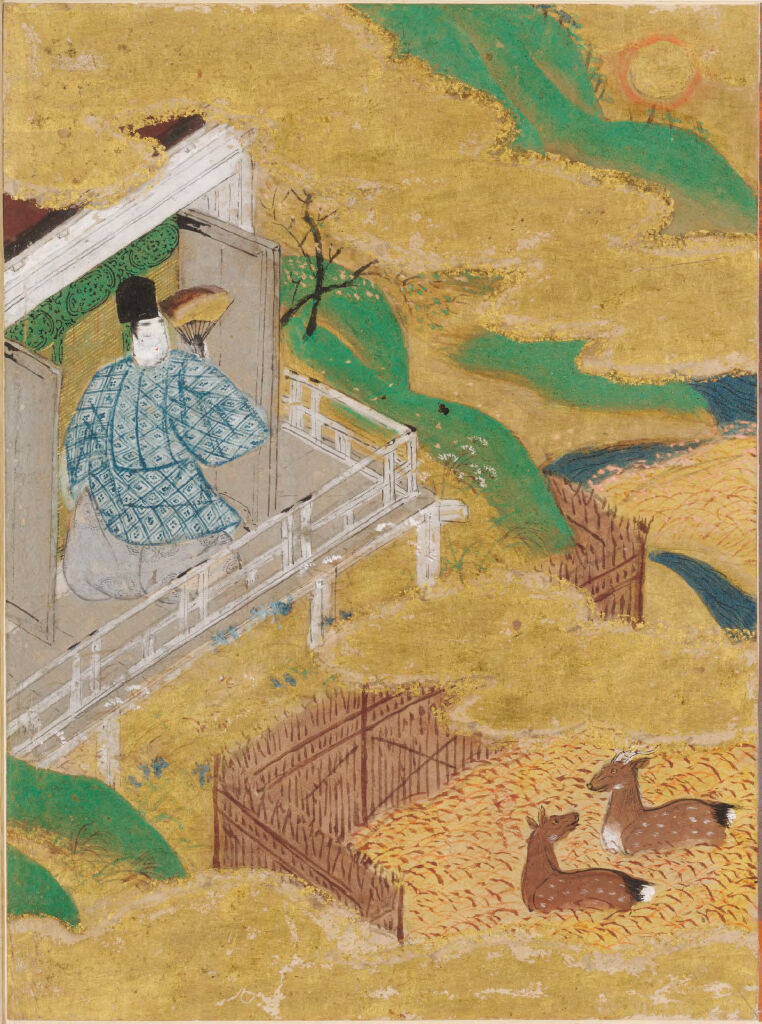
Evening Mist (Yūgiri), Illustration to Chapter 39 of the Tale of Genji (Genji monogatari)
Tosa Mitsunobu
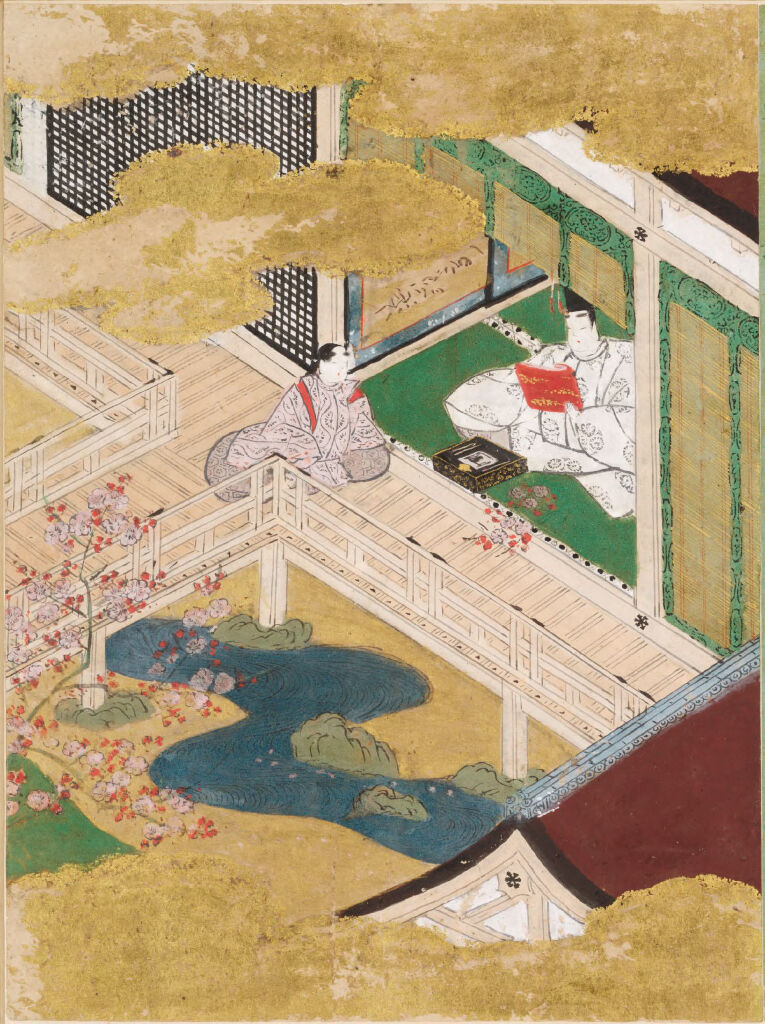
Red Plum Blossoms (Kōbai), Illustration to Chapter 43 of the Tale of Genji (Genji monogatari)
Tosa Mitsunobu
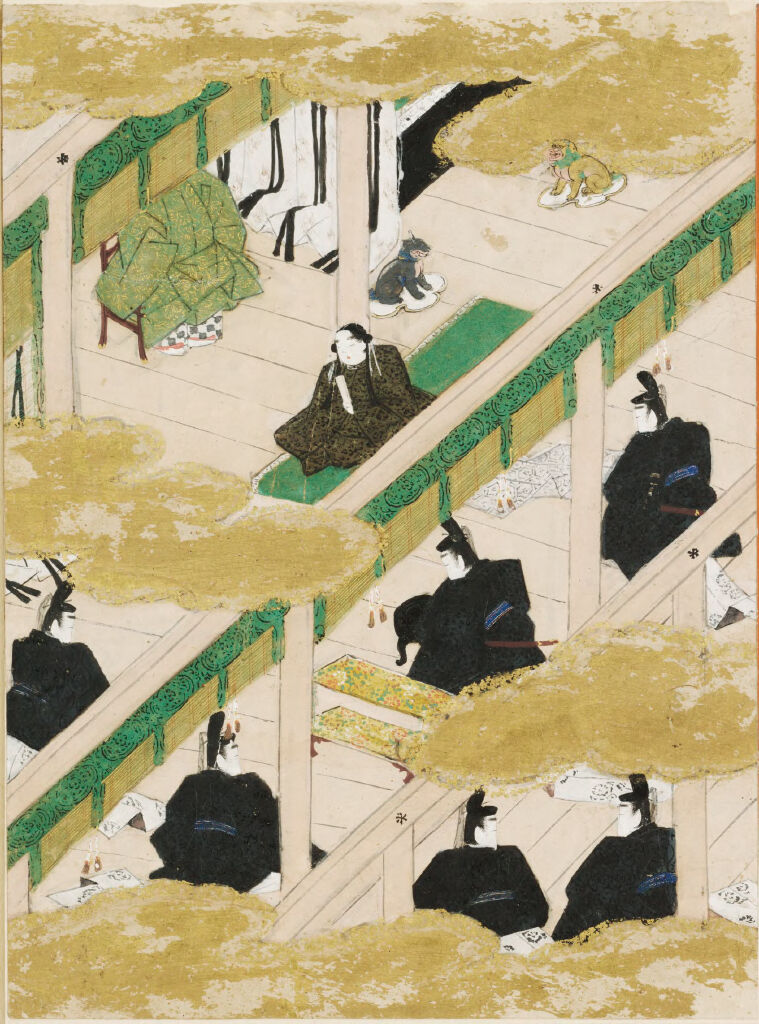
The Paulownia Pavilion (Kiritsubo), Illustration to Chapter 1 of the Tale of Genji (Genji monogatari)
Tosa Mitsunobu
Больше искусства Иллюстрация
Falling Flowers (Hanachirusato), Illustration to Chapter 11 of the Tale of Genji (Genji monogatari)
Tosa Mitsunobu
The Cicada Shell (Utsusemi), Illustration to Chapter 3 of the Tale of Genji (Genji monogatari)
Tosa Mitsunobu
The Seer (Maboroshi), Illustration to Chapter 41 of the Tale of Genji (Genji monogatari)
Tosa Mitsunobu
The Oak Tree (Kashiwagi), Illustration to Chapter 36 of the Tale of Genji (Genji monogatari)
Tosa Mitsunobu
Beneath the Oak (Shiigamoto), Illustration to Chapter 46 of the Tale of Genji (Genji monogatari)
Tosa Mitsunobu
The Flute (Yokobue), Illustration to Chapter 37 of the Tale of Genji (Genji monogatari)
Tosa Mitsunobu