发现这件艺术品的见解
On the Appian Way — 历史与趣闻
光在哪里结束,渴望从何而起?在这幅画中,色调的微妙交织中,阳光的温暖与记忆的阴影之间展开了一场对话。 专注于那明亮的天空,柔和的蓝色与金色的黄色和谐地交融,引导你的目光朝向地平线。注意那温柔的光线如何照亮古老的阿比安大道的石块,每一块都蕴含着低语着久远旅行者的历史。精心描绘的树叶框住了小径,而遥远的山丘则邀请着一种旅程的感觉,唤起宁静与怀旧。 在表面之下,光与影的对比元素暗示着更深层的情感景观。生动的光照可能象征着希望或重生,而阴影区域则暗示着历史的沉重与时间的流逝。每一个细节——破碎的石头,郁郁葱葱的植被——都提醒着自然与人类经验之间的联系,唤起对曾经存在与仍然存在的苦乐交织的渴望。 在18世纪晚期的意大利,卡洛·拉布鲁齐在艺术复兴的背景下创作了这幅作品,古典主义开始与浪漫理想相融合。这位以浪漫化古代遗迹的风景画而闻名的艺术家,从意大利乡村持久的美丽中汲取灵感。当欧洲在政治动荡的余波中挣扎时,拉布鲁齐宁静的描绘为人们提供了在过去宏伟遗迹中的避难所,捕捉了一个崇尚自然永恒的时代的精神。
更多作品 Carlo Labruzzi
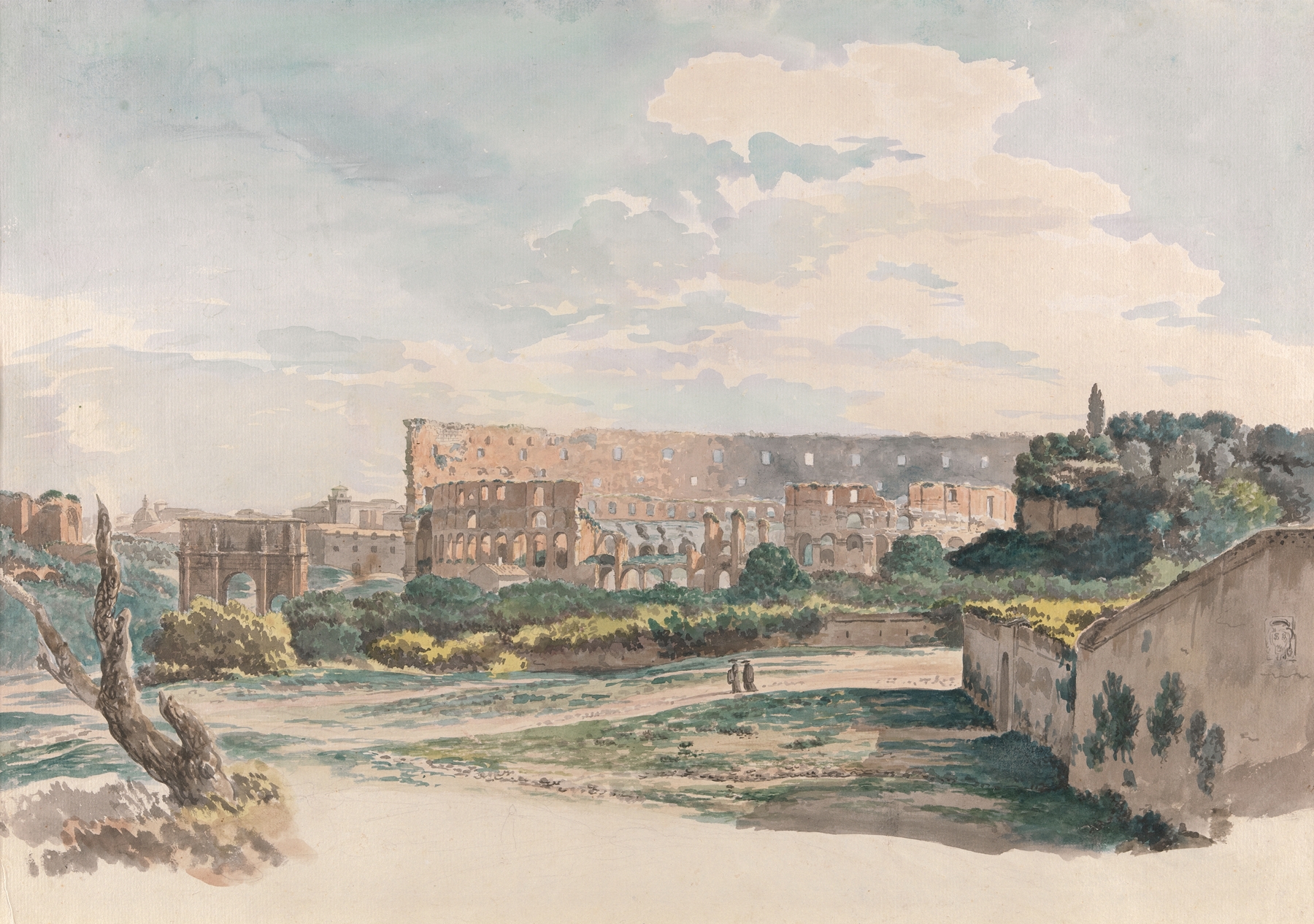
The Colosseum from the Caelian Mount, with the Arch of Constantine and a View of the Forum, Rome.
Carlo Labruzzi
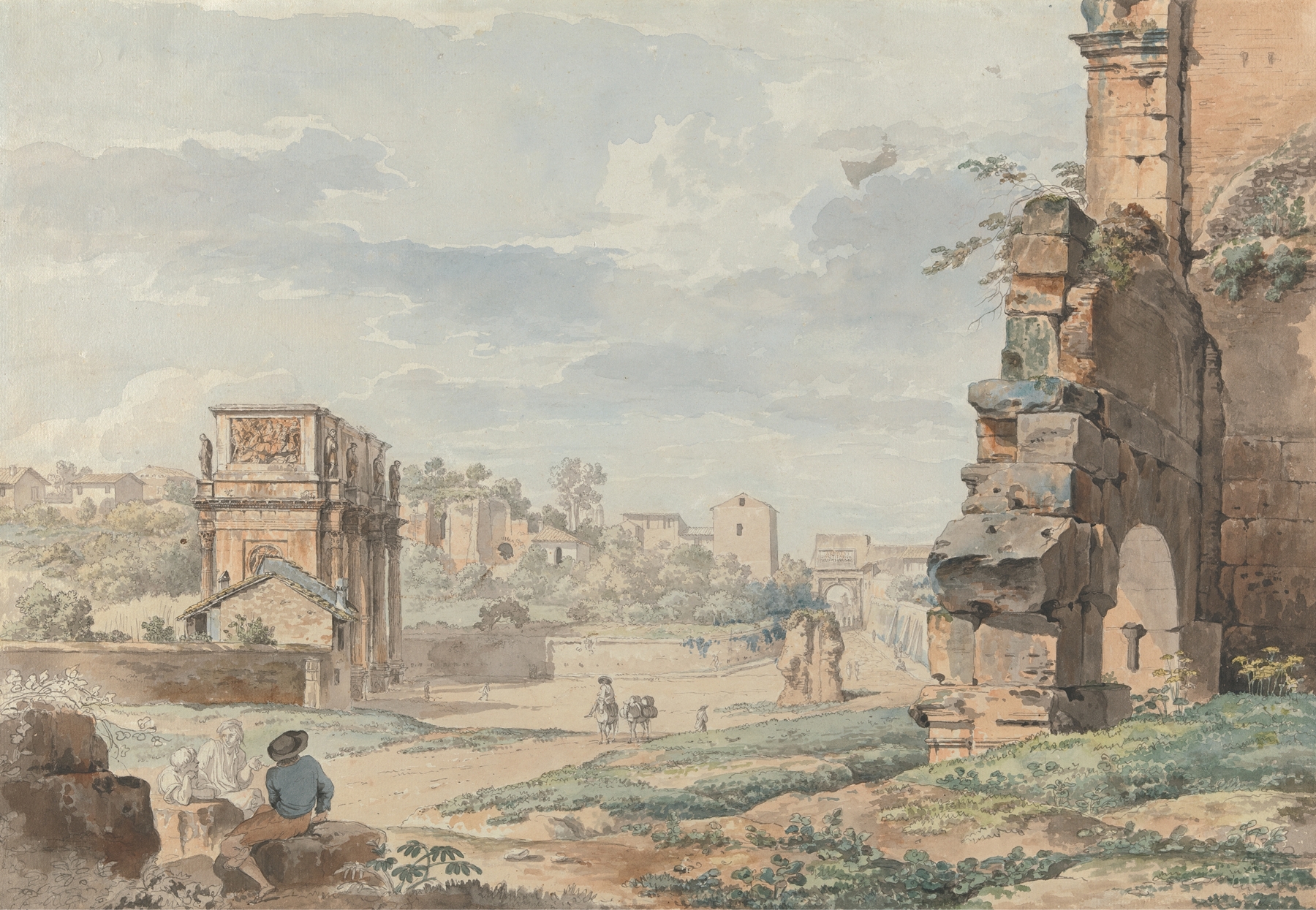
Part of the Colosseum with the Arch of Constantine and Arch of Titus in the Distance, Rome
Carlo Labruzzi
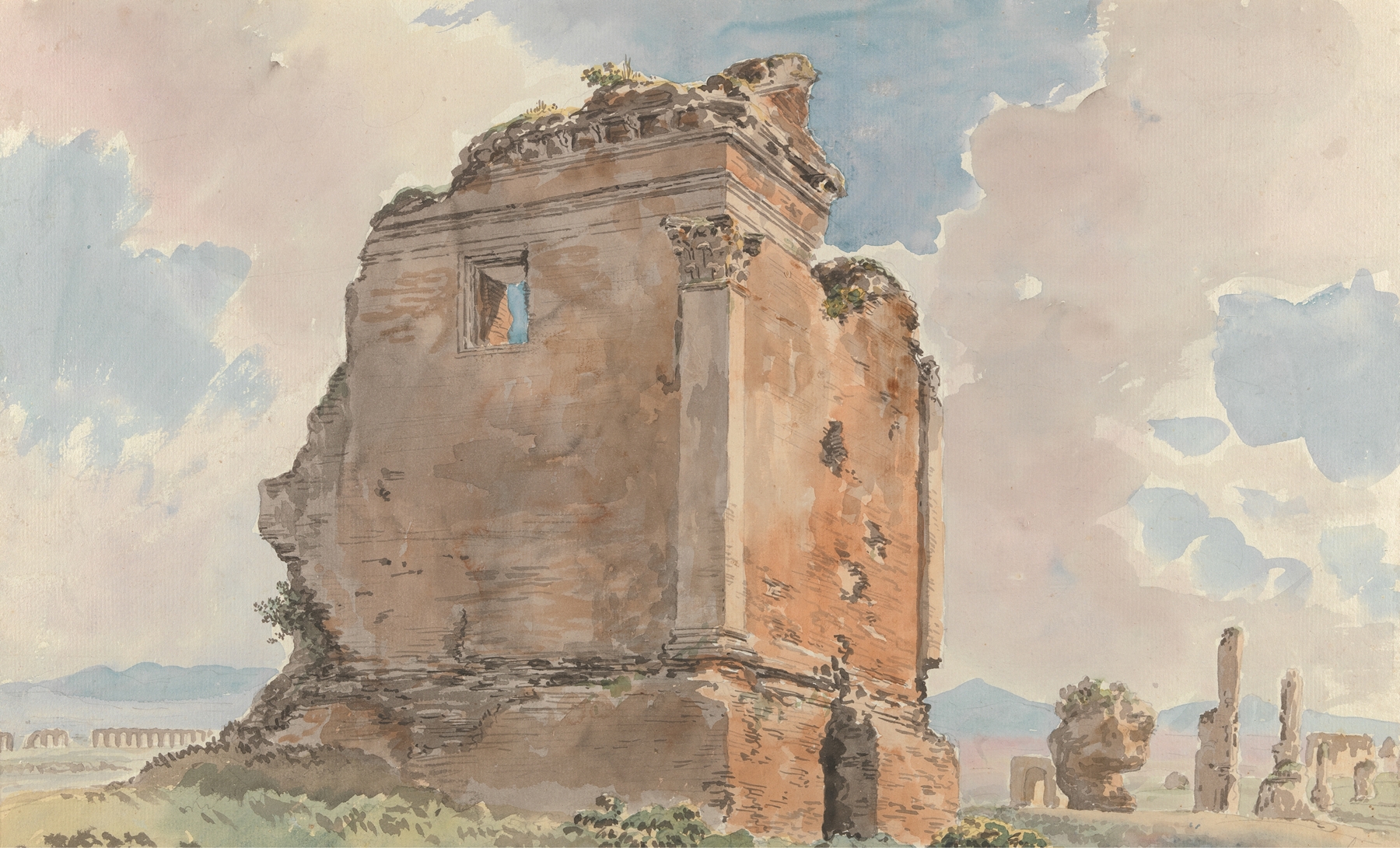
Sepulchre on the Via Nomentana in the Roman Campagna
Carlo Labruzzi
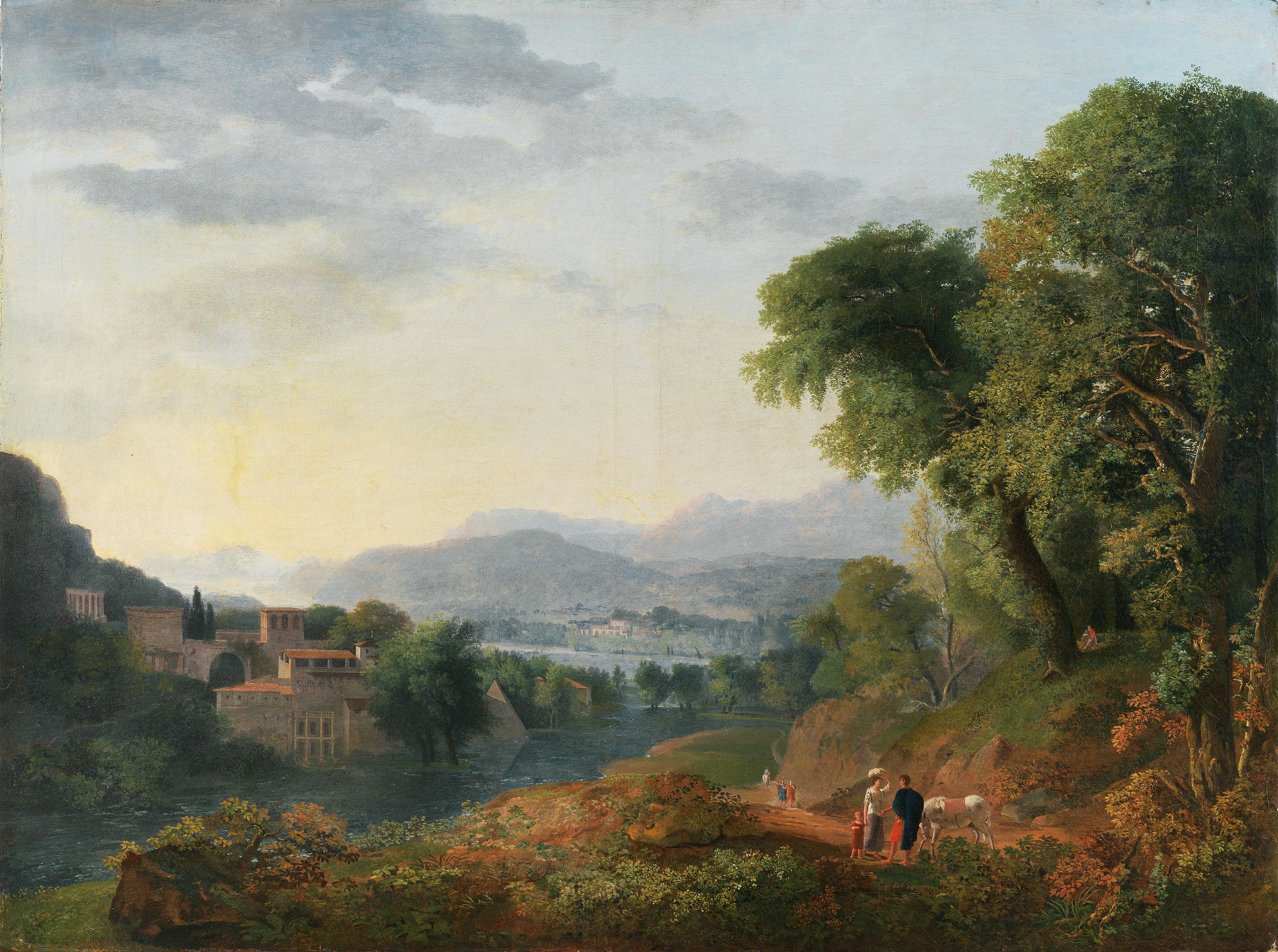
An Italianate landscape
Carlo Labruzzi
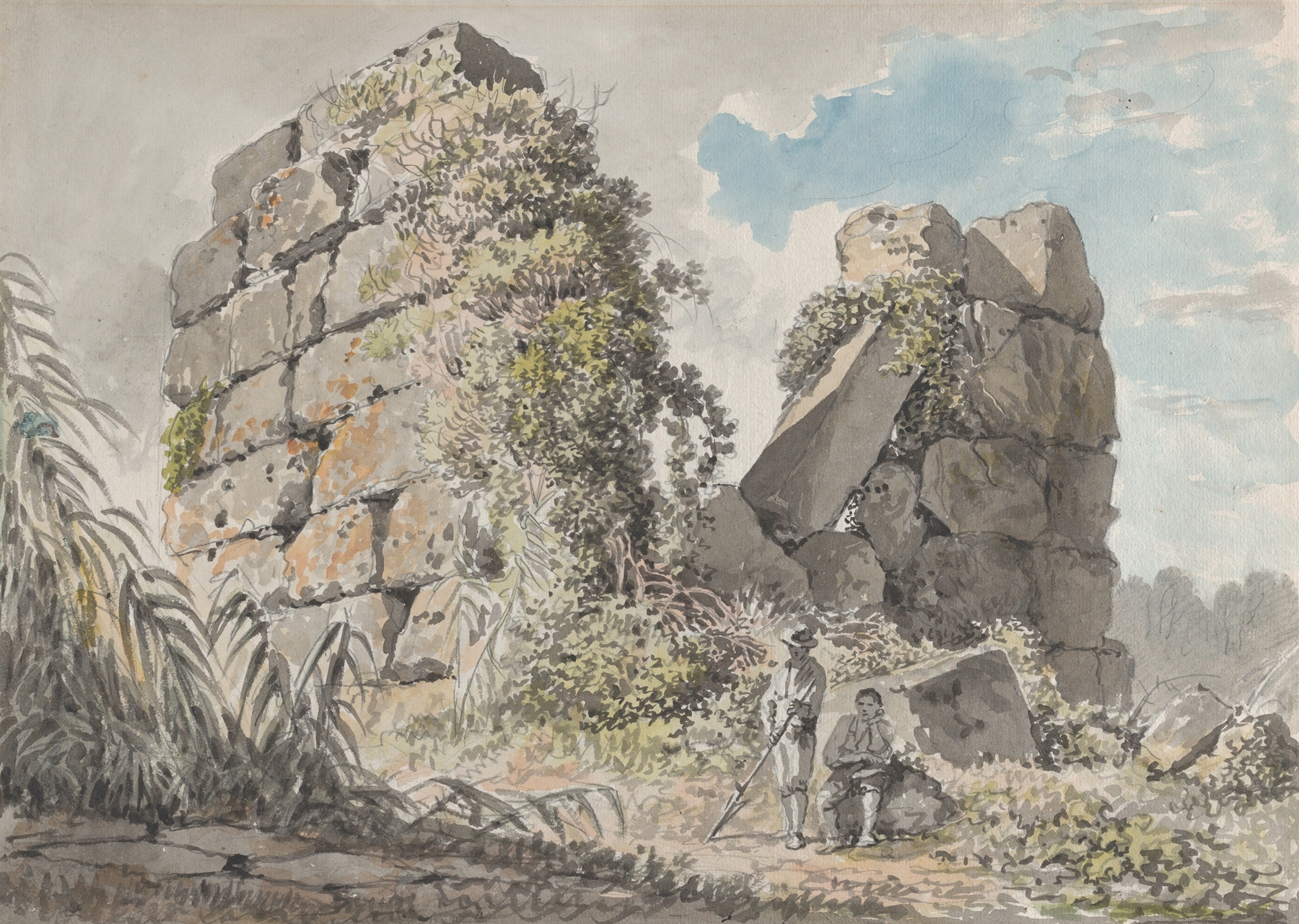
Ruins on the Right of the Via Appia
Carlo Labruzzi
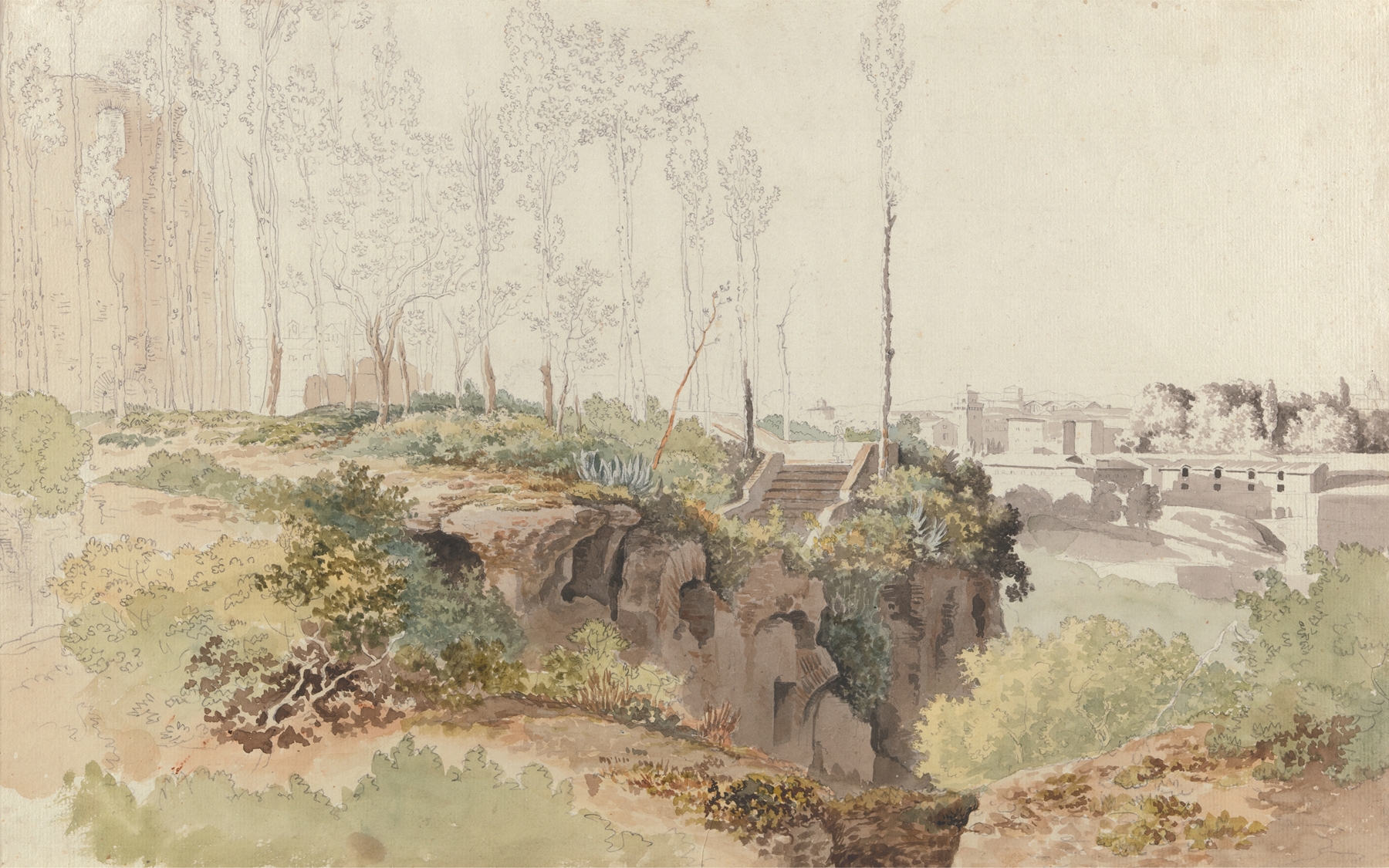
The Baths of Caracalla, Rome
Carlo Labruzzi
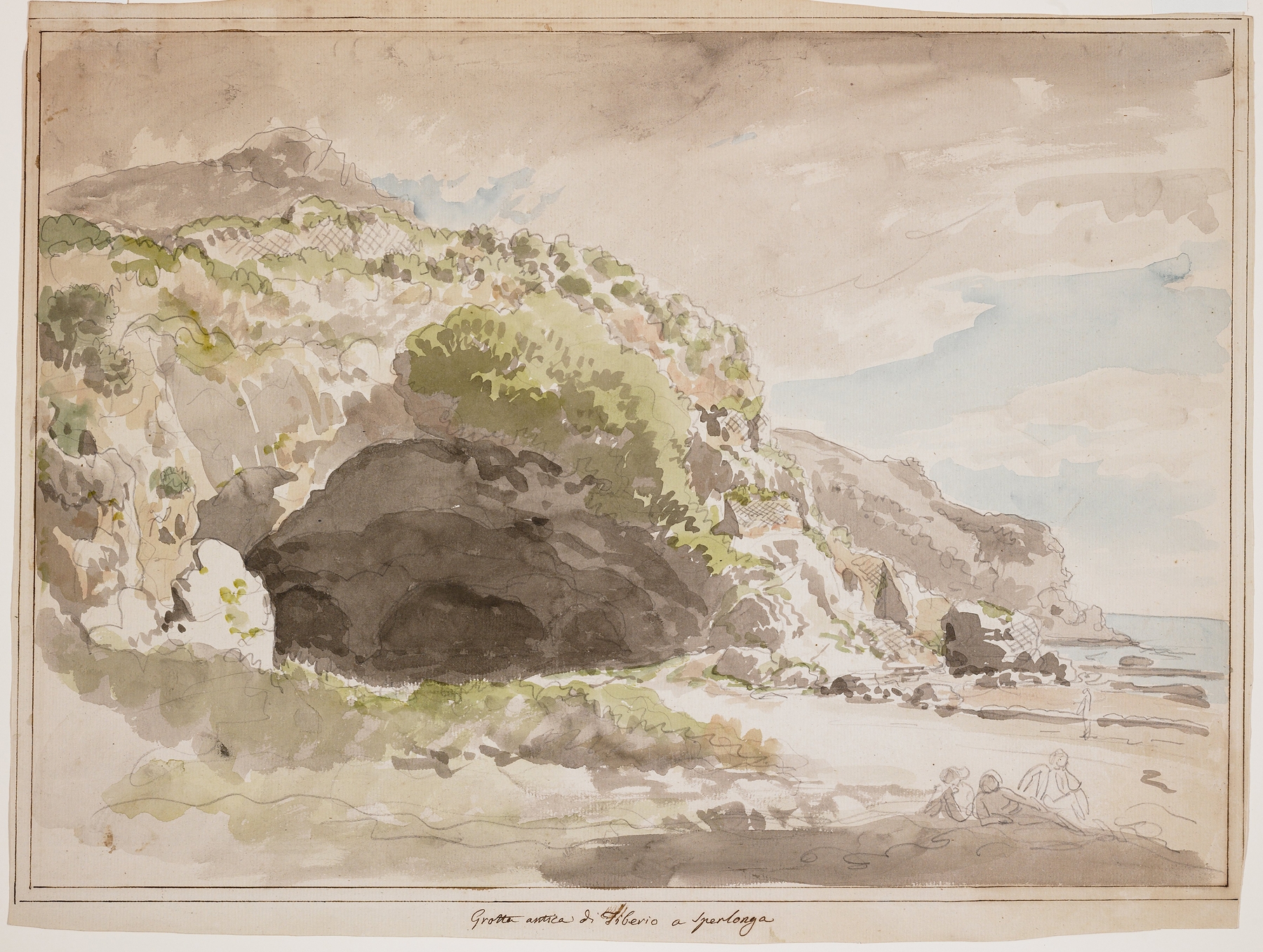
Grotto of Tiberius at Sperlonga
Carlo Labruzzi
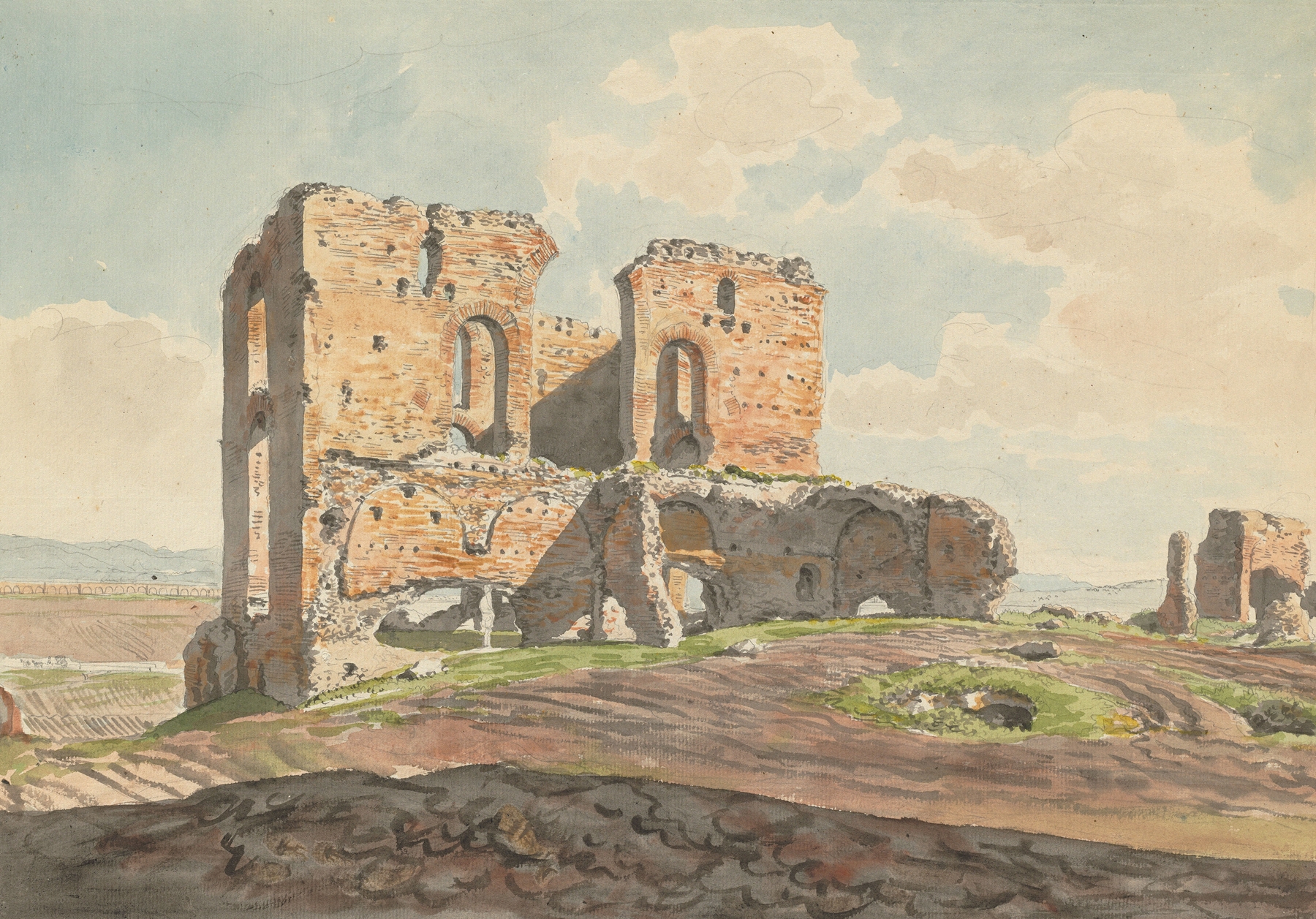
The Great Villa of the Quintilii on the Appian Way
Carlo Labruzzi
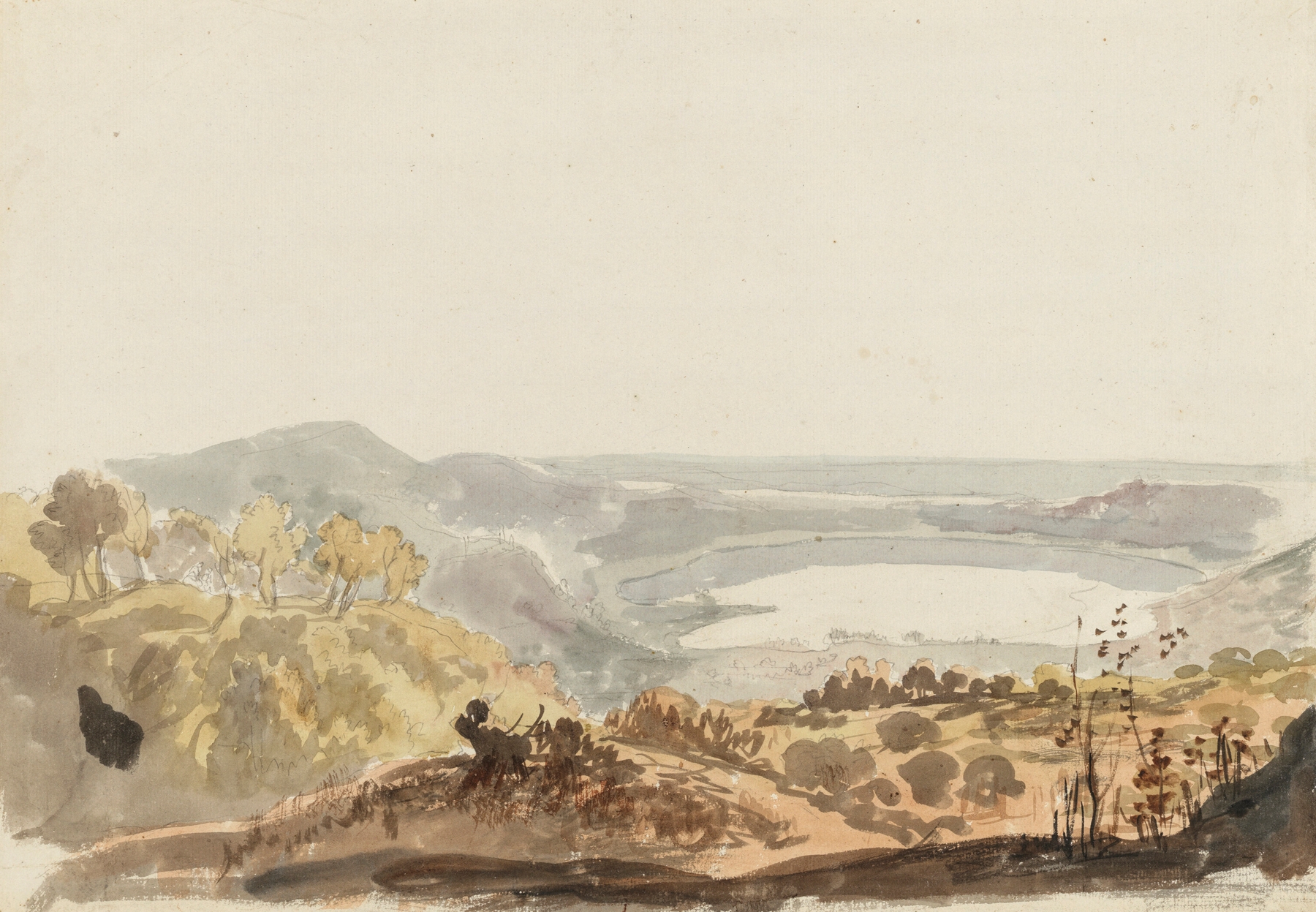
View of Lake Nemi looking towards Rome
Carlo Labruzzi
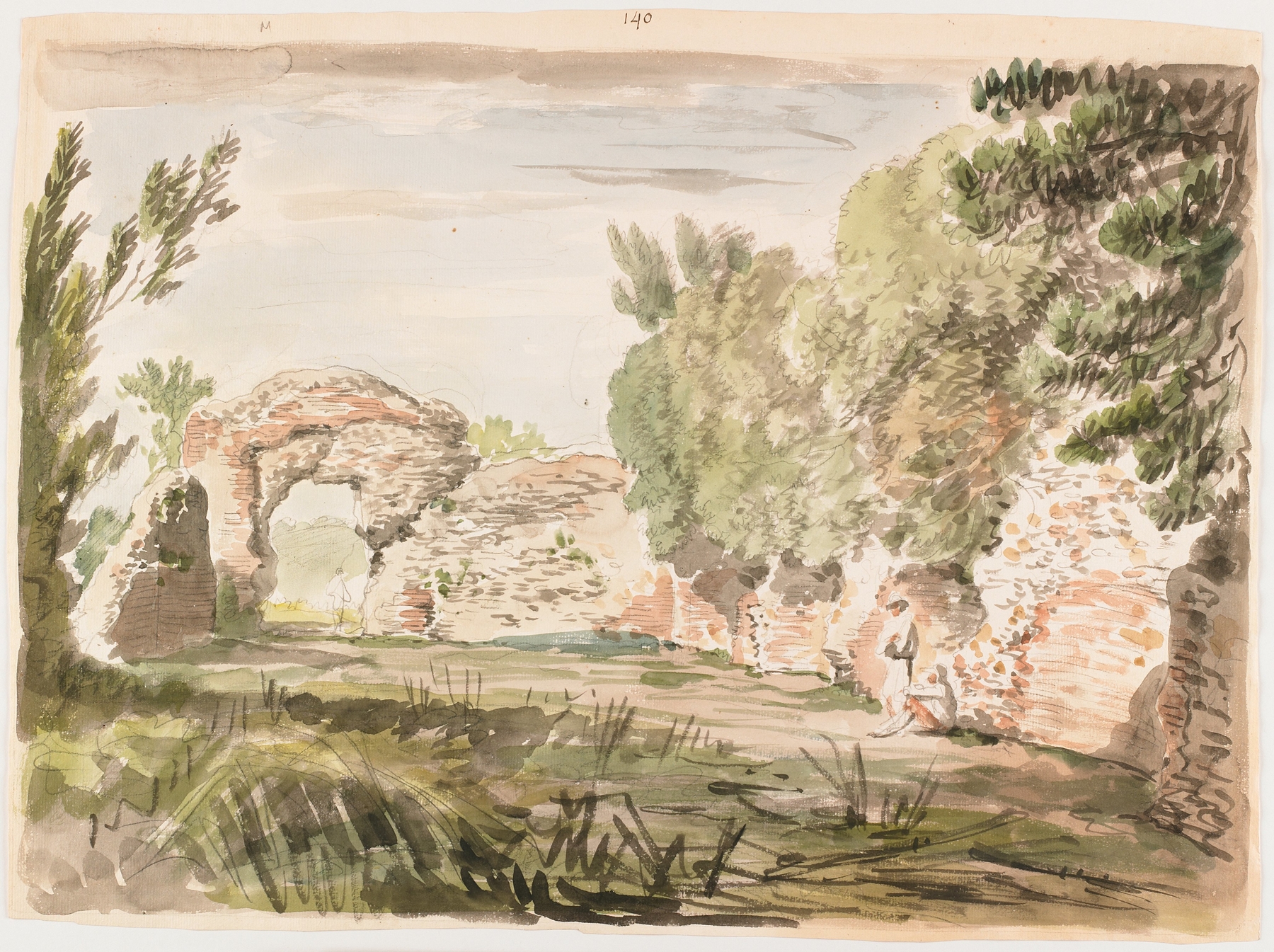
Landscape with Trees, Ruin and Three Figures
Carlo Labruzzi