发现这件艺术品的见解
The Great Villa of the Quintilii on the Appian Way — 历史与趣闻
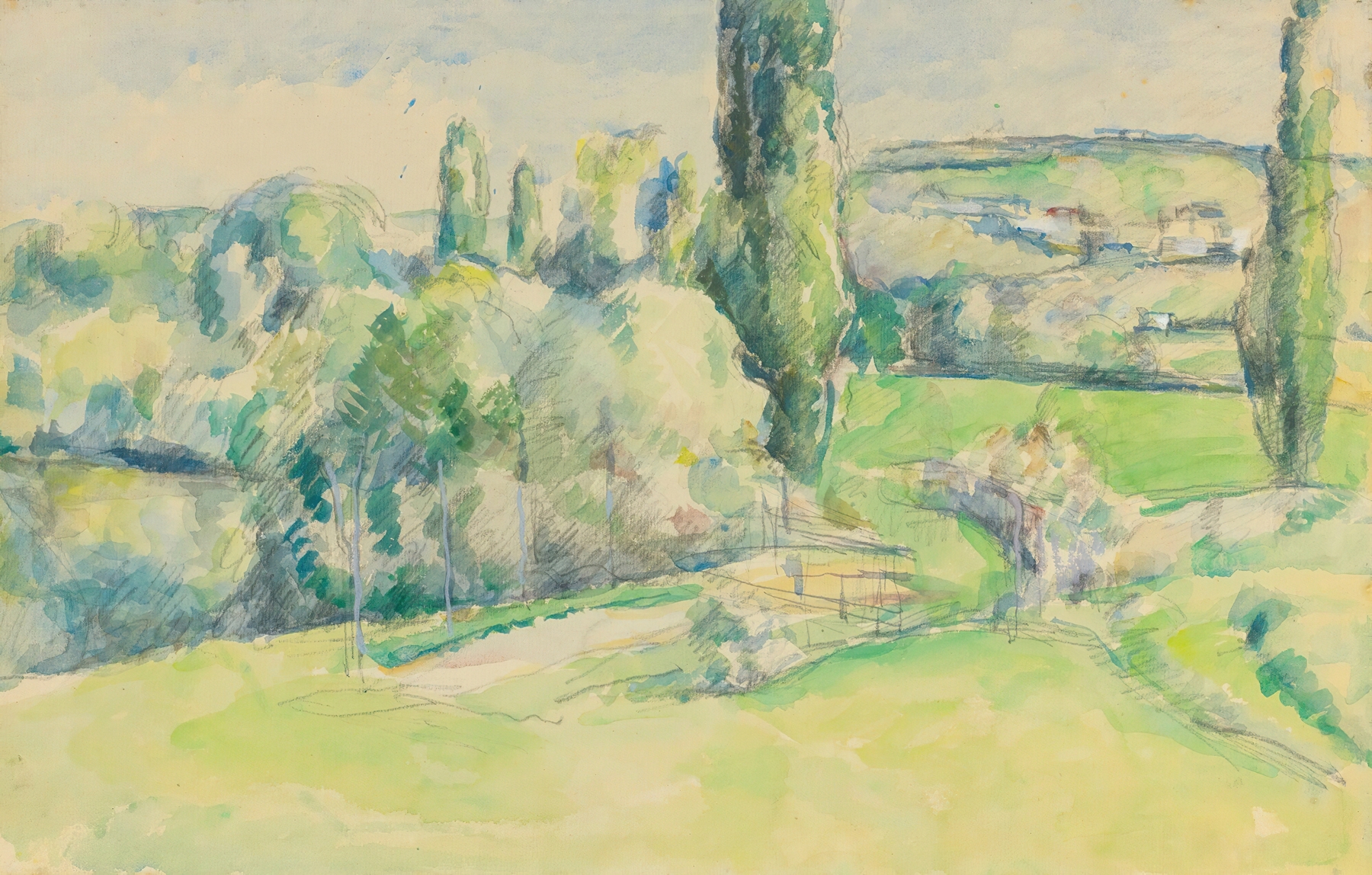
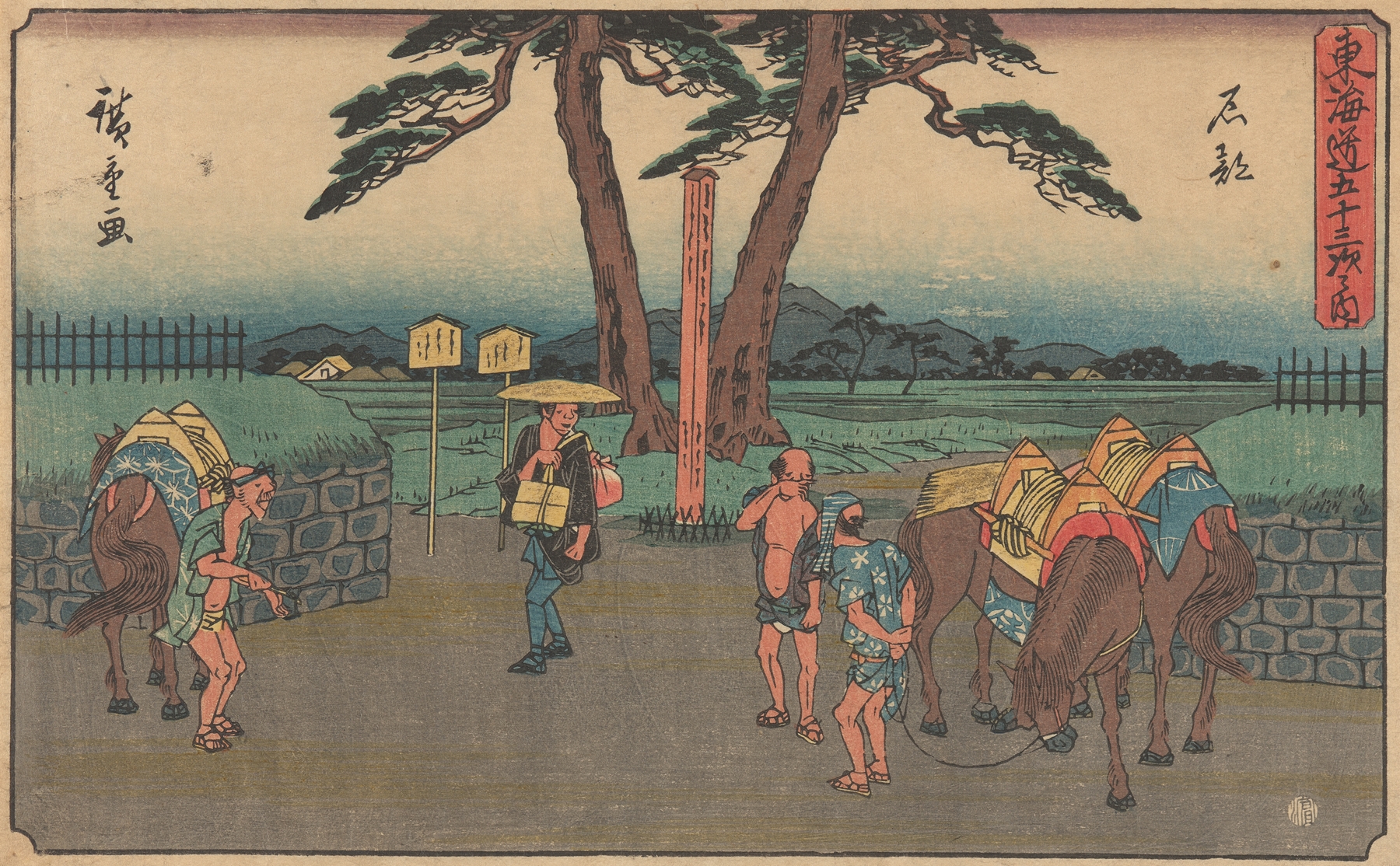
在画笔下,混沌变为优雅。在一个渴望美的世界中,我们在宁静的风景中找到慰藉,这些风景既提供了休憩,又反映了我们内心的自我。 专注于这幅引人入胜的作品的前景,别致的别墅遗迹邀请你靠近。注意柔和的金色阳光如何沐浴在风化的石头上,突显出低语着历史的纹理。向左看,郁郁葱葱的树叶温柔地缠绕在残骸周围,创造出自然与曾经存在之间的和谐平衡——时间温柔之手的提醒。 在这里,衰败与生机的对比深深打动人心。阴郁的遗迹,带着赭石和灰色的色调,与周围风景中生动的绿色和蓝色形成鲜明对比。这种张力诉说着失落的辉煌,但却蕴含着一种不可否认的美,唤起怀旧和敬畏。观者敏锐地意识到生命的短暂,认识到即使在衰退中,也存在着一种动人的优雅。 1789年,艺术家在创作这幅作品时,身处意大利,这个充满丰富历史和艺术复兴的国家。在这一时期,新古典主义运动正在蓬勃发展,从古代汲取灵感,强调和谐与美。拉布鲁齐选择描绘这样一个地点,不仅反映了他对古典过去的钦佩,也体现了他在一个不断演变的艺术景观中的位置,这个景观旨在提升人类及其创造物的崇高本质。
更多作品 Carlo Labruzzi
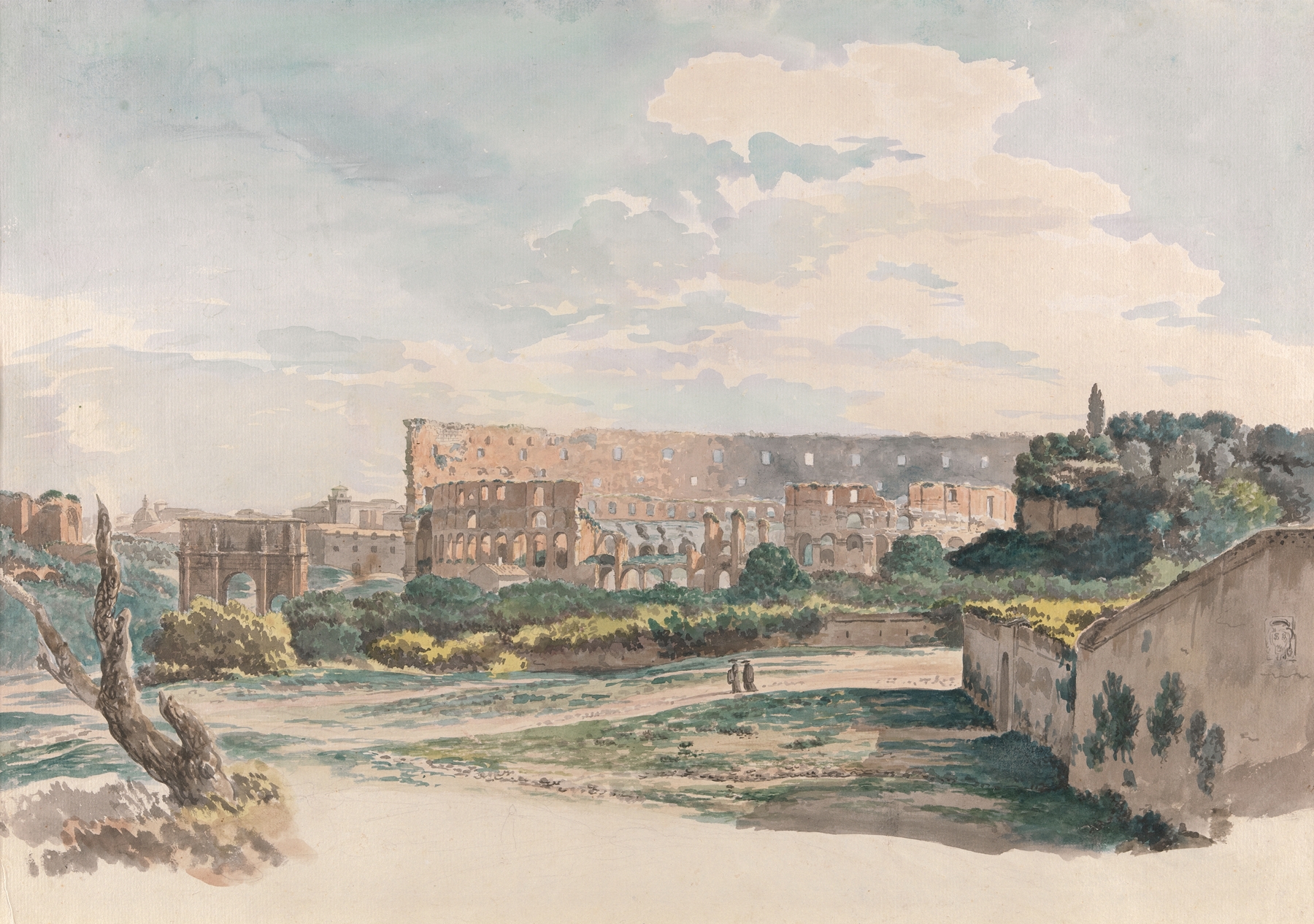
The Colosseum from the Caelian Mount, with the Arch of Constantine and a View of the Forum, Rome.
Carlo Labruzzi
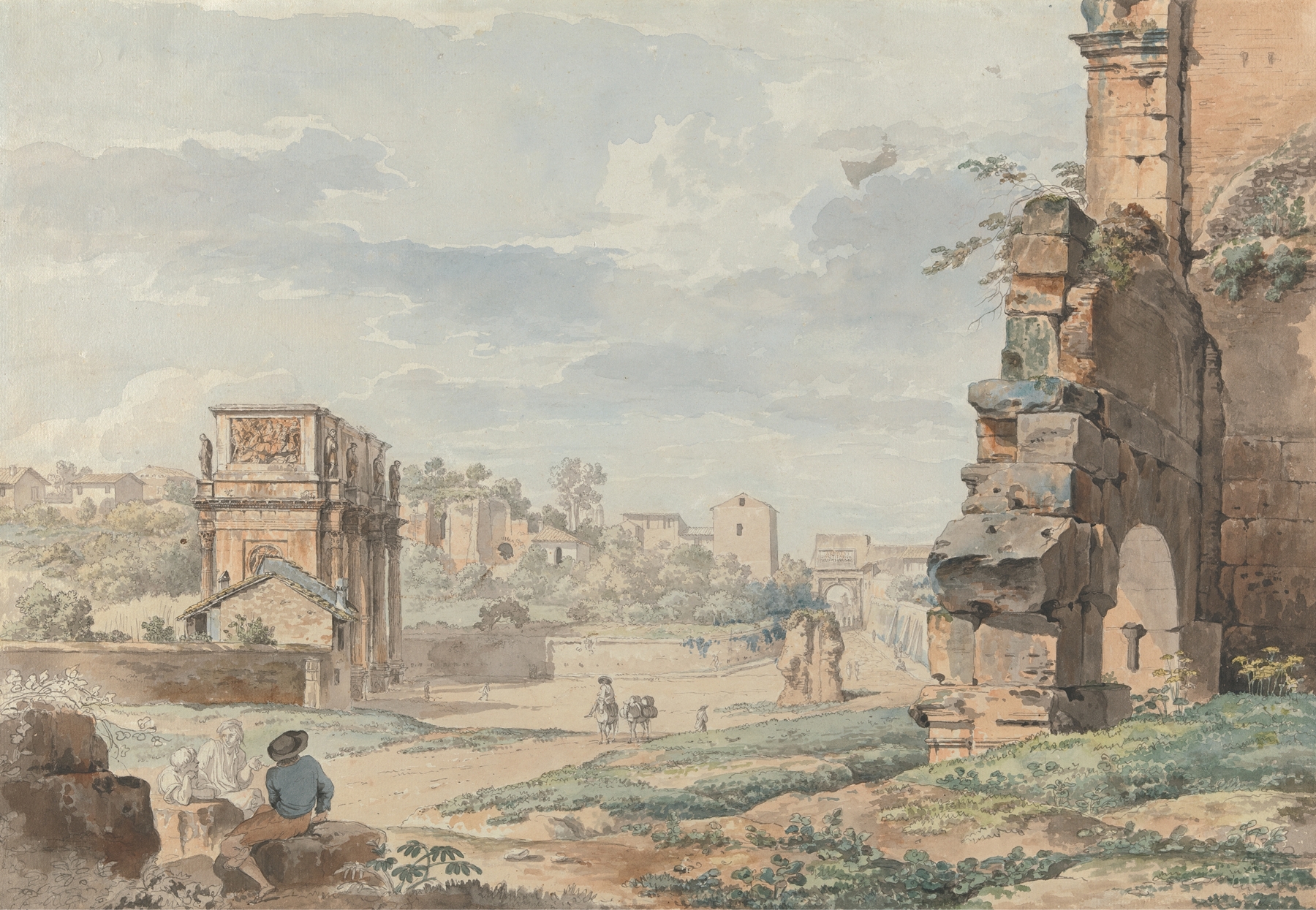
Part of the Colosseum with the Arch of Constantine and Arch of Titus in the Distance, Rome
Carlo Labruzzi
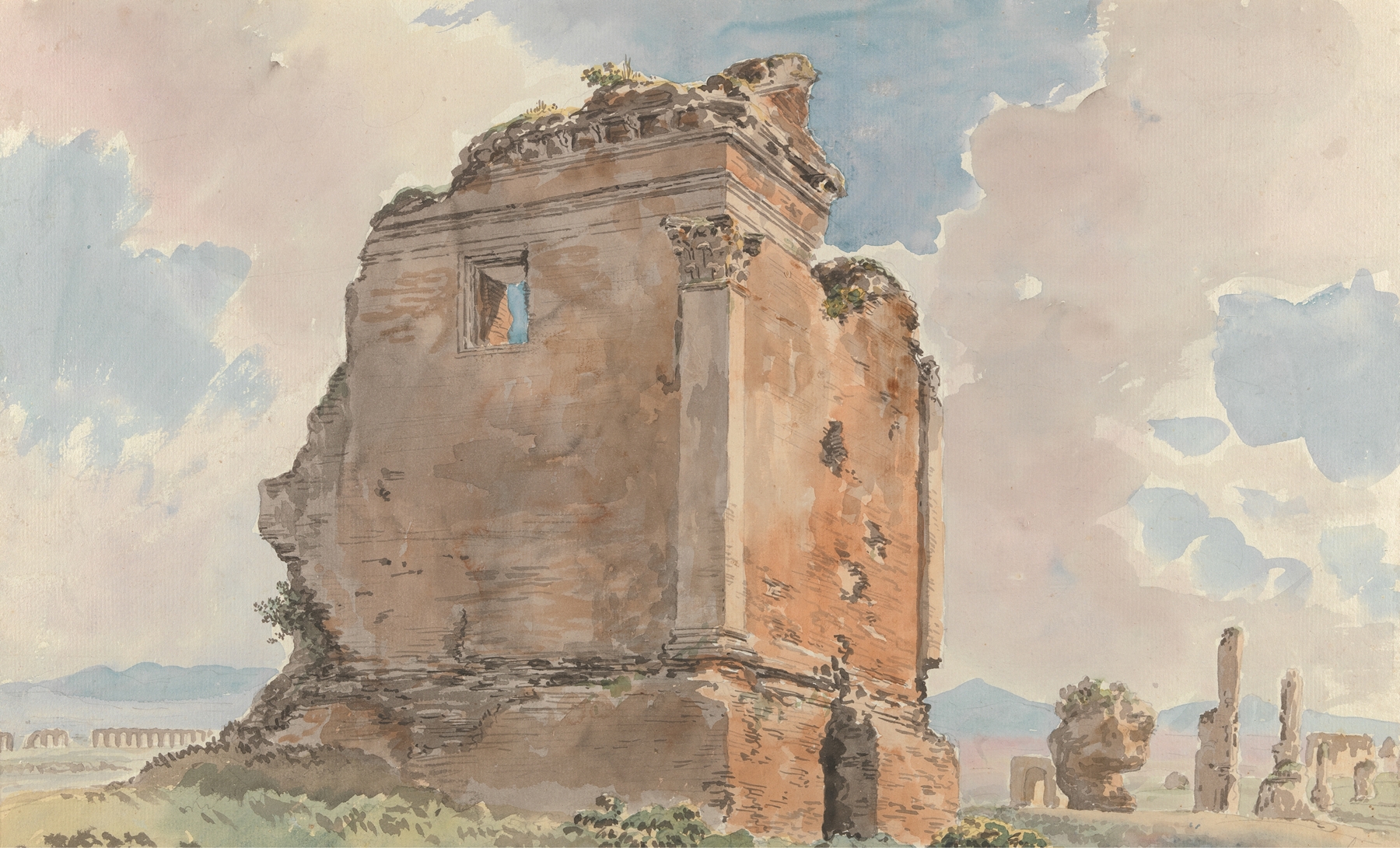
Sepulchre on the Via Nomentana in the Roman Campagna
Carlo Labruzzi
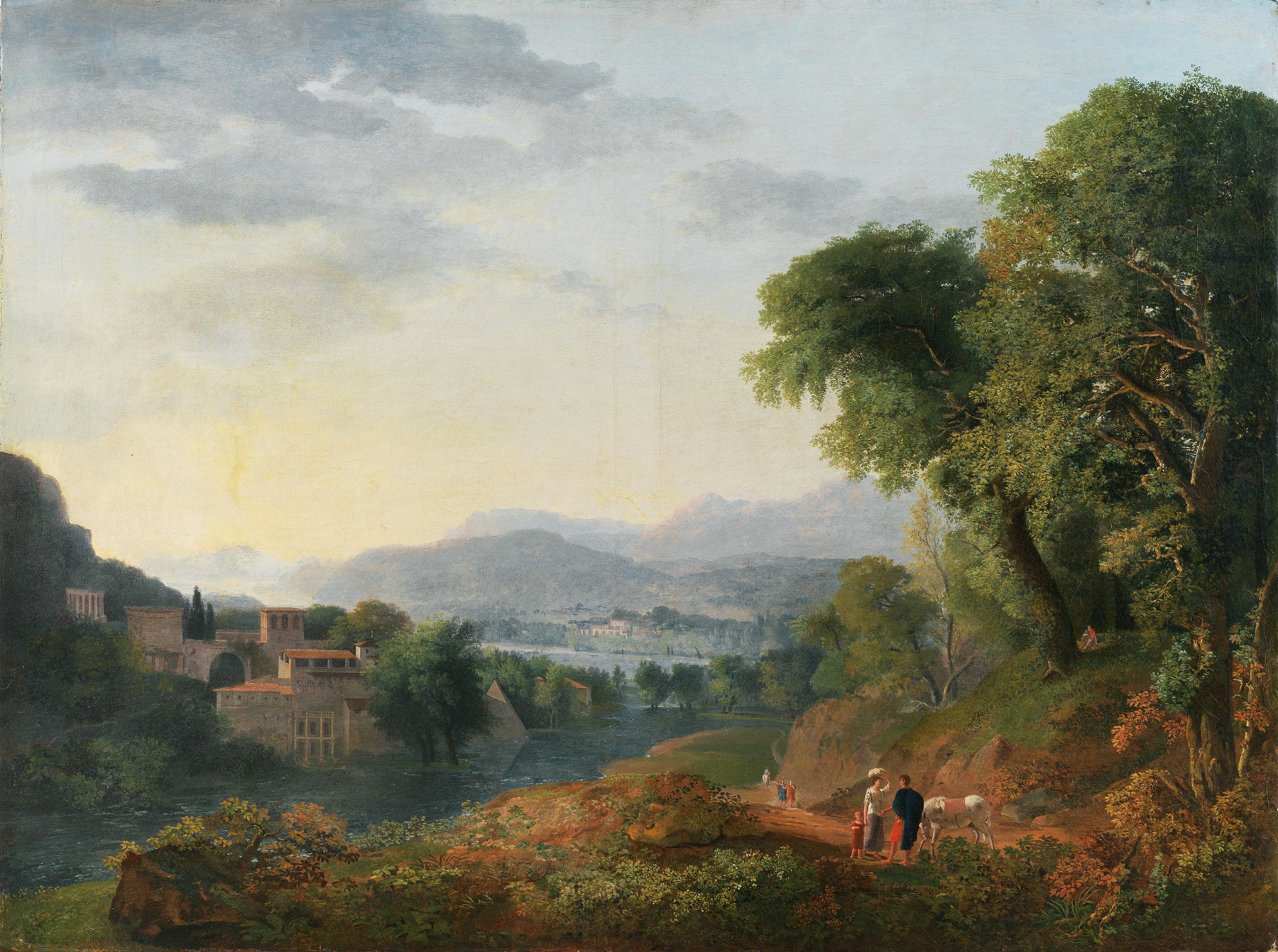
An Italianate landscape
Carlo Labruzzi
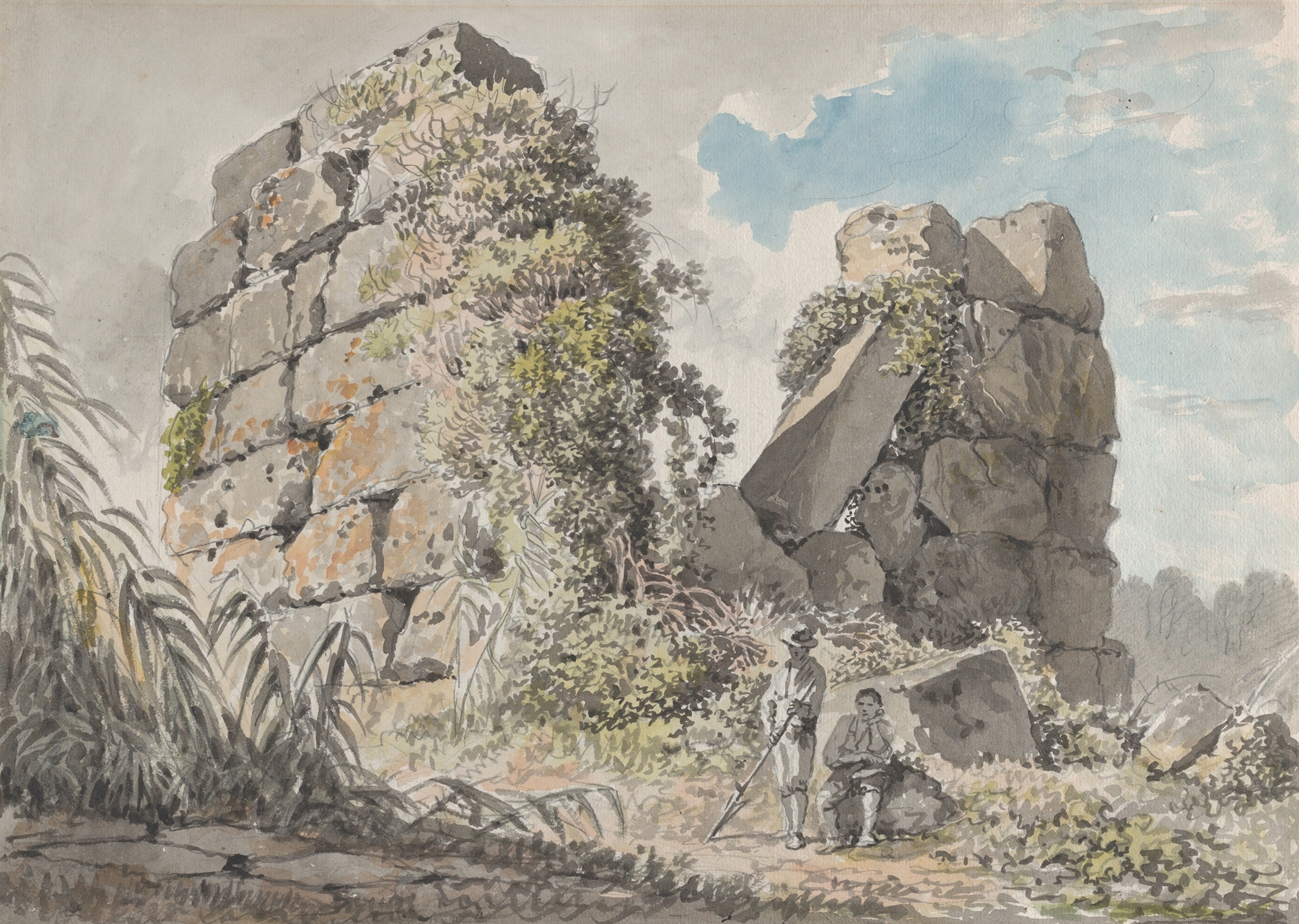
Ruins on the Right of the Via Appia
Carlo Labruzzi
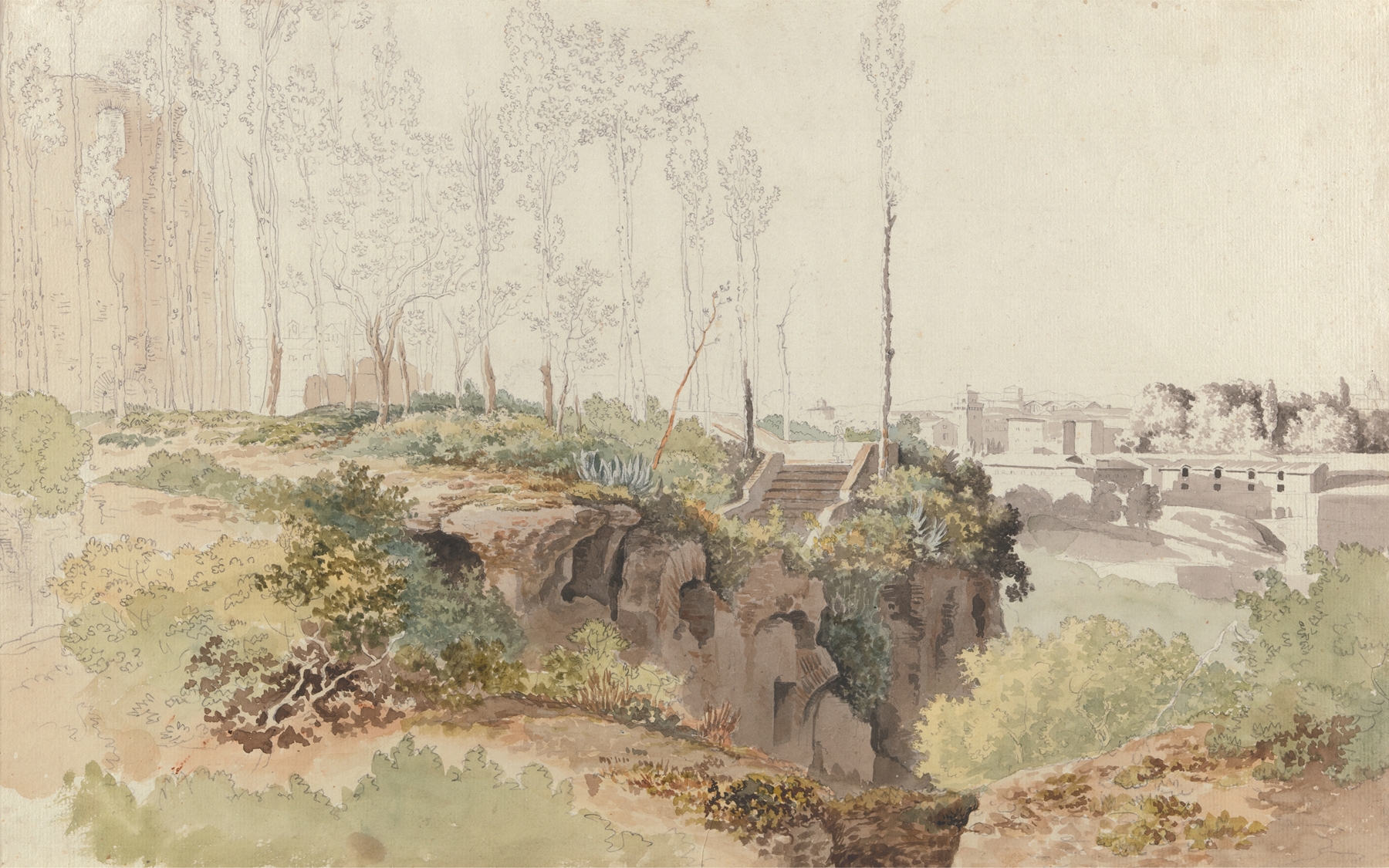
The Baths of Caracalla, Rome
Carlo Labruzzi
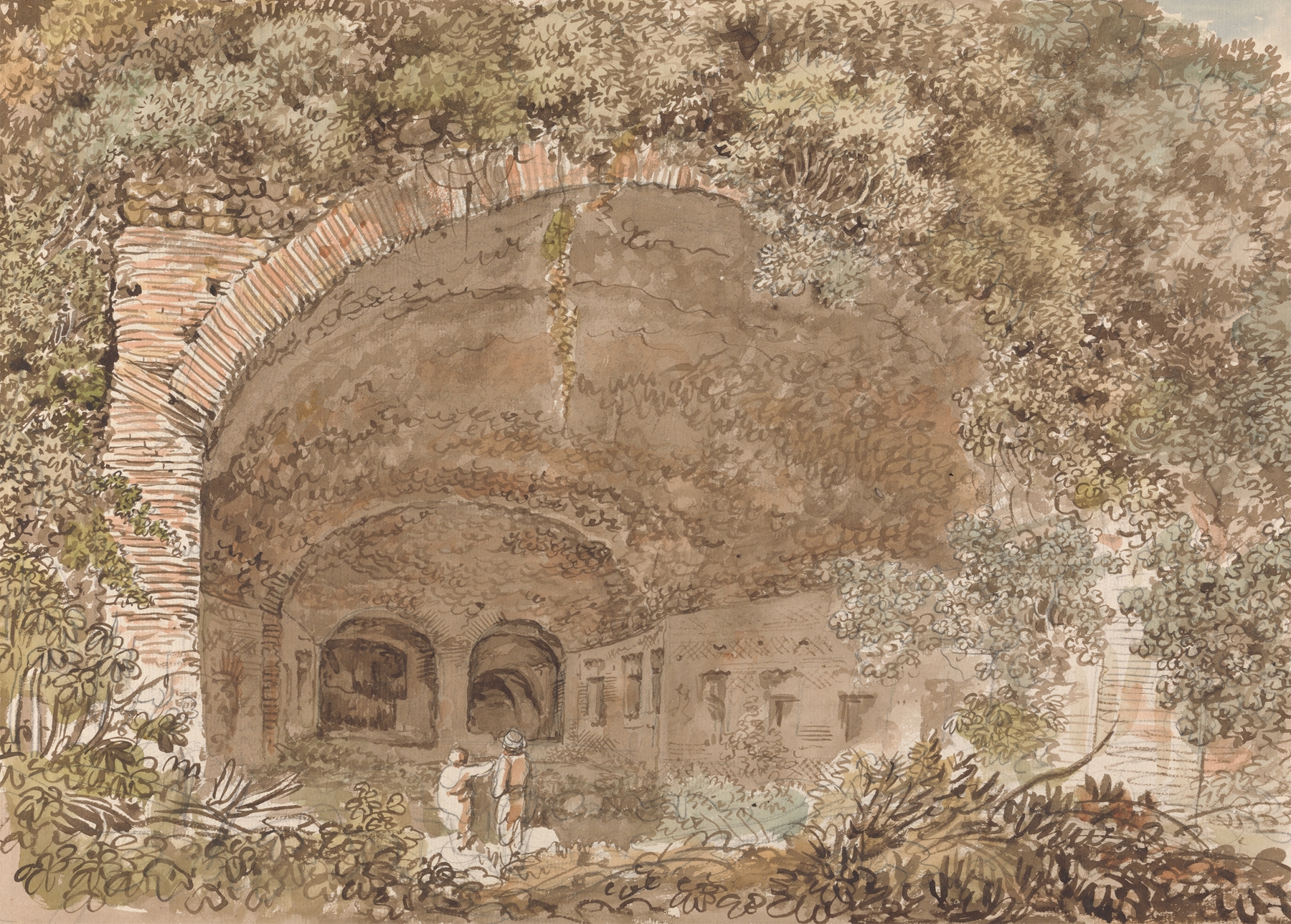
On the Appian Way
Carlo Labruzzi
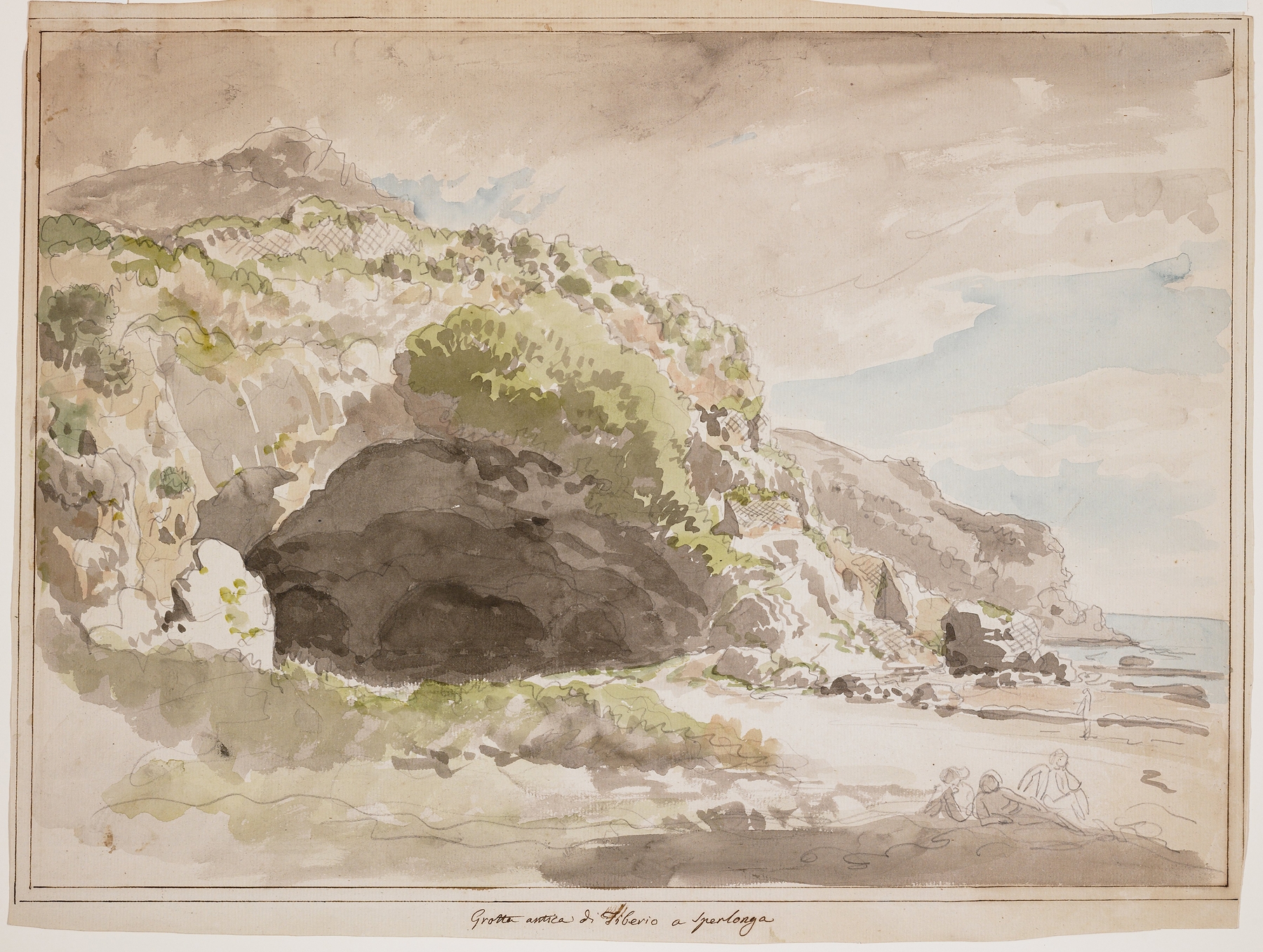
Grotto of Tiberius at Sperlonga
Carlo Labruzzi
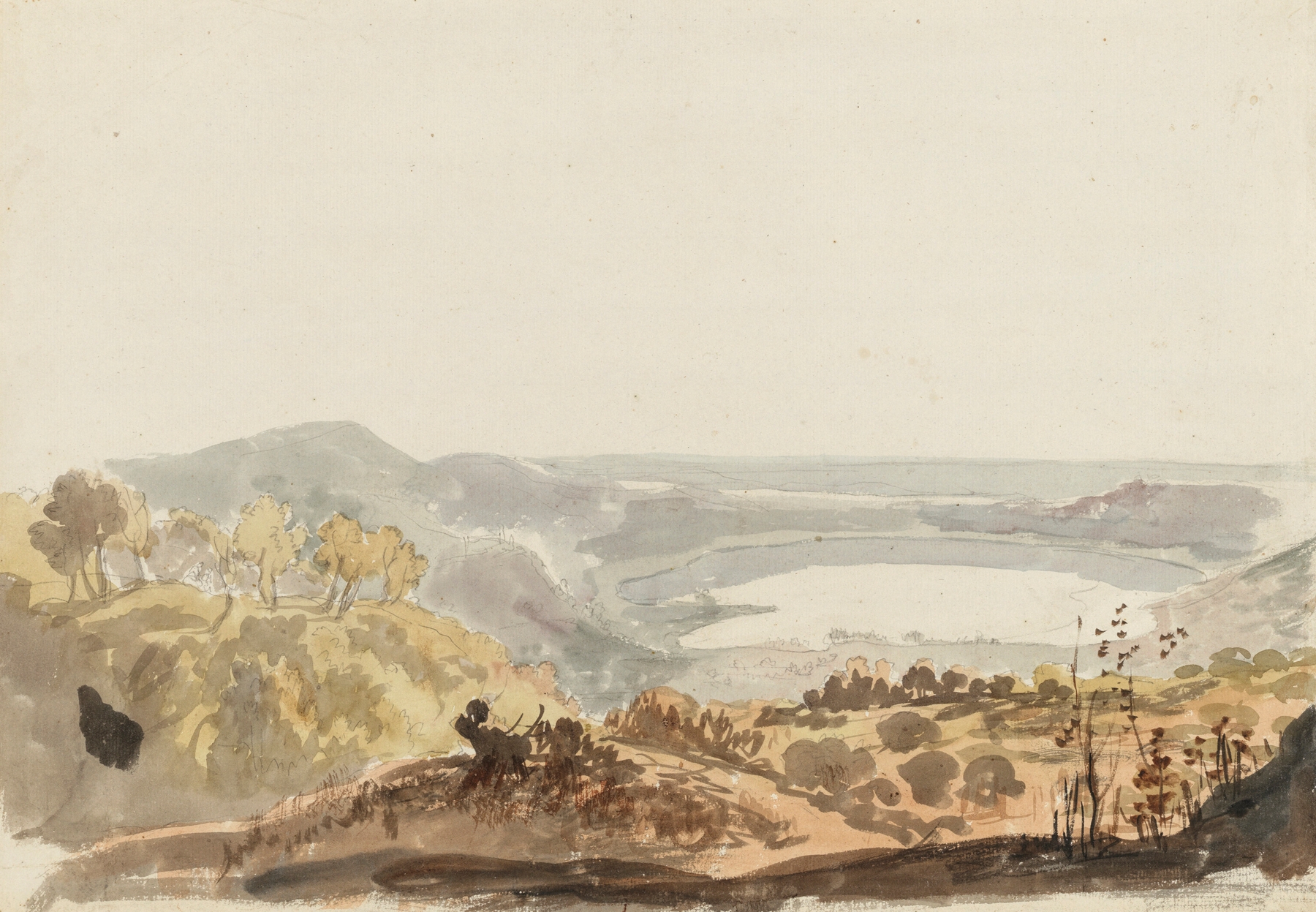
View of Lake Nemi looking towards Rome
Carlo Labruzzi
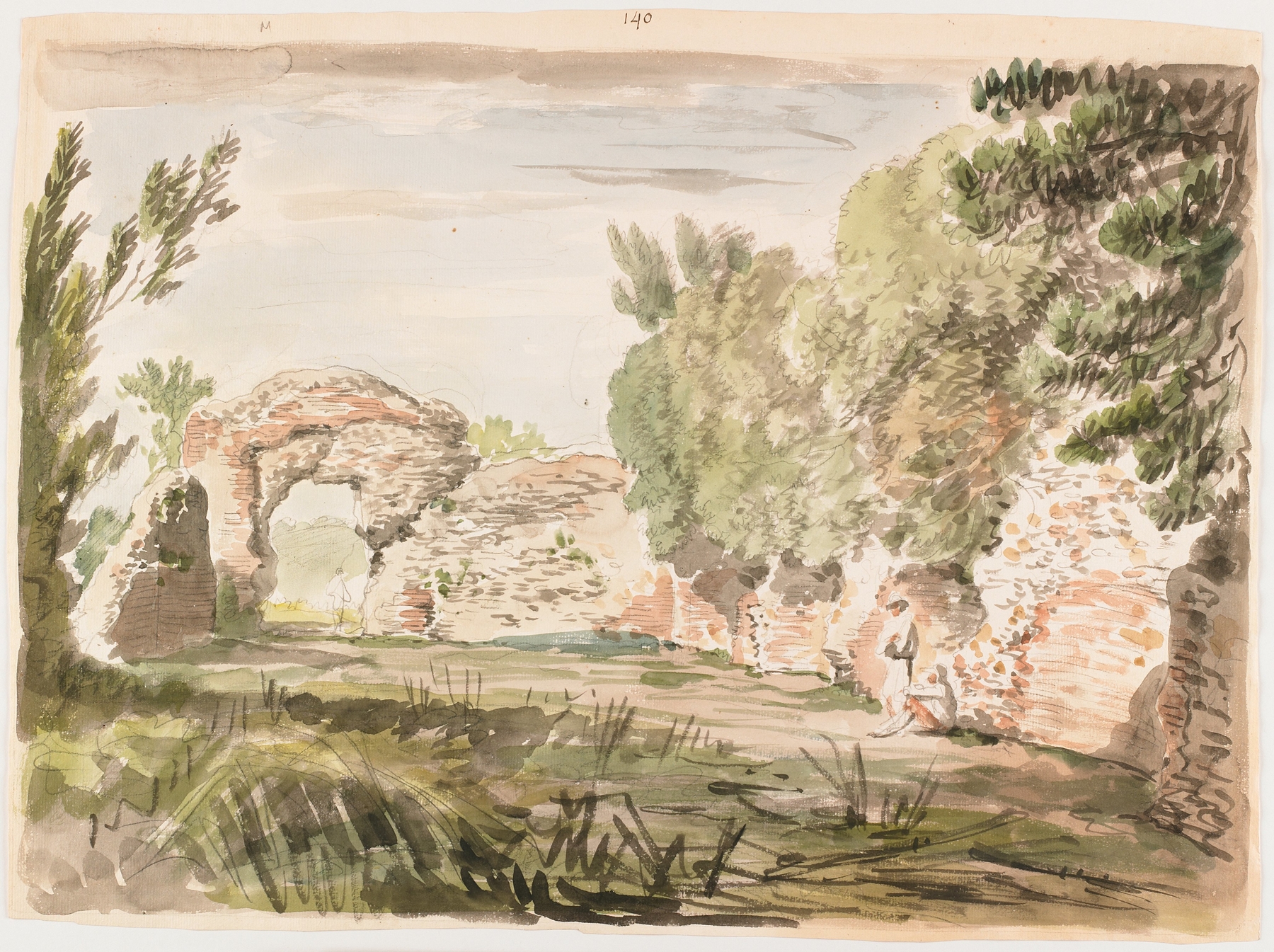
Landscape with Trees, Ruin and Three Figures
Carlo Labruzzi