A. Calame – Storm in the Haslithal, Bernese Oberland — History & Analysis
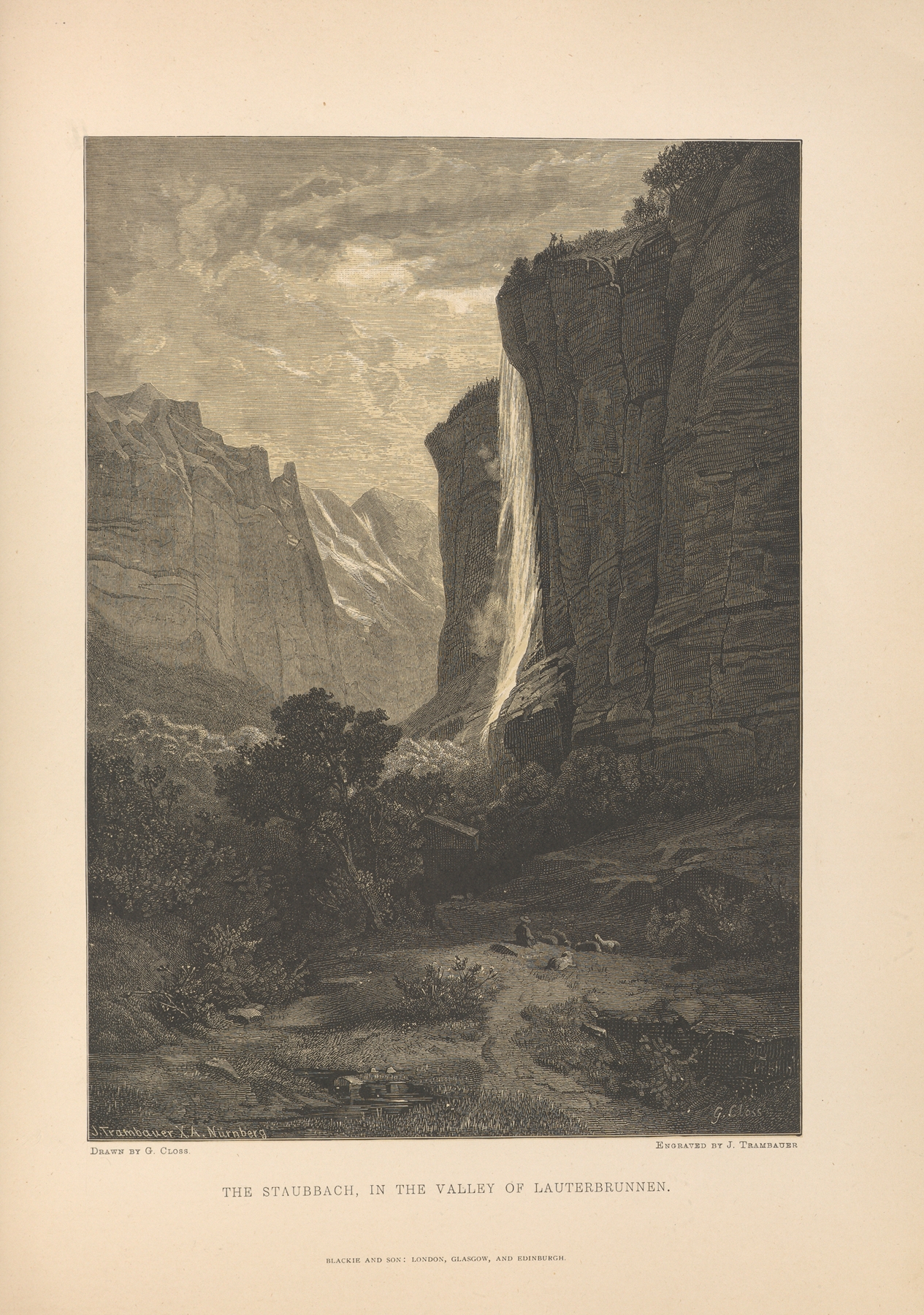
Could a single brushstroke hold eternity? In the natural world, where moments shift like shadows, the interplay of light and emotion captures the essence of what it means to exist. Focus on the sweeping landscape that unfolds across the canvas. Look to the left where dark, storm-laden clouds loom ominously above the jagged peaks of the Bernese Oberland.
The artist’s deft use of contrasting colors—deep blues and grays against vibrant greens—invites the viewer's eyes to dance through the brushstrokes, evoking a sense of both dread and awe. Notice how the light breaks through in patches, illuminating certain elements while leaving others shrouded in mystery, creating a tangible tension that resonates with the chaos of nature. Within the tumultuous scene lies a profound commentary on human vulnerability against the vastness of the natural world. The raw energy of the storm juxtaposes the serene beauty of the landscape, suggesting a fleeting moment of drama that speaks to our own existential struggles.
The swirling winds and crashing elements reflect the artist's own inner turmoil, capturing not just a storm but the very essence of transformation—a legacy that speaks to generations. In 1881, Theodor Gsell Fels painted this work during a time when European landscape painting was undergoing a significant evolution, embracing both Romanticism and Impressionism. Living in Switzerland, he was immersed in the breathtaking beauty of his surroundings, influenced by the changing currents of art. This period marked a growing fascination with capturing the sublime, setting the stage for the emotional depth and intricate detail seen in Storm in the Haslithal.