A Courtyard in Rome. Copy after Eckersberg — History & Analysis
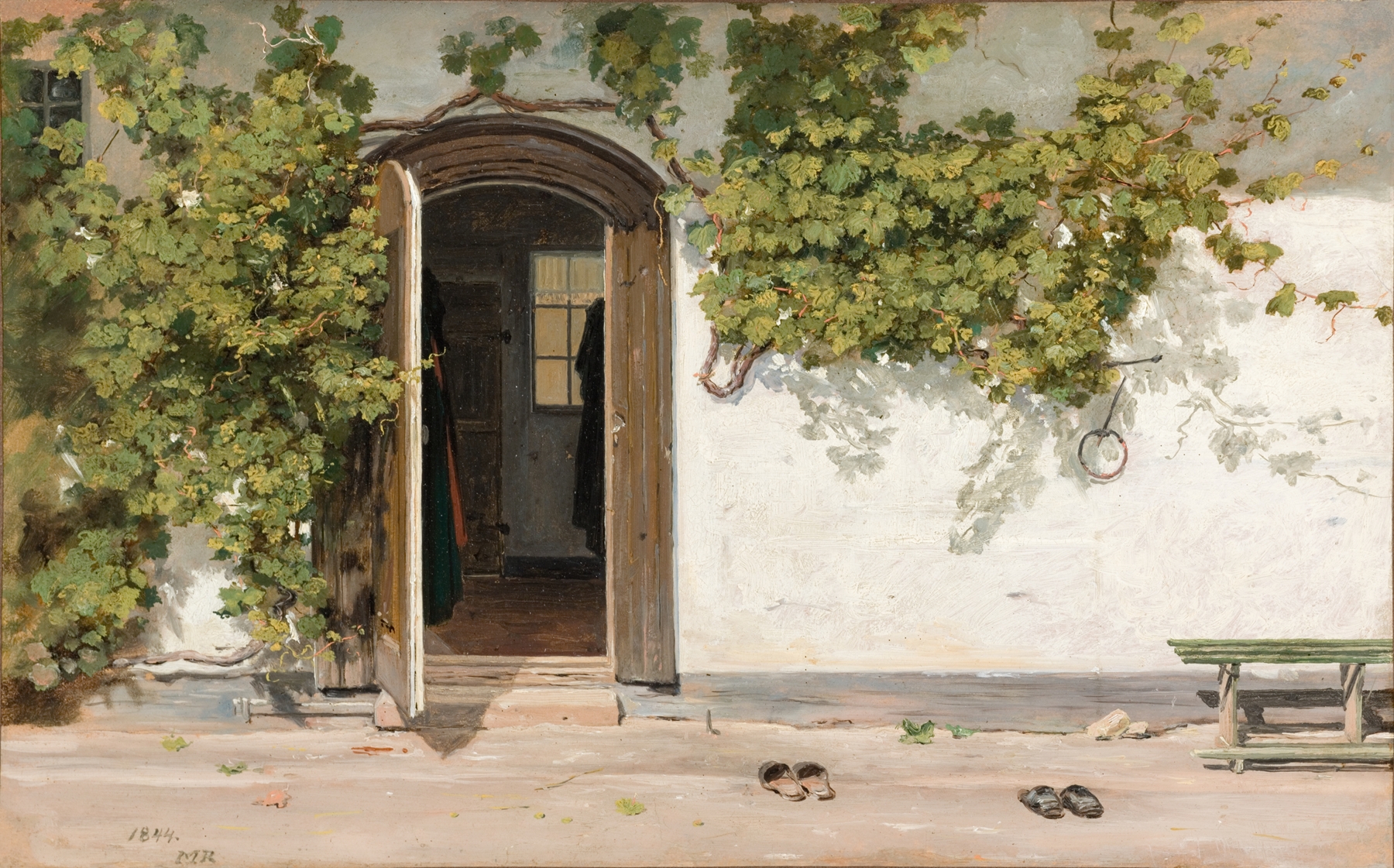
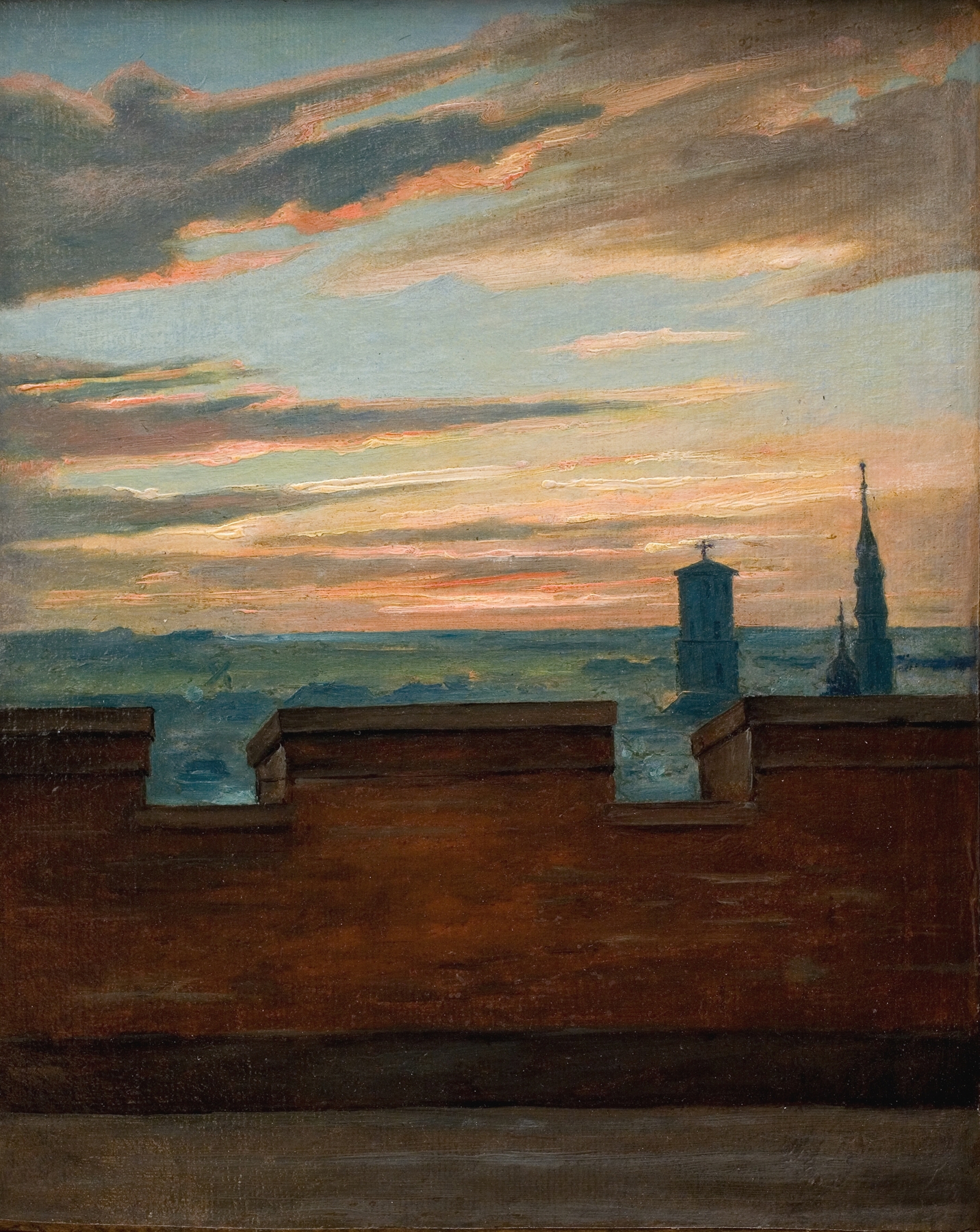
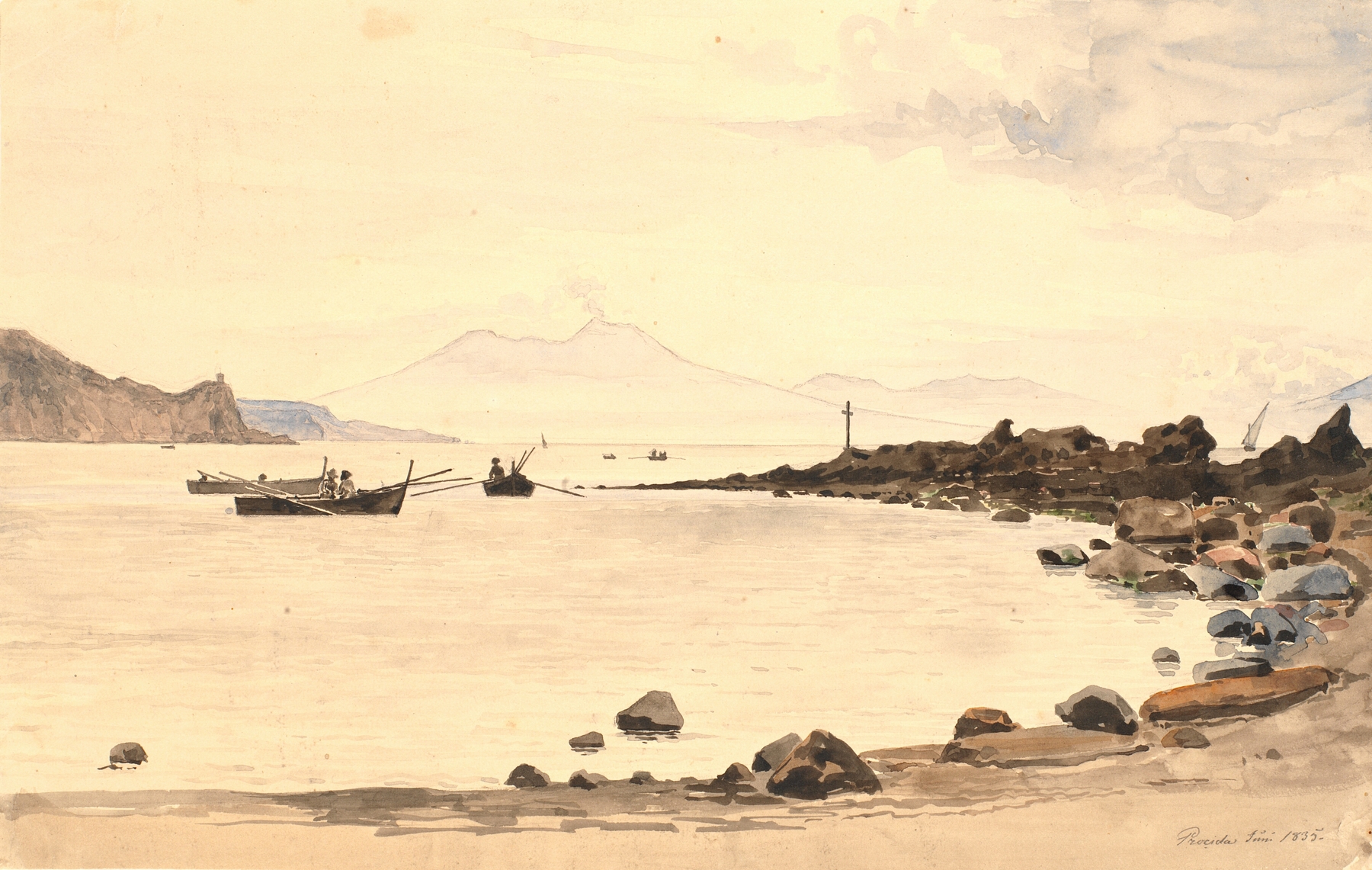
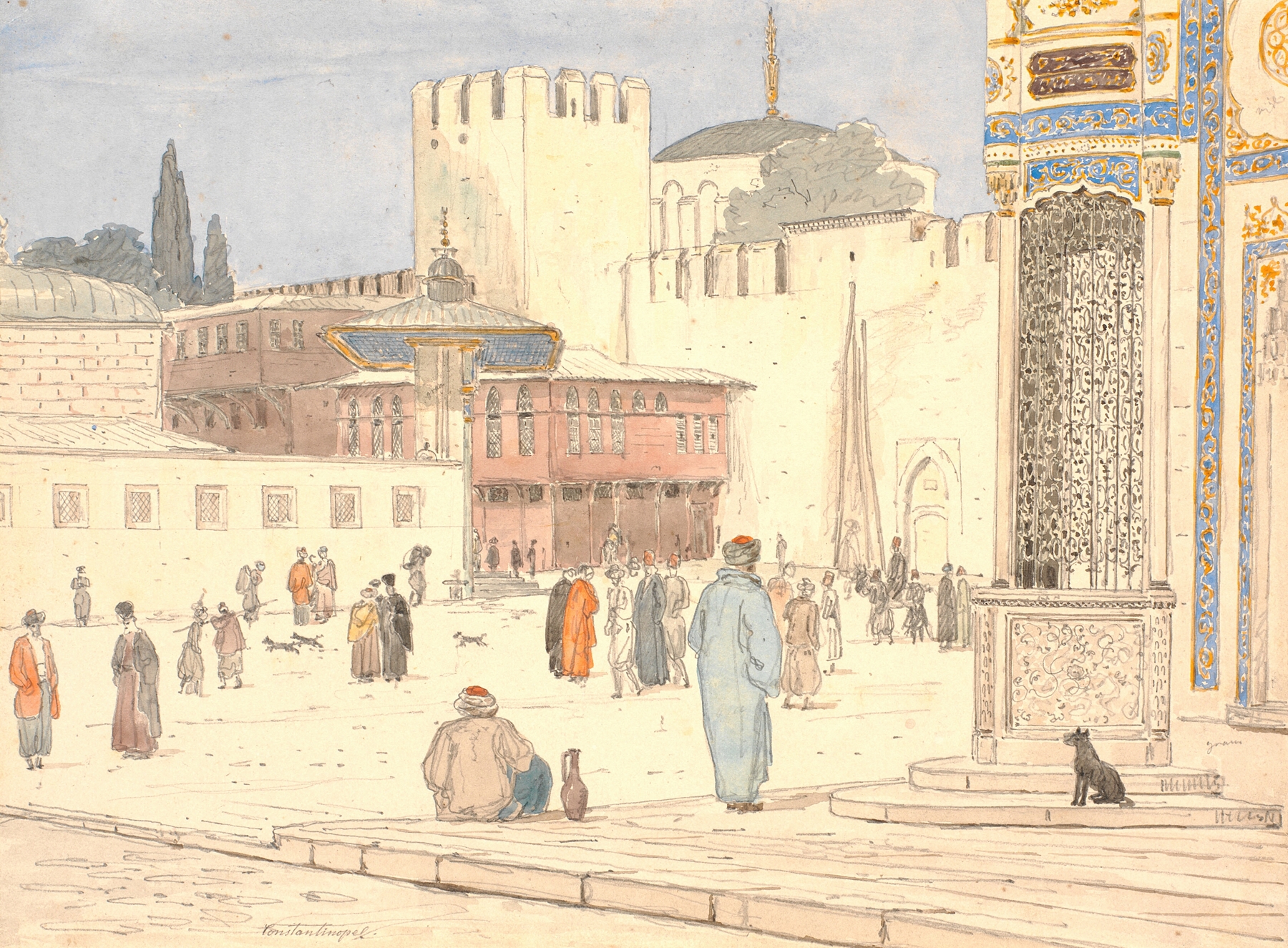
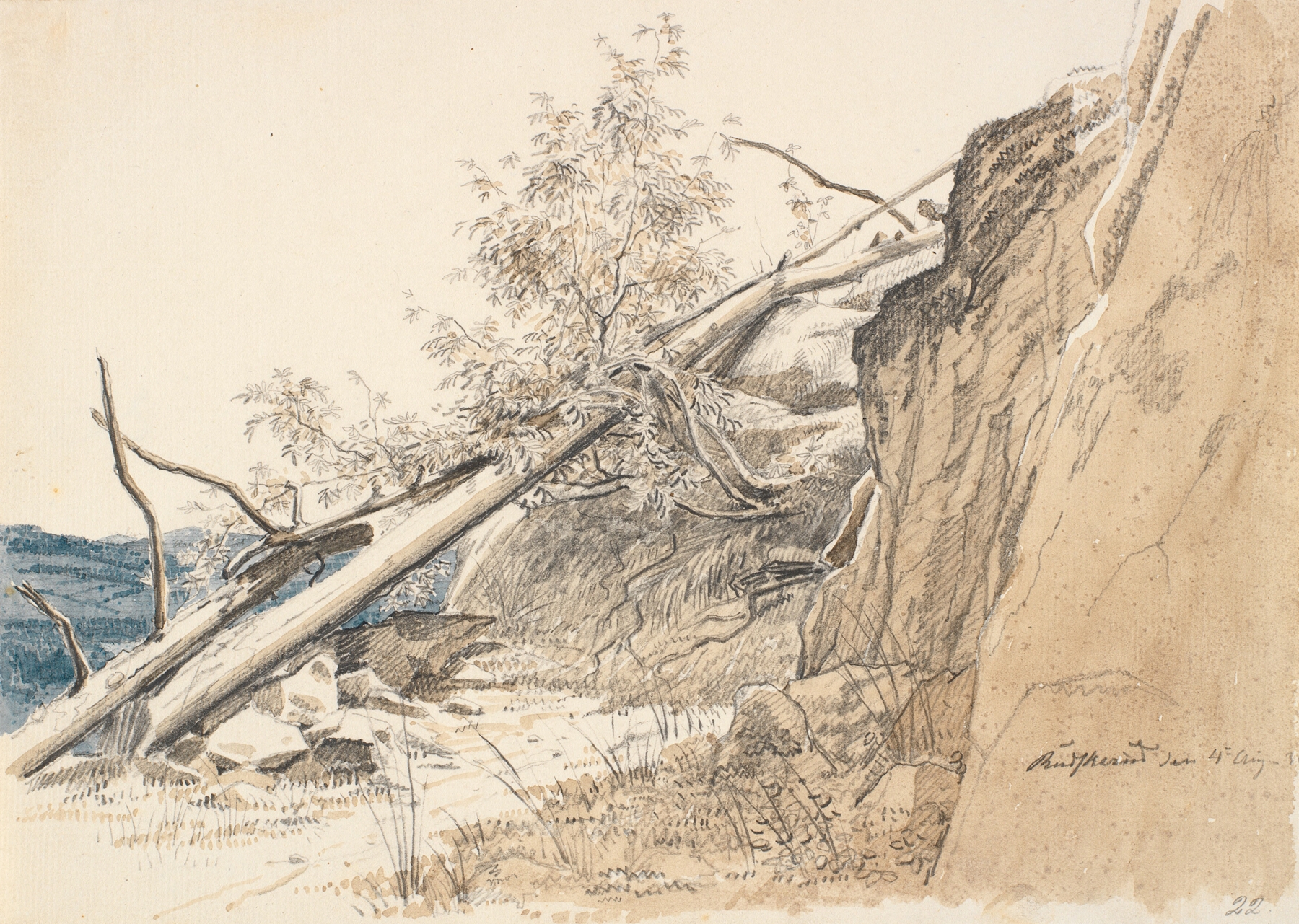
“Every brushstroke is a heartbeat remembered.” In the stillness of a courtyard, memories linger like echoes of laughter and whispers of loss. Each corner tells a story, imbuing the space with an emotional weight that transcends time. Look to the foreground, where ancient stone walls cradle the delicate play of light and shadow. The warm ochres juxtaposed against muted blues create a serene yet melancholic atmosphere, inviting contemplation.
Notice how the artist captures the subtleties of texture in the aged bricks and the vibrant greenery spilling from planters, each detail a testament to life’s tenacity amidst the passage of time. Within this tranquil scene, contrasts emerge like hidden veins of emotion. The dark shadows cast by the archways hint at memories long gone, while the patches of sunlight symbolize hope and renewal. The careful arrangement of architectural elements and foliage fosters a sense of intimacy, suggesting a sanctuary where grief is both acknowledged and transformed into a quiet beauty.
Martinus Rørbye painted this work between 1825 and 1831, during a period when he was deeply influenced by Romantic ideals and the emerging trend of capturing the intimate nuances of everyday life. Working in Rome, he experienced the vibrant artistic community in full swing, yet personally struggled with his own artistic identity. This piece reflects that duality—an intersection of historical richness and personal introspection, where every stroke serves as a tribute to what has been lost and what persists.