A Gypsy Camp at Sunset — History & Analysis
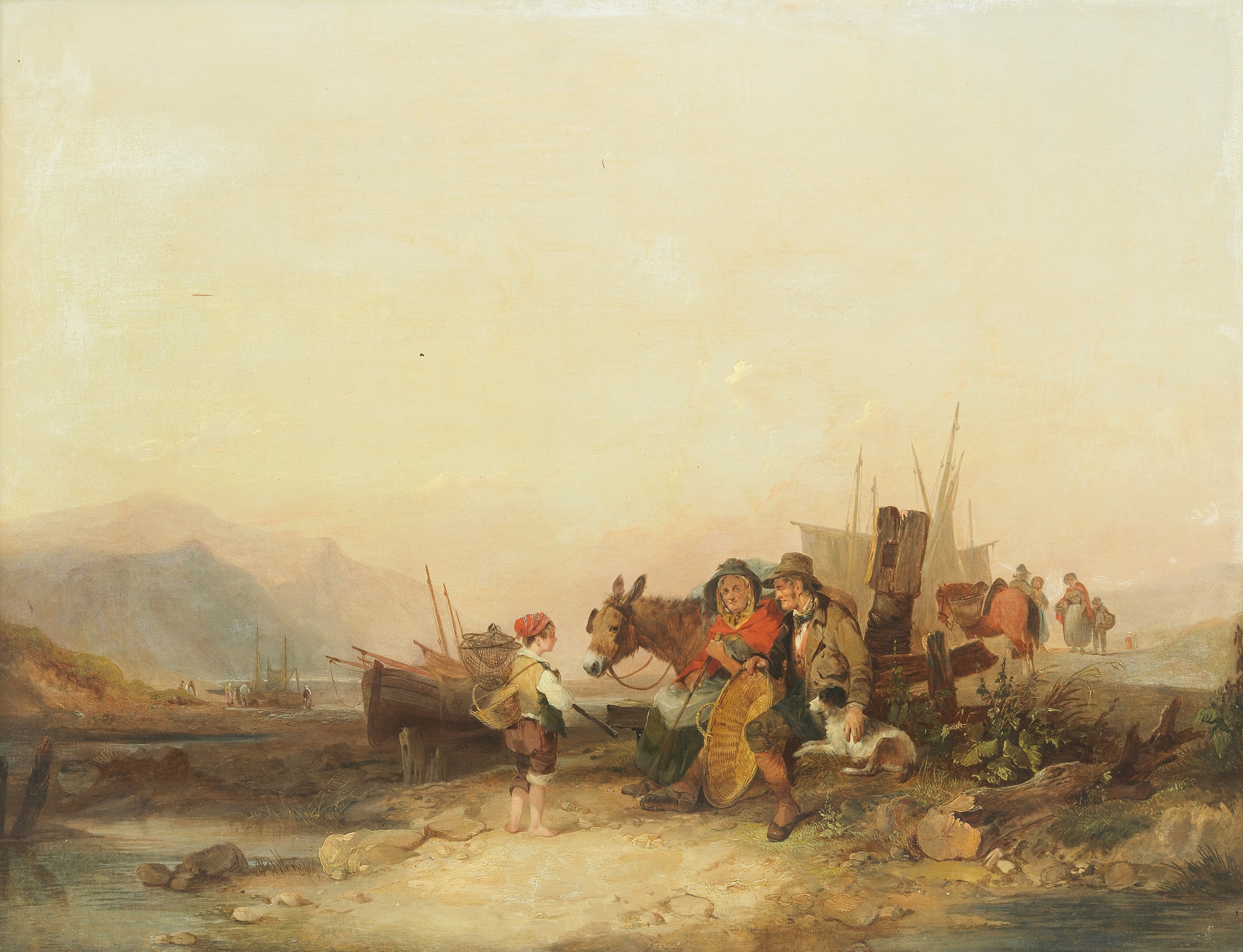
“Every brushstroke is a heartbeat remembered.” In the quiet lull of twilight, hope lingers like the last light on the horizon, promising the warmth of tomorrow. Look to the left at the vivid palette of oranges and purples that bleed into one another, capturing the fleeting beauty of dusk. The camp, nestled in the embrace of nature, exudes a sense of serenity, with figures gathered around a fire, their shadows dancing against the canvas. The artist's delicate brushwork brings the scene to life, with each detail — from the intricate fabrics of the gypsies' garments to the soft glow of the embers — inviting viewers to step into this moment suspended in time.
The painting evokes a poignant contrast between the wildness of the gypsy lifestyle and the tranquility of the natural world surrounding them. The flickering flames symbolize not just warmth but the resilience of the human spirit amidst uncertainty. As the sun sets, it evokes the impermanence of life, simultaneously igniting a flicker of hope in the face of darkness, suggesting that even in transition, there is beauty to be found.
In 1856, the artist created this piece during a period marked by transformations in both society and art. Living in England, Shayer was influenced by the burgeoning Romantic movement, which celebrated the natural world and individual experience. His choice of subject matter reflects an era wrestling with industrialization and the loss of pastoral life, capturing the essence of a time when hope could still be found in simplicity and connection to nature.