A Halt at the Inn — History & Analysis
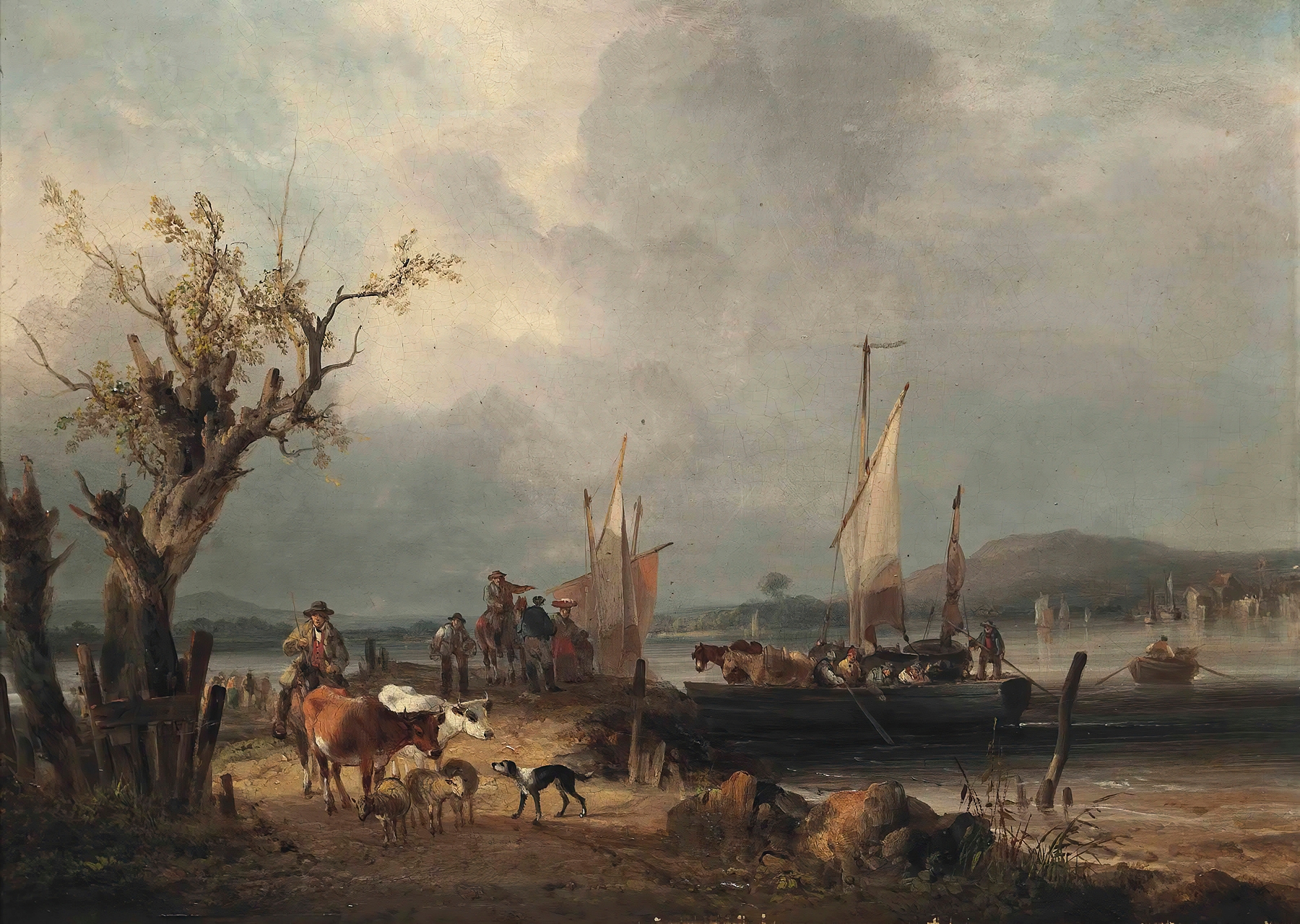
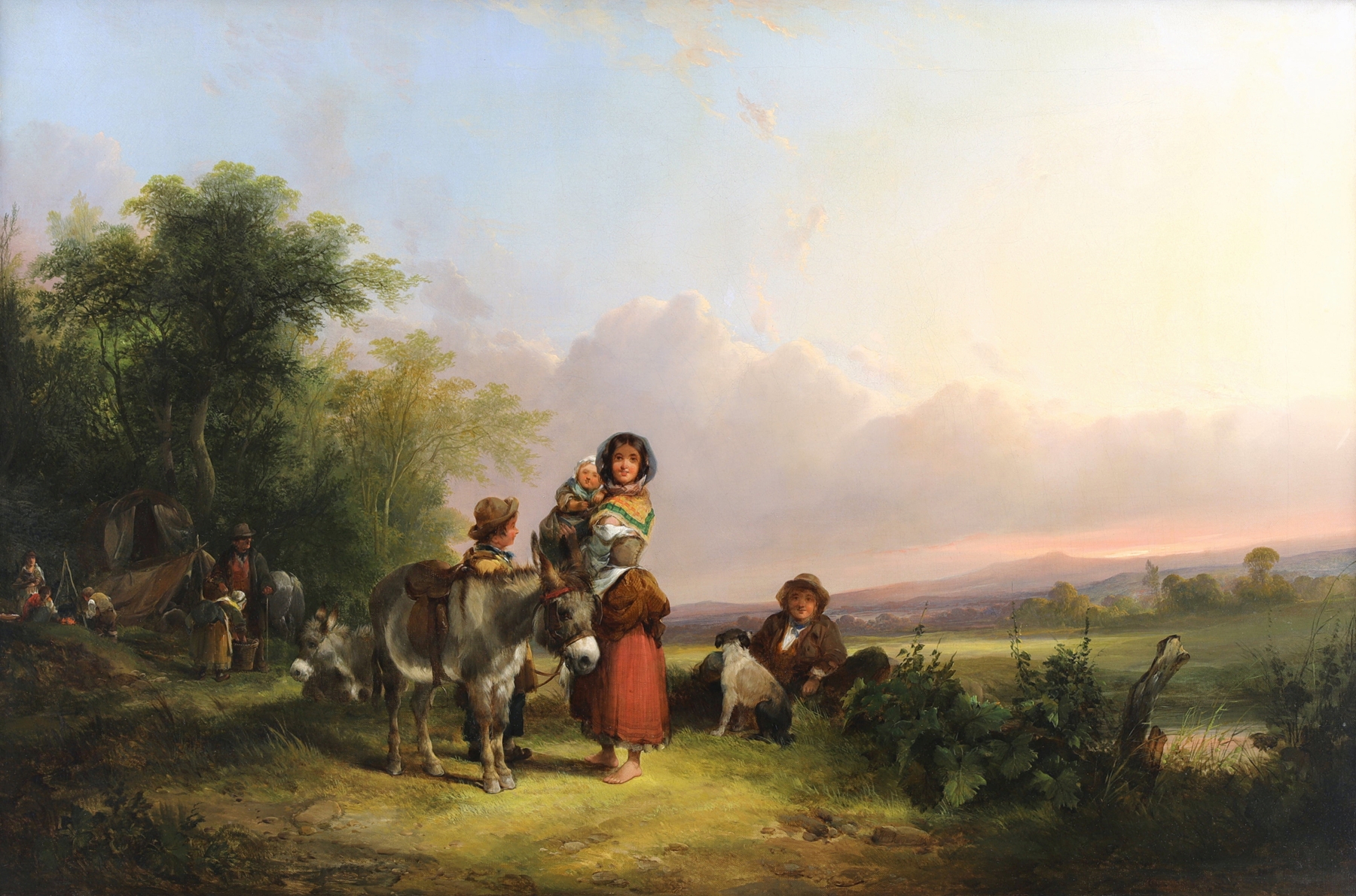
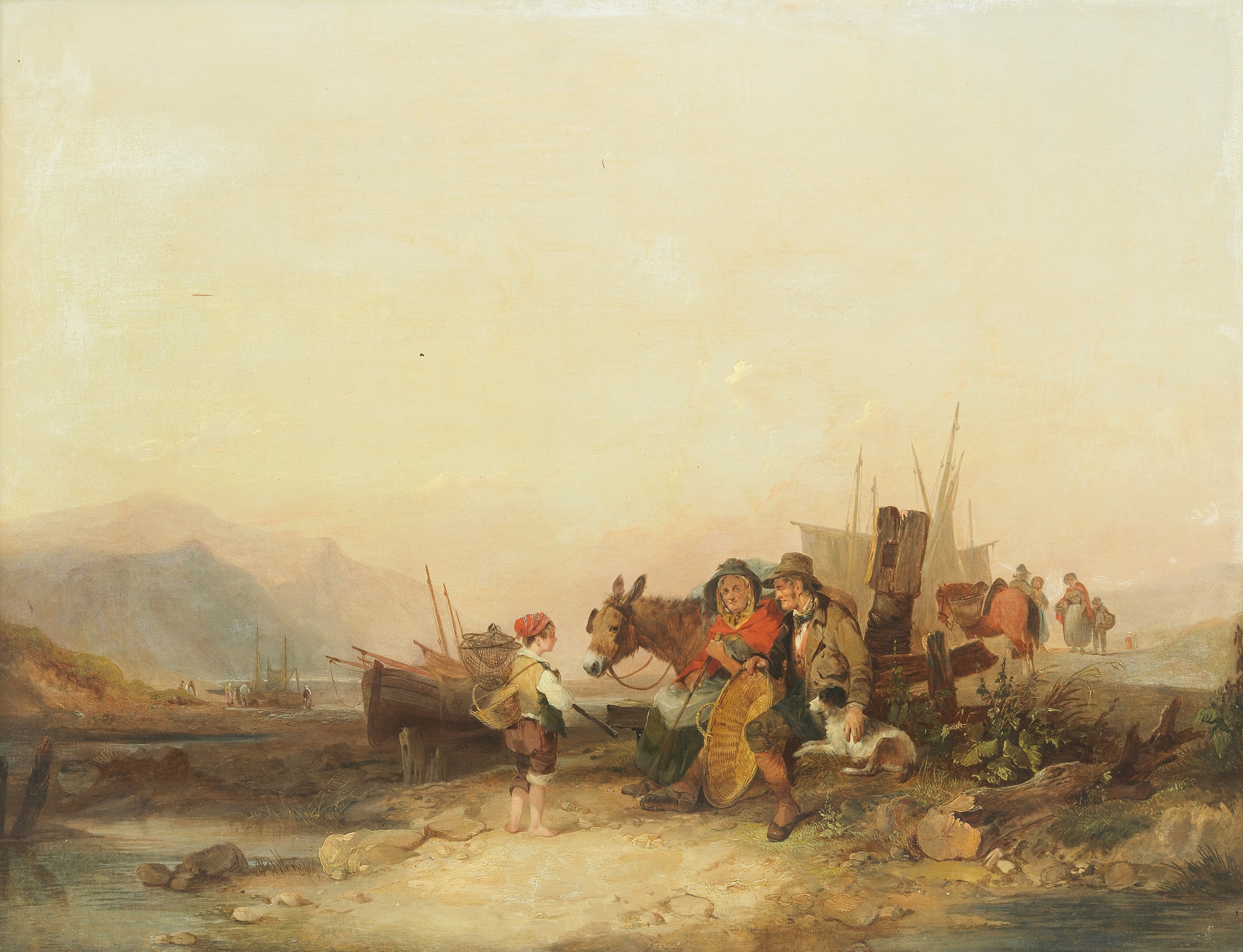
Can beauty exist without sorrow? In the stillness of a quiet inn, the balance between peace and melancholy rests delicately in the air. Look to the left at the softly illuminated doorway, where warm light spills onto the cobblestone path, inviting weary travelers inside. Notice the subtle blend of earthy tones, masterfully applied, that creates a serene atmosphere. The figures gathered near the entrance, draped in cloaks, seem to share an unspoken bond, each face reflecting a different aspect of their journey.
The artist's brushwork adds a gentle fluidity to their movements, making the scene feel alive, yet suspended in time. Beneath the surface serenity lies a complex narrative of human experience. The inn stands as a refuge, symbolizing solace for the souls weary from the trials of the outside world. Yet, the patrons’ downturned eyes hint at untold stories and burdens they carry.
The contrast between the warm light of the inn and the shadowy corners of the scene illustrates the duality of comfort and isolation, suggesting that even in tranquility, sorrow often dwells close by. William Shayer painted this work during a time when he was deeply influenced by the Romantic movement, which emphasized emotion and individual experience. While the exact date remains uncertain, his career flourished in the early to mid-19th century, a period marked by profound changes in society and artistic expression. As he captured this moment, Shayer navigated a world in transition—one that continually teetered between hope and despair, mirroring the human condition he so eloquently portrayed.