Steeplechasing- The Hurdle — History & Analysis
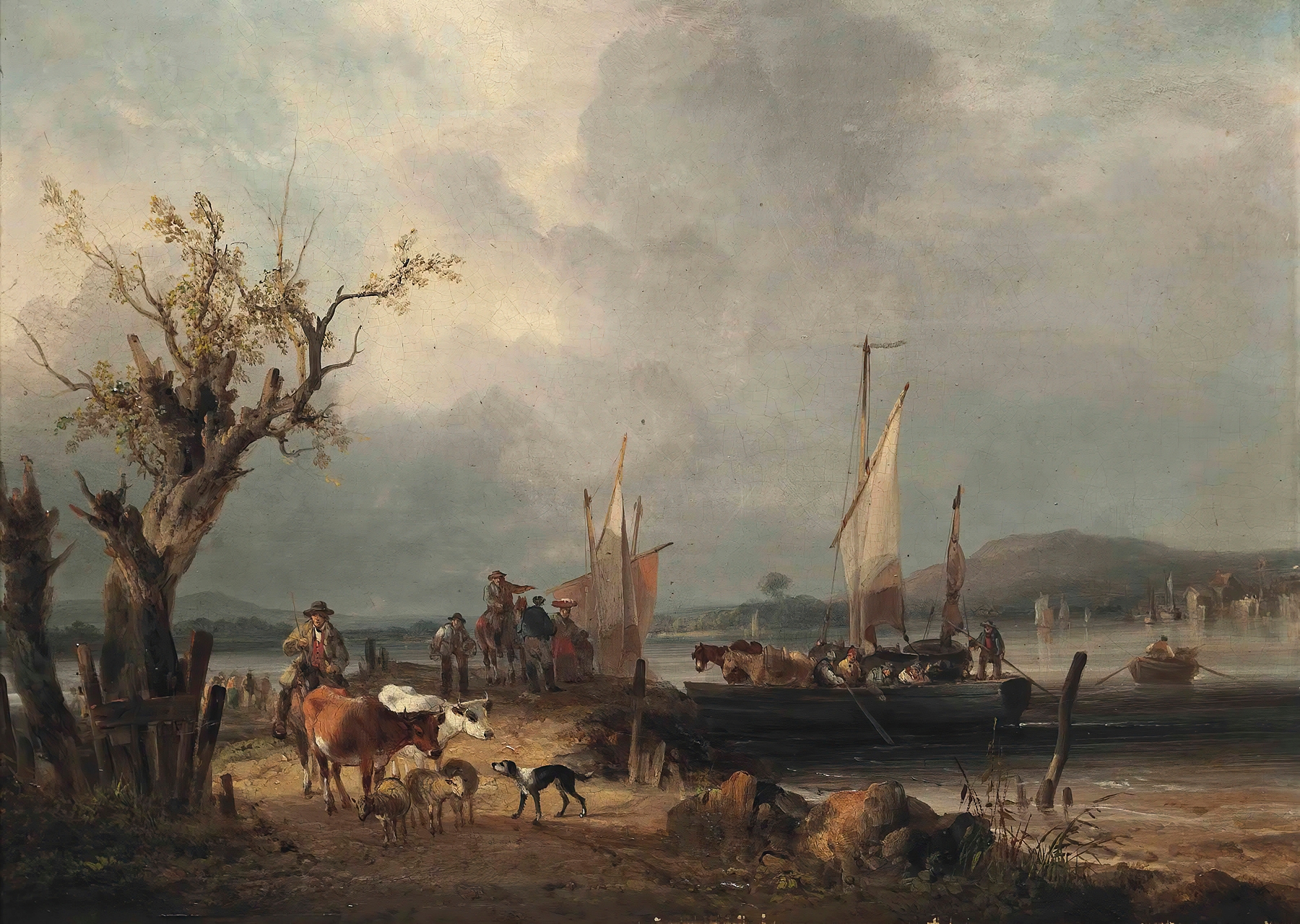
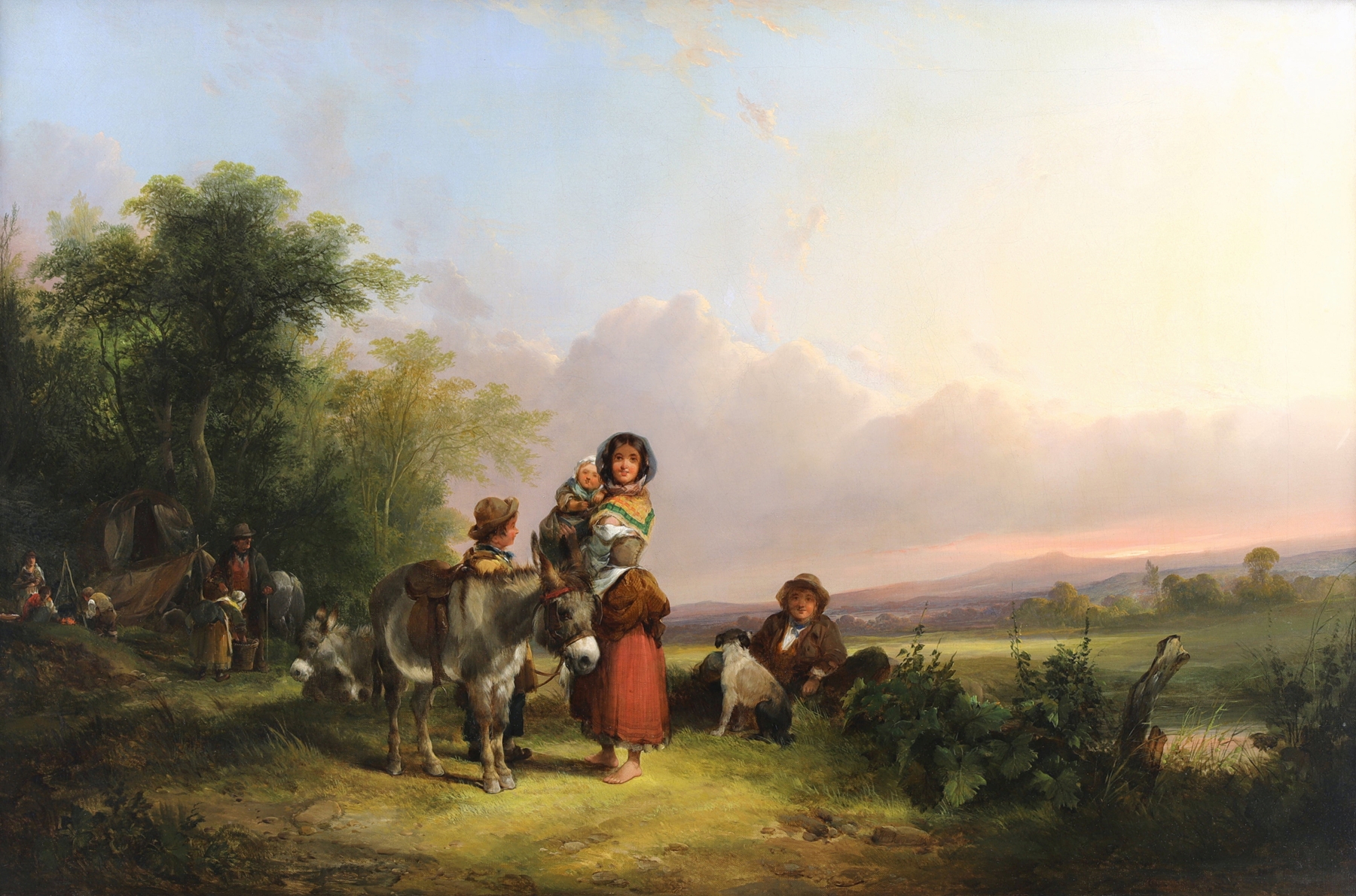
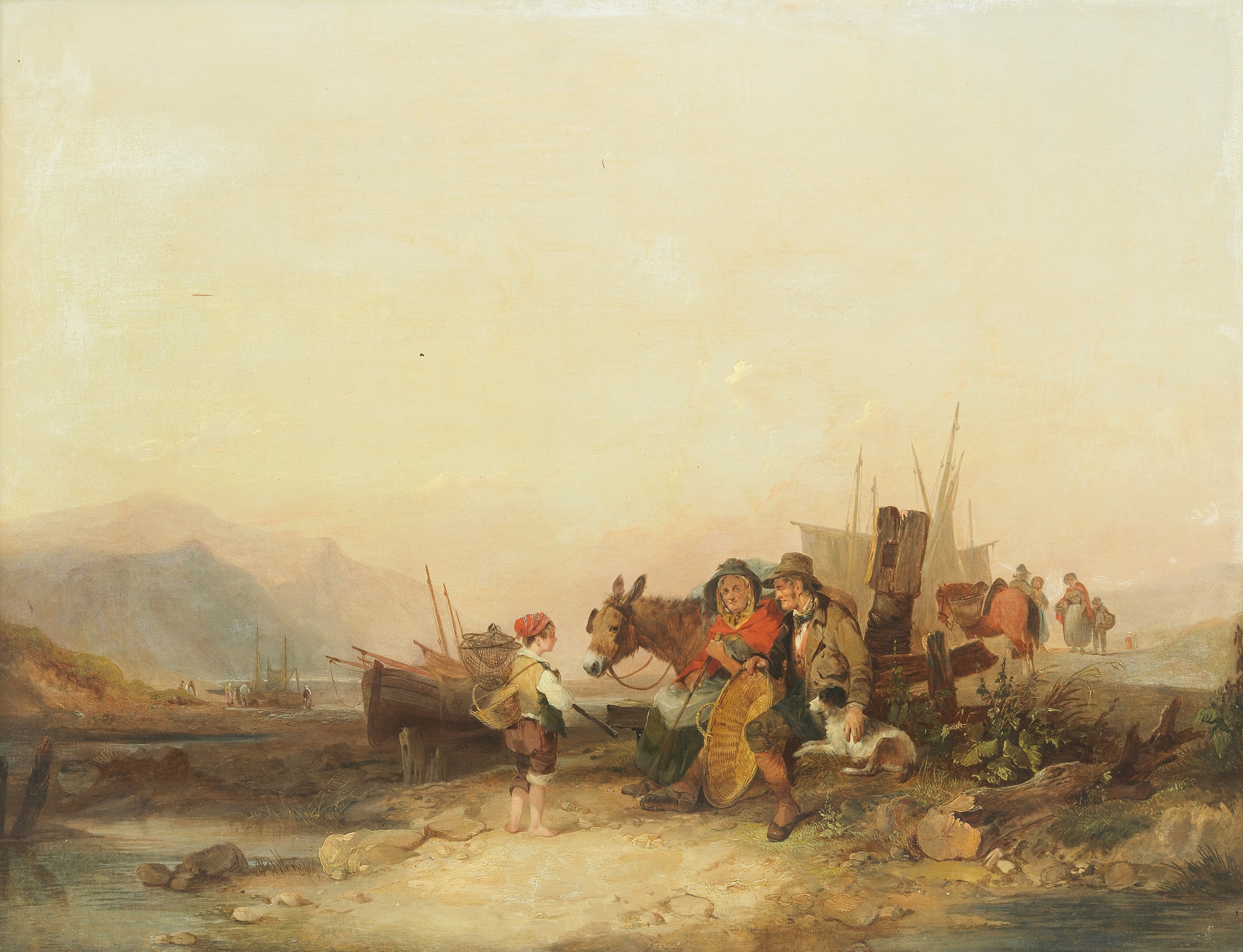
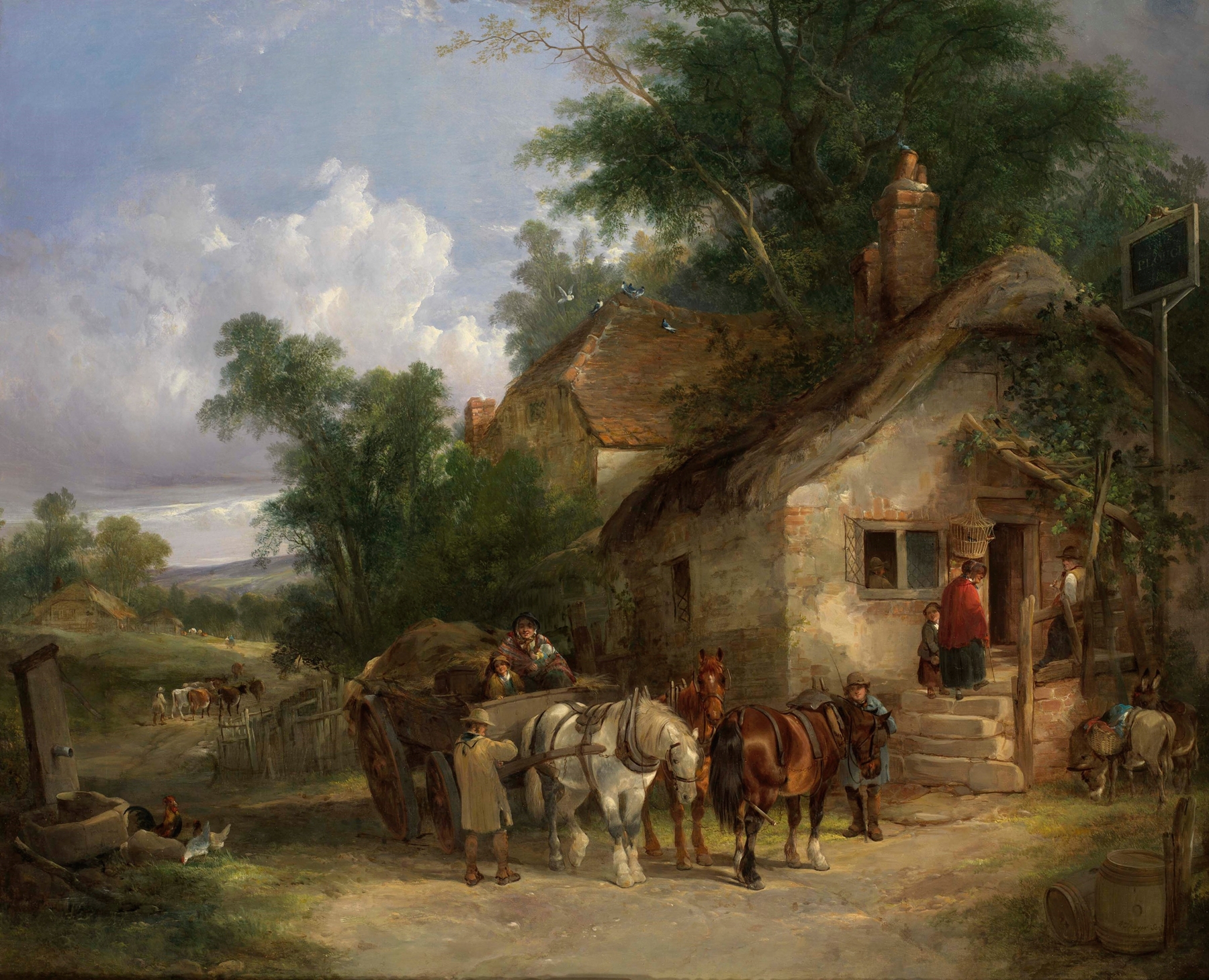
“Art reveals the soul when the world turns away.” In the stillness of solitude, a moment is carved, revealing the quiet ache of the human experience. Here, in the space between life and art, we find echoes of loneliness. Look closely at the central figure, poised mid-stride, muscles taut and defined against the backdrop of the sprawling landscape. Notice how the light washes over the scene, casting long shadows that evoke a certain introspection.
The careful brushstrokes create a sense of movement, yet the surrounding emptiness amplifies the solitude of the runner. Rich greens and browns envelop the composition, grounding the figure while simultaneously reflecting the weight of isolation. As your gaze travels outward, consider the contrast between the athlete's determination and the vast, open fields that surround him. The hurdle stands not just as a physical barrier but as a symbol of the challenges we face in our pursuit of connection.
There is a yearning captured in the tension of the limbs, and the silence of the landscape speaks of so much more than mere athleticism; it captures the struggle against existential loneliness. The artwork emerged from the hand of William Shayer during a time when the art world was grappling with evolving themes of realism and individual expression. Though the exact date remains unknown, it reflects a period when artists sought to delve into the human condition, revealing deeper truths through the lens of sport and nature. Shayer’s focus on the solitary athlete speaks to a universal experience, resonating with an audience yearning for emotional connection amidst the vastness of life.