A Scene in Mannswörth on the Danube — History & Analysis
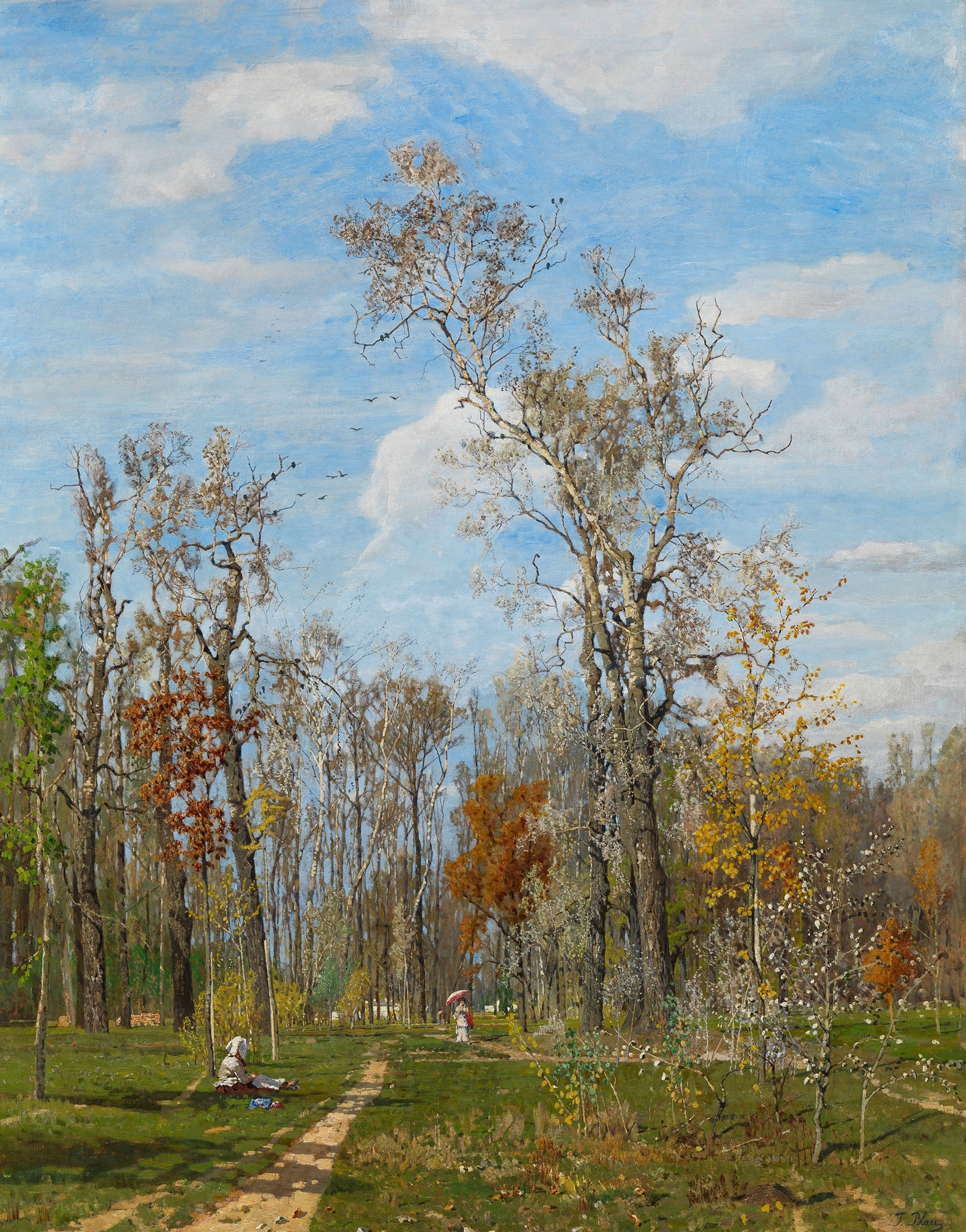
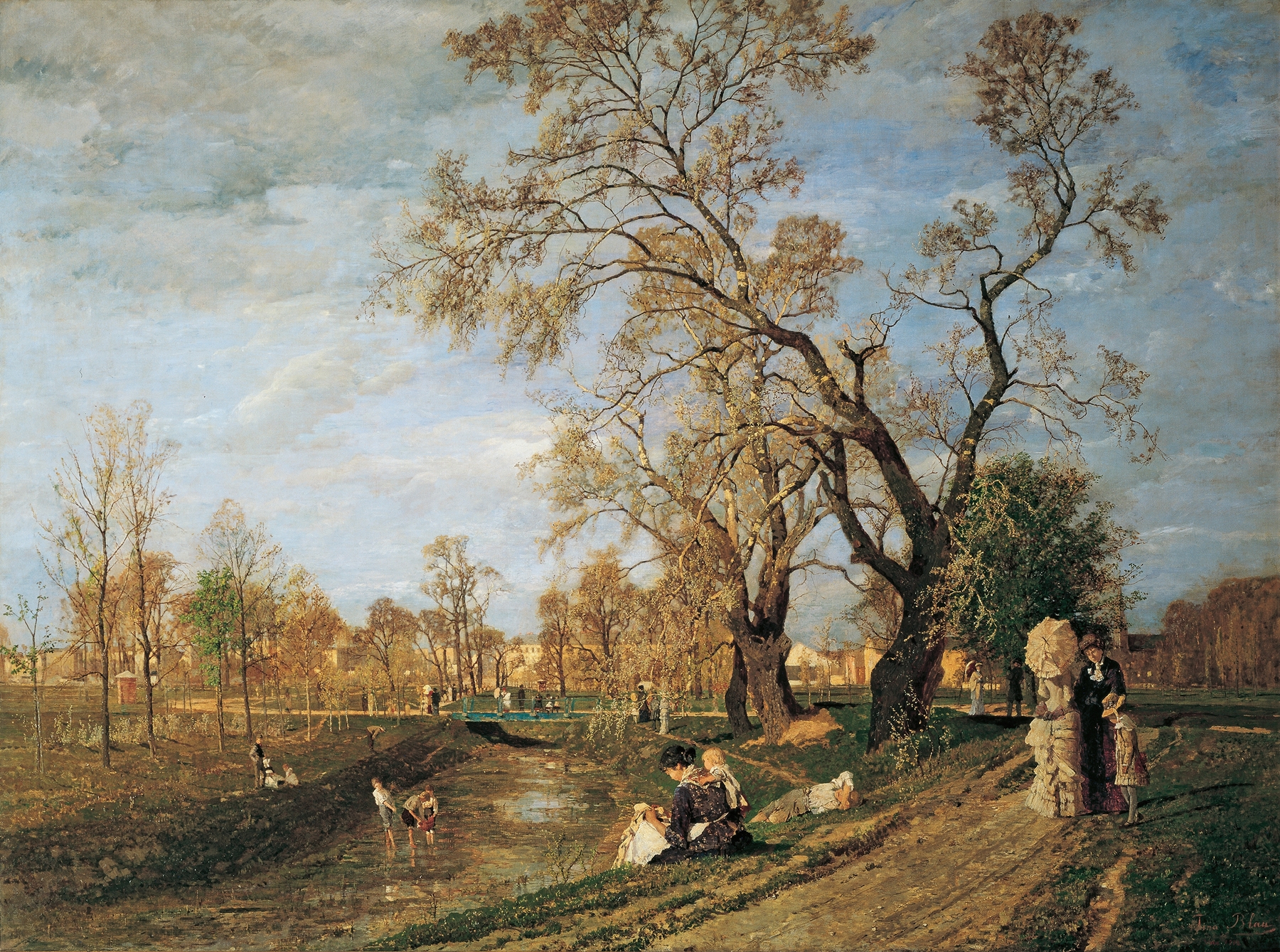
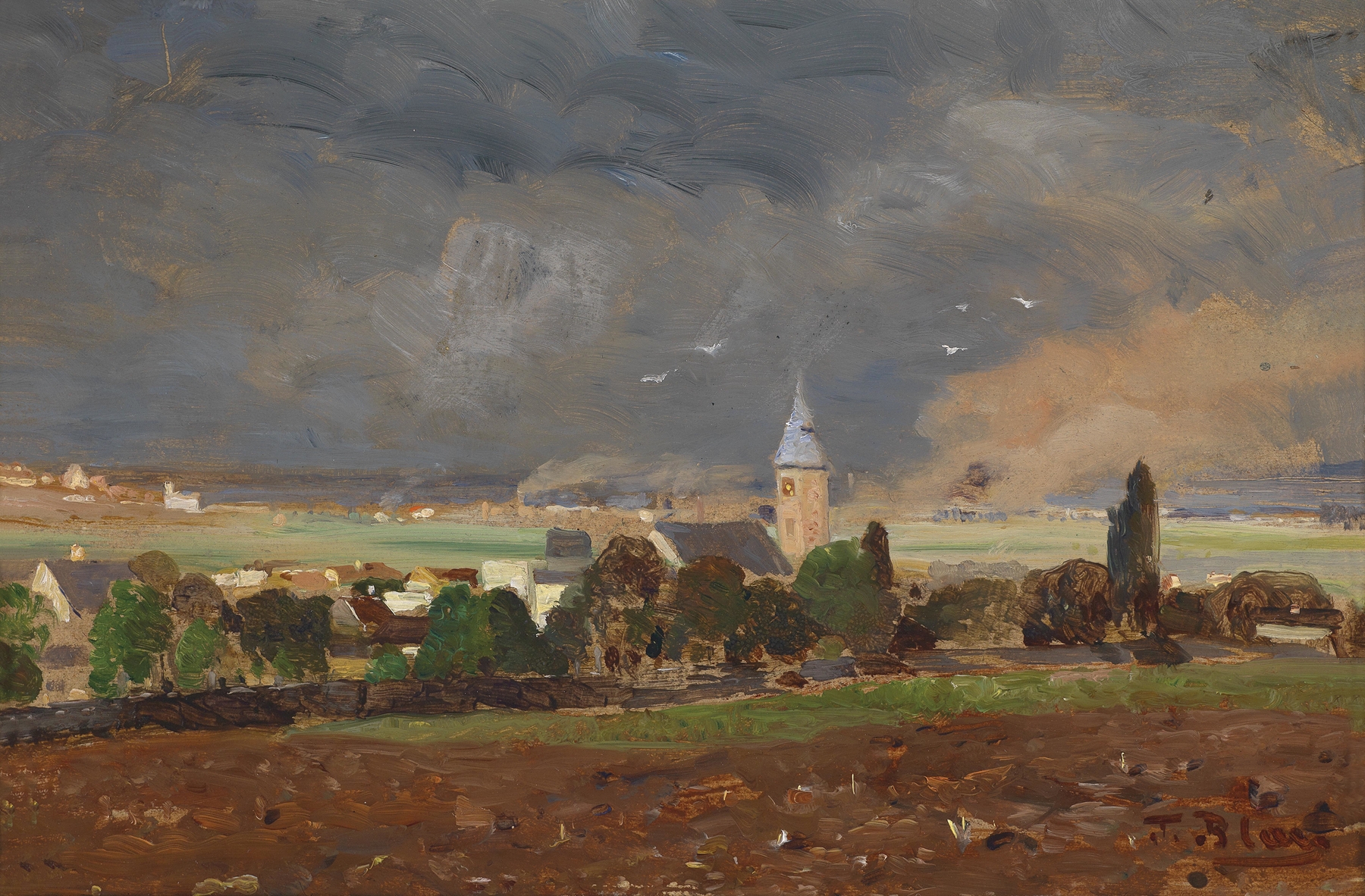
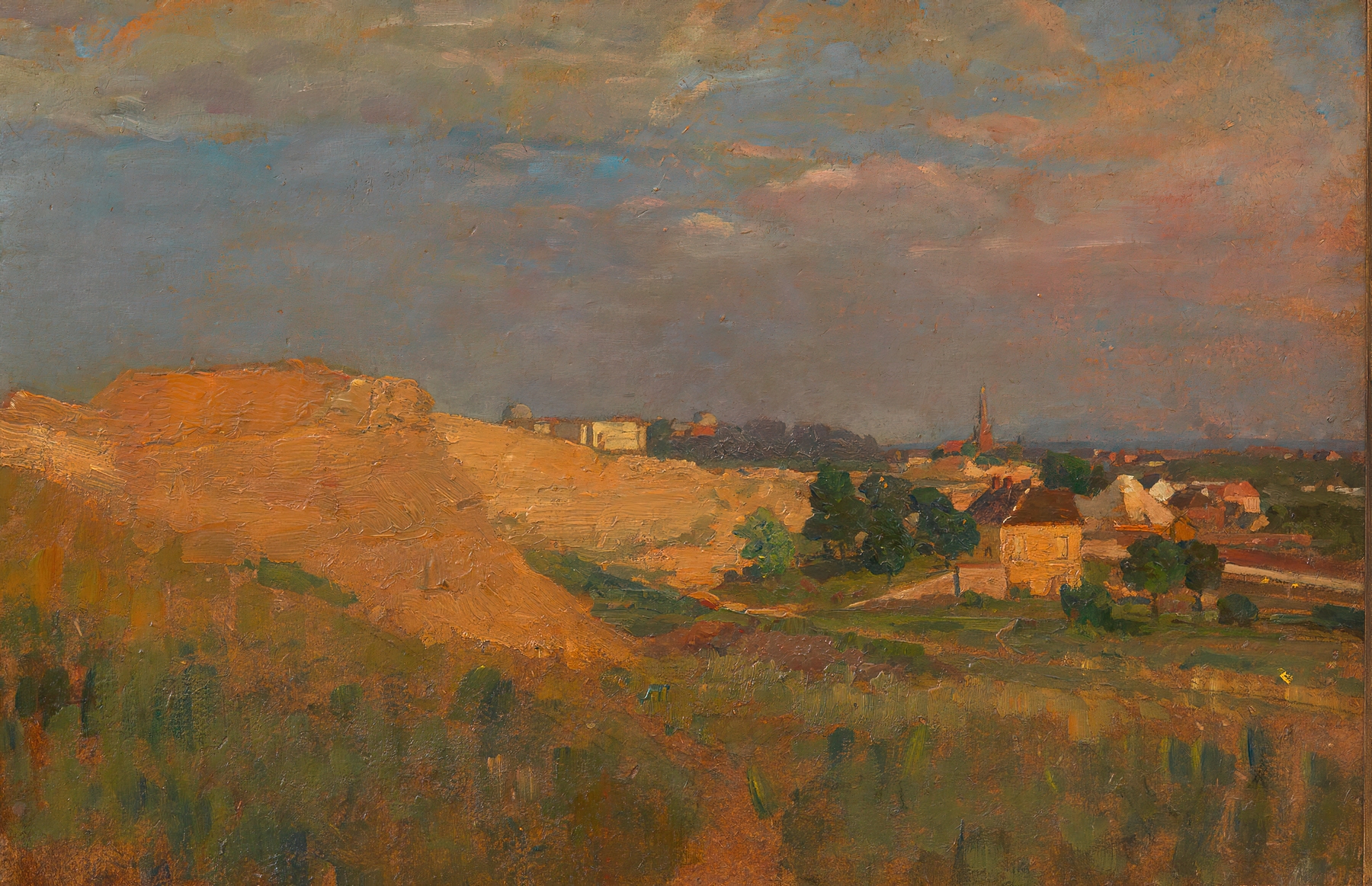
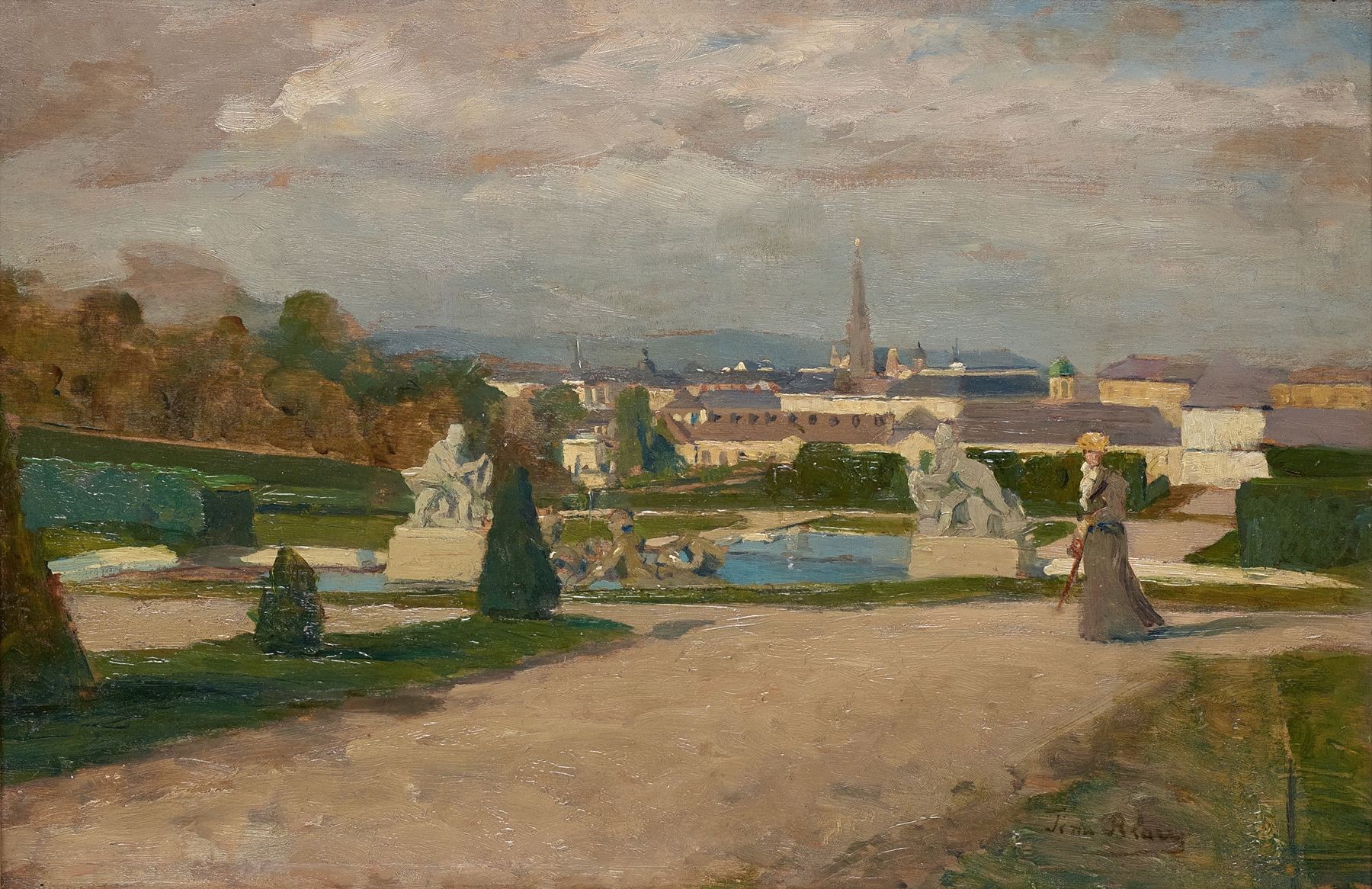
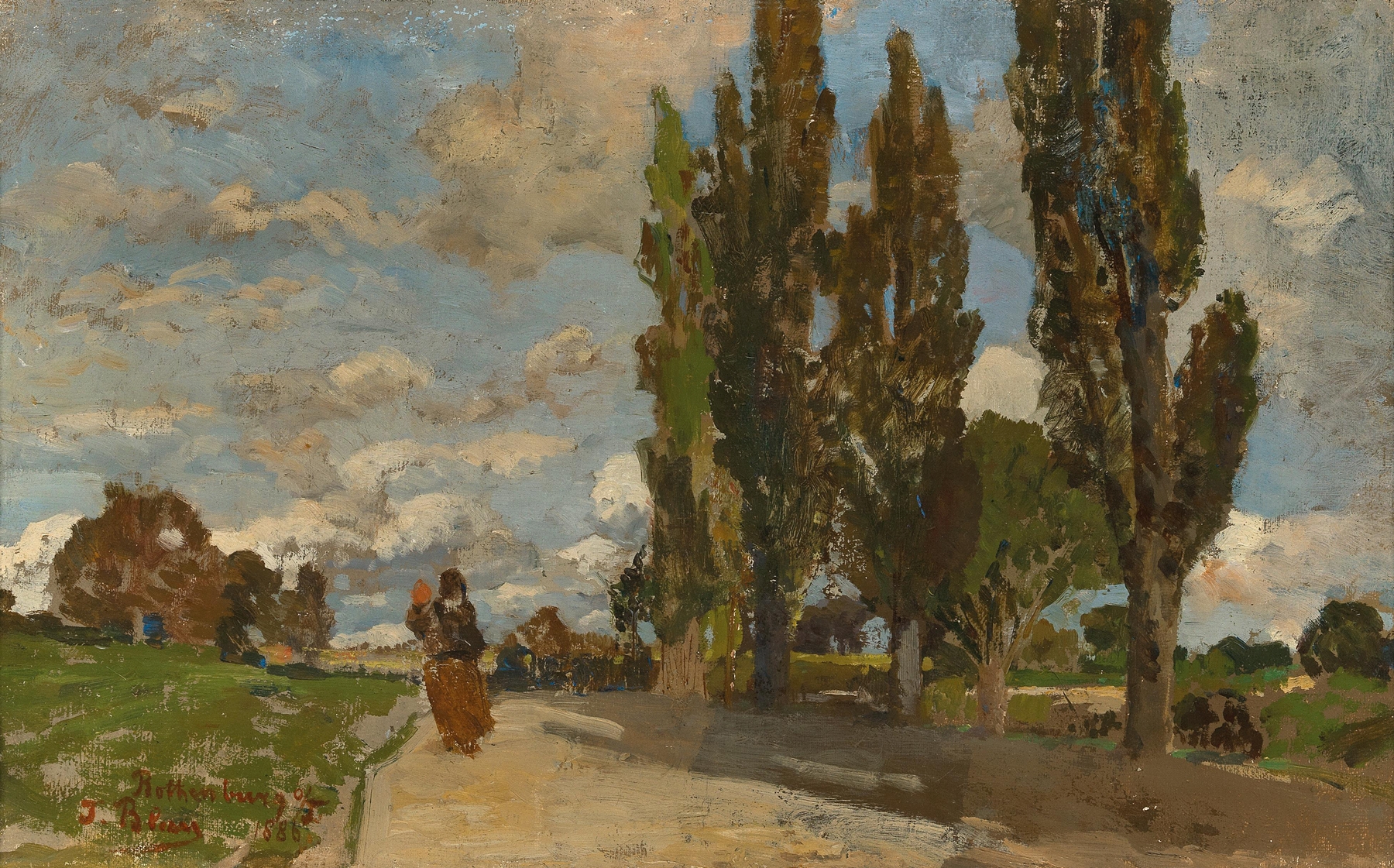
Where does light end, and longing begin? In a world where chaos reigns, the dance of hues speaks louder than form, revealing the unspoken narratives of nature and human emotion alike. Look to the foreground, where the gentle flow of the Danube appears to shimmer beneath a sun-drenched sky. The vivid greens of the landscape frame the river, while delicate brushstrokes give life to the rippling water. Notice how the artist uses dappled light to create depth, inviting you to wander deeper into the canvas.
The contrasting tones of cerulean and emerald engage in a harmonious dialogue, guiding the eye and the heart toward the horizon’s embrace. Yet beneath this idyllic surface lies an undercurrent of tension. The chaotic brushwork, though vibrant, hints at a struggle between human presence and the untamed wilderness. The figures in the distance appear diminutive against the vastness of the natural world, evoking a sense of yearning and introspection.
The interplay of light and shadow not only illuminates but also conceals, prompting contemplation of what lies beyond the visible. In her time, the artist crafted this piece amid a burgeoning interest in plein air painting, finding inspiration in the landscape of her native Austria. The late 19th century was a period marked by rapid change, where traditional boundaries of art were being redefined. With the rise of Impressionism, she sought to capture the ephemeral beauty of her surroundings, breaking away from classical constraints to express the chaos of nature and its impact on the human spirit.