A Street in Rothenburg — History & Analysis
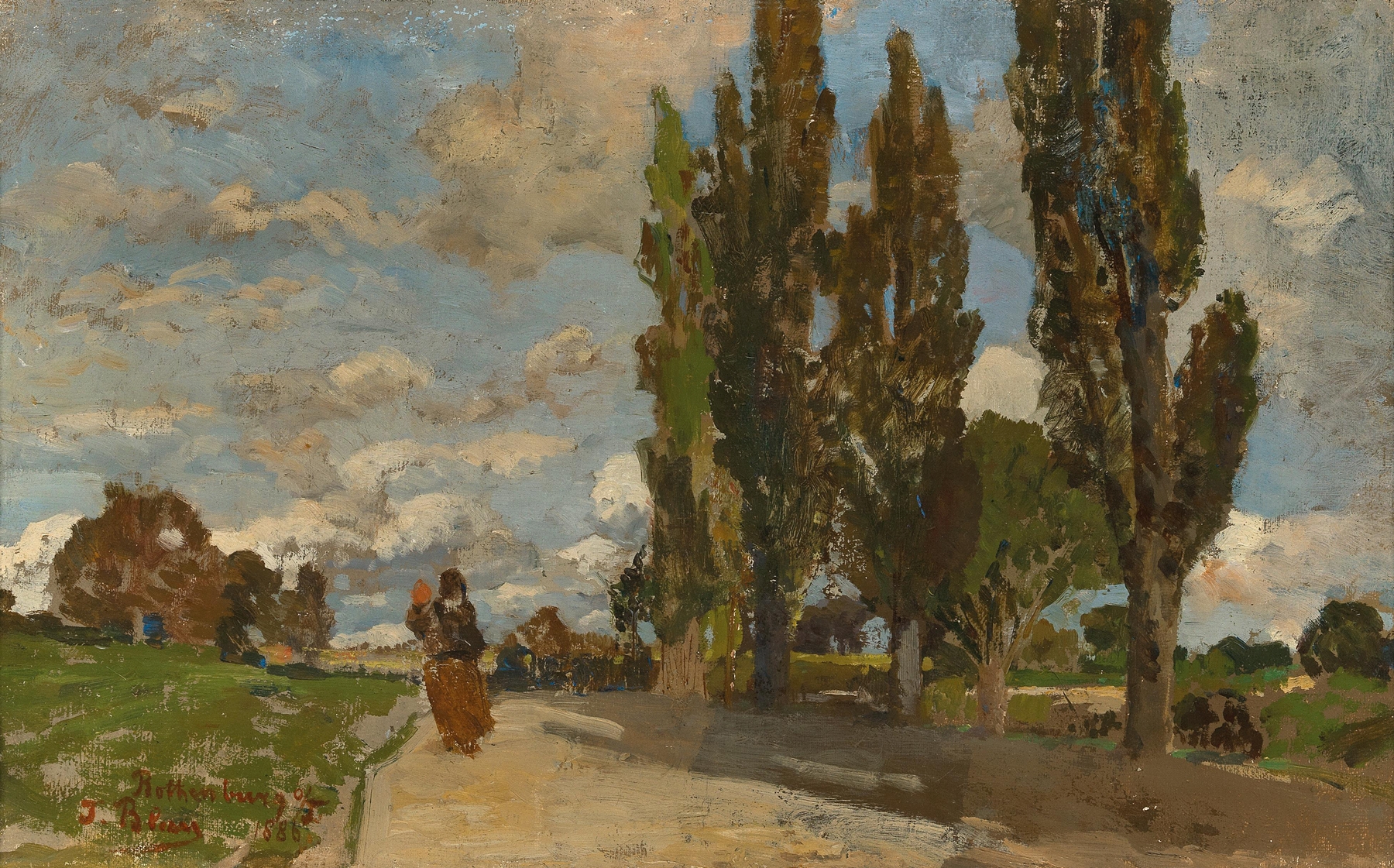
“Every brushstroke is a heartbeat remembered.” In A Street in Rothenburg, the artist captures the enchanting illusion of time suspended, inviting us to wander through the cobblestone pathway of a quaint town, forever poised between the past and present. Look to the center where the street meanders into the distance, flanked by charming half-timbered houses. Notice how the soft palette of pastel hues creates a dreamlike quality, blurring the line between reality and imagination. The gentle play of light illuminates the textures of the buildings while casting delicate shadows that dance upon the ground, guiding your gaze deeper into the scene.
Each element feels deliberate, orchestrated to evoke a sense of nostalgia and warmth. Yet, beneath the idyllic surface, there’s a tension at play. The absence of figures hints at a world unoccupied, stirring an unsettling sense of longing for the stories once lived here. The architecture, while charming, may evoke memories of decline, suggesting that beauty often resides in the transient.
The illusion of serenity clashes with the reality of time's relentless march, reminding us that even the most picturesque settings are subject to change. In 1886, while residing in Vienna, the artist found inspiration in the picturesque towns of Germany, including Rothenburg. This period marked a transition in her career as she explored landscapes and scenes that merged impressionist aesthetics with her unique vision. The evolving world of art was witnessing a shift toward capturing light and atmosphere, aligning with her pursuit of capturing fleeting moments through her brush.