A Winter Landscape With Skaters And Kolf Players, A Village To The Left — History & Analysis
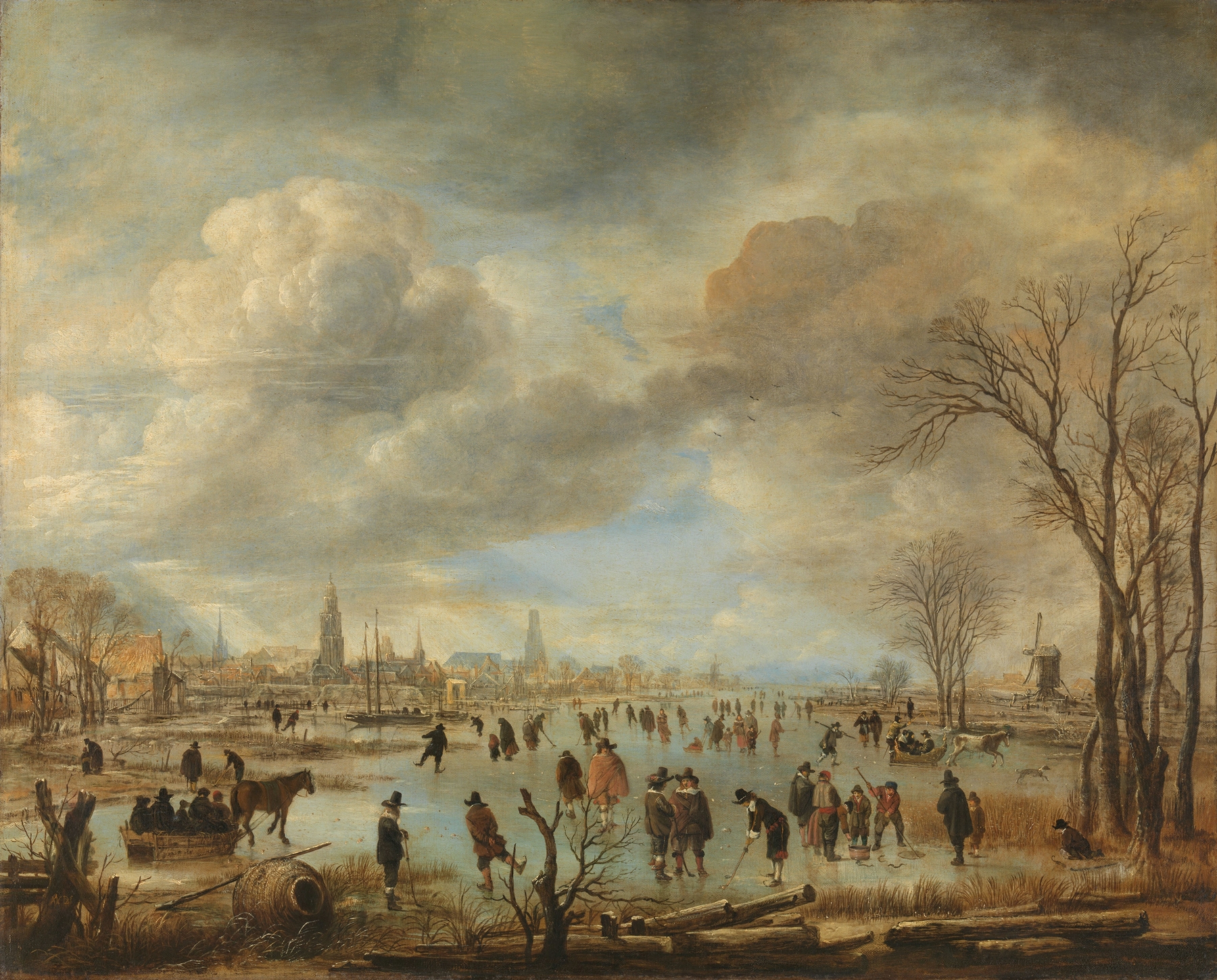
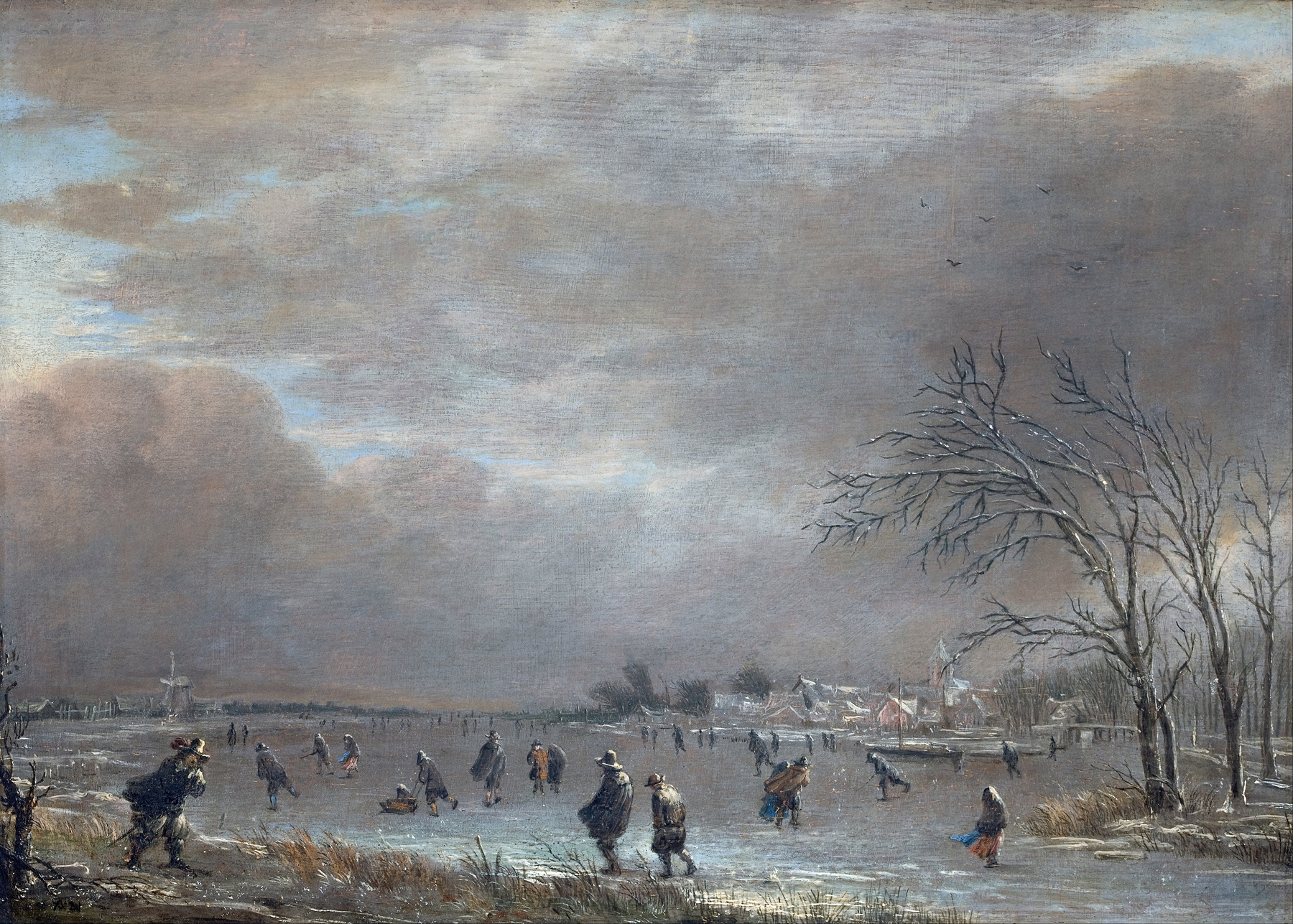
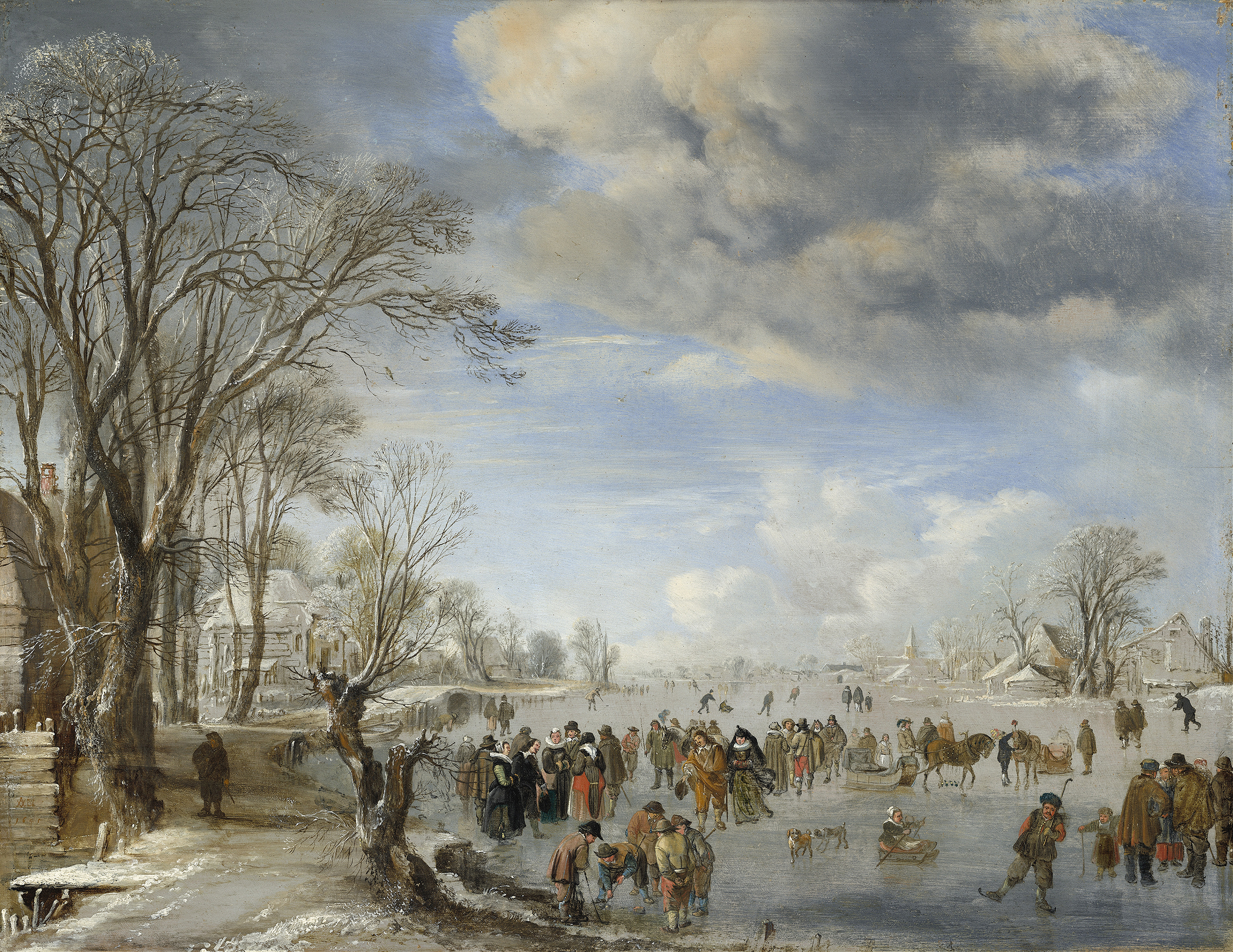
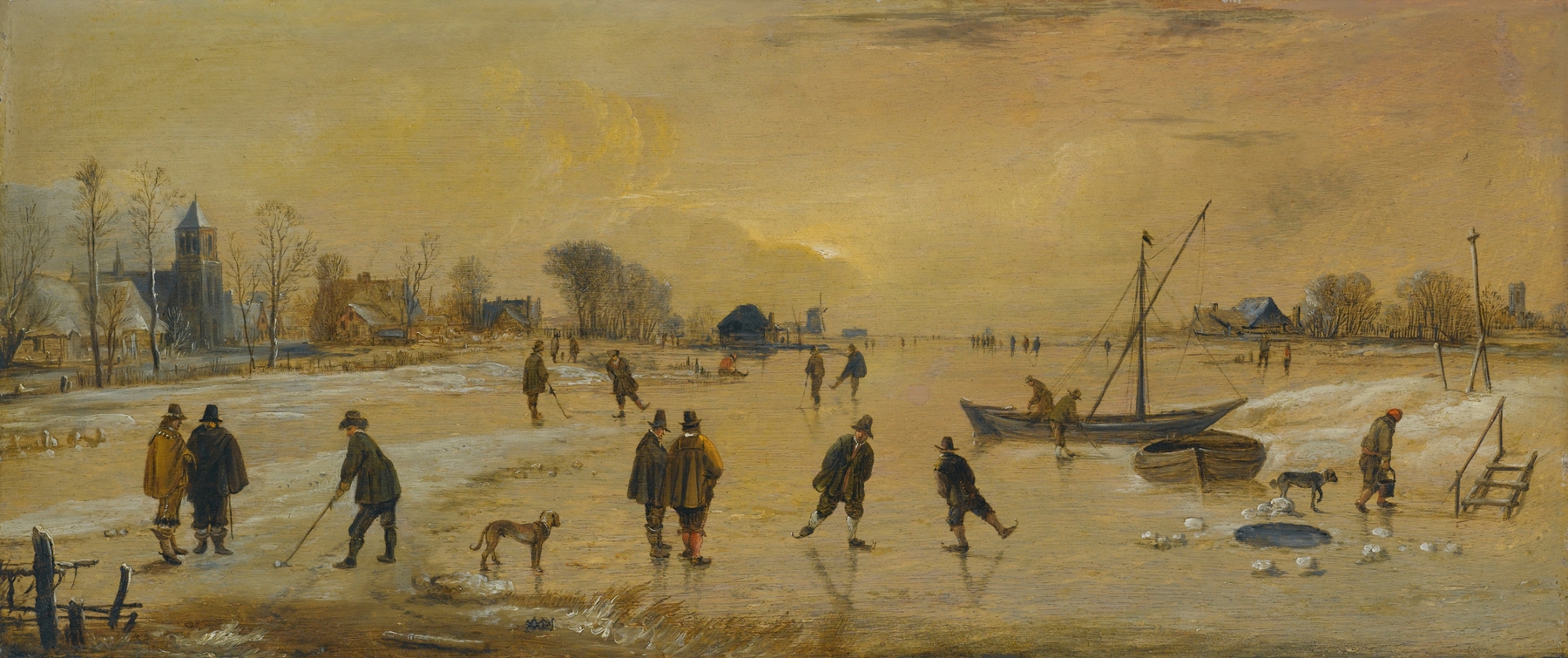
Is this a mirror — or a memory? The tranquil expanse of a frozen river invites contemplation, where scenes unfold that reflect both the beauty and the harshness of winter. Look to the left at the vibrant village, nestled against the cold backdrop. The quaint homes, kissed by the soft glow of twilight, contrast sharply with the stark white snow and the hard, dark trees that frame the scene.
Notice how the icy surface shimmers under the subtle play of light, creating a sense of movement among the skaters, who glide with effortless grace. The rich, muted colors of the figures stand out against the wintry palette, drawing the viewer’s eye toward their spirited interactions. This painting encapsulates a delicate balance between warmth and chill, joy and solitude. The playful kolf players, engaged in their game, evoke a sense of community amid the chill of the winter landscape, while the distant figures skating alone hint at a more introspective experience.
The juxtaposition of lively activity and tranquil silence resonates deeply, suggesting a universal truth about human existence — that even in the coldest moments, connection and joy are possible. Created during the 17th century, this artwork illustrates a pivotal time in Dutch art, marked by an emphasis on realism and the beauty of everyday life. At the time, Aert van der Neer was living and working in a society increasingly captivated by the rich landscapes and seasonal activities of their homeland. His focus on light and shadow would contribute to the growing appreciation of naturalism, capturing the essence of a winter day that remains timeless.