Abstract design based on flowers and garlands — History & Analysis
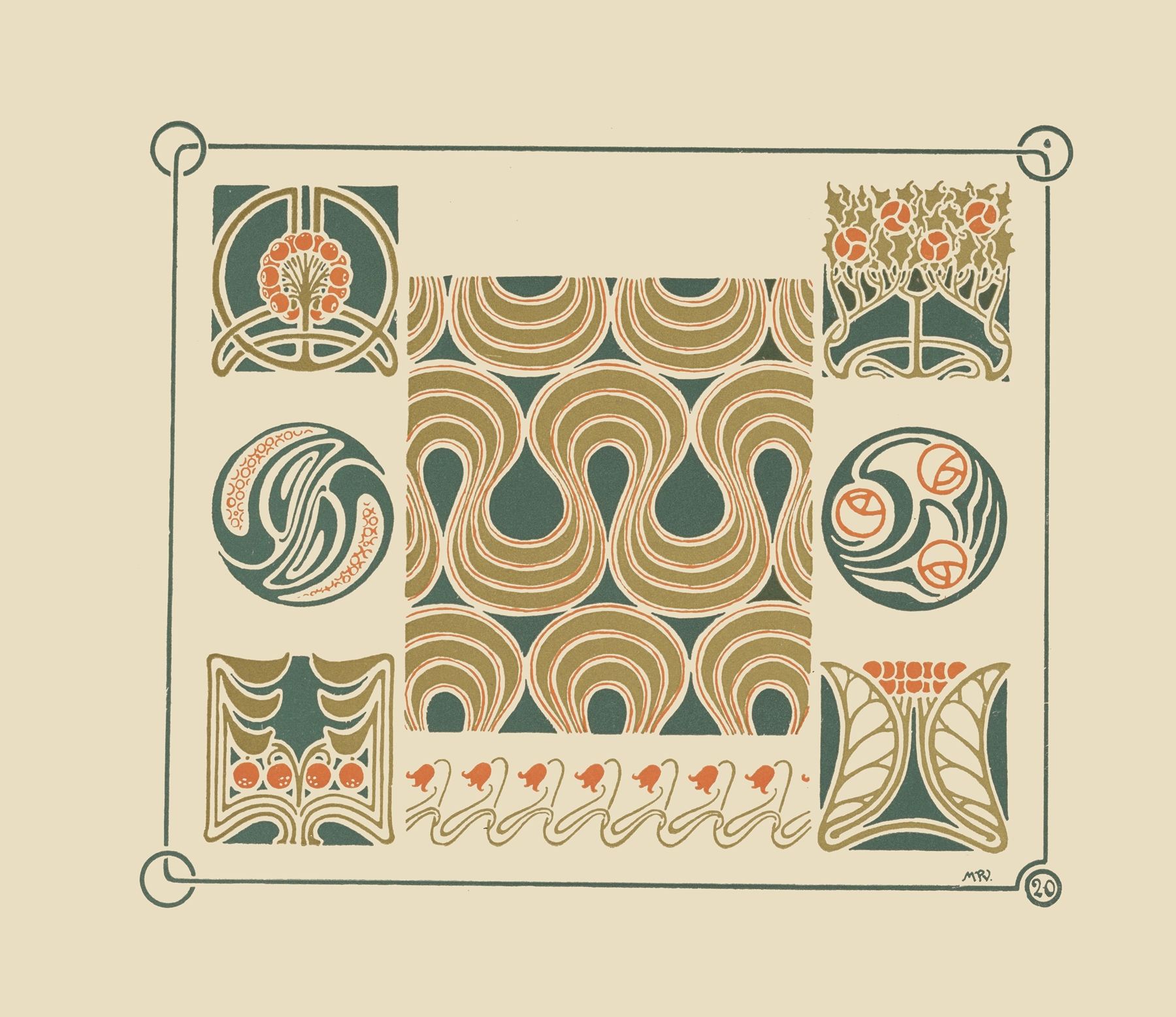
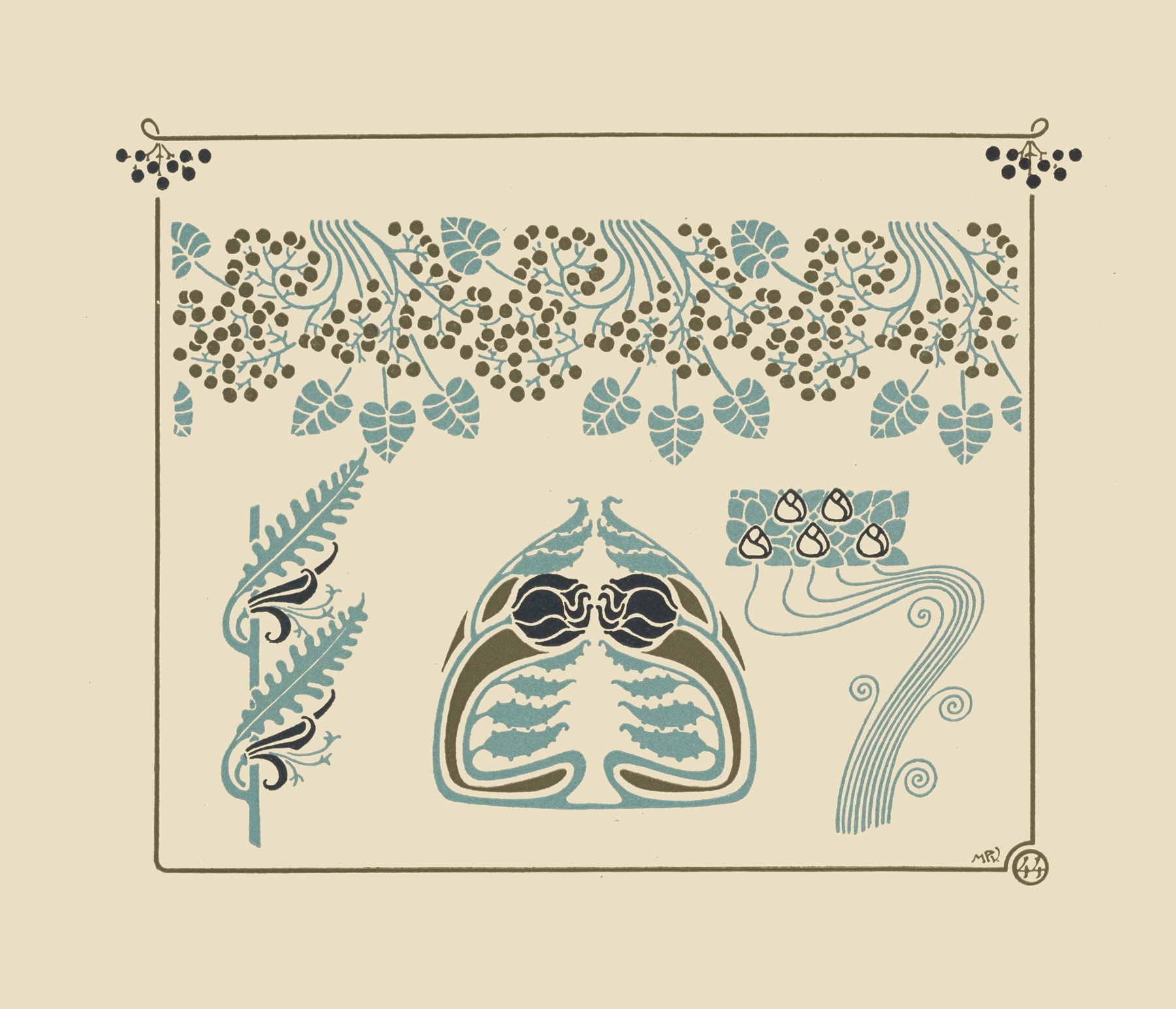
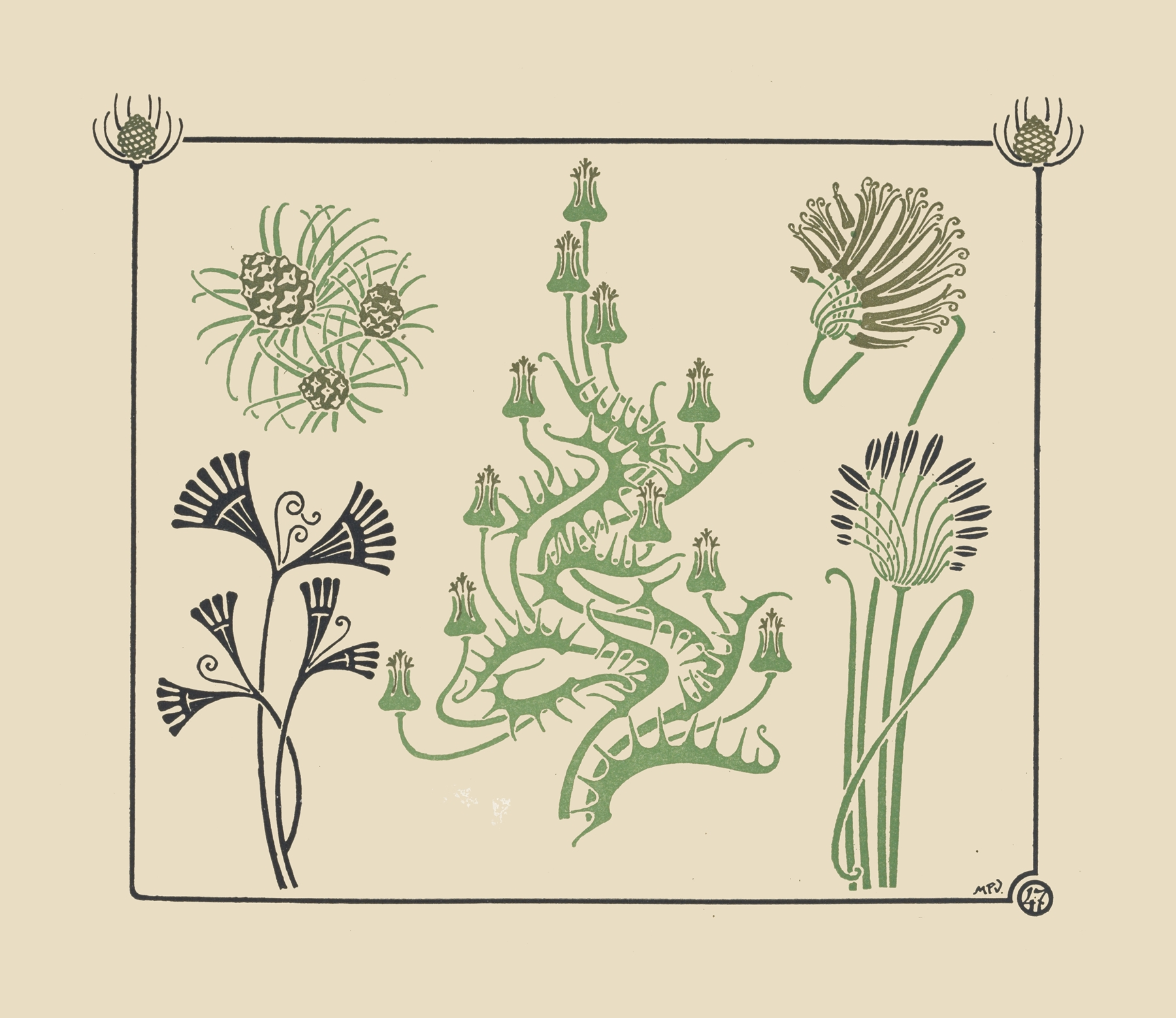
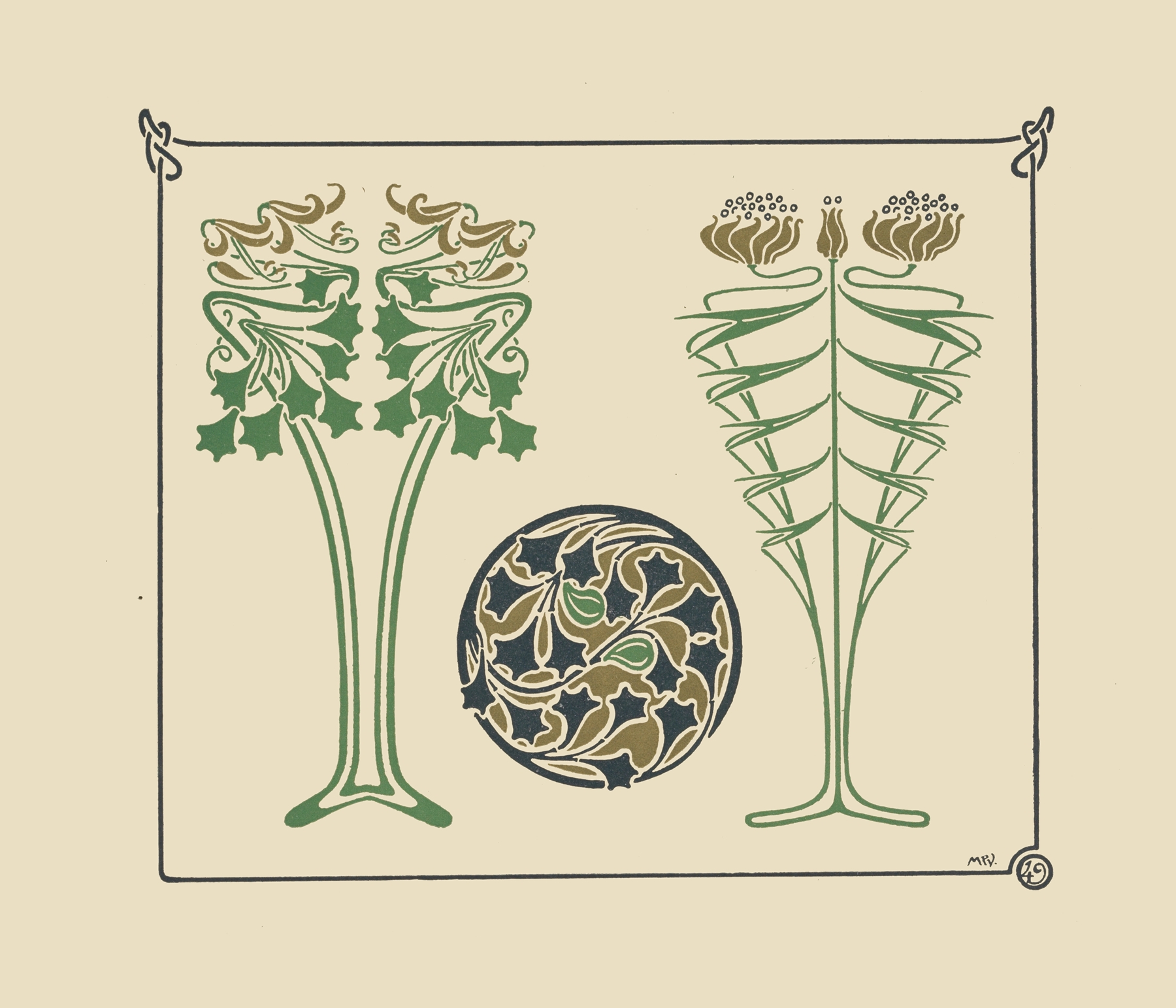
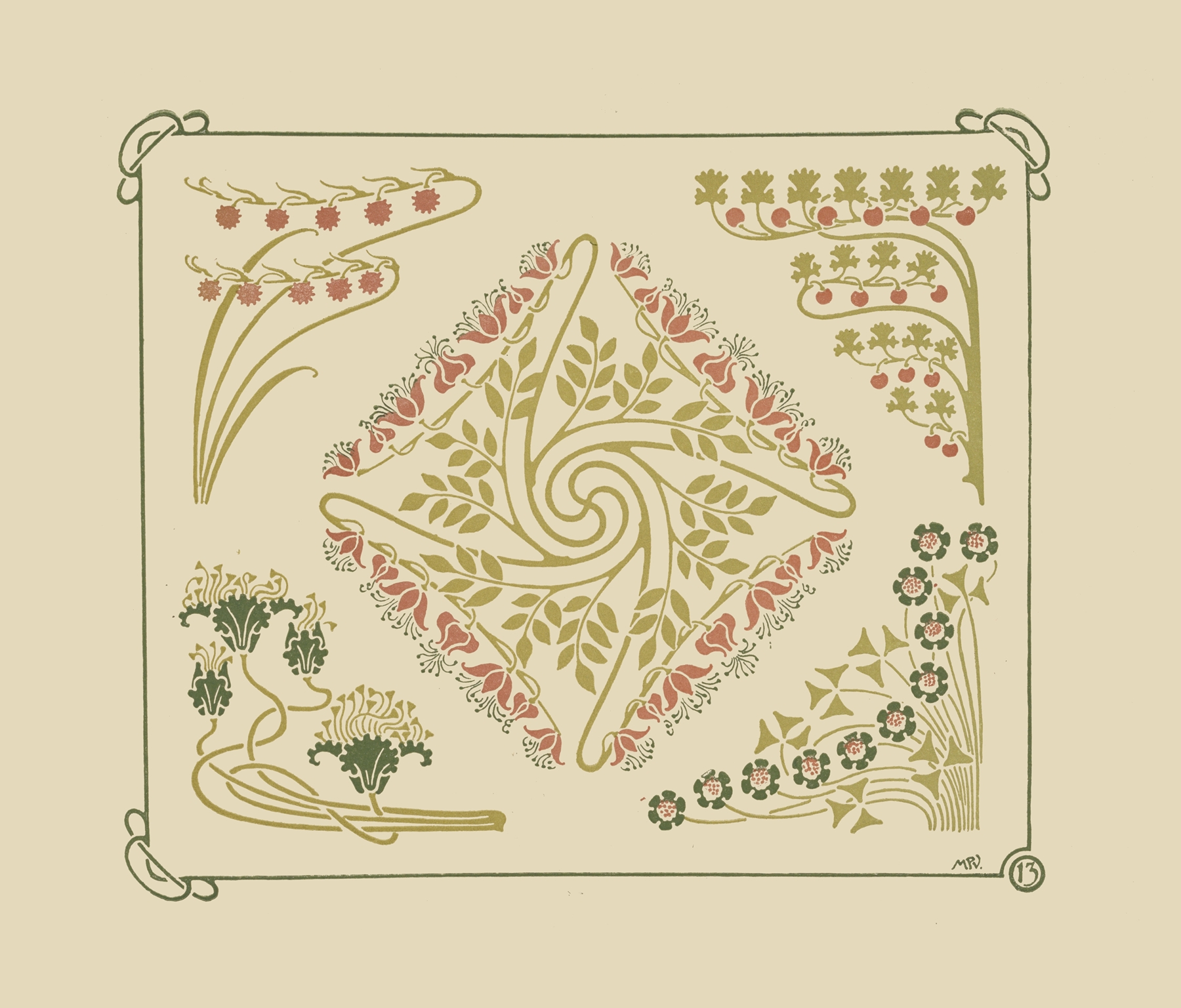
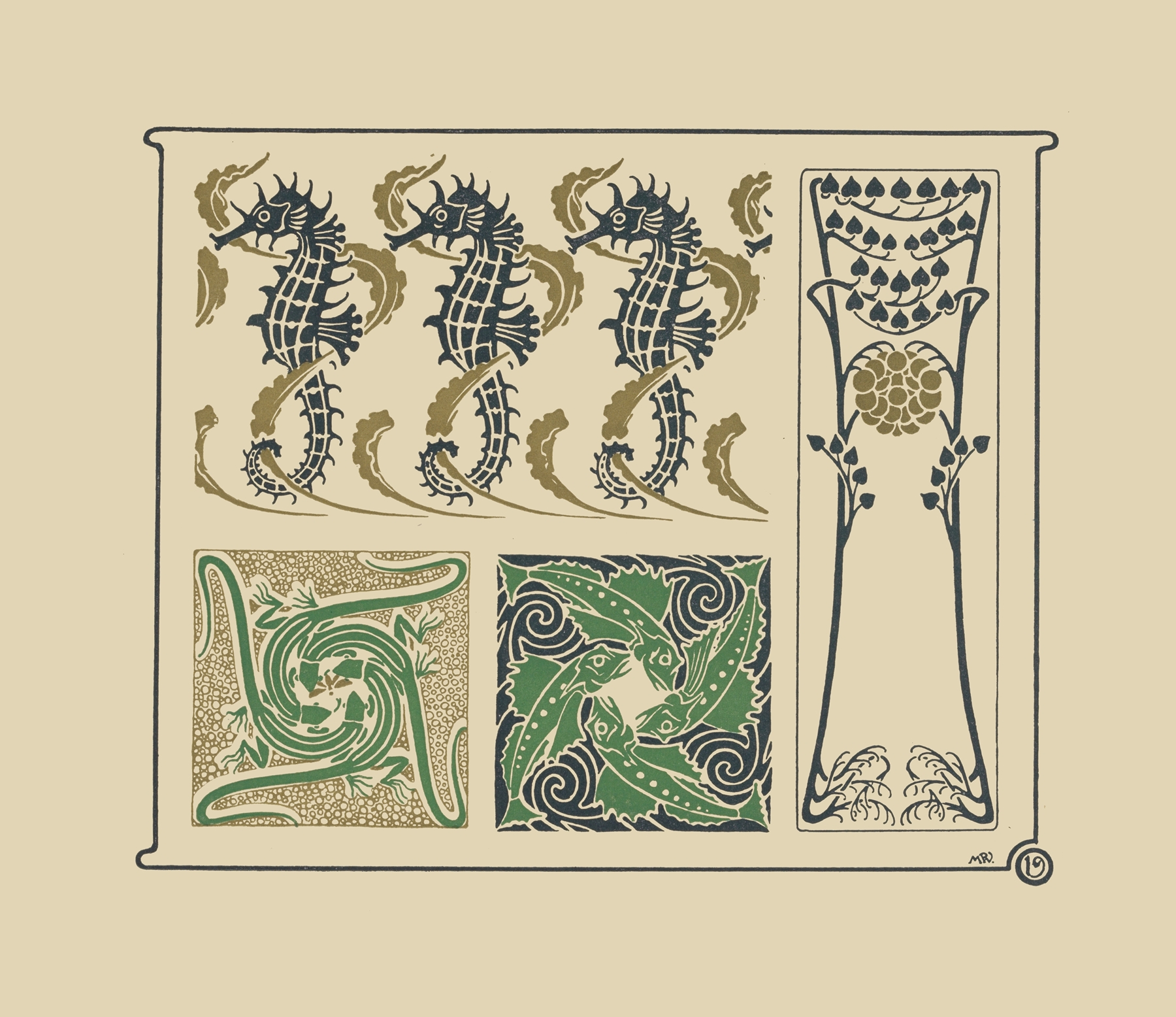
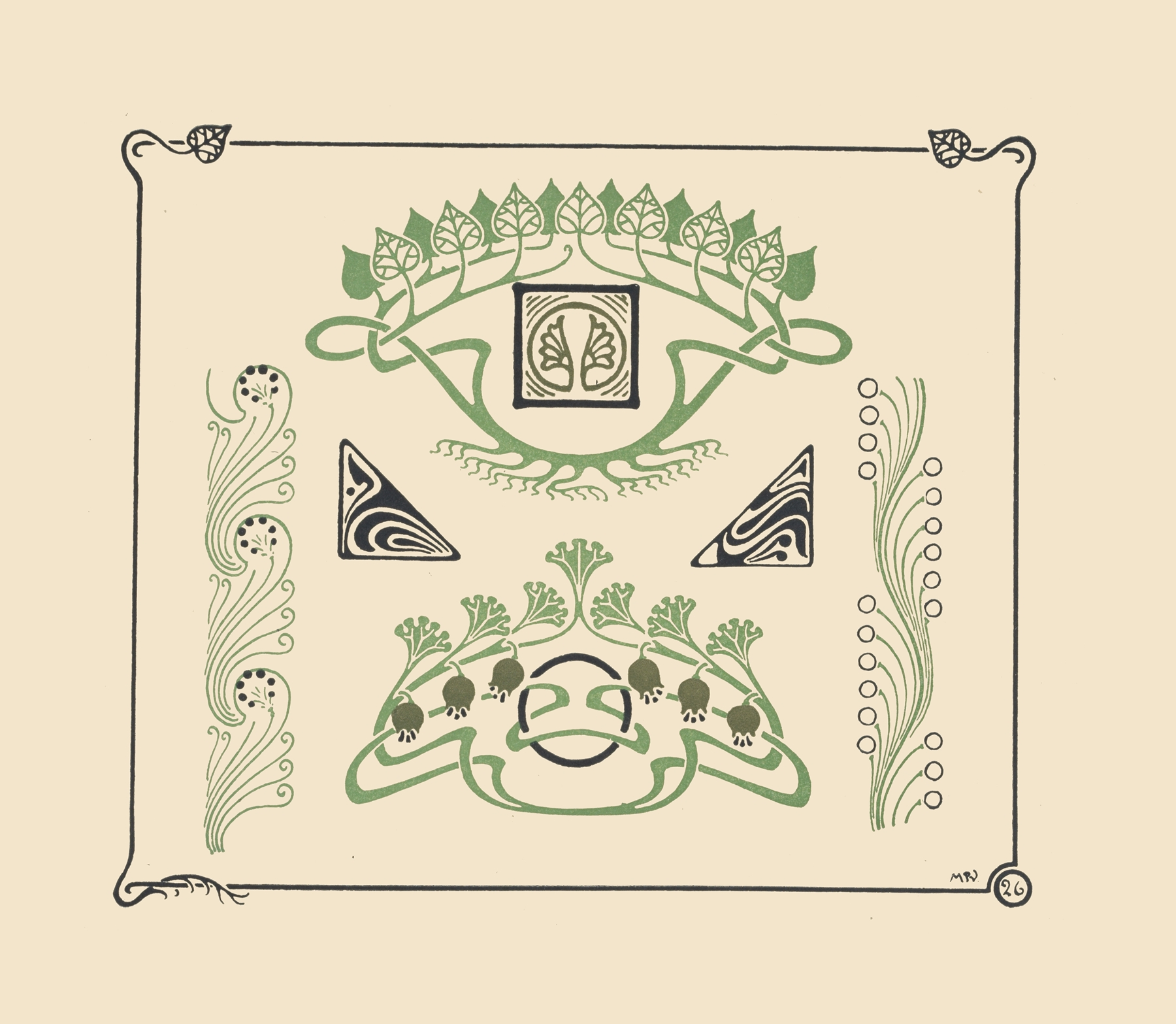
What if silence could speak through light? In Maurice Pillard Verneuil's Abstract design based on flowers and garlands, the stillness of time unfurls in a tapestry of color and form, inviting the viewer to pause and reflect. Look to the center; the intricate arrangement of flowers and garlands draws your eye with its vibrant hues—radiant reds and soft blues mingle, creating a balance both harmonious and dizzying. Notice how the light dances upon the surface, highlighting the delicate brushstrokes and giving life to the abstract shapes, which pulse with energy, suggesting movement even in their stillness.
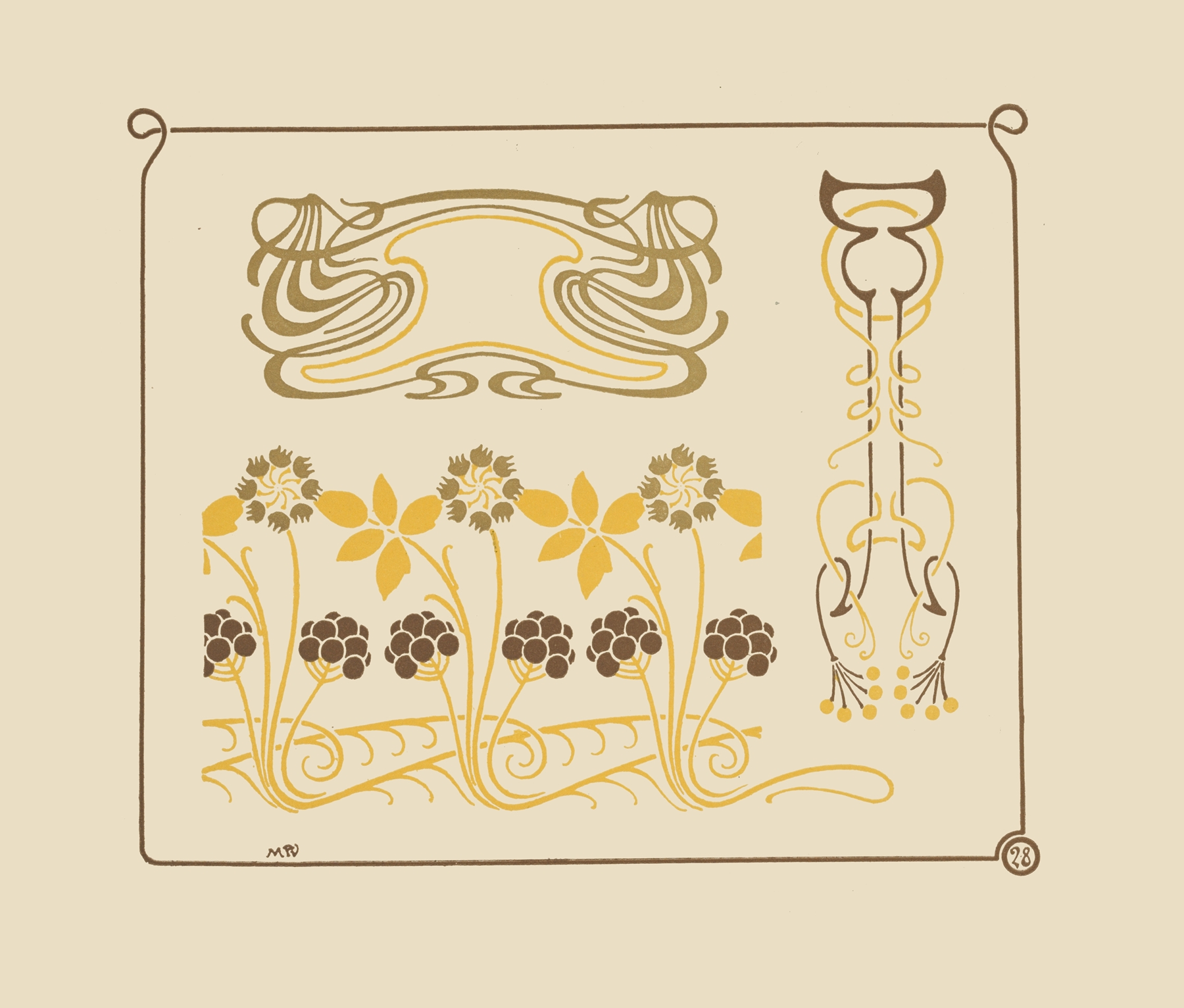
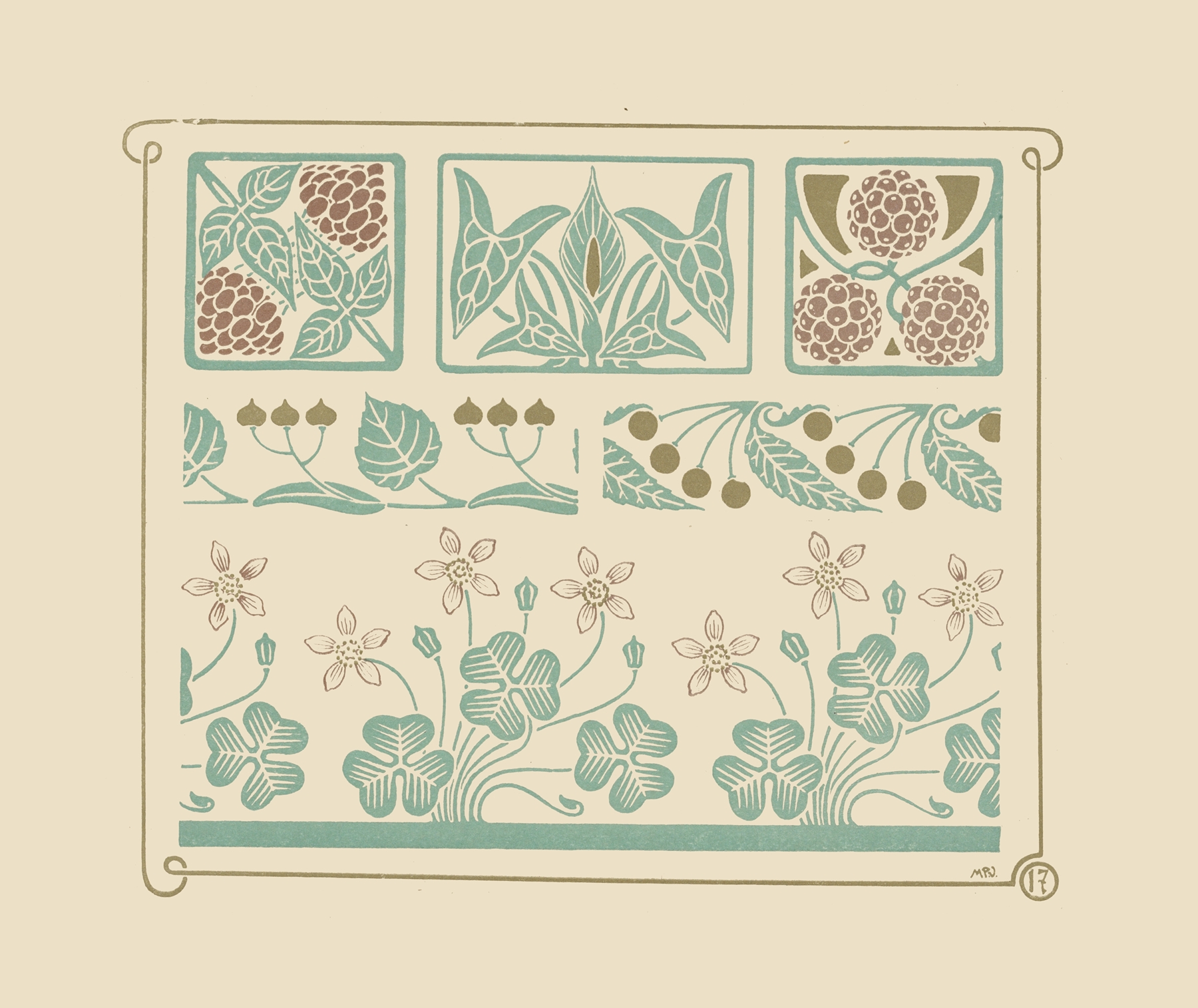
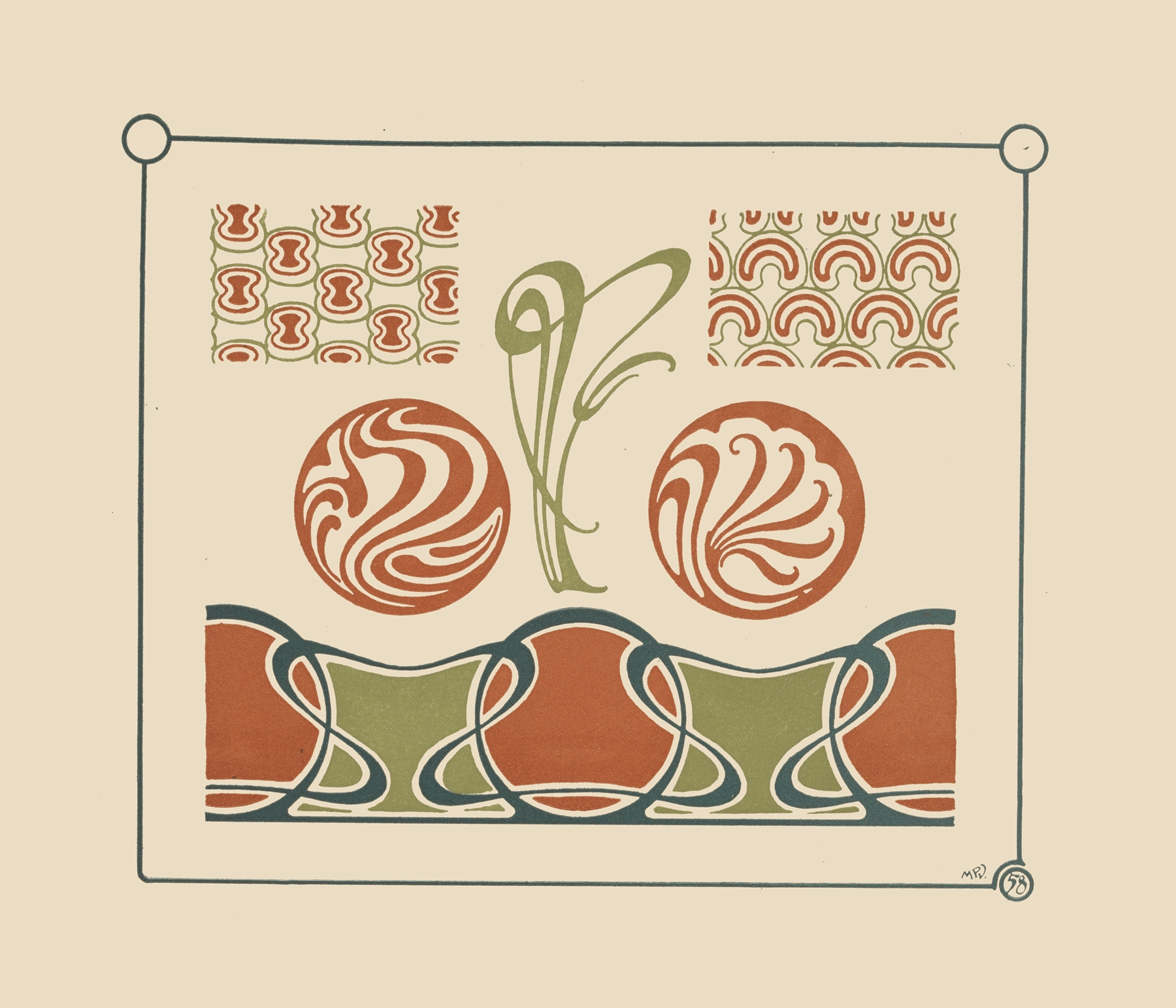
The composition is an intricate play of lines and patterns, evoking the beauty of nature in a way that transcends literal representation. Delve deeper, and you may find the interplay between chaos and order—what initially seems whimsical holds a calculated precision, mirroring the cycles of growth and decay inherent in nature. The repetition of motifs speaks to the passage of time, while the contrasting colors evoke a sense of fleeting beauty that ebbs and flows like the seasons. This emotional tension reflects the artist's exploration of how time shapes our perceptions, allowing us to consider not just what we see, but what we feel within that moment.
At the dawn of the 20th century, Verneuil produced this work in an era of artistic experimentation and transformation. Living in France during a period rich with the influence of Symbolism and Art Nouveau, he sought to push the boundaries of representation in art. His explorations in abstraction were a response to the evolving landscape of art, mirroring a world in flux and striving to capture the ephemeral nature of both beauty and time.