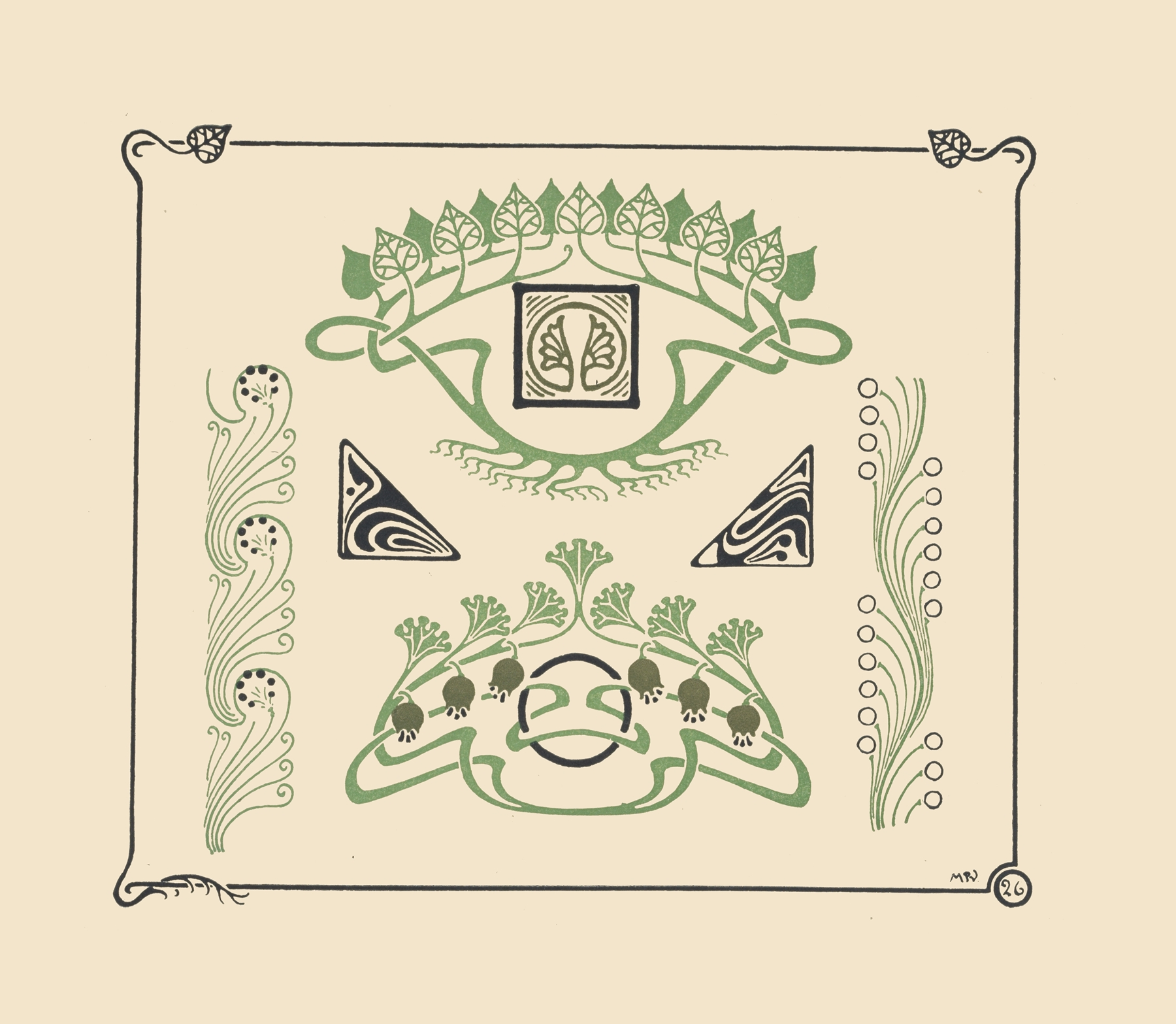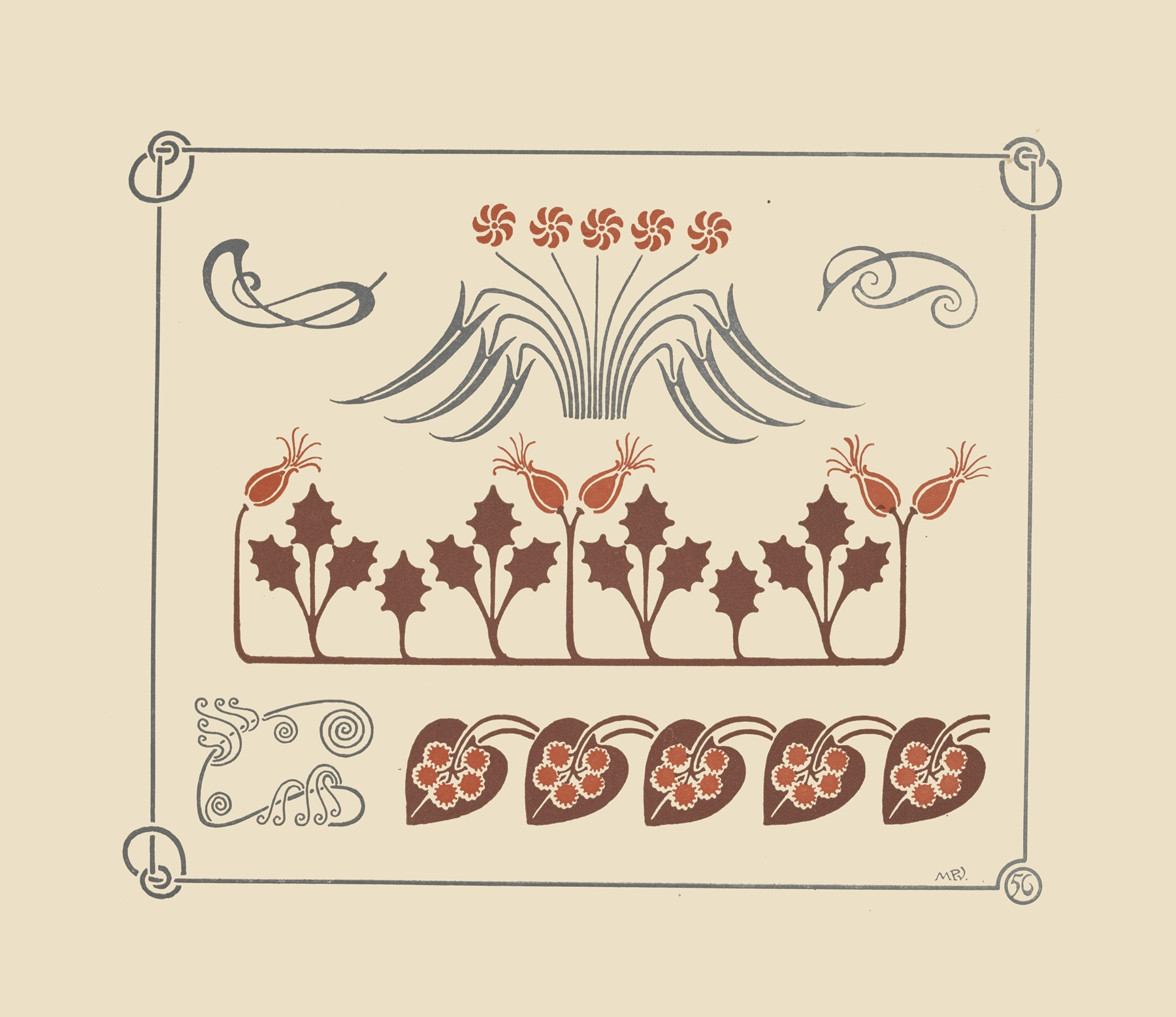
Abstract design based on flowers and leaves — History & Analysis
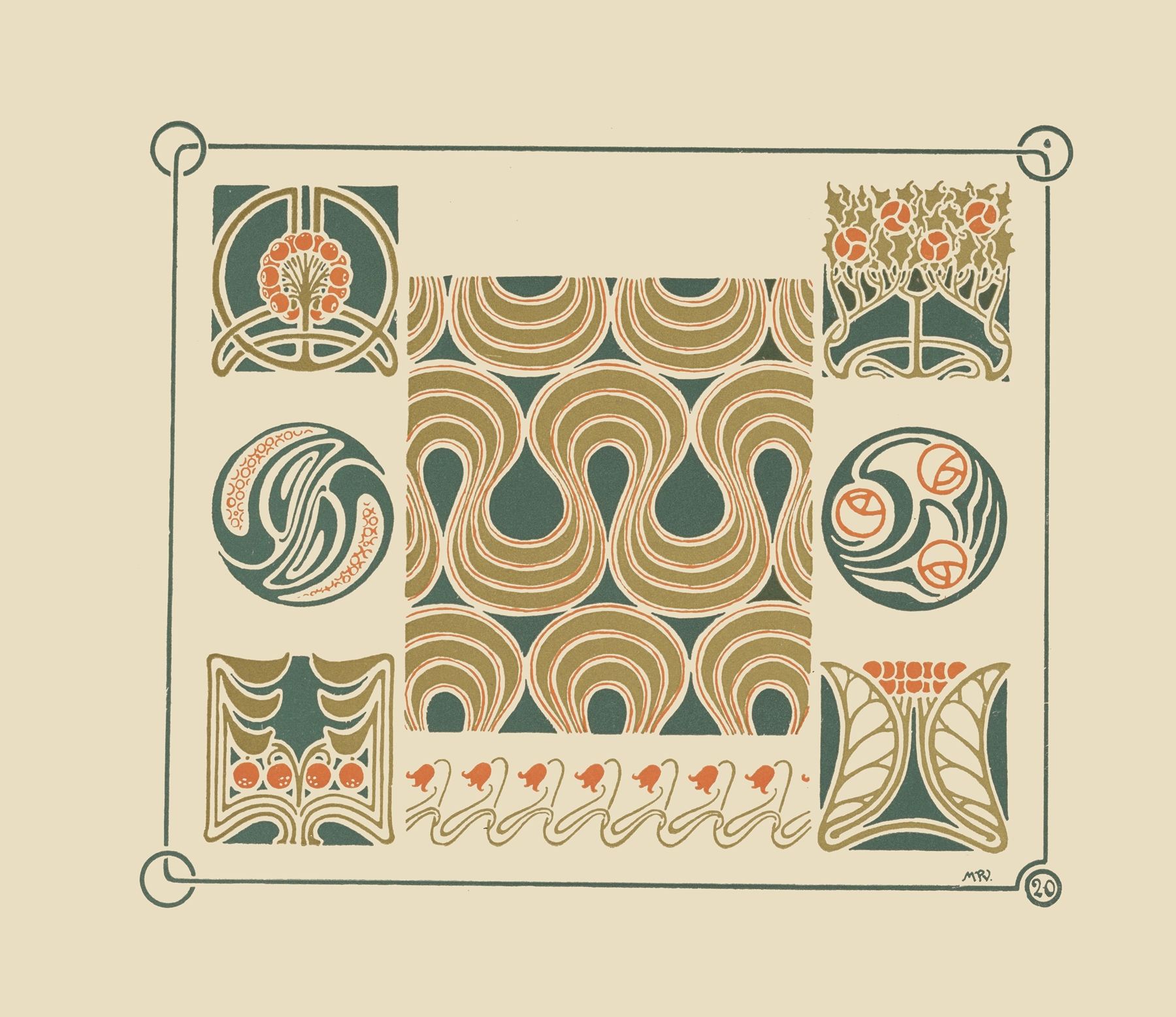
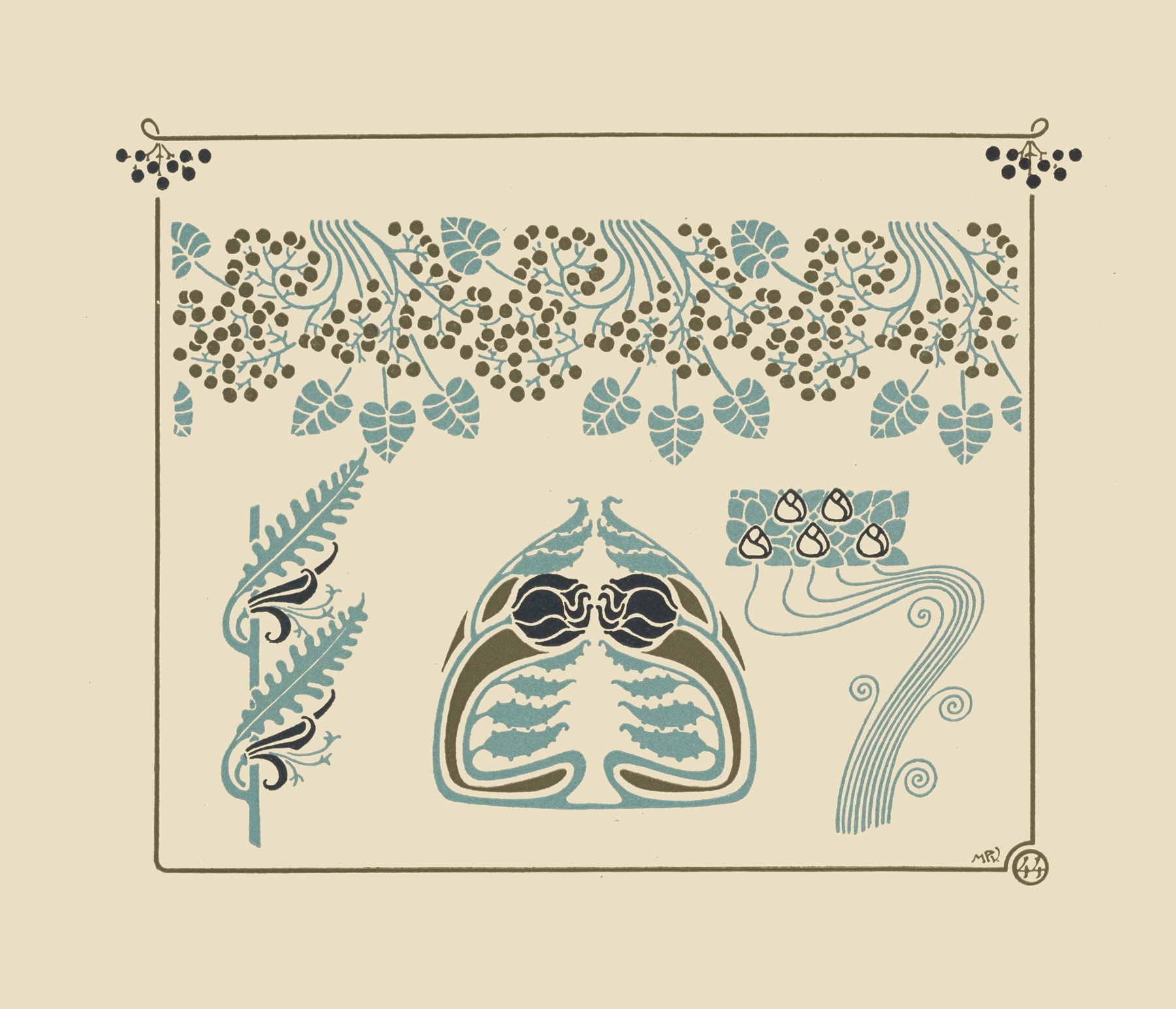
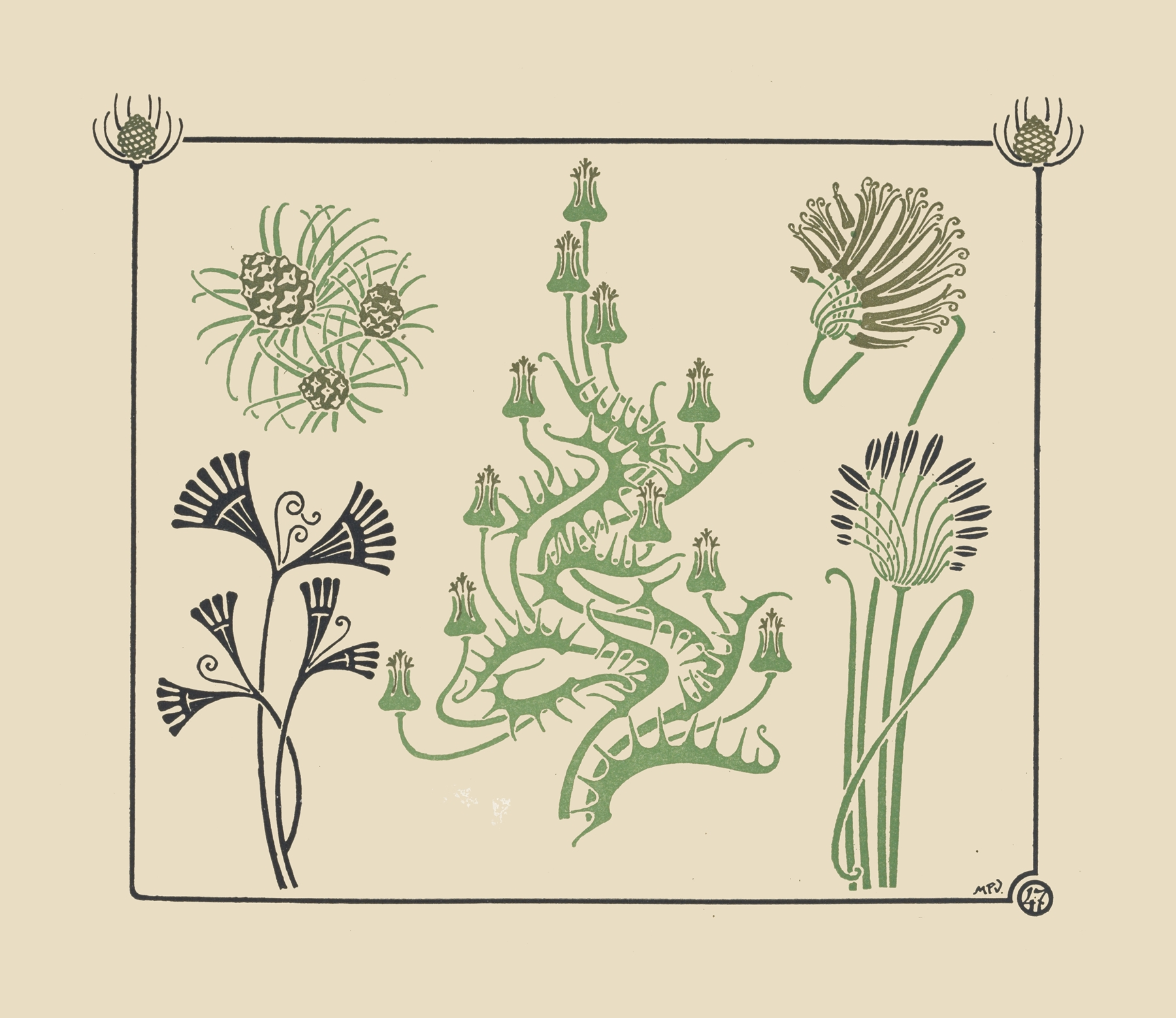
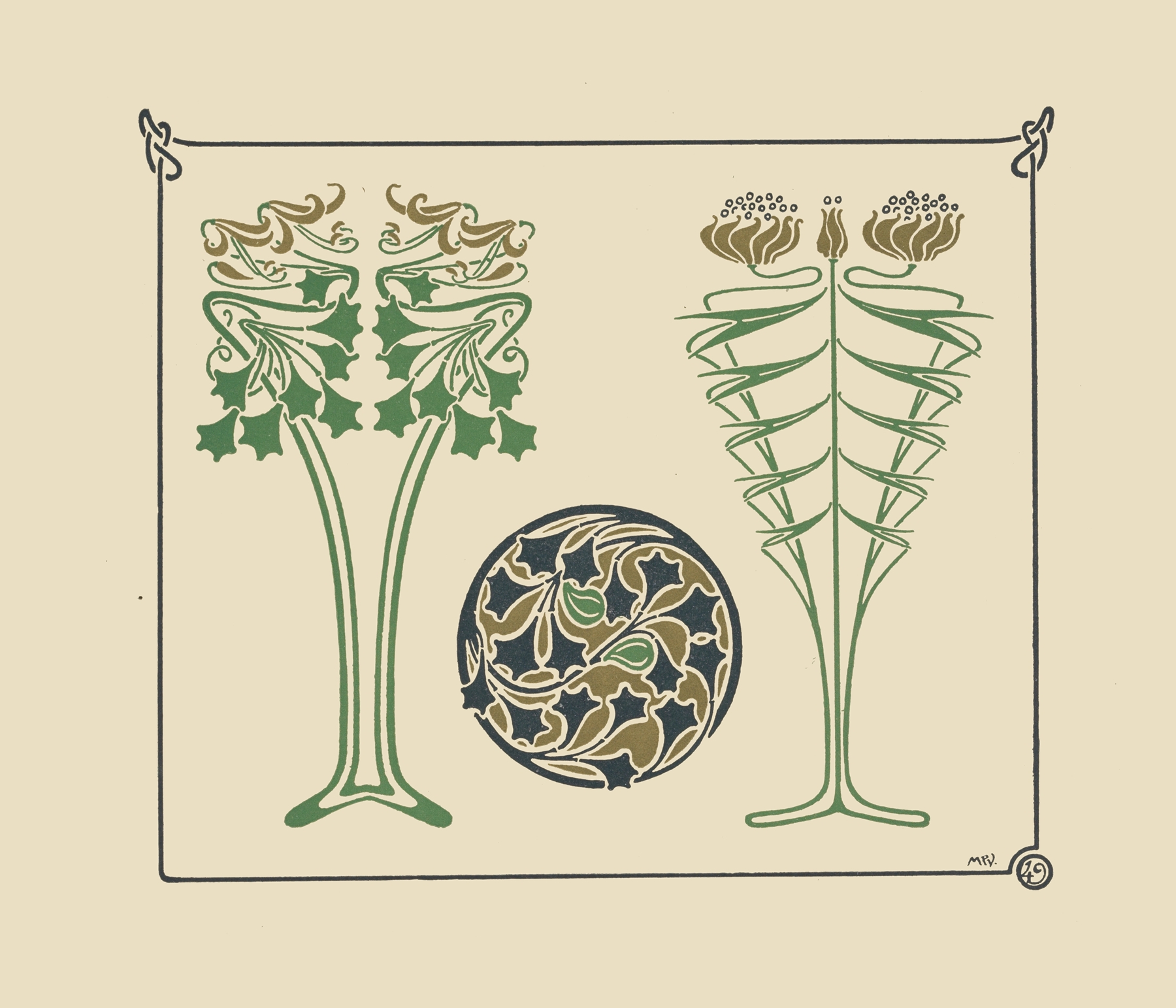
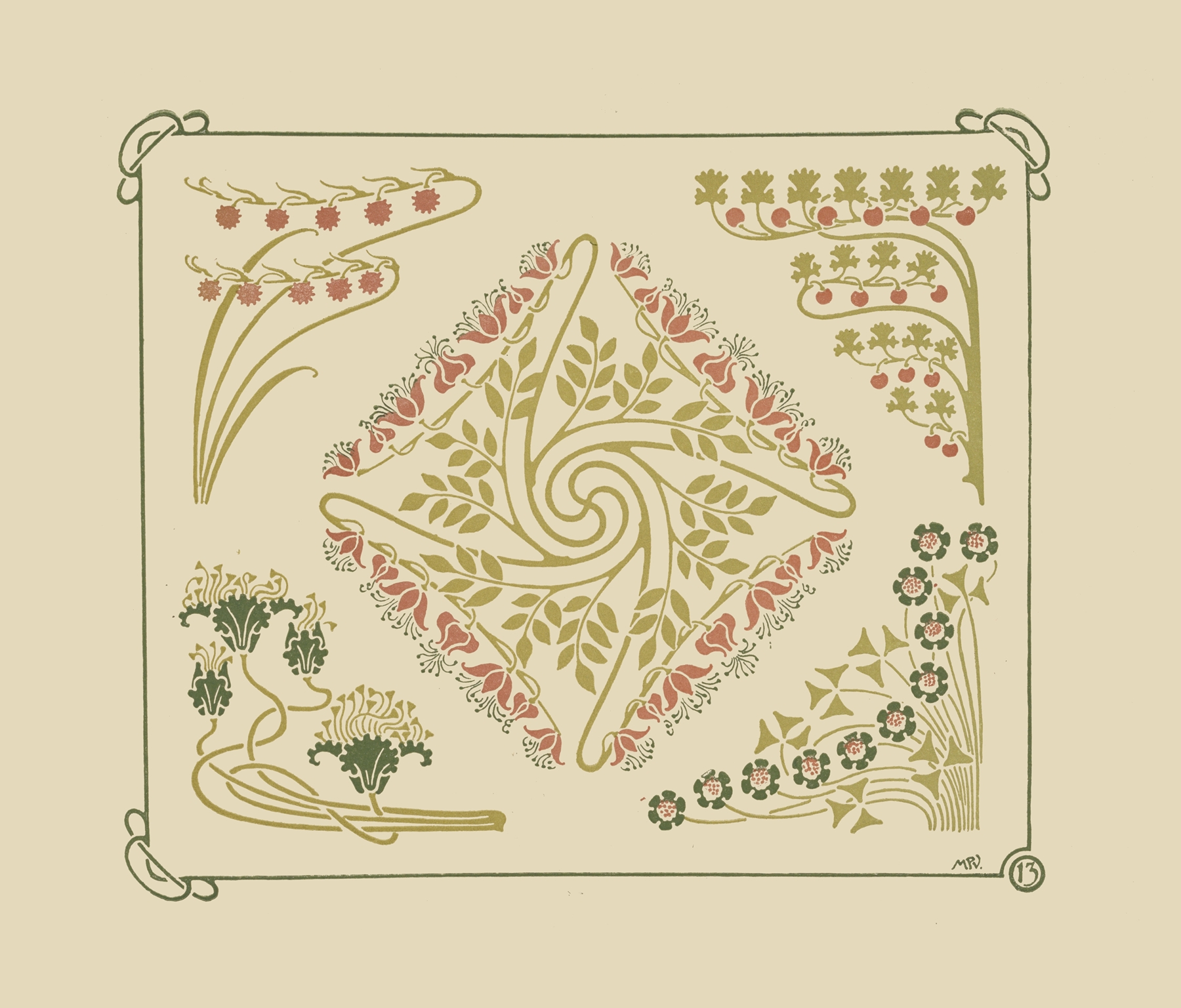
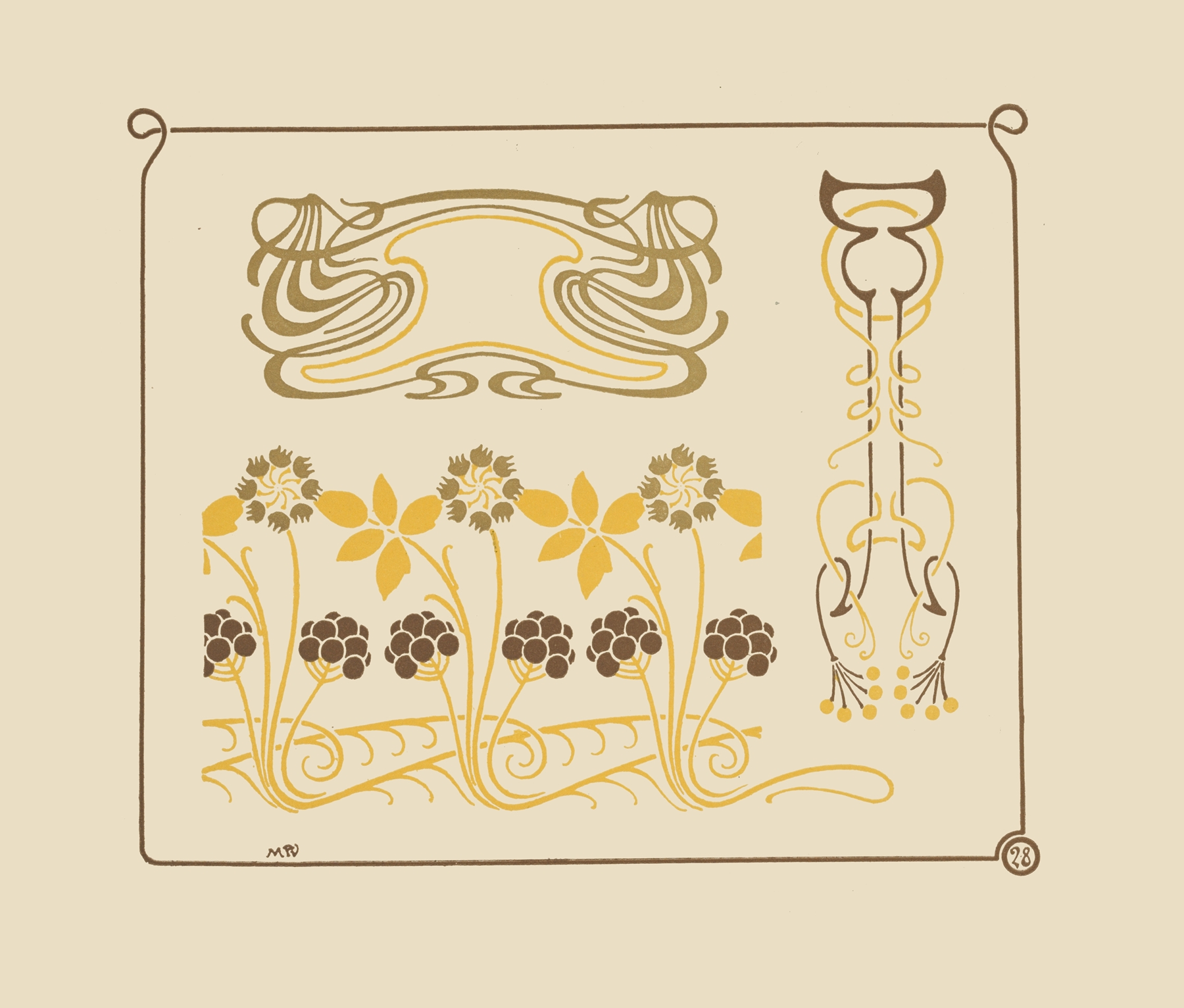
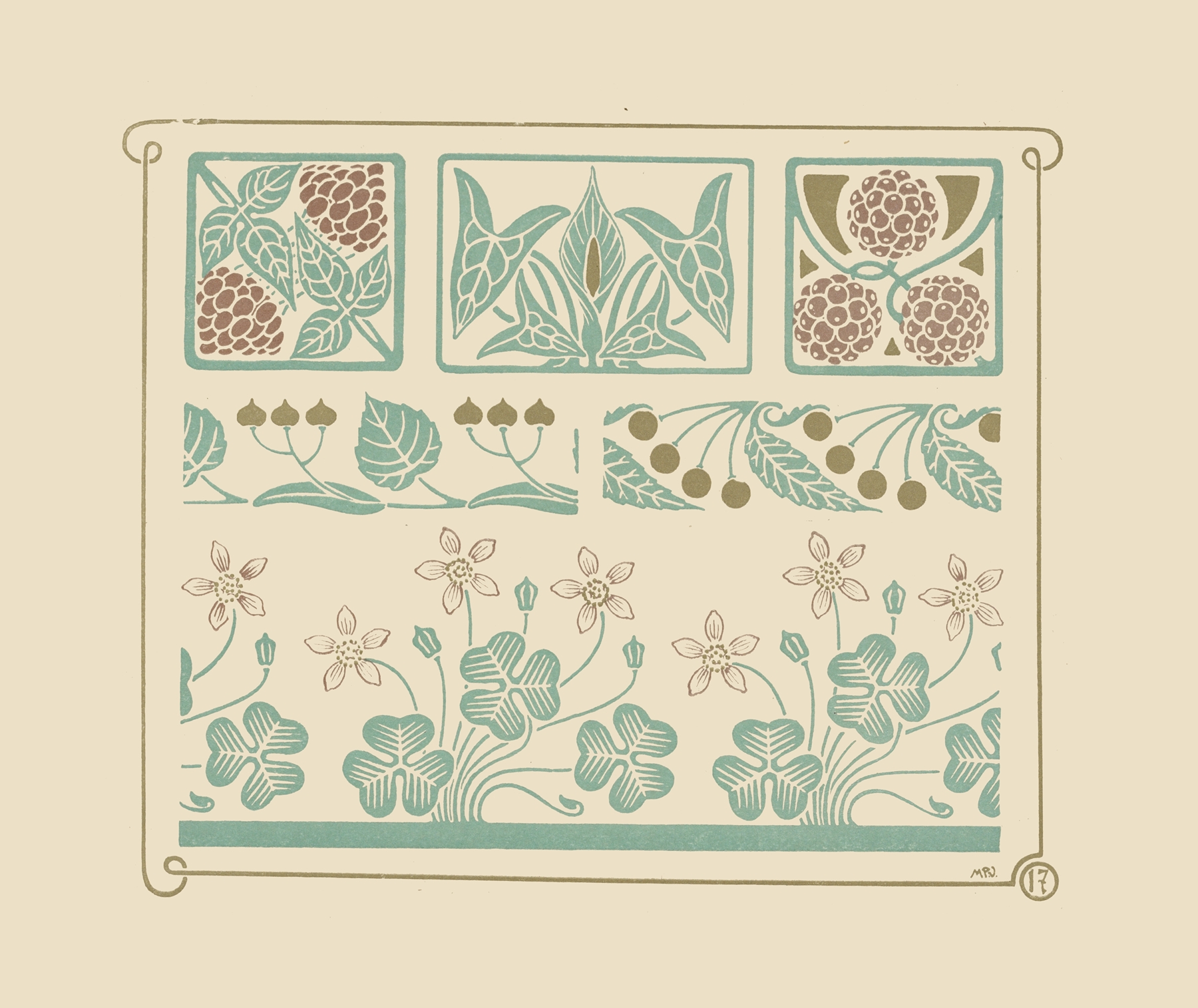
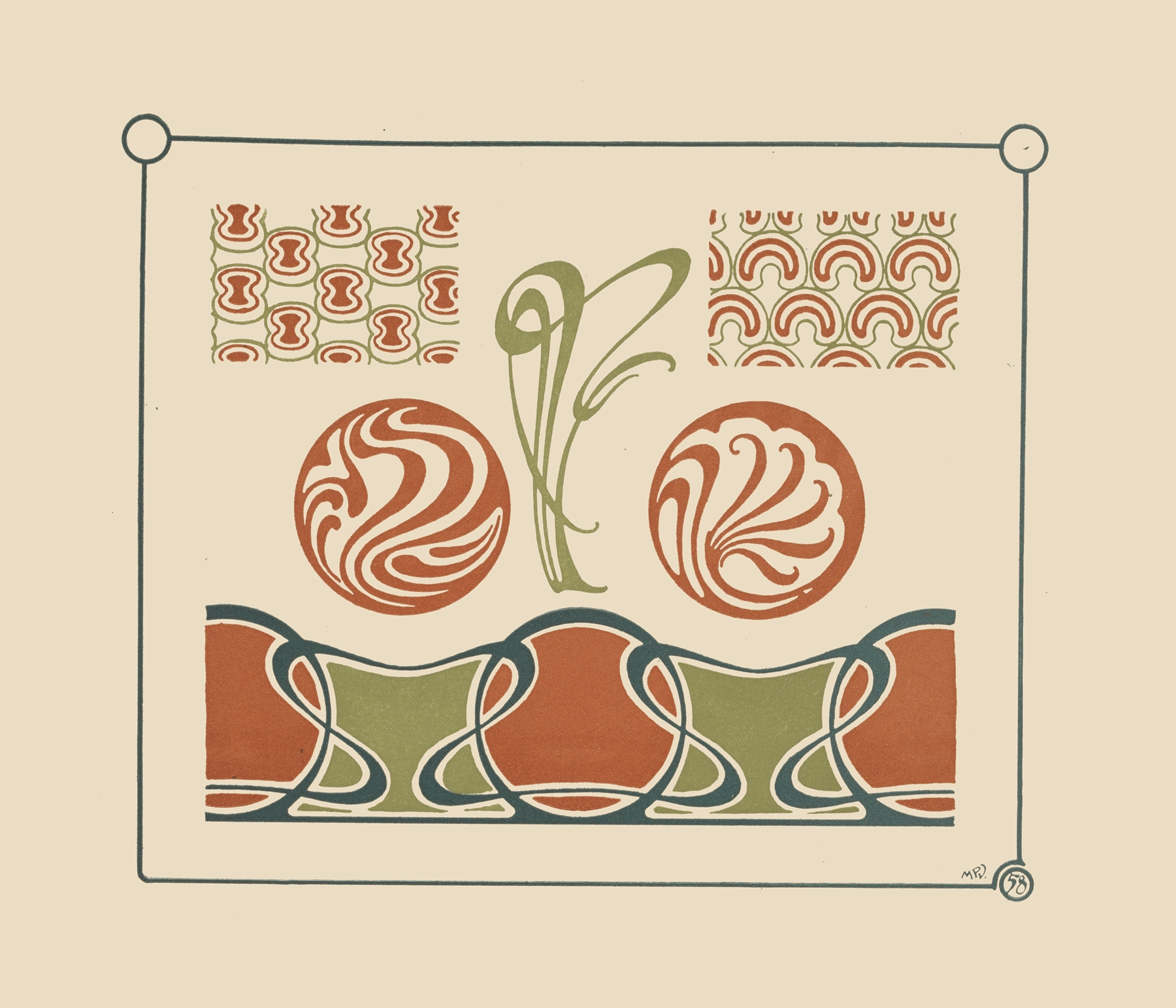
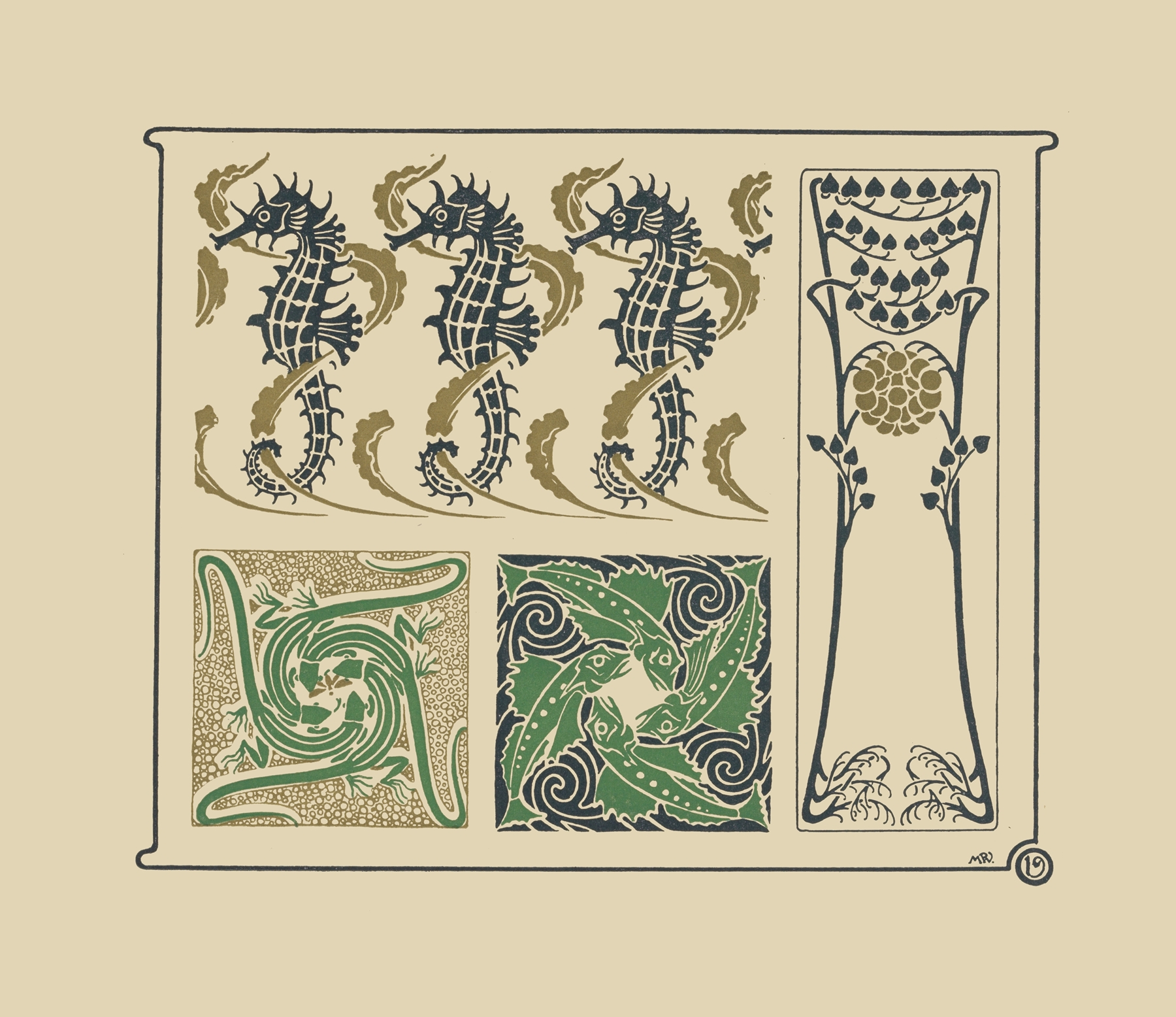
“Under the brush, chaos becomes grace.” In the realm of creation, moments of turmoil often yield the most breathtaking beauty, where vibrant chaos dances harmoniously with structure. Focus on the delicate interplay of shapes and colors that swirl across the canvas. Look closely at the intricate patterns, where stylized flowers and leaves meld together, fusing organic forms with an almost architectural precision. Notice how the vibrant greens and warm hues intertwine, creating a rhythm that draws your eye deeper into the heart of the piece.
The brushstrokes vary in intensity, some bold and assertive, while others are whisper-soft, inviting a sense of movement and life. Within this abstract design lies a profound exploration of nature’s essence. The tension between abstraction and representation speaks to the artist's desire to transcend mere depiction, inviting viewers to connect emotionally with the underlying themes of growth and renewal. Small details, like the gentle curves of the petals or the sharp angles of the leaves, evoke the duality of fragility and strength found in the natural world, revealing layers of meaning that resonate beyond the surface.
In 1900, Verneuil was immersed in the post-impressionist movement, exploring the boundaries of abstraction in a rapidly changing artistic landscape. Living in France, he was influenced by the Art Nouveau movement, which celebrated organic forms and intricate designs. This period marked a shift in his work, as he sought to translate the beauty of nature into new, imaginative expressions, reflecting a world poised between tradition and modernity.