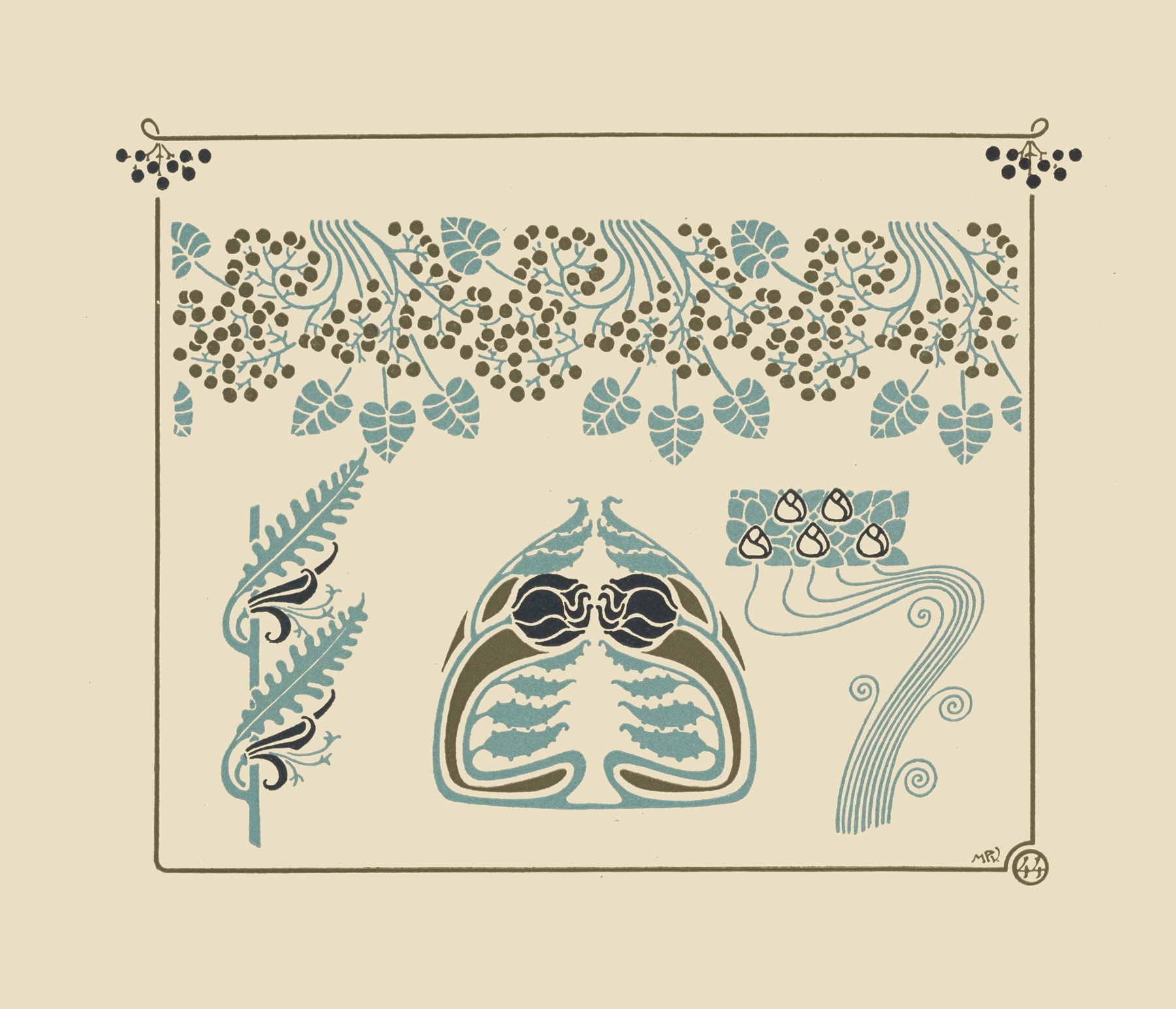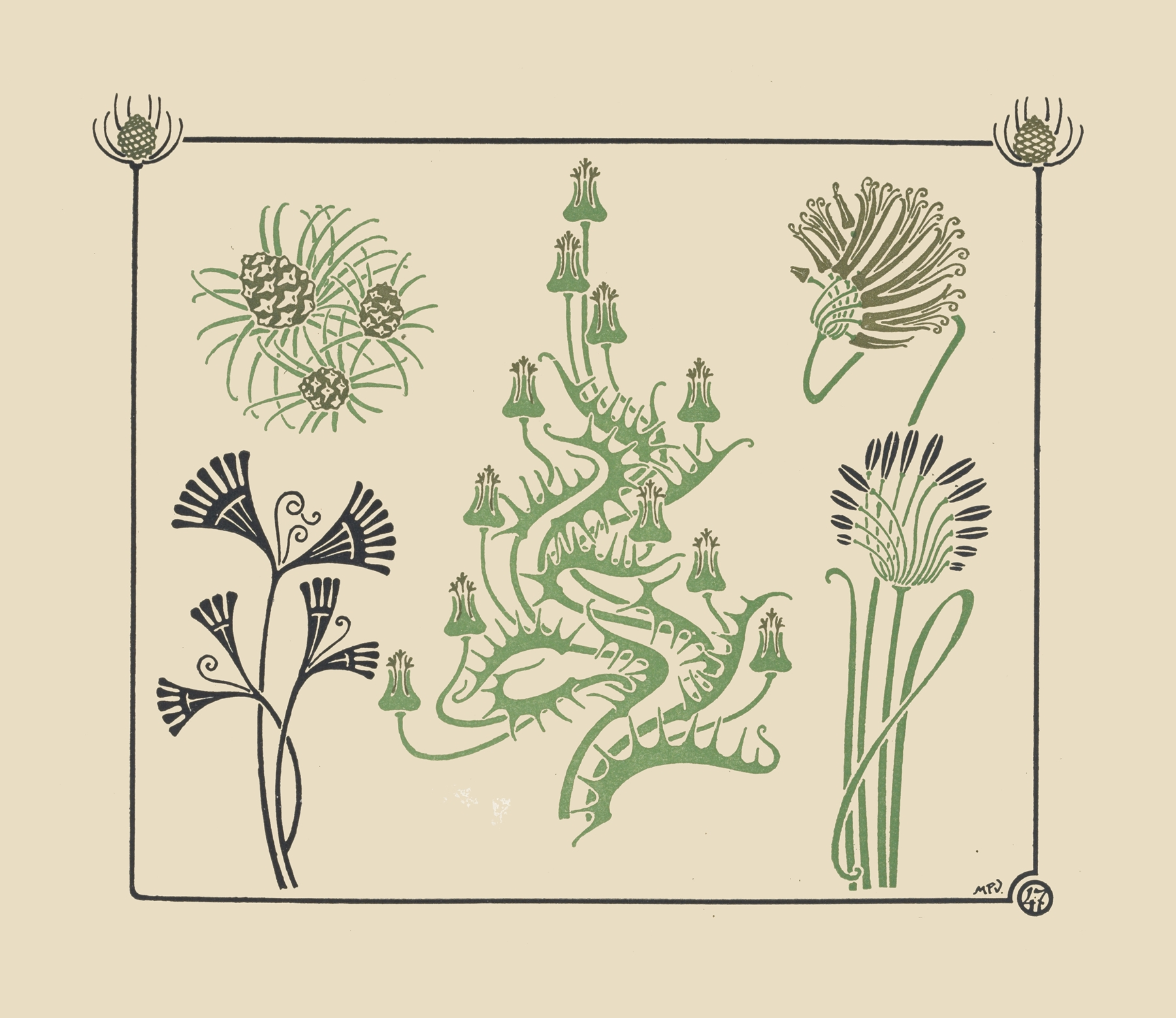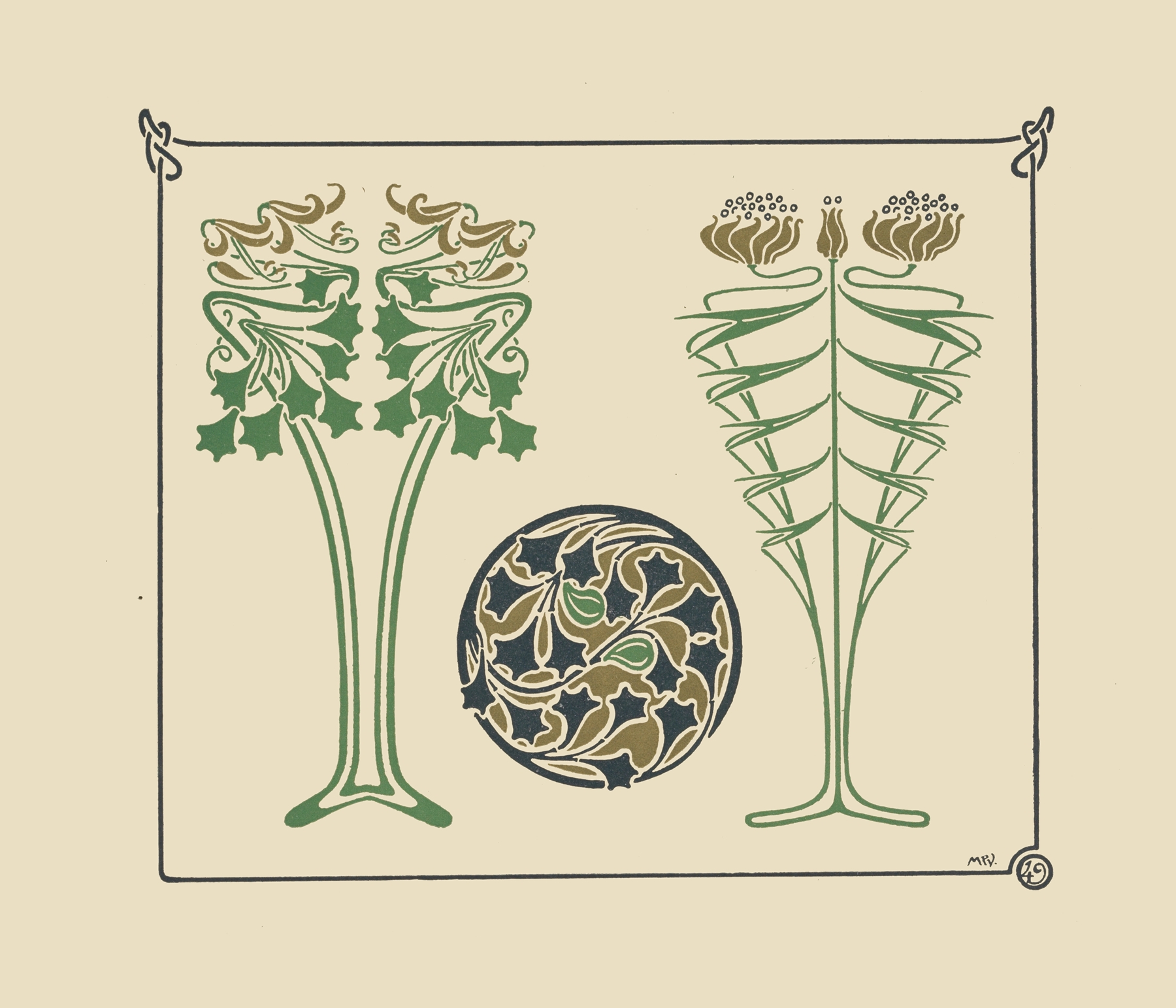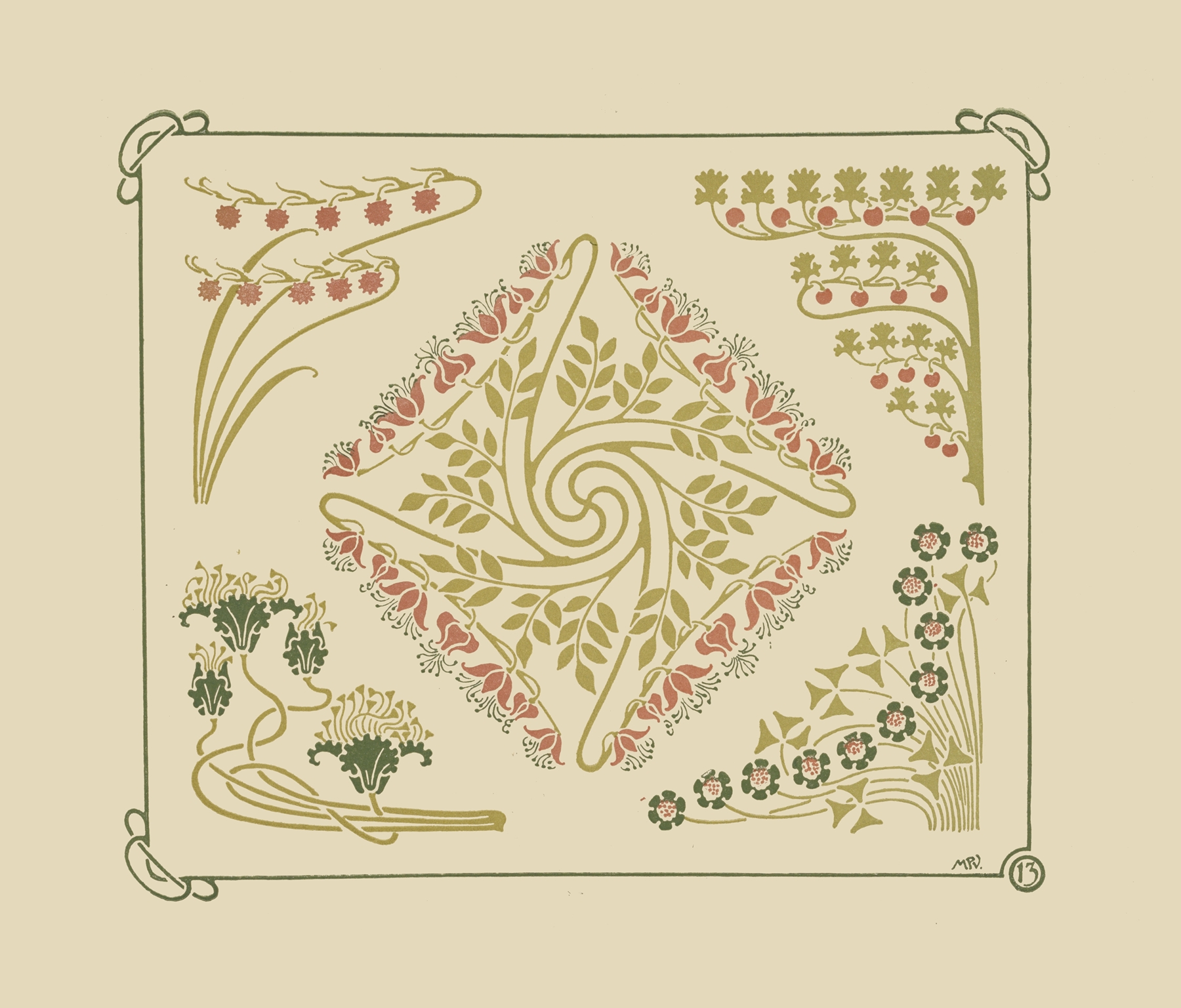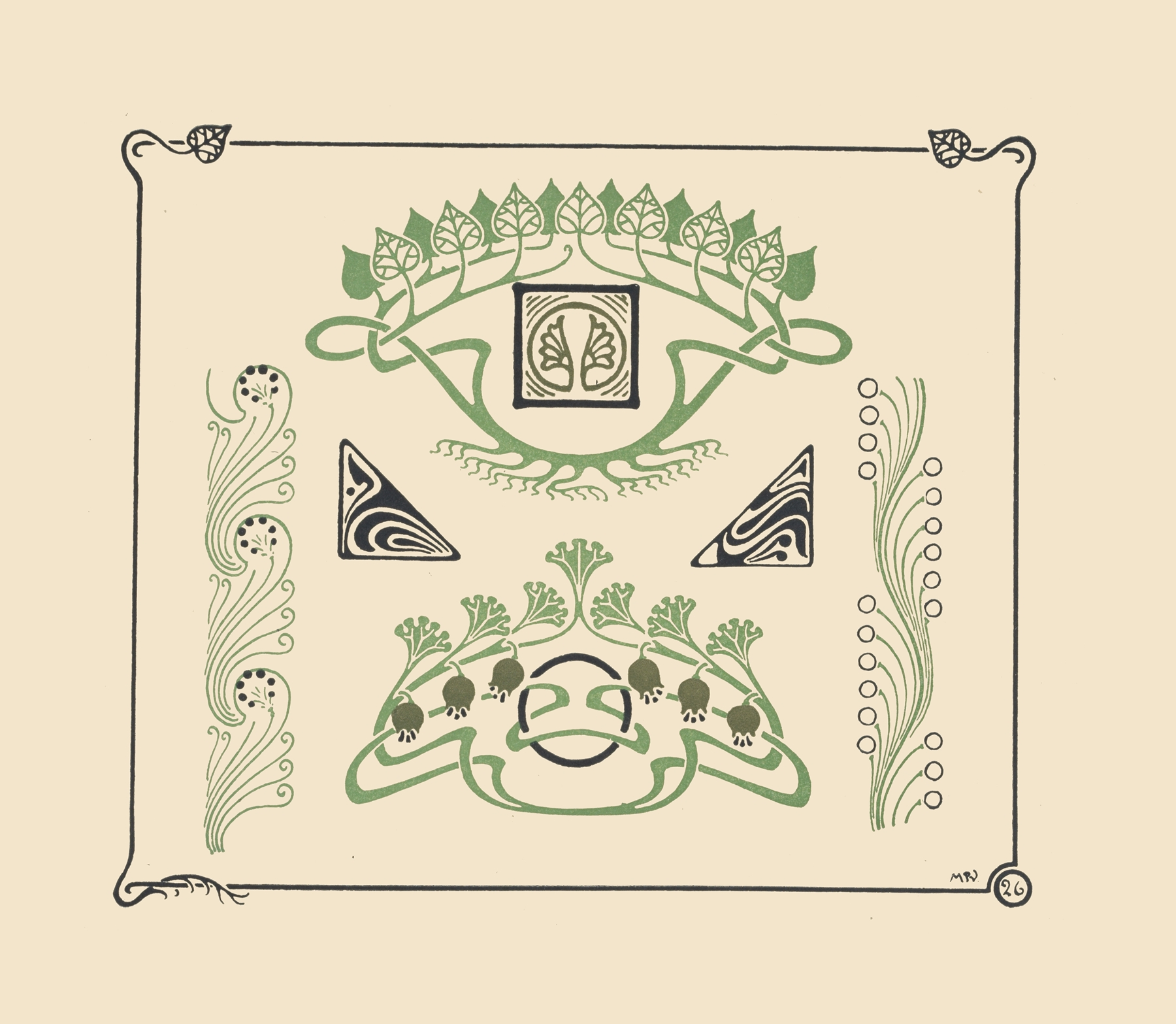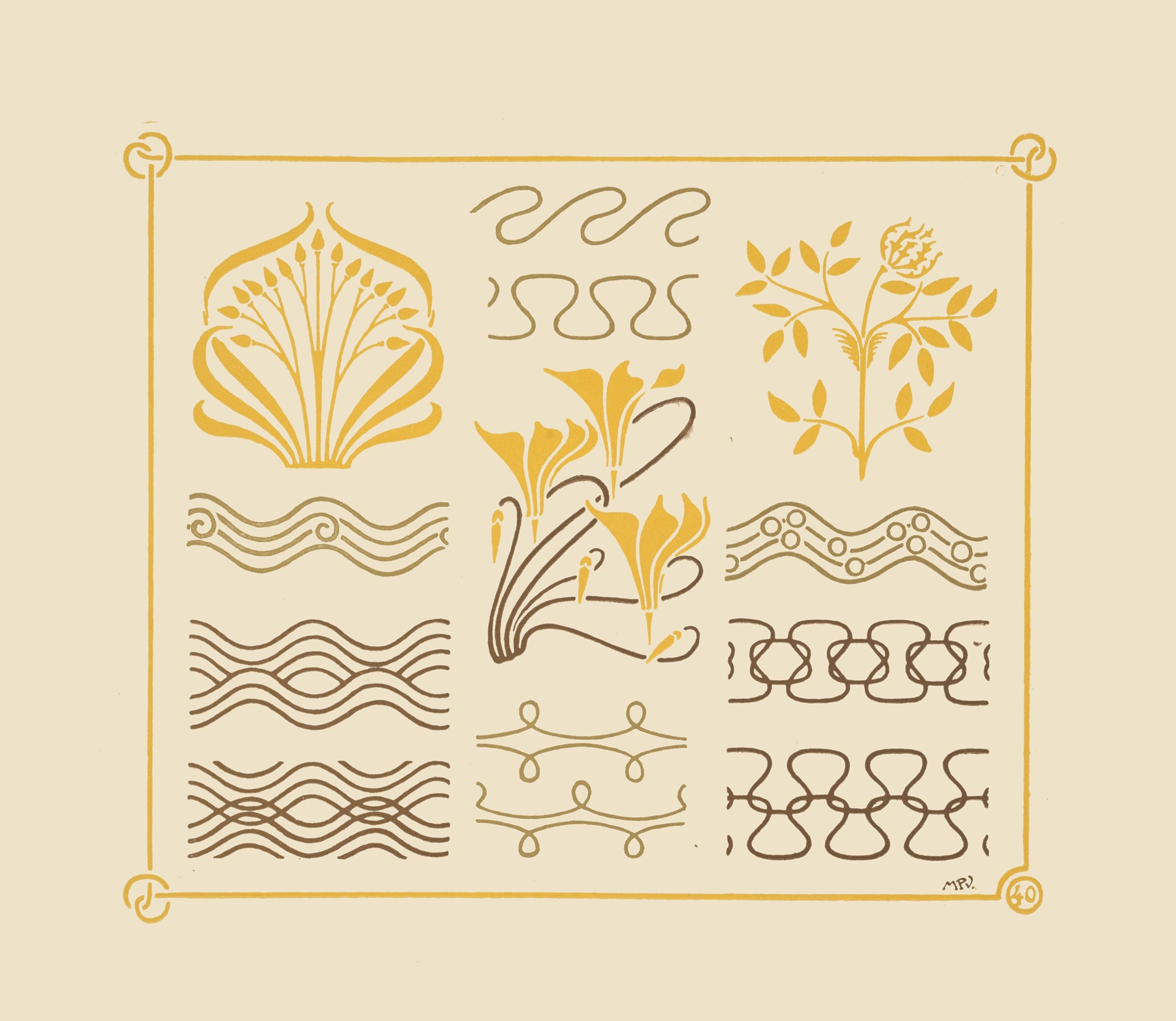
Abstract design based on leaves and curvilinear shapes. — History & Analysis
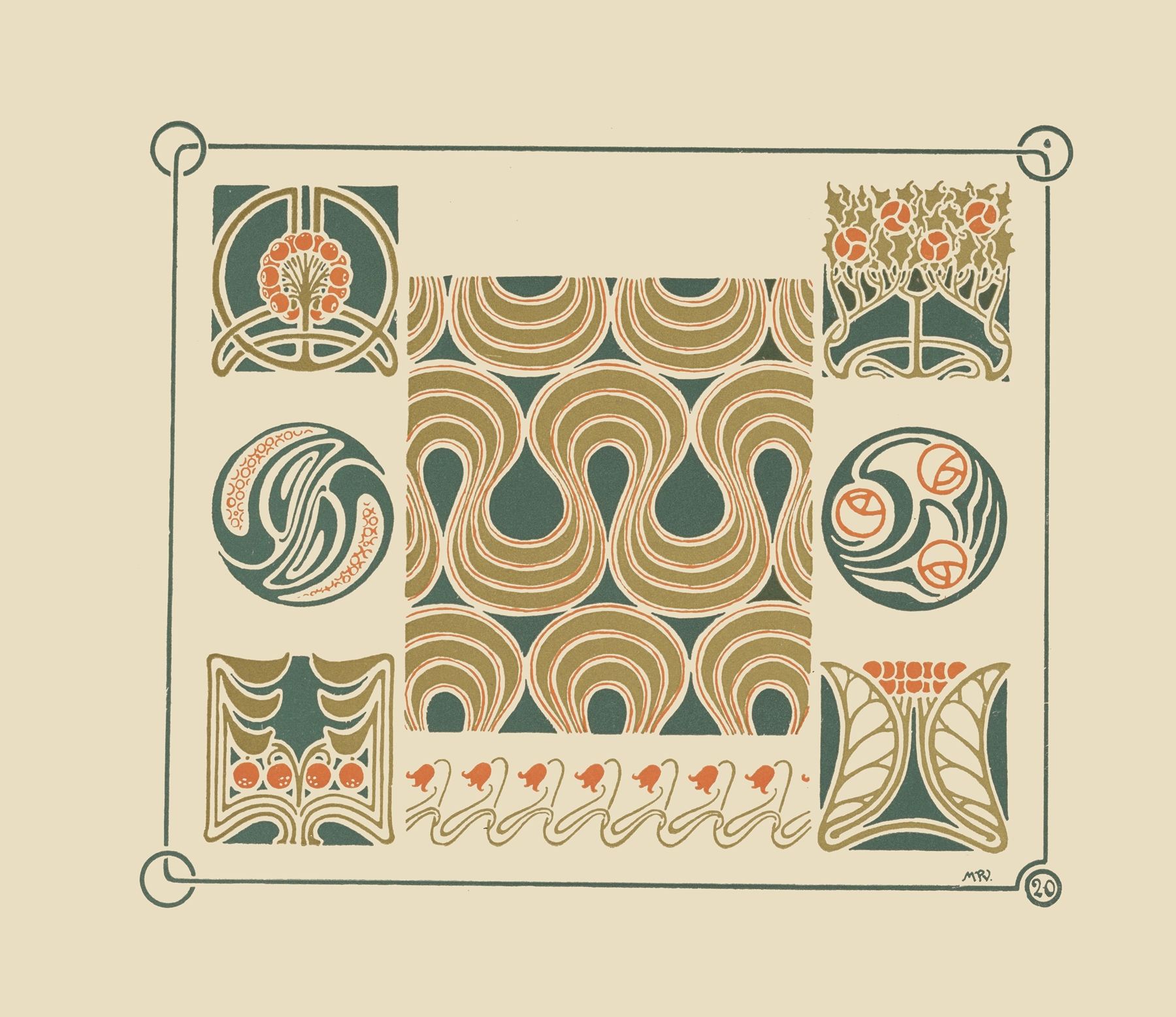
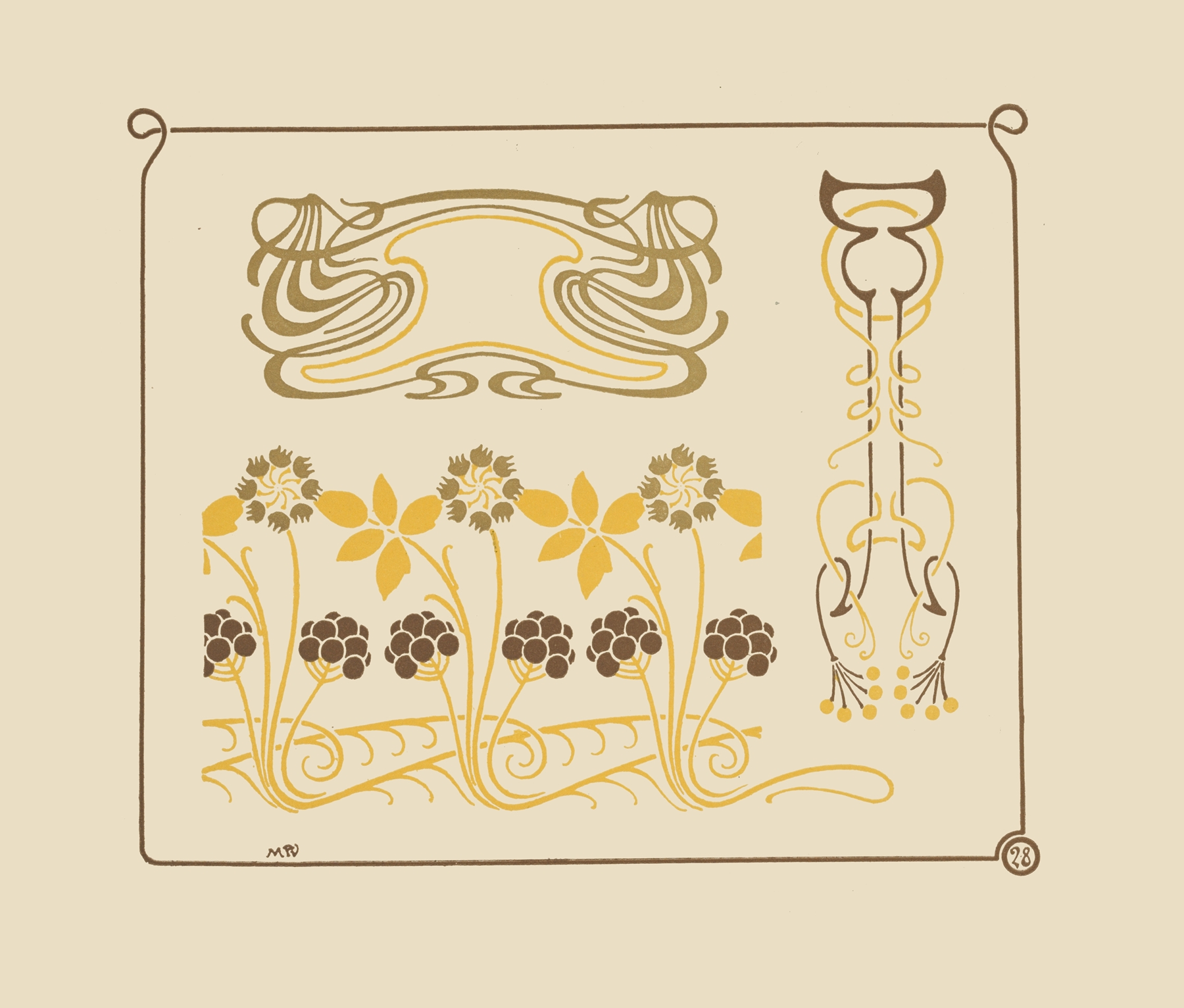
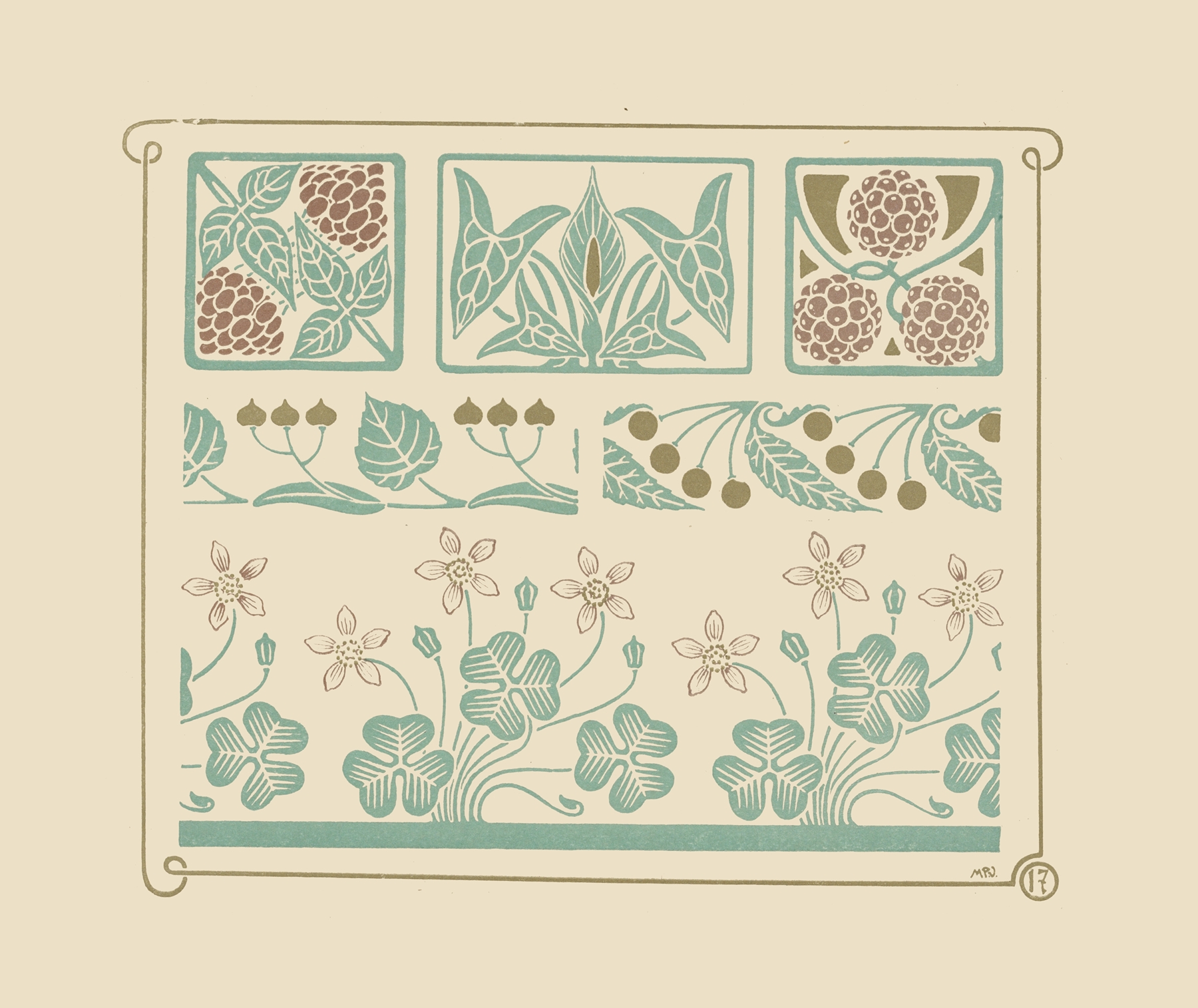
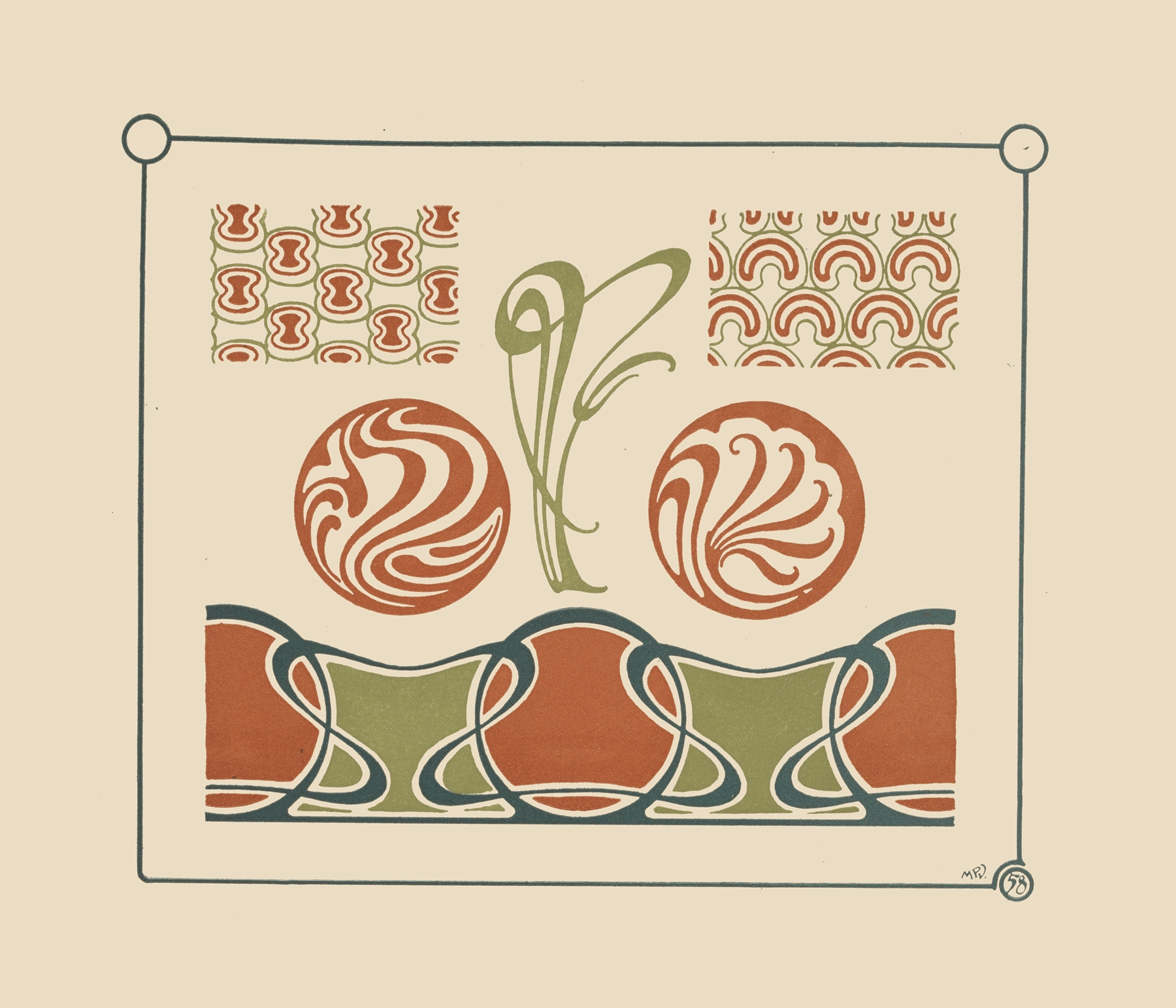
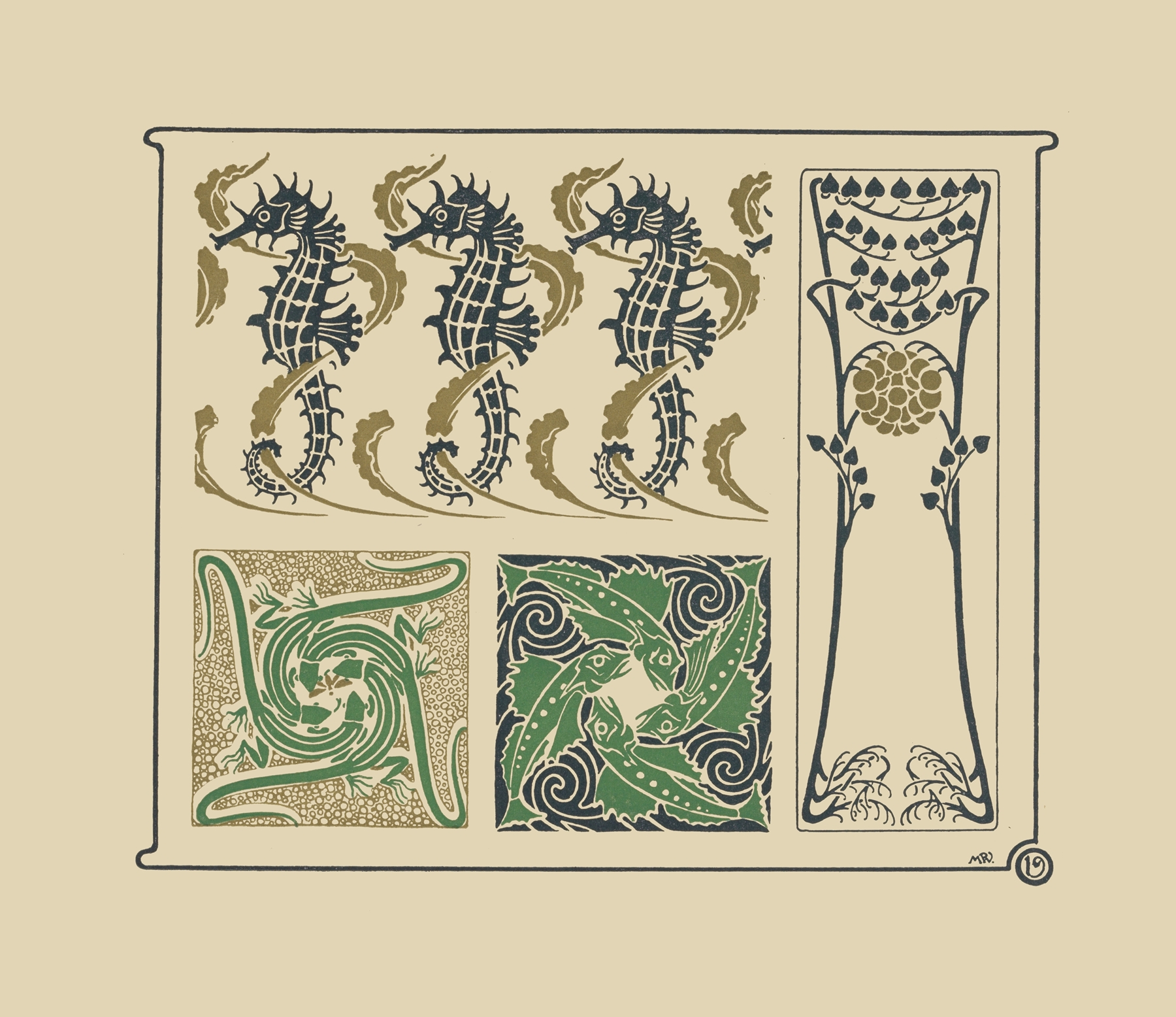
“Sometimes beauty is just pain, disguised in gold.” The delicate interplay of form and color invites a deeper exploration of our emotions, revealing the hidden revelations within nature's design. Look to the swirling curves and intricate leaf patterns that dominate the canvas. The artist's deft use of warm hues, punctuated by cooler tones, creates a rhythmic movement that draws the eye across the surface. Notice how the light dances upon the glossy textures, accentuating the fluid lines that seem to flow like a gentle breeze through the foliage.
Each element is intentionally placed to evoke a sense of harmony and balance, yet it subtly hints at the chaotic undercurrents of life. Amidst the aesthetic beauty lies a tension between fragility and strength. The curvilinear shapes mirror the organic forms of leaves, while simultaneously challenging the viewer to consider the transience of nature. The vibrant colors may suggest vitality, yet they cloak an underlying melancholy, reminding us that all beauty is fleeting.
In this contrast, one can find a revelation of the human experience—an acknowledgment that joy and sorrow often coexist, each enriching the other. In 1900, the artist created this work during a time when the art world was undergoing significant transformation, embracing modernism and moving away from traditional constraints. Living in France, Verneuil was influenced by the Art Nouveau movement, which celebrated organic forms and intricate details. As he explored these themes, he was also navigating his own artistic journey, solidifying his place in a rapidly evolving cultural landscape that sought to express the complexities of life through innovative design.