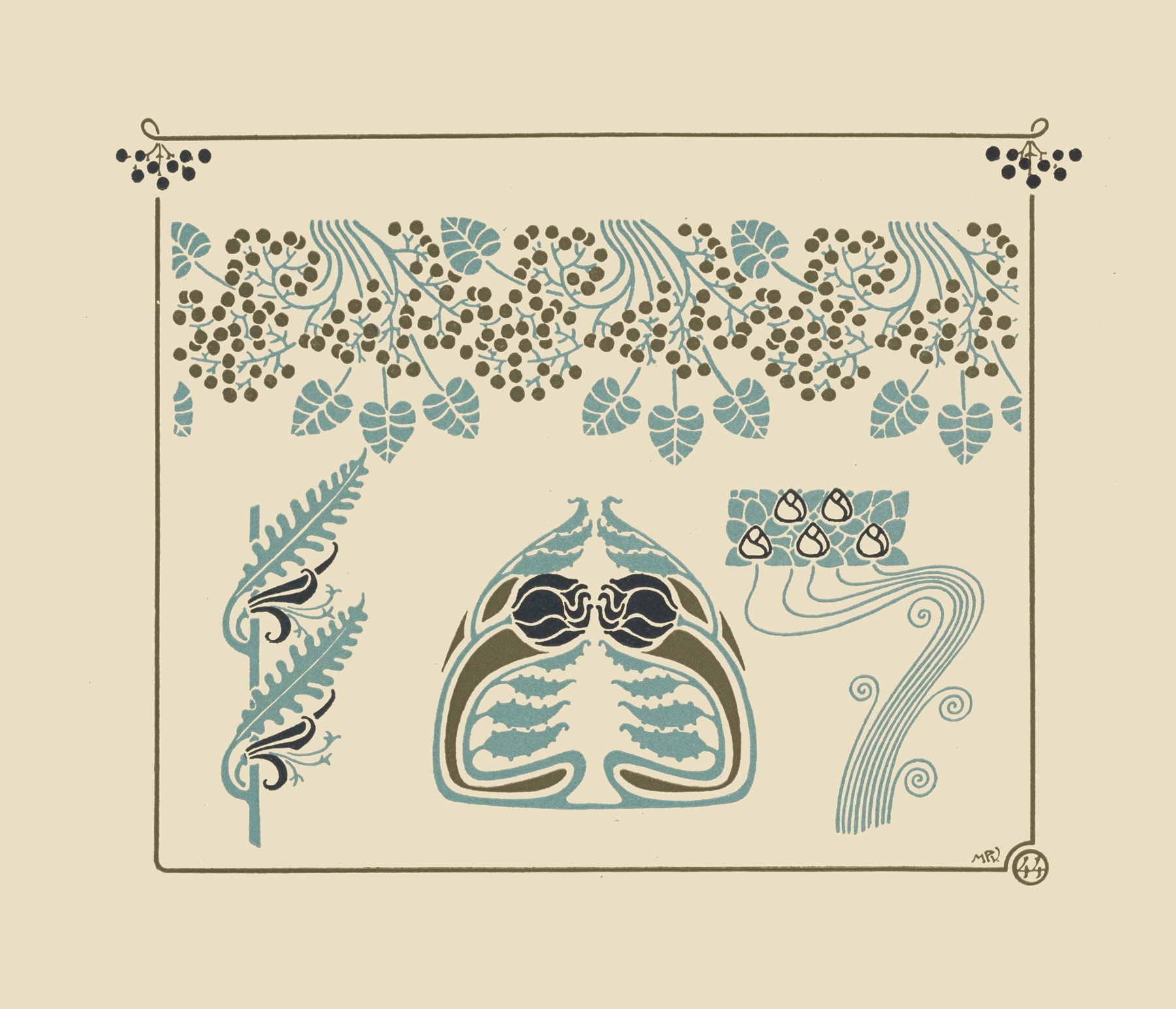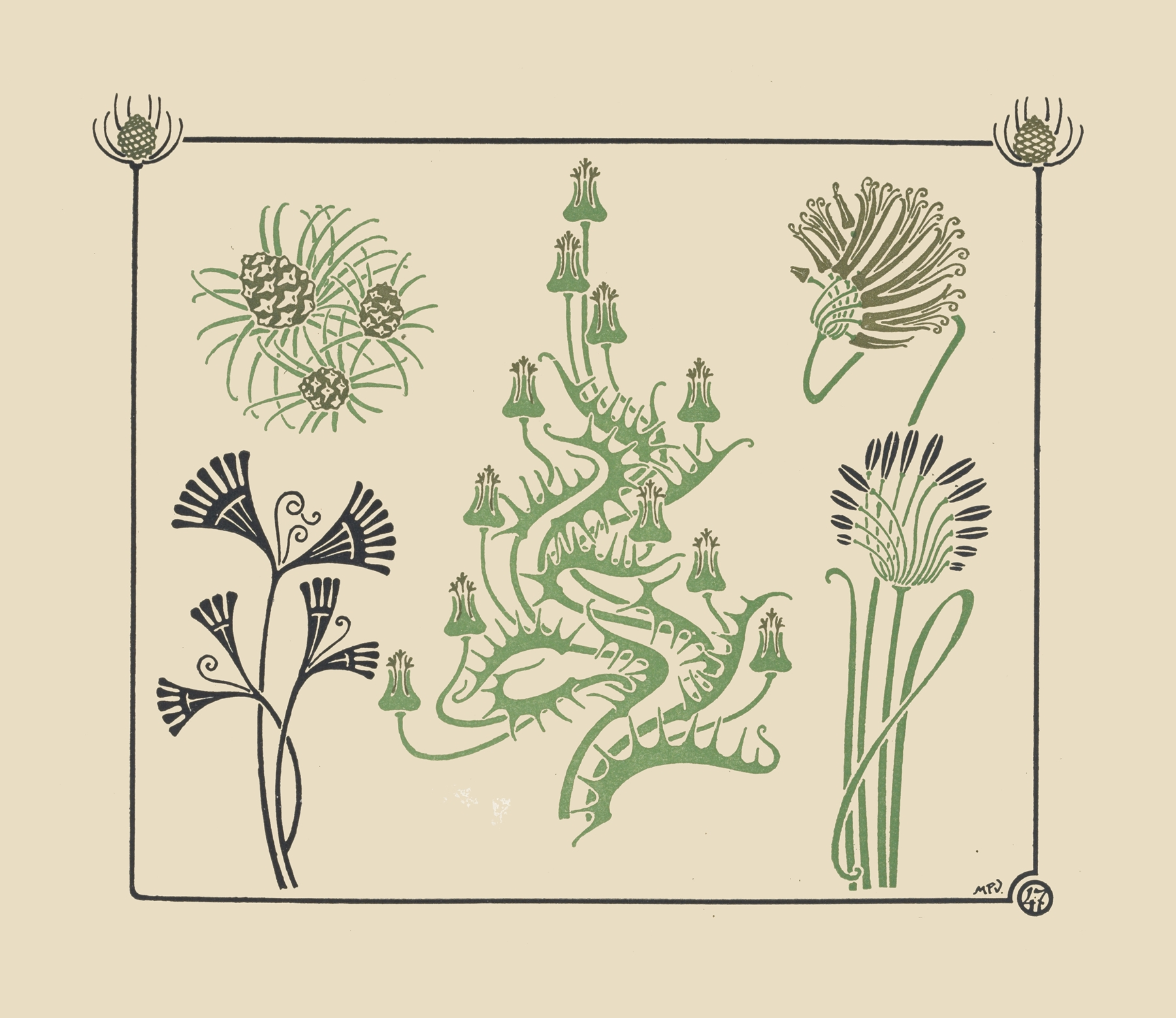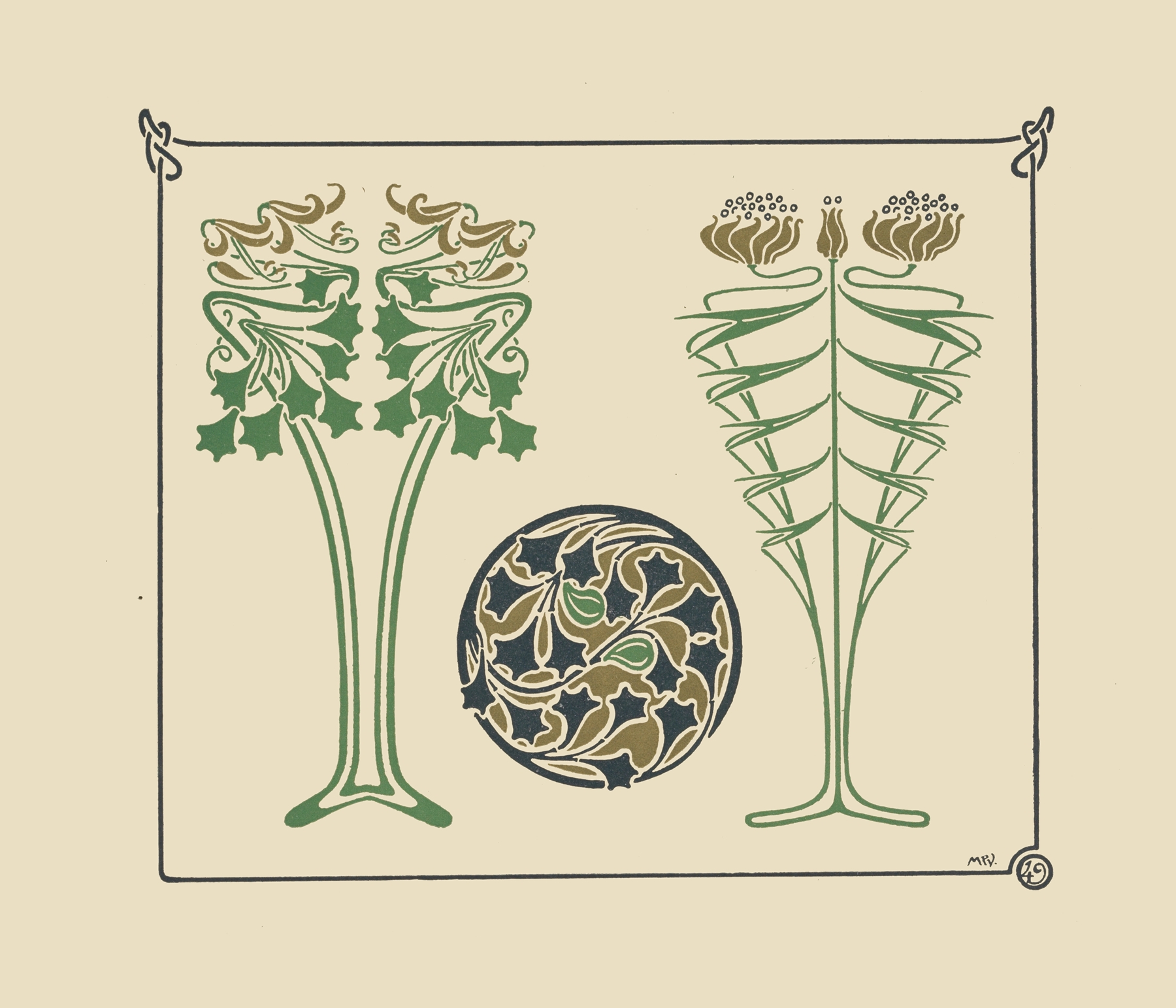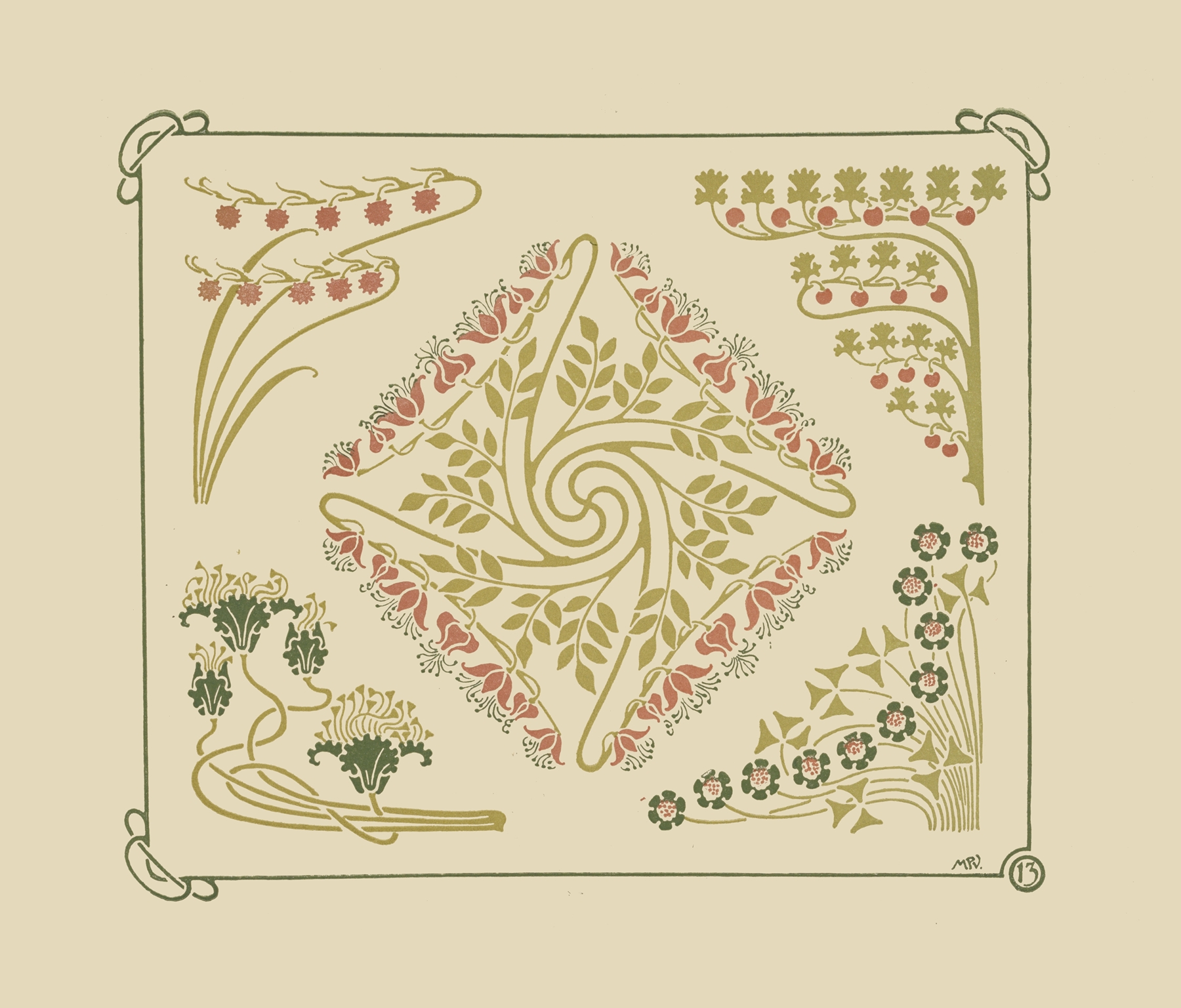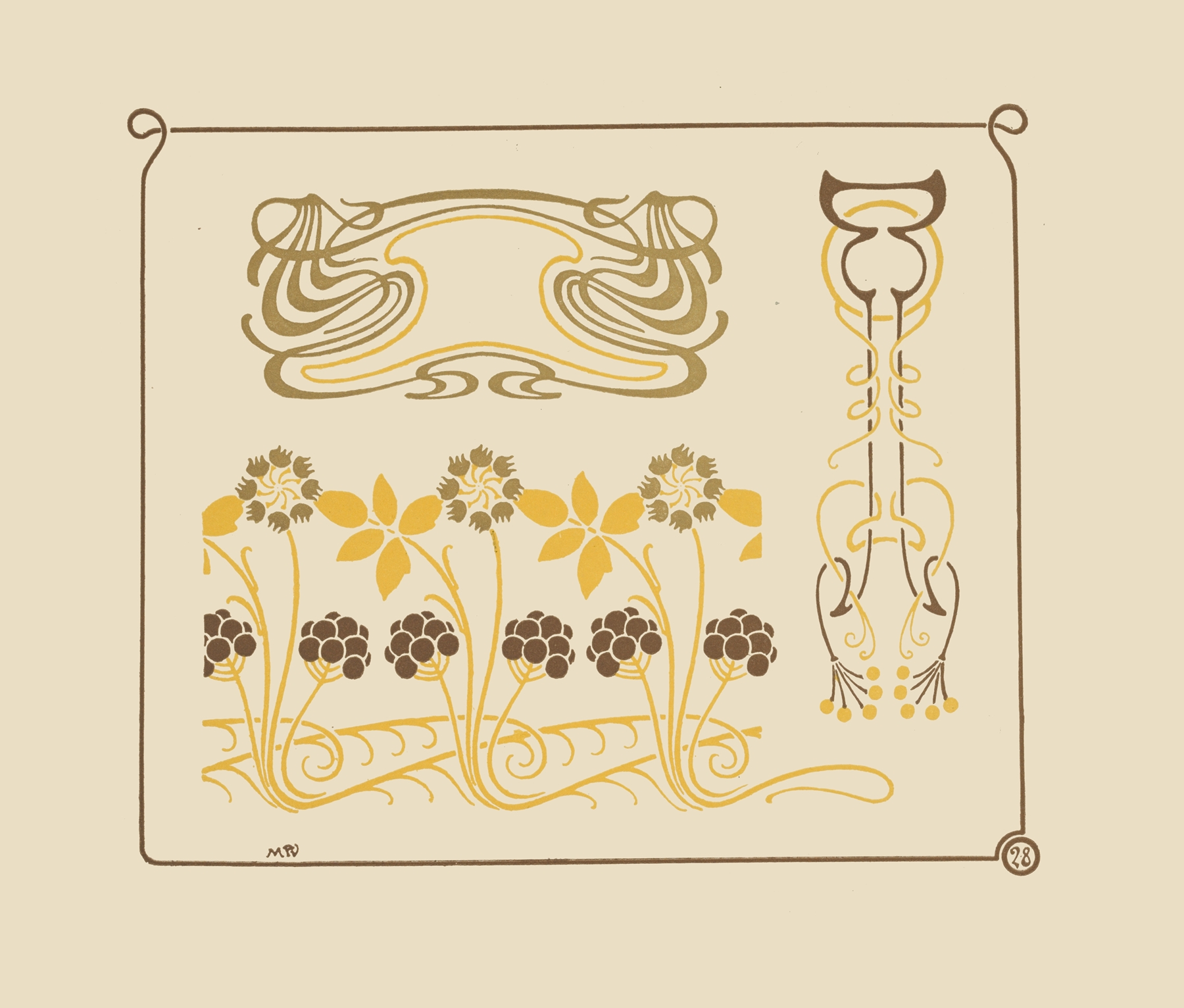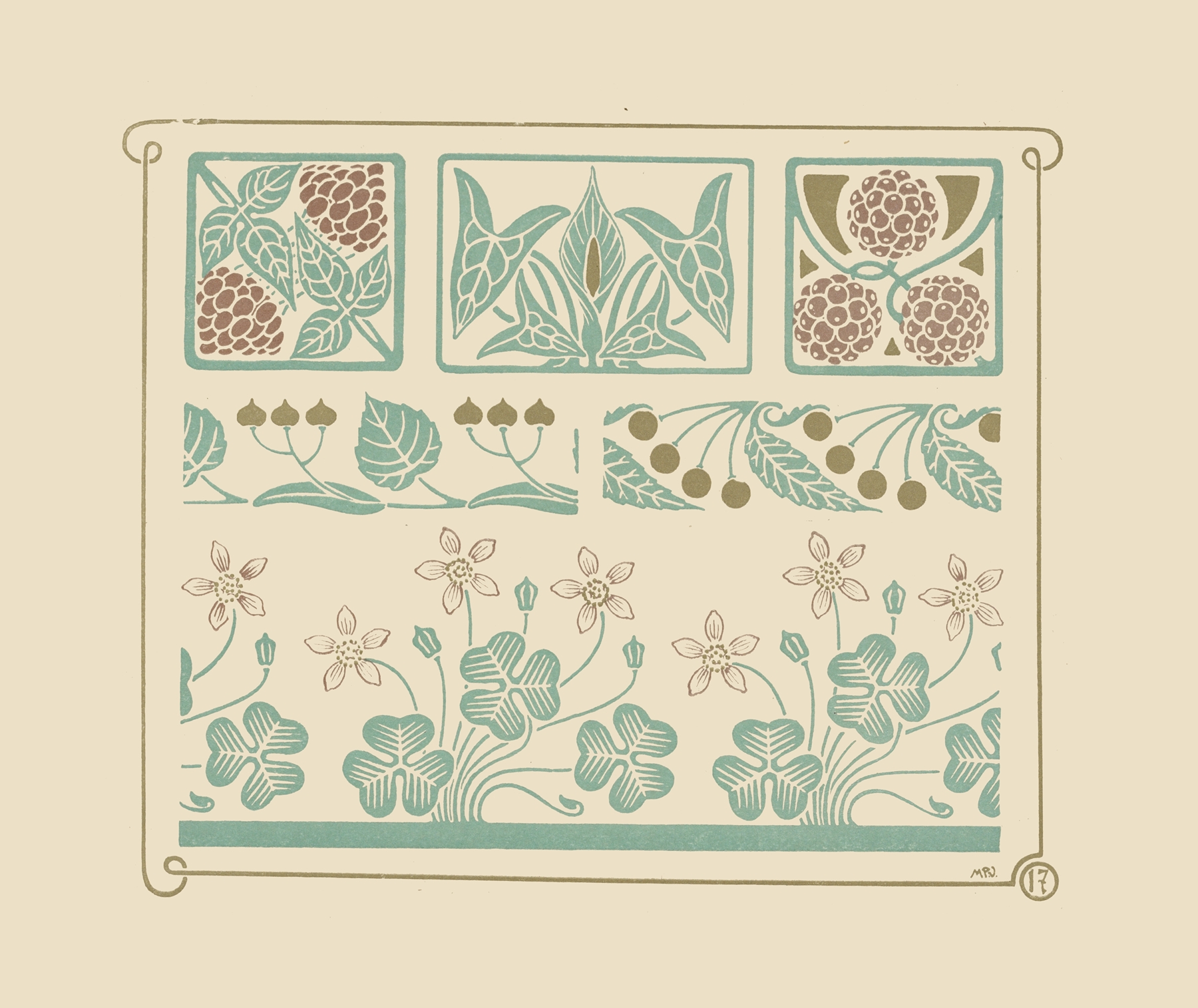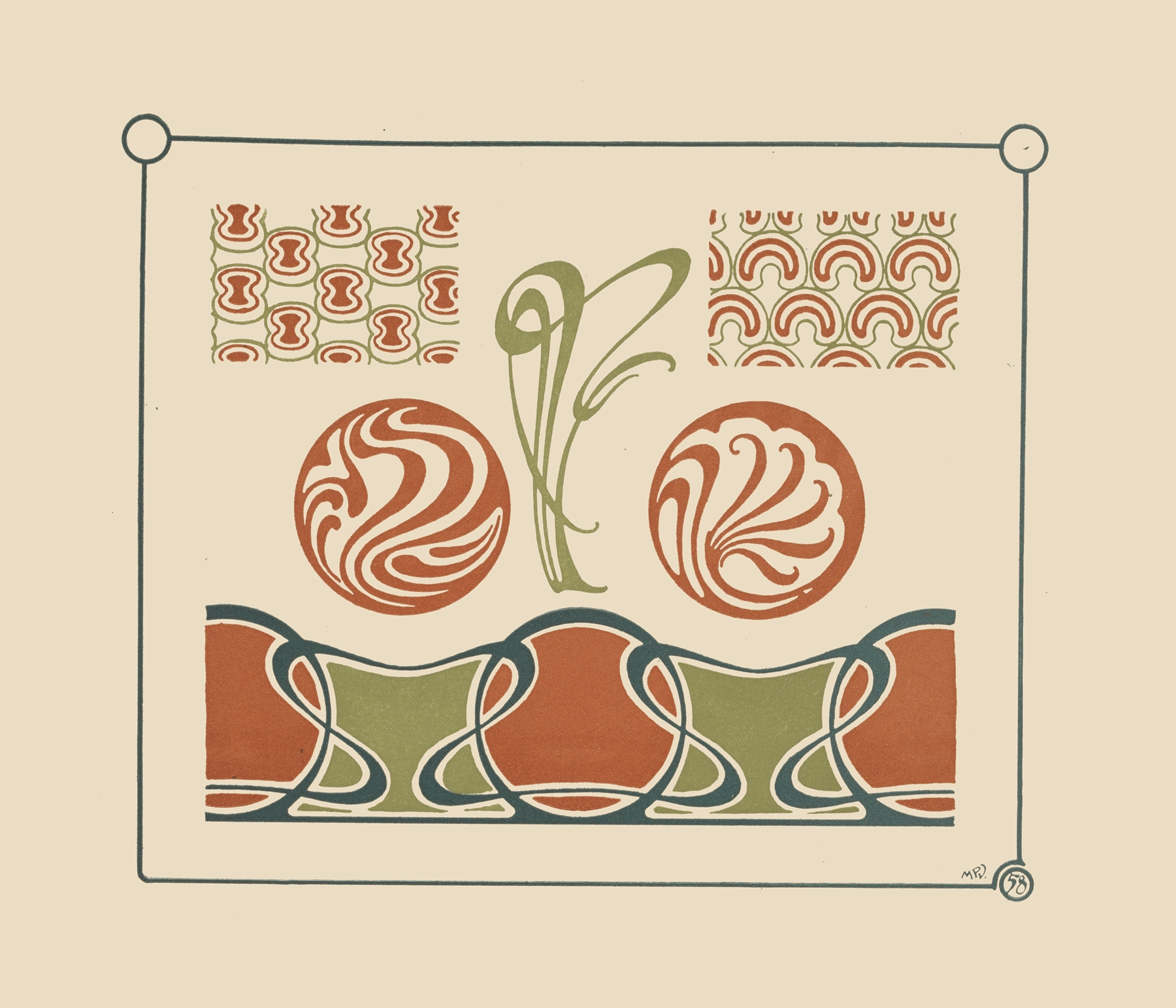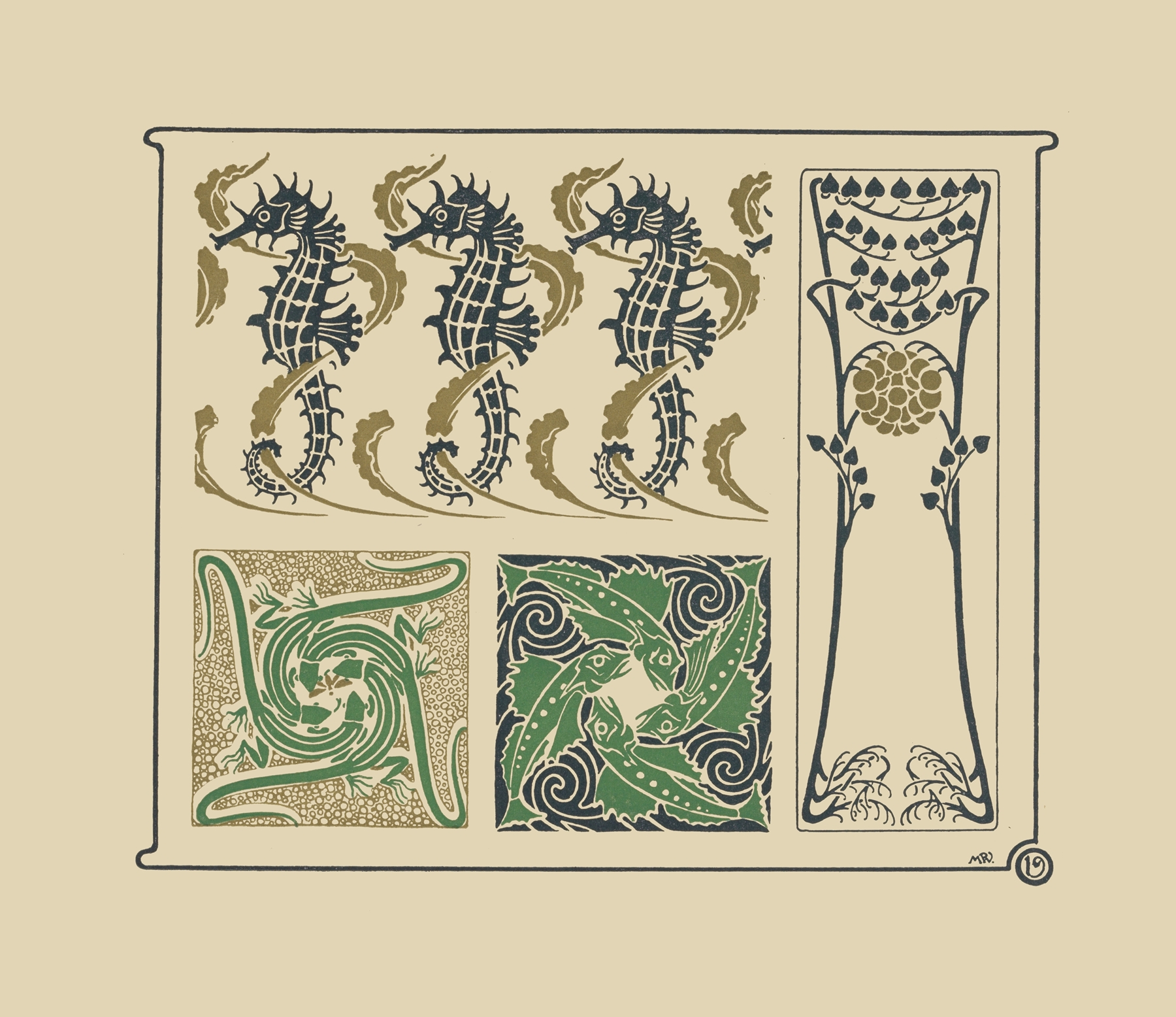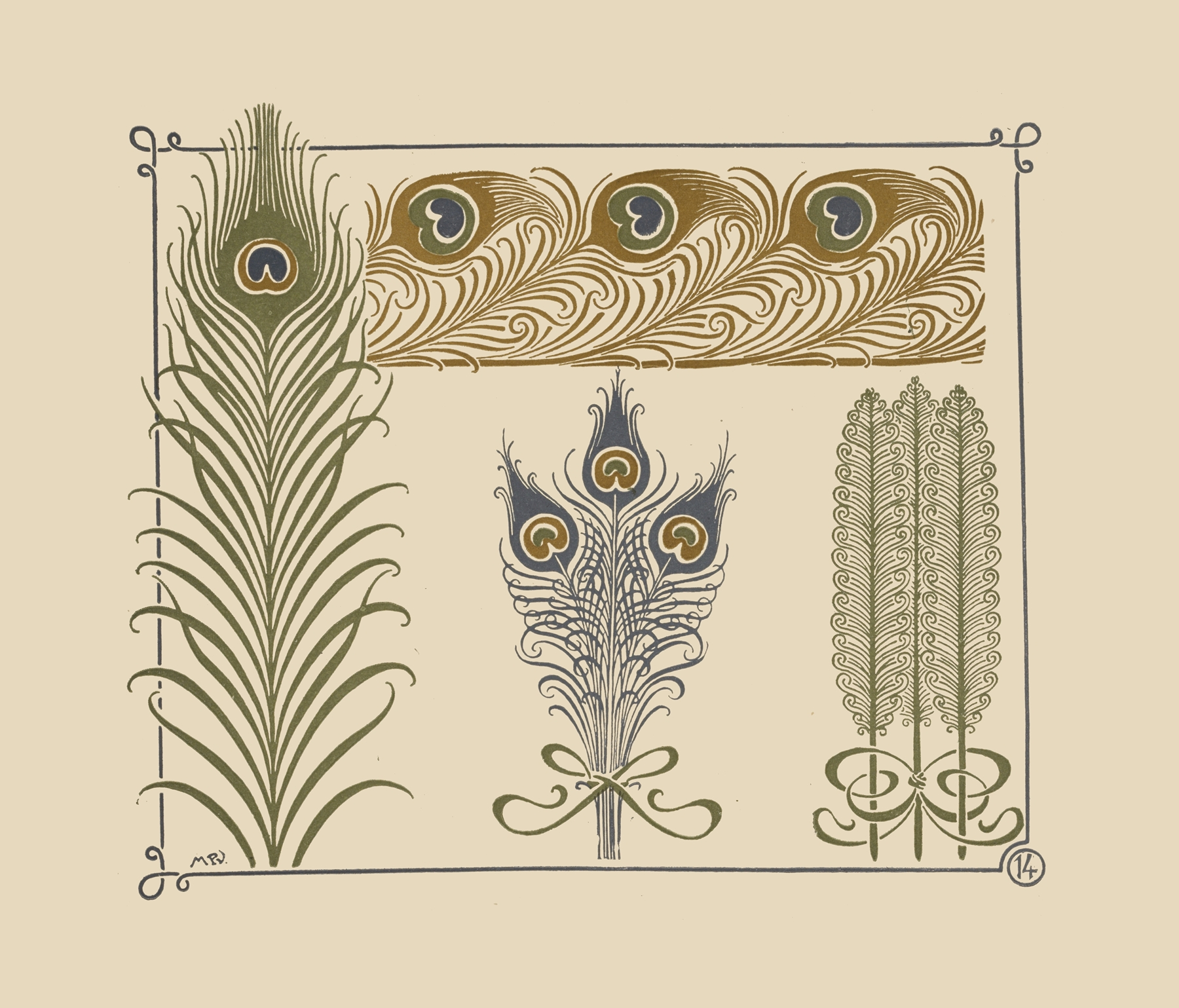
Abstract design based on peacock feathers. — History & Analysis
“Every brushstroke is a heartbeat remembered.” In the intricate swirls and vibrant colors of the artwork, a silent grief echoes, resonating with the fragility of beauty. Each element, like a feather drifting through the air, carries the weight of memories lost and the essence of what once was. Look to the center of the canvas, where a mesmerizing array of blues and greens converge in a radiant dance. The peacock feathers unfurl with elegance, their shapes flowing in a rhythmic harmony that draws the viewer’s eye. Notice how the rich pigments create a depth that feels almost alive, as if the patterns are breathing, pulsating with emotion.
The delicate interplay of light and shadow enhances the intricate designs, inviting contemplation and connection to the past. Yet amidst the splendor, there lies an underlying tension. The very beauty of these feathers can evoke a sense of longing, a reminder of what is transient. The sharp contrasts of color highlight an emotional dichotomy—joy intertwined with sorrow.
Each stroke seems to capture not only the essence of the peacock but also the fleeting moments of life, suggesting a relationship between loss and the celebration of existence. In 1900, Maurice Pillard Verneuil was deeply entrenched in the Art Nouveau movement, a time characterized by organic forms and intricate designs. Living in France, he was influenced by the beauty of nature and the emotional depth of symbolism, reflecting the collective search for meaning in a rapidly modernizing world. His exploration of motifs, such as those found in peacock feathers, coincided with both personal and artistic growth, illustrating a poignant yet vibrant interpretation of grief.