An der Türkenschanze — History & Analysis
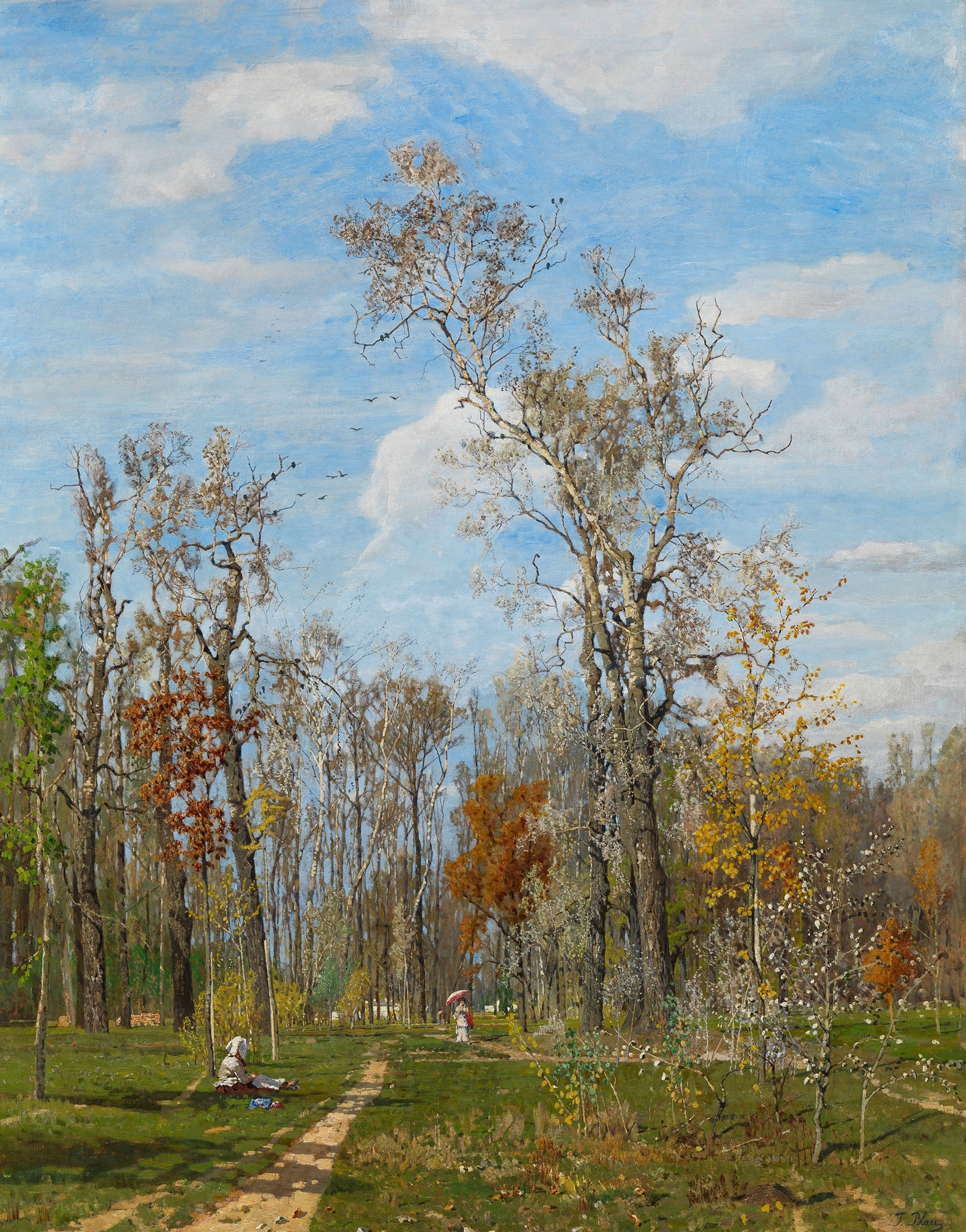
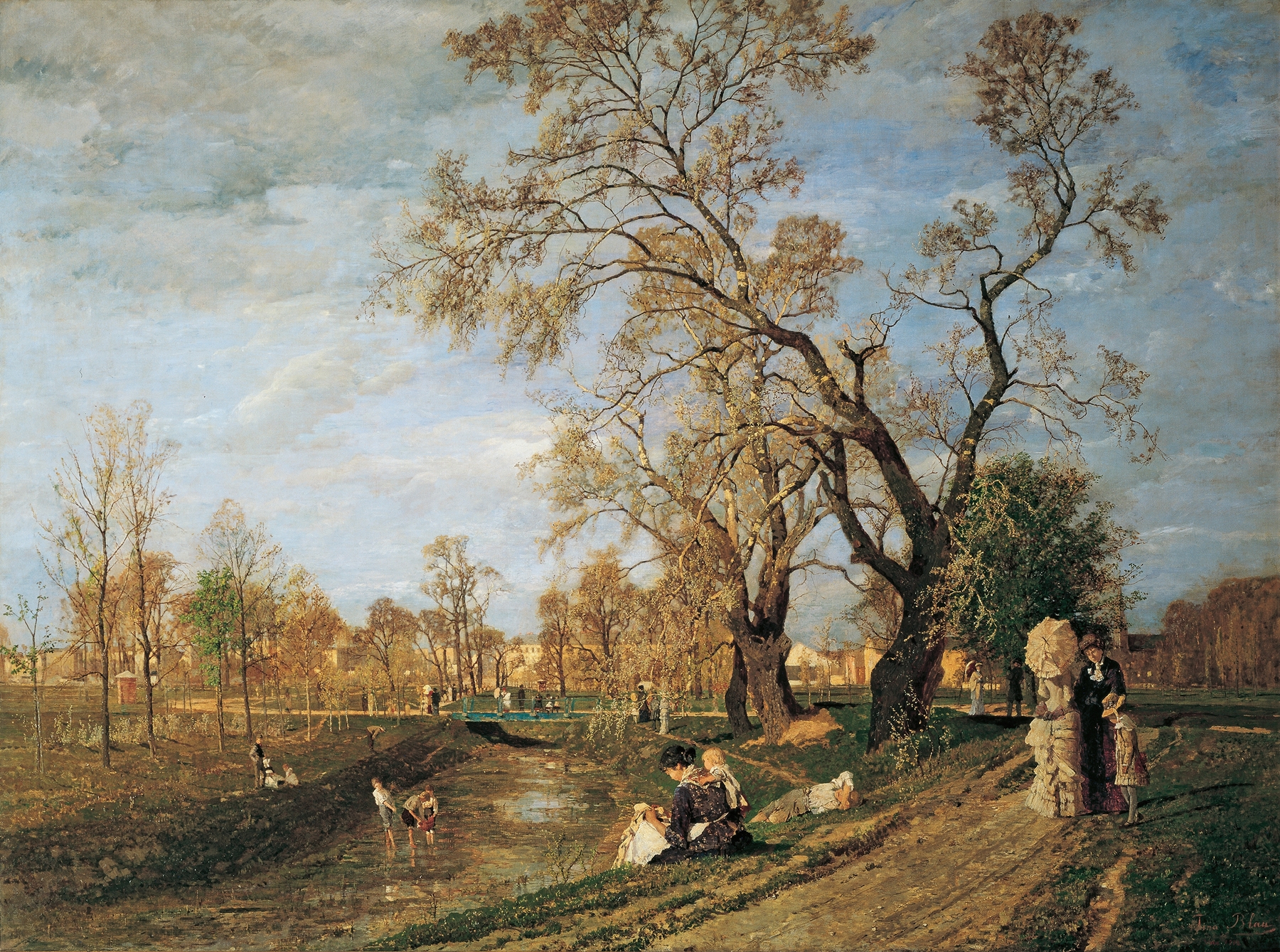
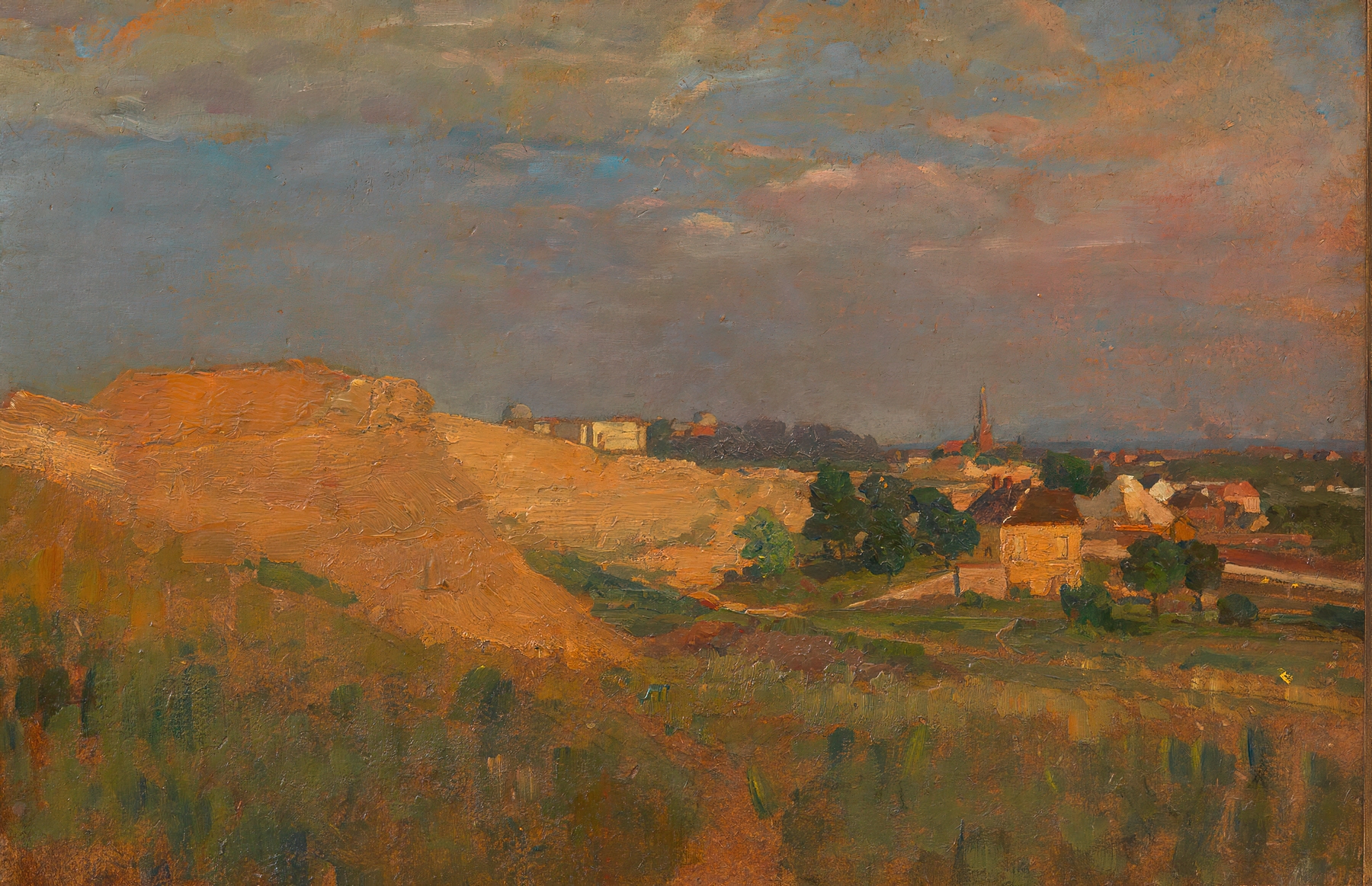
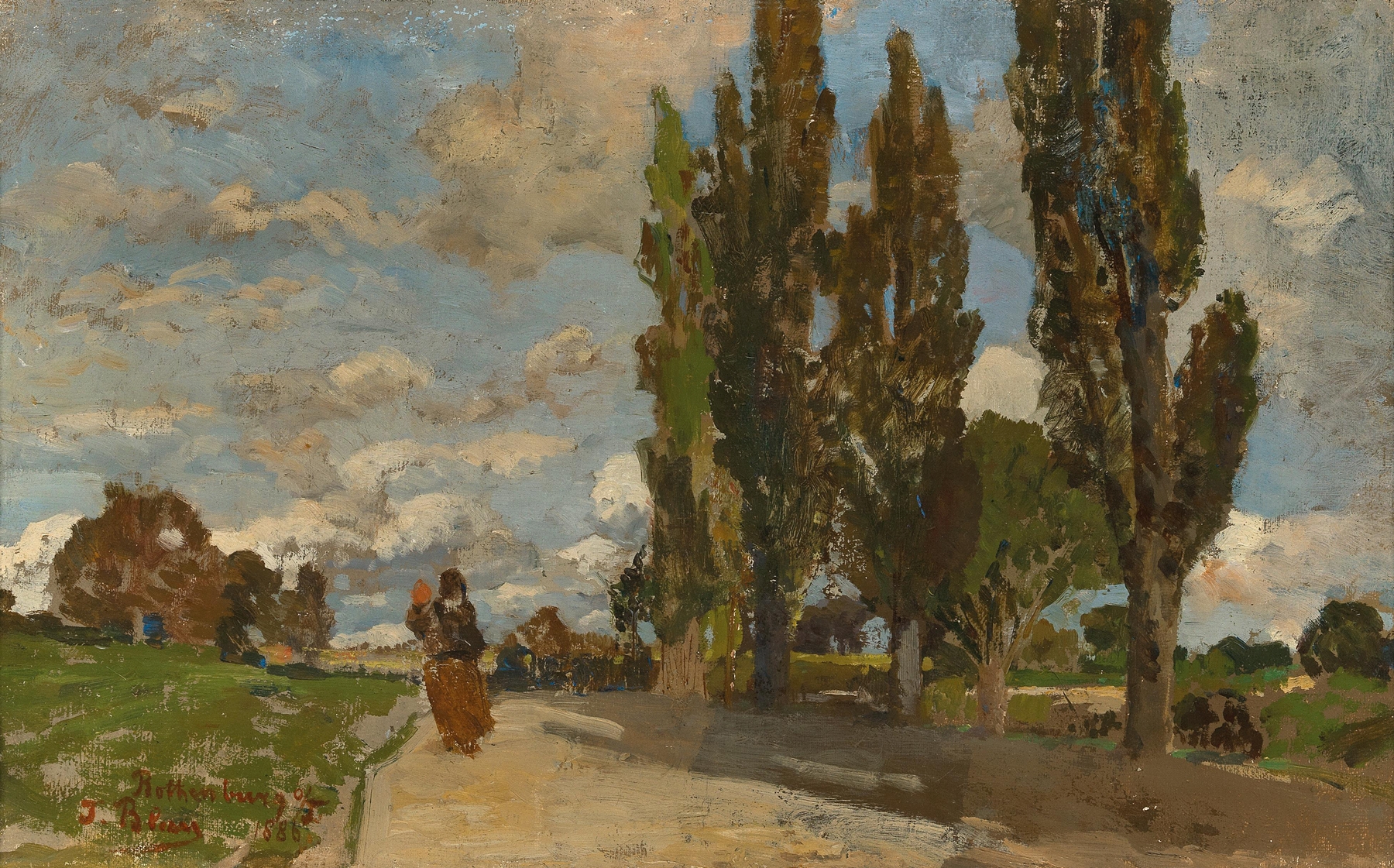
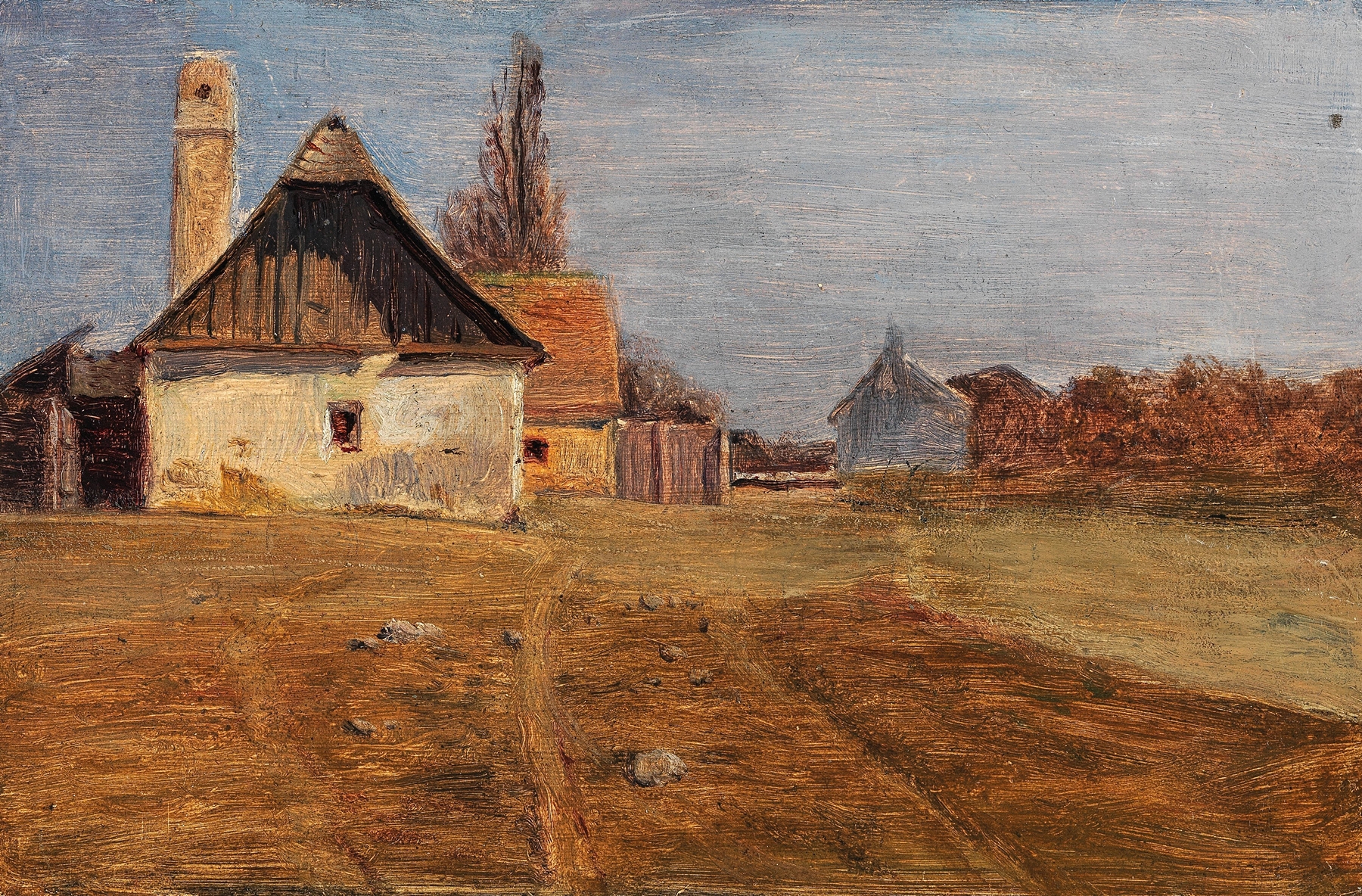
Is this a mirror — or a memory? In the gentle embrace of light, a serene landscape unfolds, where nature and nostalgia intertwine, whispering secrets of hope and renewal. Focus on the vibrant greens that dance across the canvas, leading your gaze toward the rolling hills and the delicate strokes that suggest a soft breeze. Notice how the dappled sunlight filters through the foliage, illuminating each blade of grass as if to offer reassurance. The deep blues of the sky contrast strikingly with the lush ground below, creating a harmonious balance that invites contemplation.
The painter's confident brushwork captures both movement and stillness, evoking a sense of timelessness. Yet beneath this tranquil surface lies a poignant tension. The interplay of light and shadow hints at fleeting moments, perhaps representing the transience of life itself. The landscape evokes a yearning for peace amidst the chaos of existence, a testament to resilience.
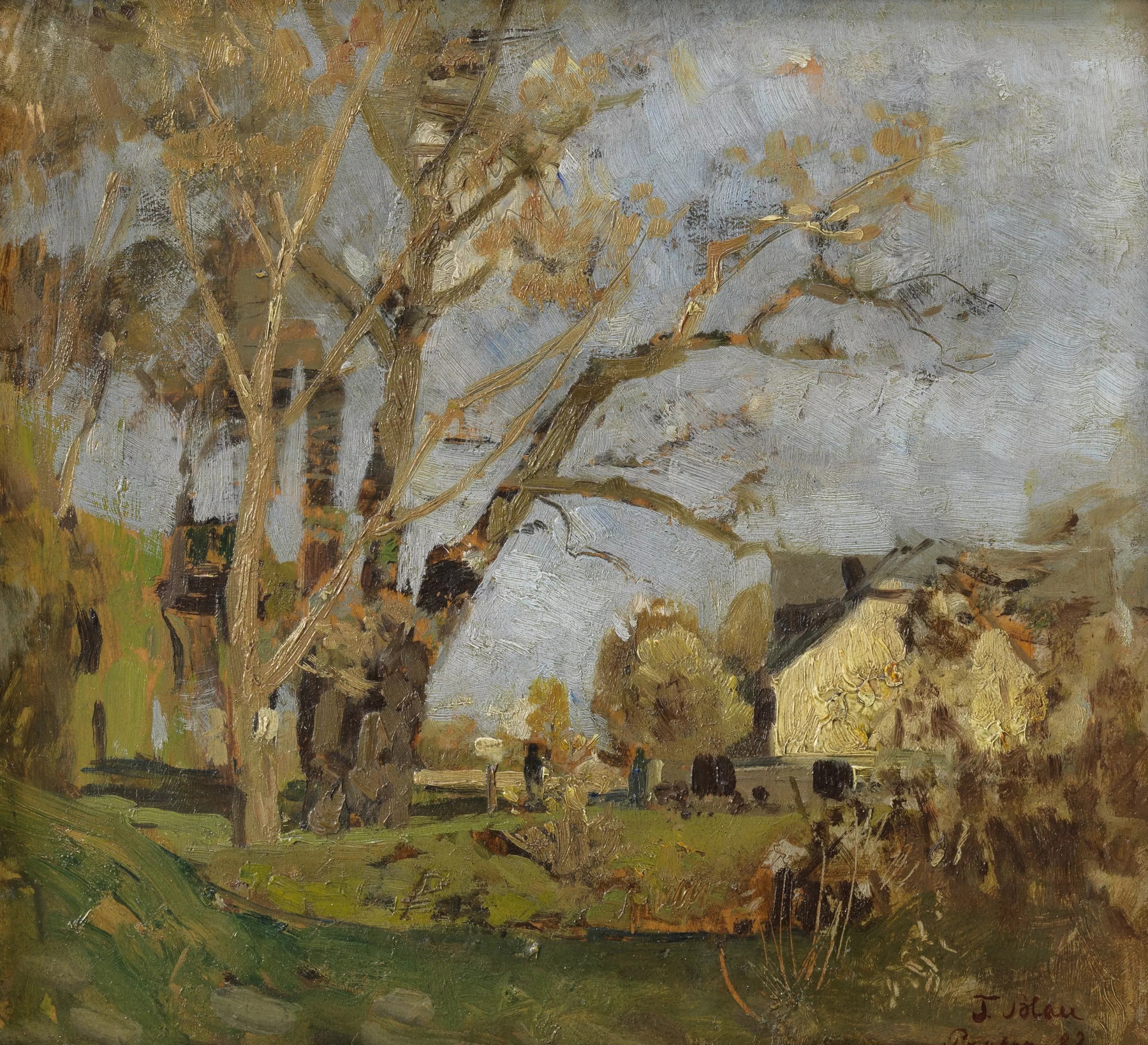
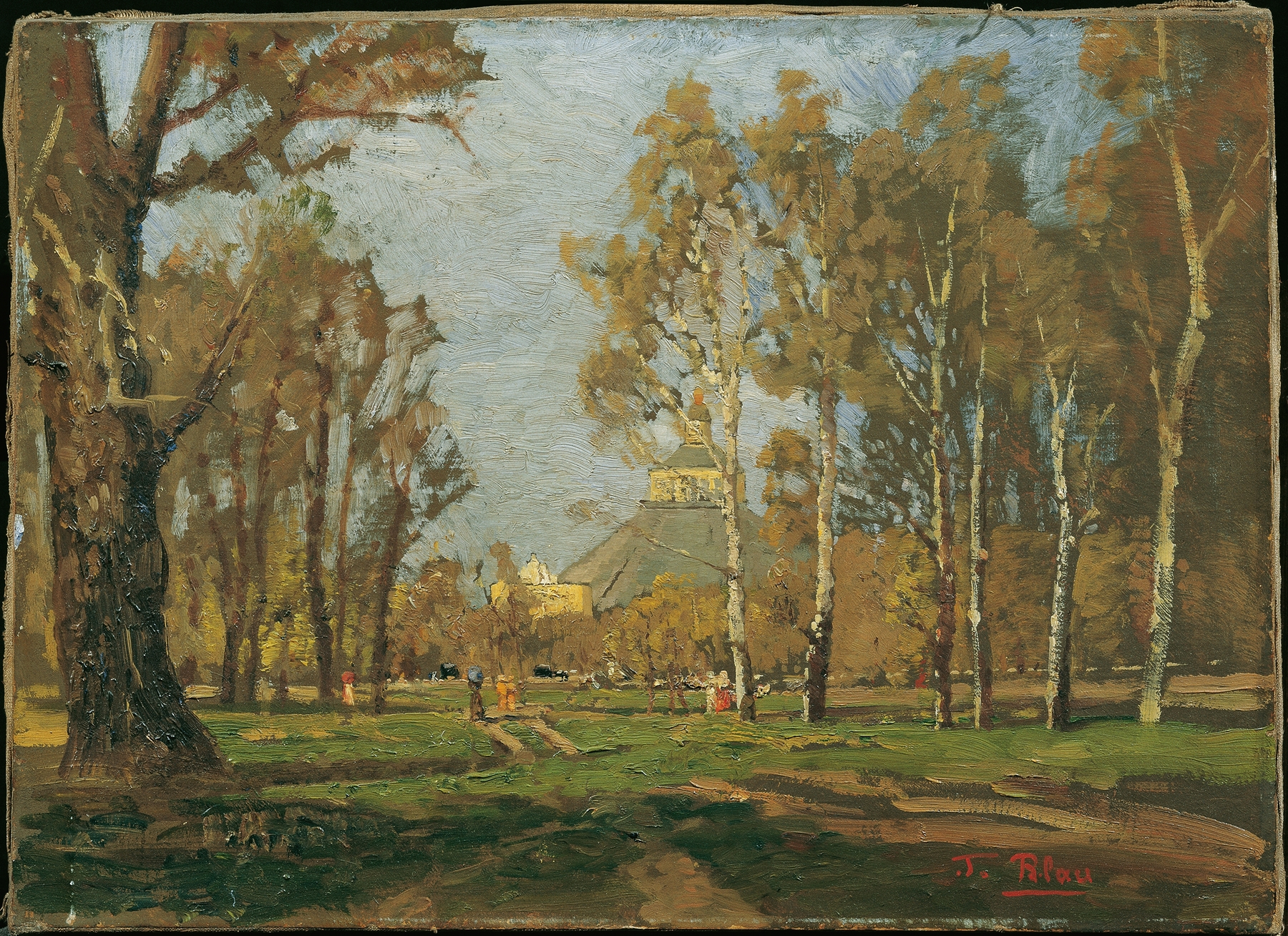
Each element, from the winding path to the distant horizon, serves as a reminder of the journey forward, underscored by a vibrant hope that persists despite uncertainty. Tina Blau created An der Türkenschanze in 1912, during a time when she was deeply invested in the Austrian art scene. This period was marked by a burgeoning interest in Impressionism and a quest for capturing the essence of place. Blau’s work was informed by her travels and experiences, reflecting her commitment to portraying nature’s beauty while also revealing her own emotional landscape.