An English Man-of-War Taking Possession of a Ship — History & Analysis
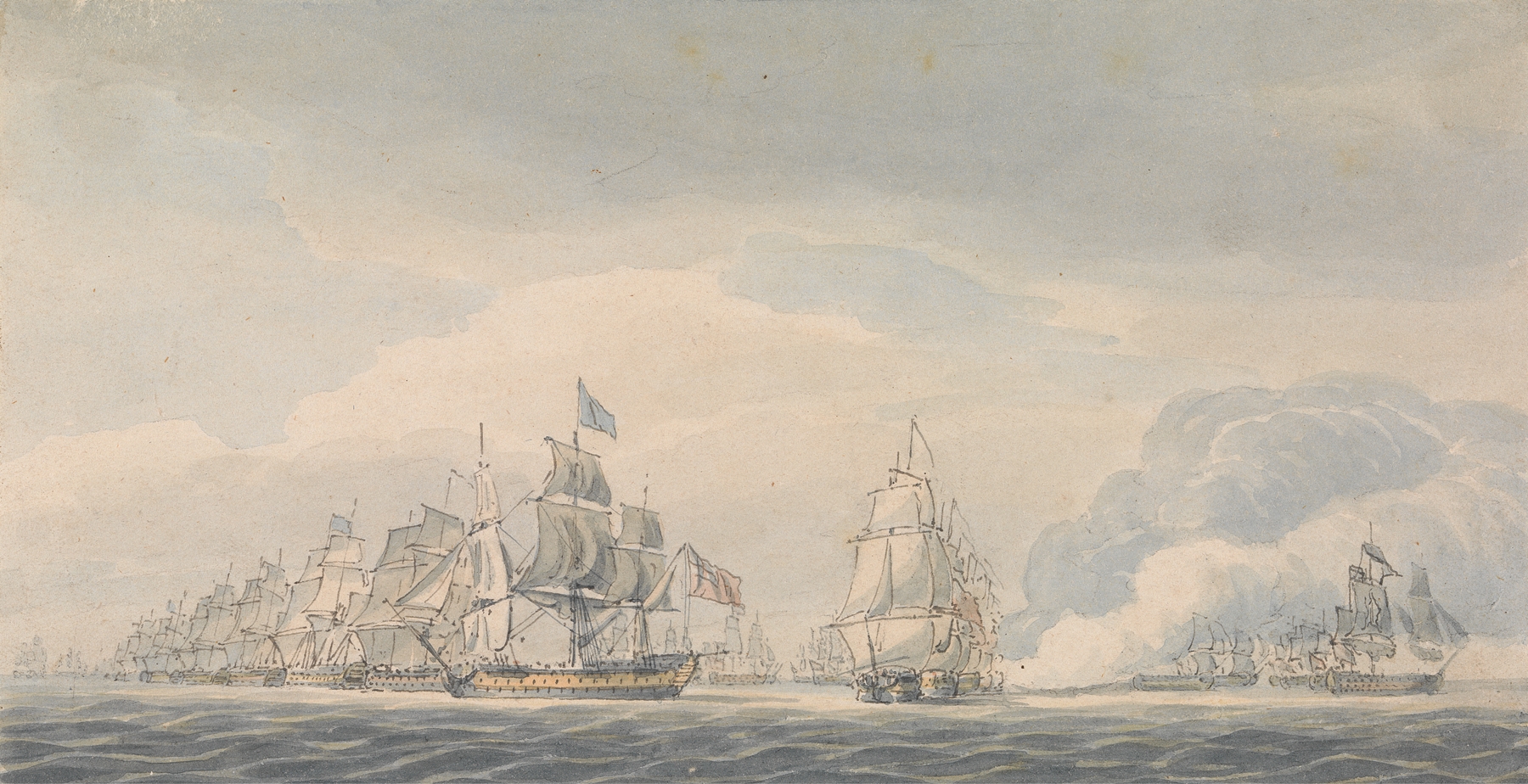
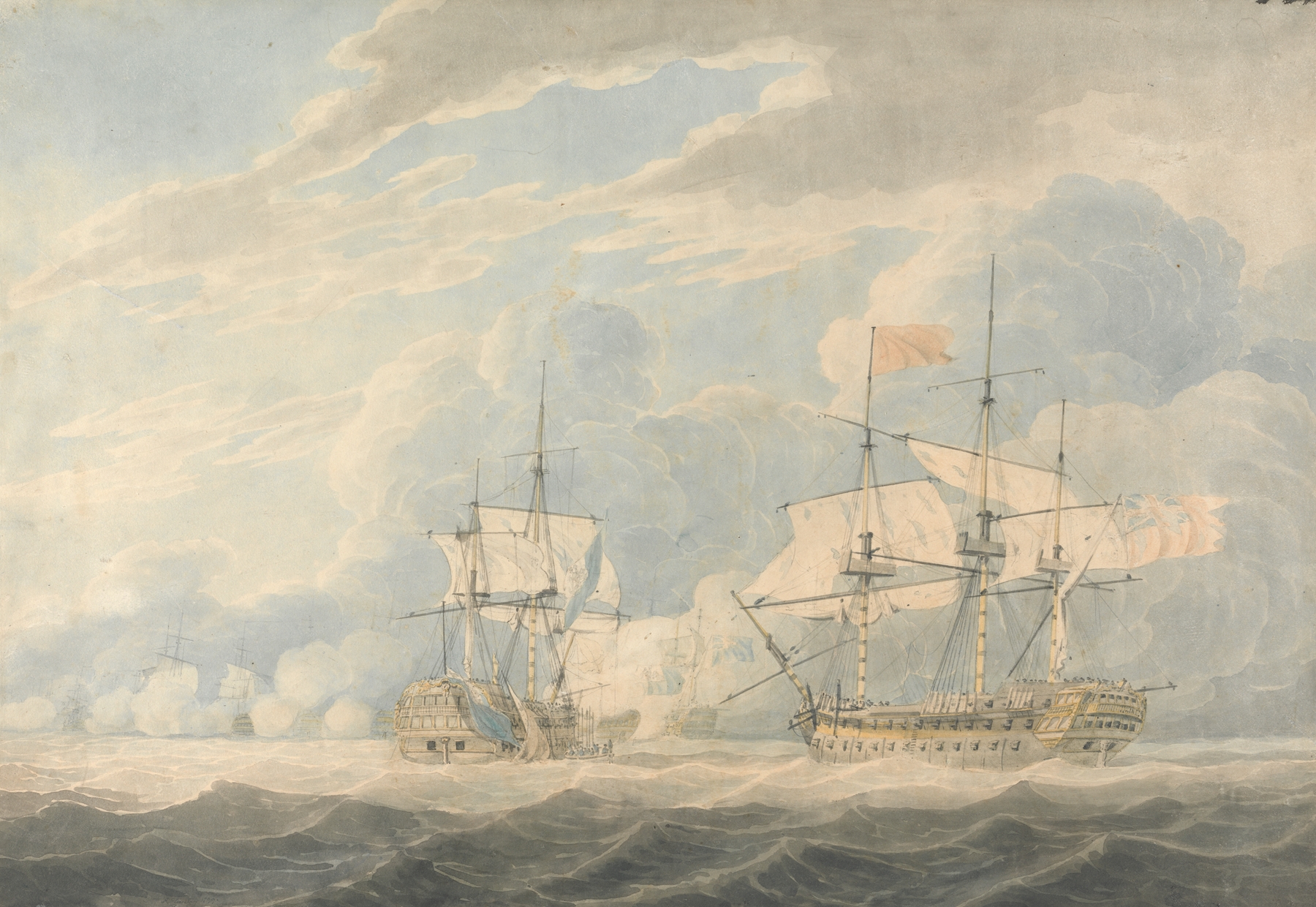
“Every silence here is a confession.” In the heart of the painted scene, a moment of tension unfolds—two ships poised in quiet confrontation, each carrying the weight of ambition and history. The canvas breathes life into the maritime drama, encapsulating an era of exploration and colonial assertion. Look to the foreground at the imposing man-of-war, its sails billowing as if in defiance of the wind. The ship’s intricate rigging and detailed hull catch the light, contrasting sharply with the smaller vessel on the left, which appears vulnerable.
Notice how the artist employs a muted palette—rich browns and deep blues—to evoke both the majesty of the warship and the uncertainty of the scene. The subtle interplay of light and shadow enhances the sense of impending action, drawing the viewer's eye from one vessel to the next. Within this moment lies a profound tension between power and vulnerability, encapsulated in the distant horizon where sky meets sea. The restless waters reflect the inner turmoil of the age, suggesting the conflict between imperial ambition and the value of human life.
The ships symbolize more than mere vessels; they are embodiments of a world striving for dominance and the sacrifices made along the way. In 1783, Robert Cleveley painted this work during a time when England was redefining its naval power in the wake of the American Revolutionary War. The atmosphere was charged with change, reflecting both the artist’s personal struggles and the shifting tides of global history. As Cleveley navigated his own path in the competitive art world, he captured this pivotal moment, immortalizing the complexities of maritime conquest and the relentless pursuit of dominion.