Shipping and Warehouses — History & Analysis
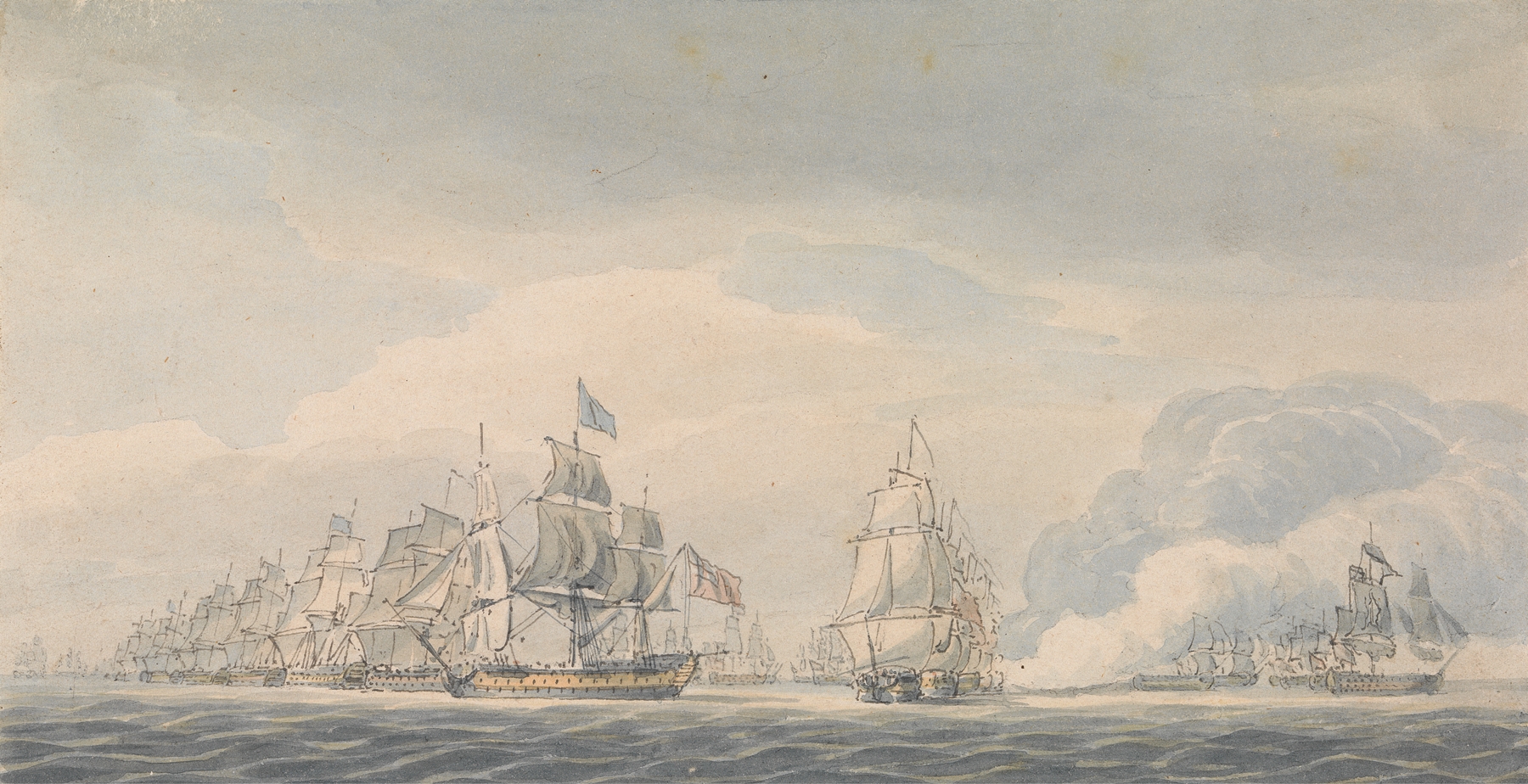
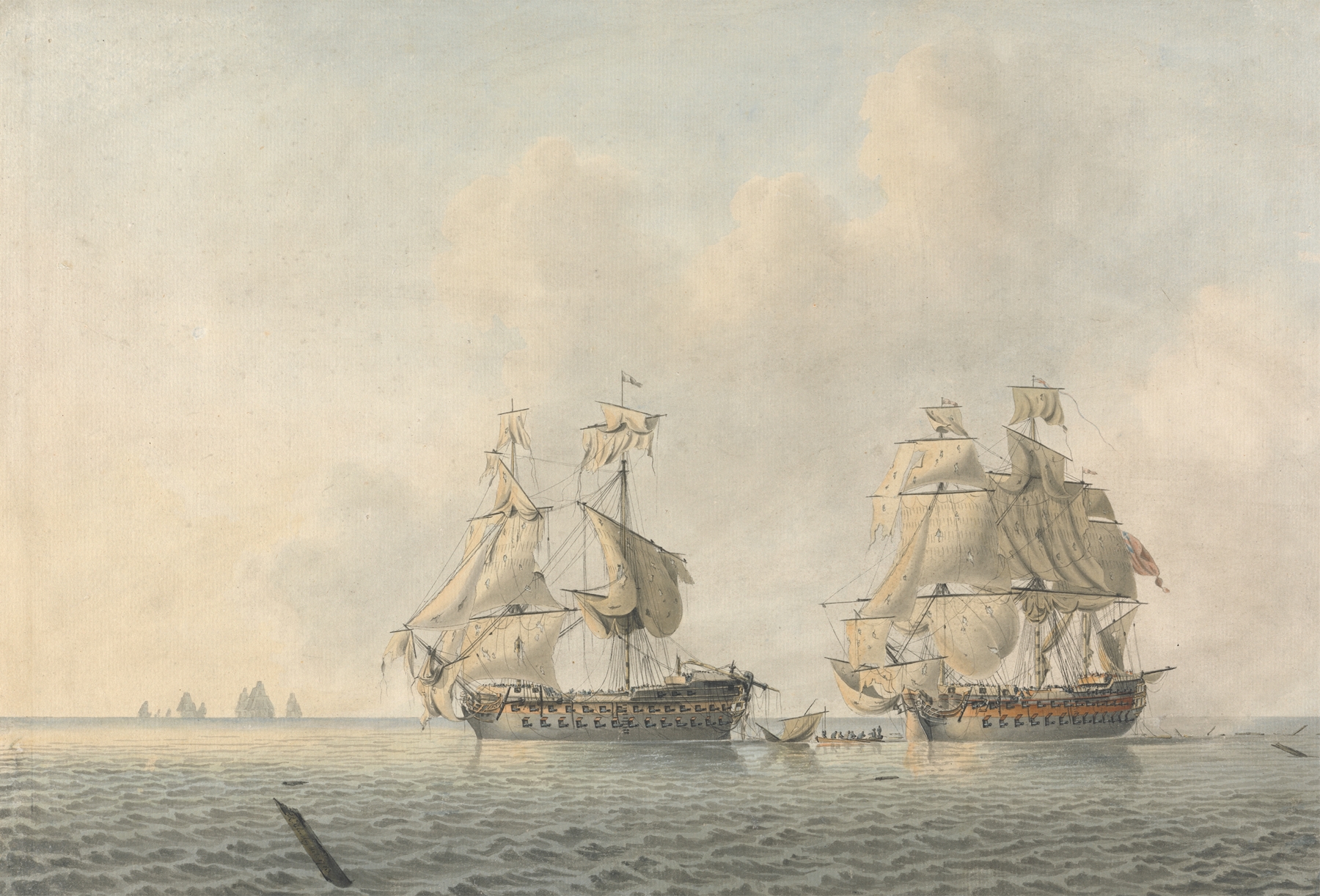
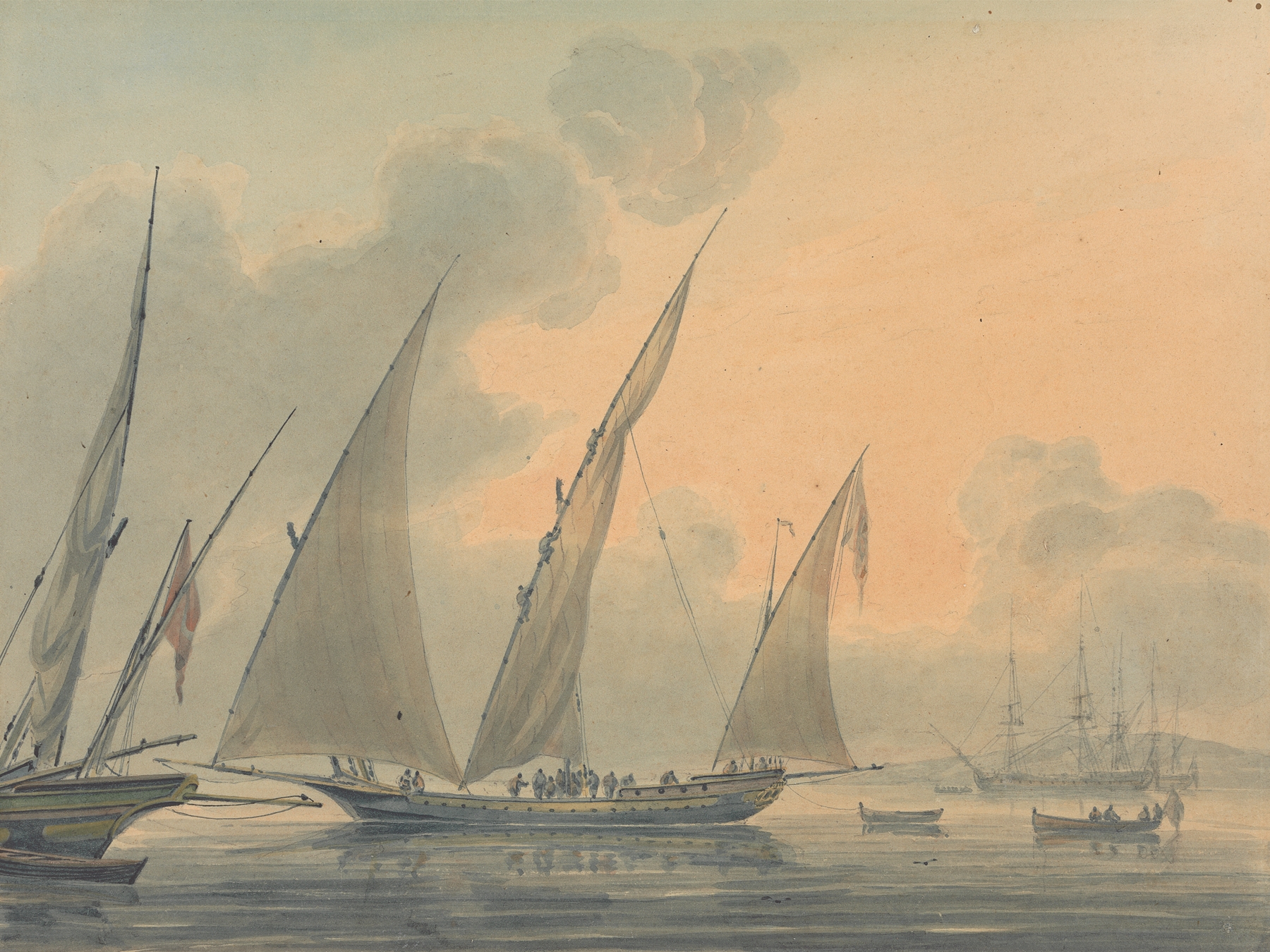
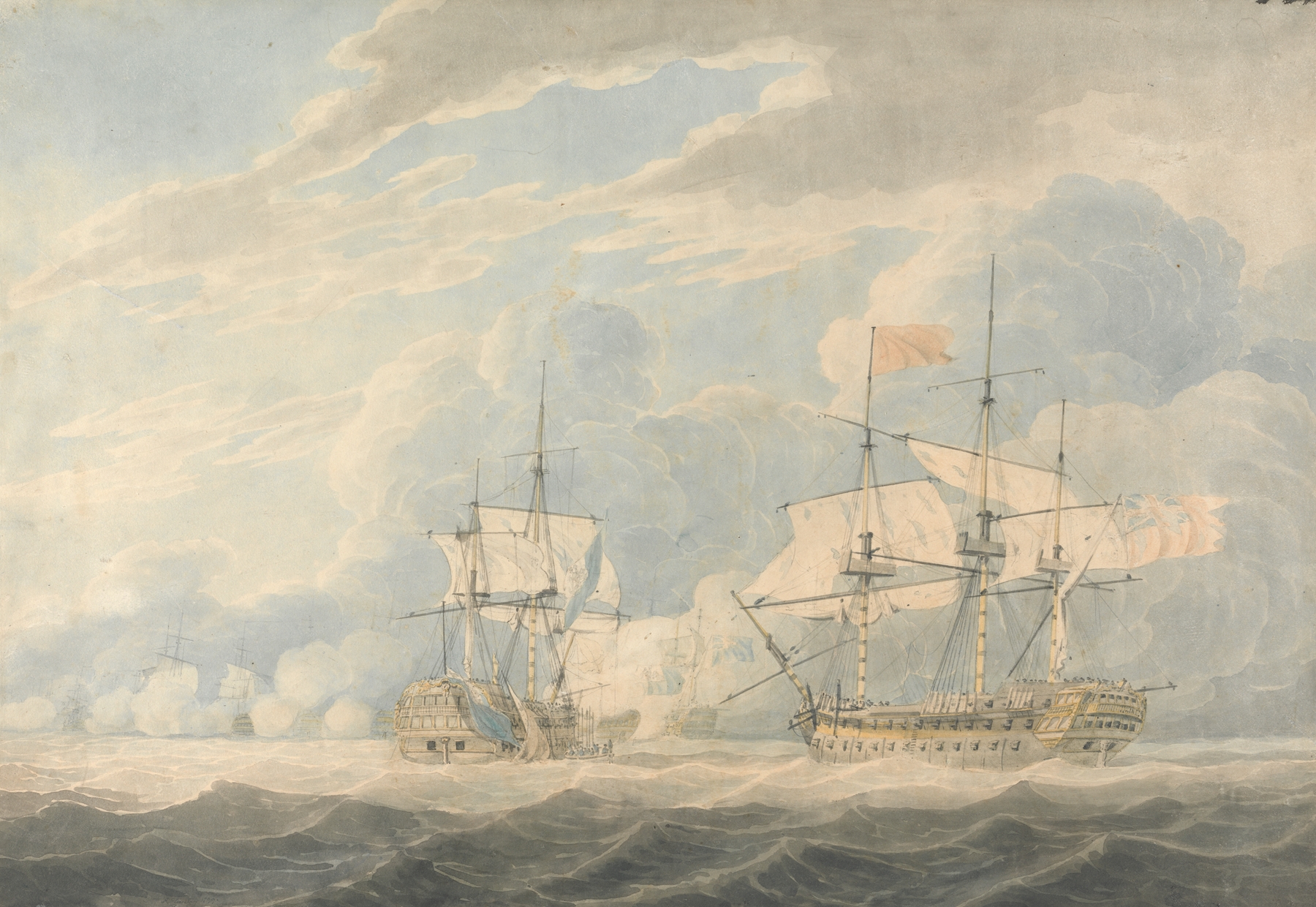
“The canvas doesn’t lie — it simply waits.” In the stillness of Robert Cleveley’s world, dreams of maritime ambition and industrious life unfold, beckoning us to enter their realm. Look to the foreground, where ships gently sway, their sails taut with whispers of adventure. Notice how the varying shades of blue and grey dance across the water's surface, reflecting the quiet serenity of the harbor. The meticulous strokes reveal textures that suggest a palpable sense of motion, while the stark outlines of warehouses rise quietly against the horizon, embodying the promise of trade and labor.
Yet, beneath this apparent tranquility lies a palpable tension. The contrast between the allure of the sea and the solidity of the warehouses hints at the delicate balance between freedom and confinement. The distant sails evoke dreams of exploration, while the looming structures symbolize the pull of duty and responsibility. Cleveley captures this duality, inviting viewers to ponder their own aspirations against the backdrop of life’s inevitable anchors.
Creating this piece in the late 18th century, Cleveley found himself amidst a flourishing era of maritime trade and exploration. The artist, based in England, witnessed the transformation of ports and harbors as bustling centers of commerce. This period was marked by rapid industrial growth, and Cleveley’s works reflect the melding of artistic vision with the economic realities of his time, offering a window into a world on the cusp of modernity.