Arcadisch landschap met musicerende en dansende herders — History & Analysis
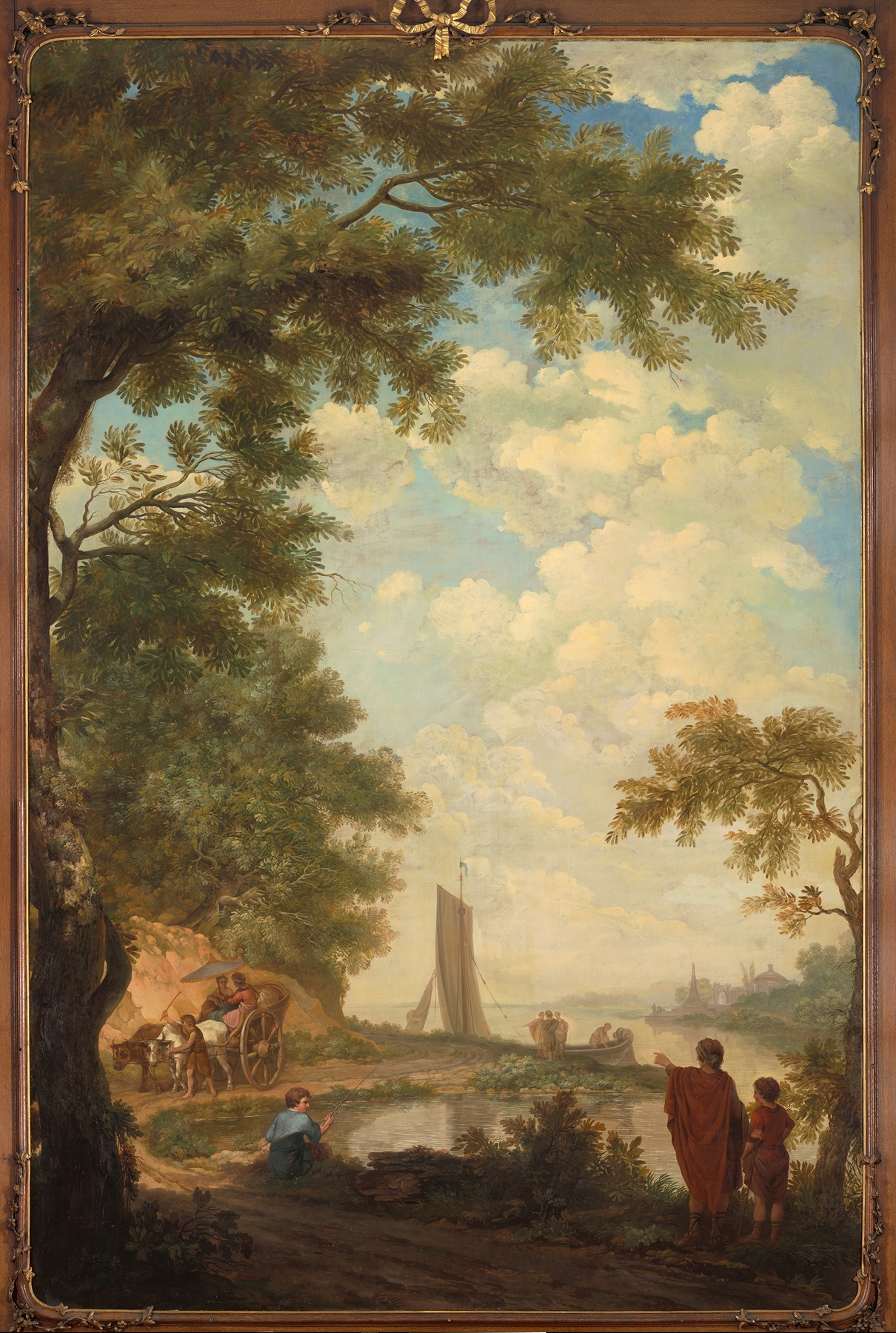
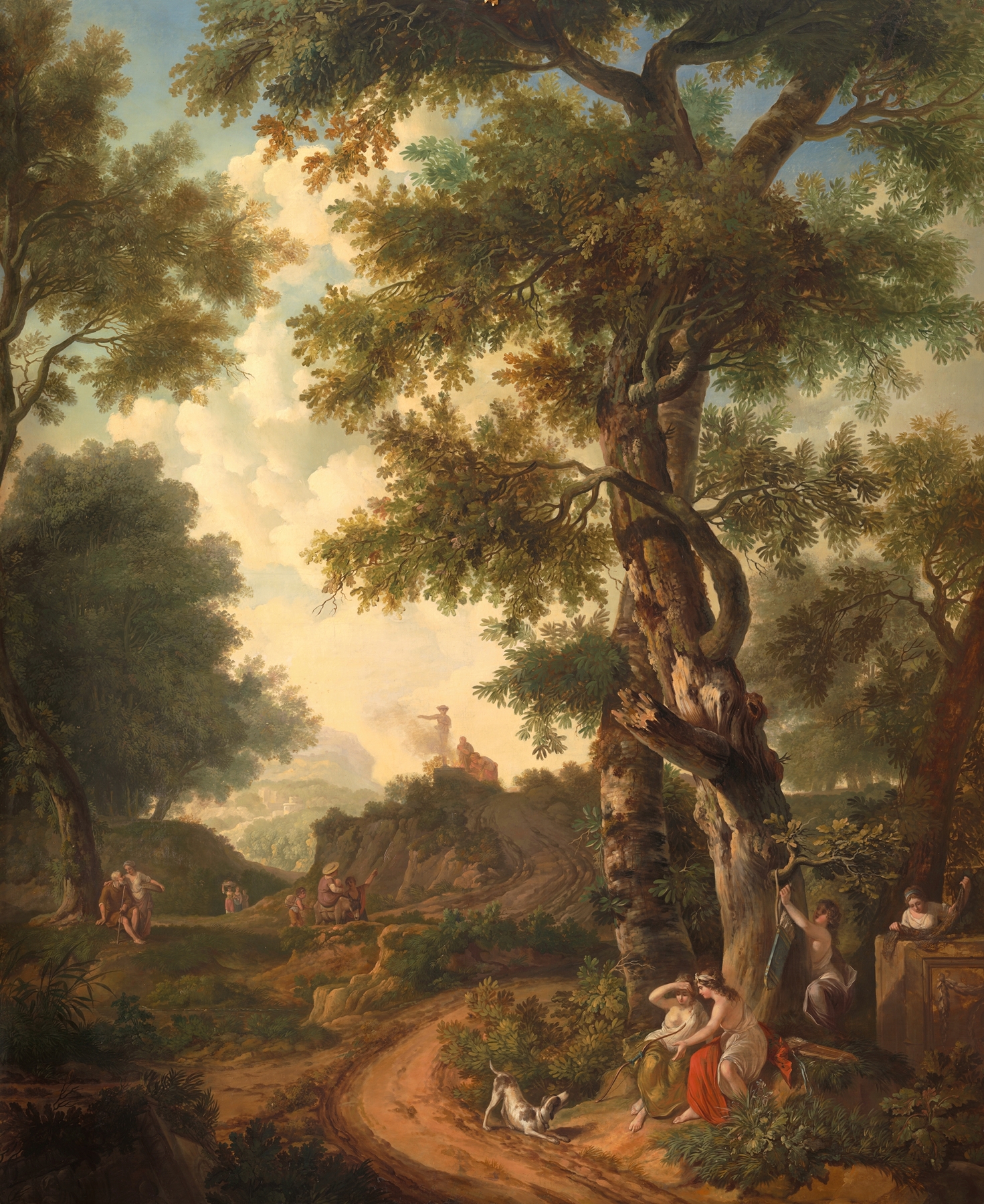
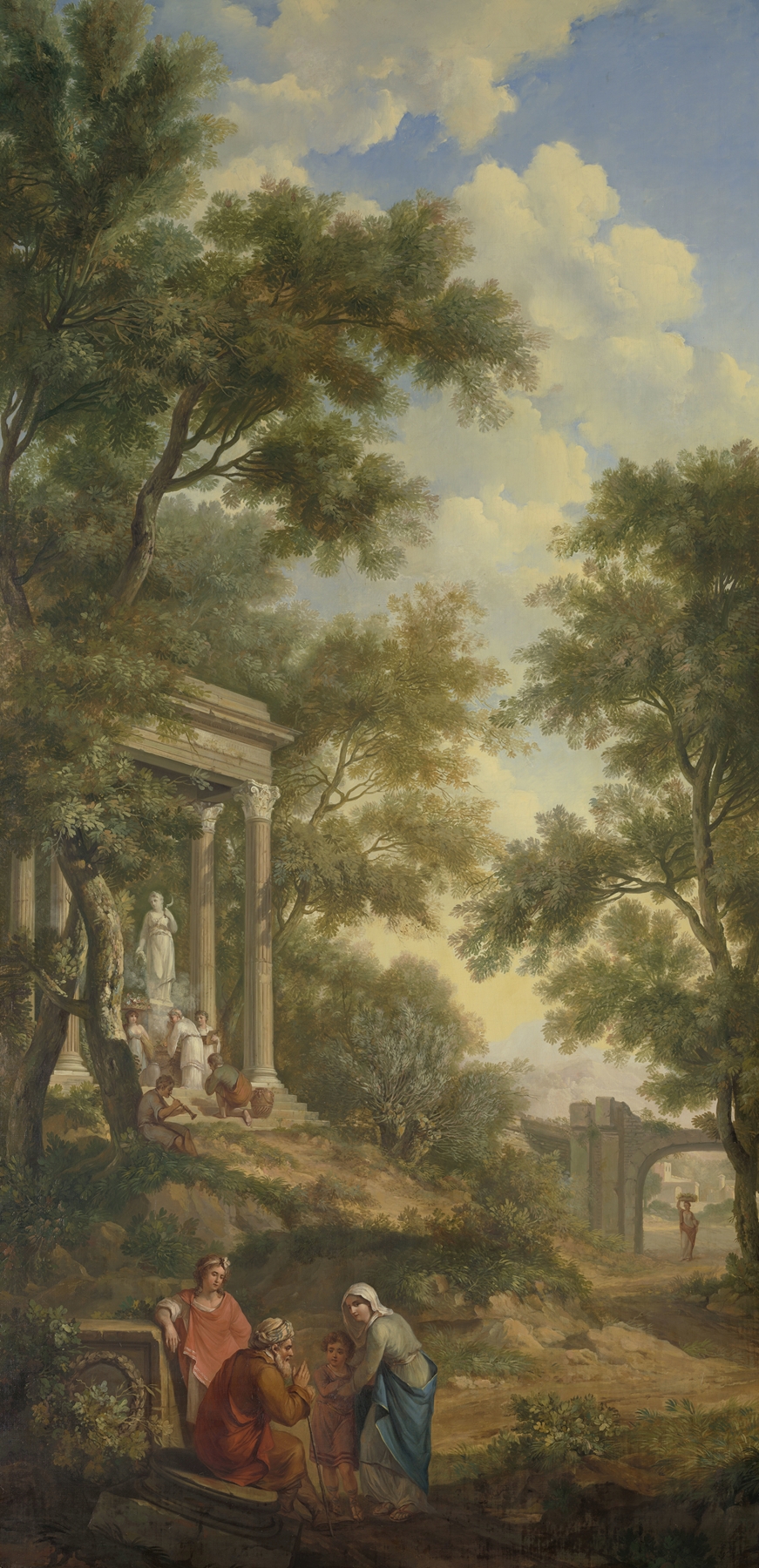
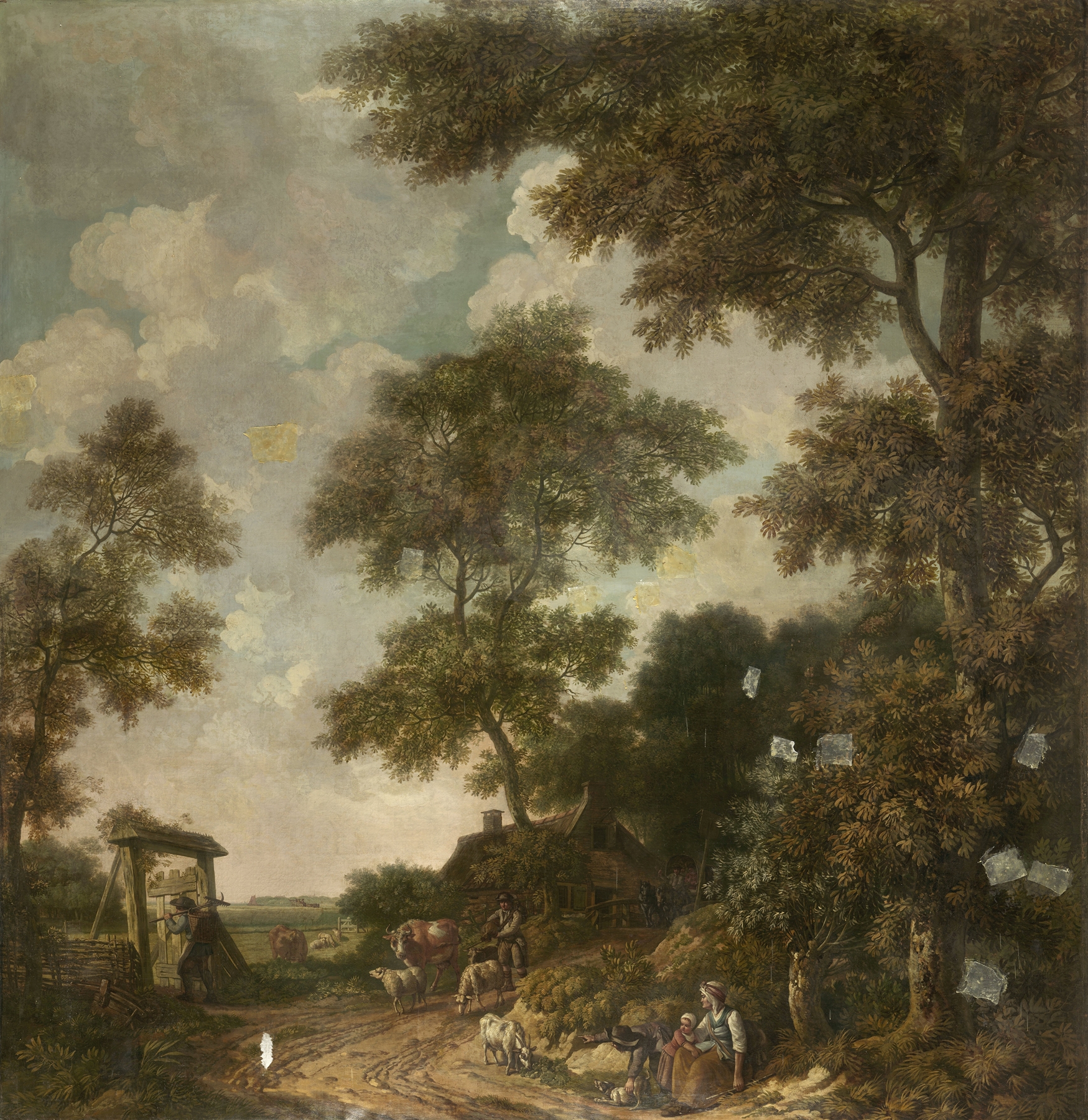
What if beauty was never meant to be finished? In Arcadisch landschap met musicerende en dansende herders, a world of serene harmony invites contemplation on the essence of truth and the fleeting nature of life. Look to the lush landscape rolling across the canvas, where the soft greens and muted browns create a gentle backdrop. Focus on the central figures — the shepherds, lost in music and dance, their joyous expressions illuminated by dappled sunlight.
The delicate brushwork captures not only the movement of their limbs but also the essence of their carefree existence, while subtle highlights suggest the warmth of an idyllic afternoon. Yet, there lies a deeper narrative beneath the surface. The juxtaposition of the vibrant dancers against the more subdued, timeless landscape speaks to the tension between fleeting joy and the permanence of nature. Notice the way the shepherds’ postures suggest both celebration and longing, as if they are aware that such moments are ephemeral.
Each note played and every step taken is a testament to life's transitory beauty, inviting the viewer to reflect on what is cherished and ultimately lost. In 1771, Jurriaan Andriessen painted this work during a period of artistic exploration in the Netherlands, where the Rococo style flourished. He encapsulated the ideals of Arcadian beauty, responding to the era's fascination with pastoral scenes and the simplicity of rural life. This painting emerged as a vibrant expression of his artistic vision, amidst social changes that called for a return to nature and an appreciation for truth found in everyday moments.