Armory of the First Troop Philadelphia City Cavalry — History & Analysis
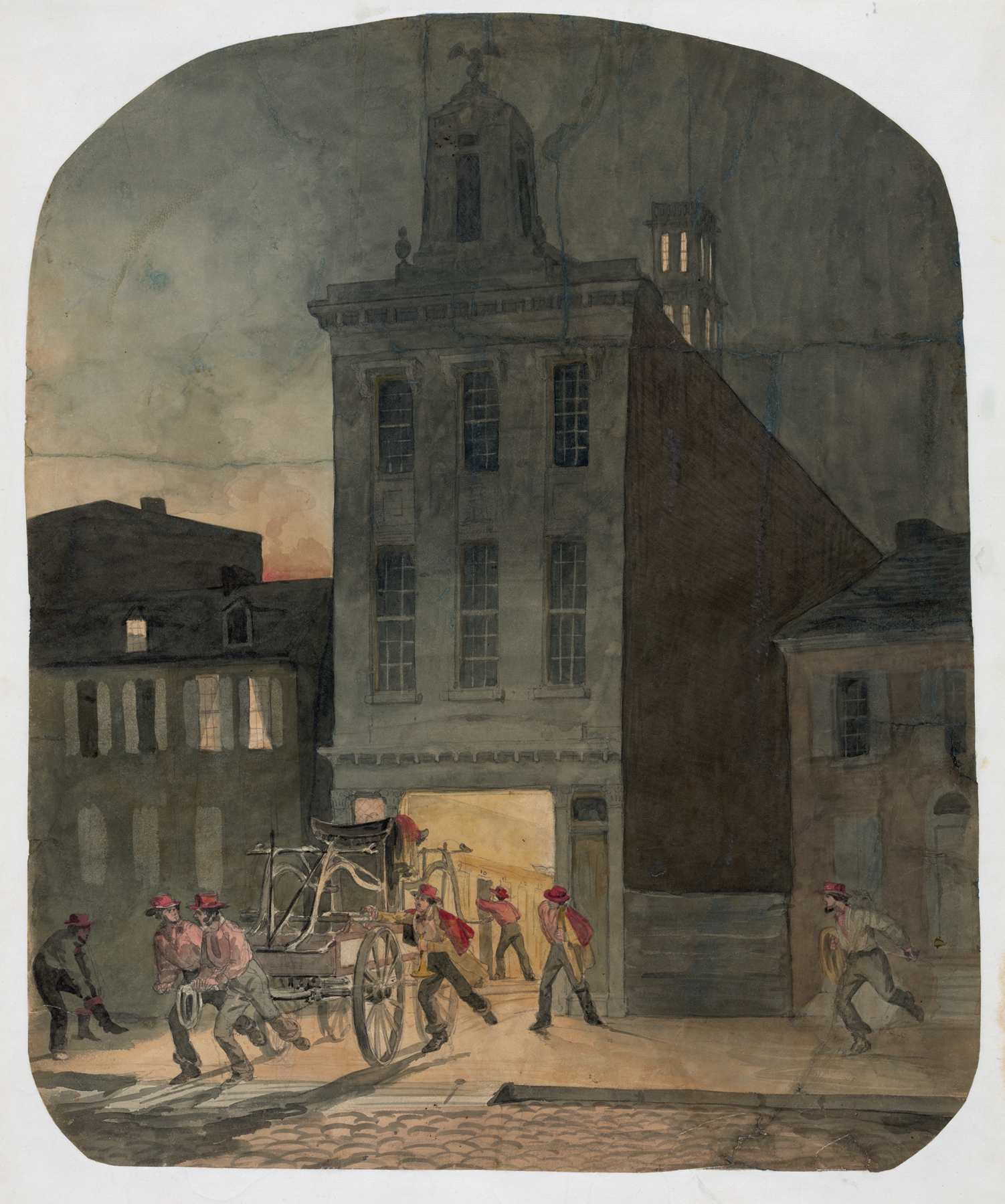
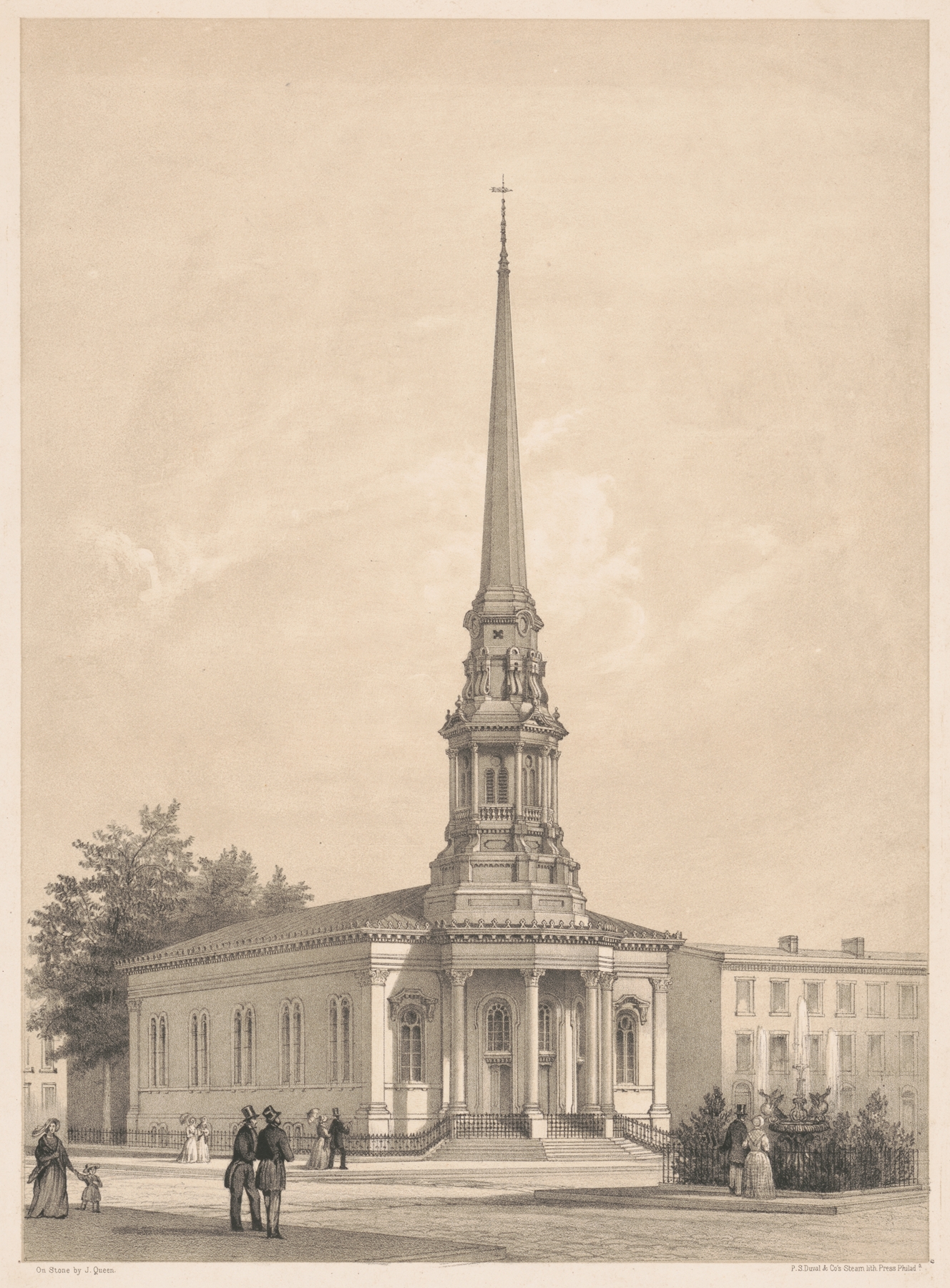
“Art reveals the soul when the world turns away.” In a time of strife and upheaval, the tranquility of this work offers a rare moment of reflection and serenity amidst chaos. Look closely at the intricate details: the arches of the armory draw your eye upward, inviting a sense of grandeur. Notice how the warm, earthy tones contrast with the cooler blues and grays, creating a harmonious balance. The play of light filtering through the windows illuminates the wooden beams, casting gentle shadows that encourage contemplation.
Each figure within the scene is captured in precise detail, their postures suggesting a quiet unity among those who serve. Beyond the surface, this piece resonates with deeper meanings. The armory, a symbol of strength, also hints at the fragility of peace during wartime. The stillness of the figures juxtaposes the turmoil of the Civil War, embodying the emotional weight of duty and camaraderie.
Each brushstroke evokes a sense of belonging and purpose, while simultaneously reflecting the quiet fears of an uncertain future. In 1863, James Fuller Queen worked in Philadelphia, a city grappling with the realities of the Civil War. This period was marked by an evolving art scene, where artists began to explore themes of patriotism and identity. At this time, Queen focused on capturing the spirit of his city and its inhabitants, resulting in a work that transcends mere documentation to embrace the deeper essence of community and resilience.