Delaware Water Gap. — History & Analysis
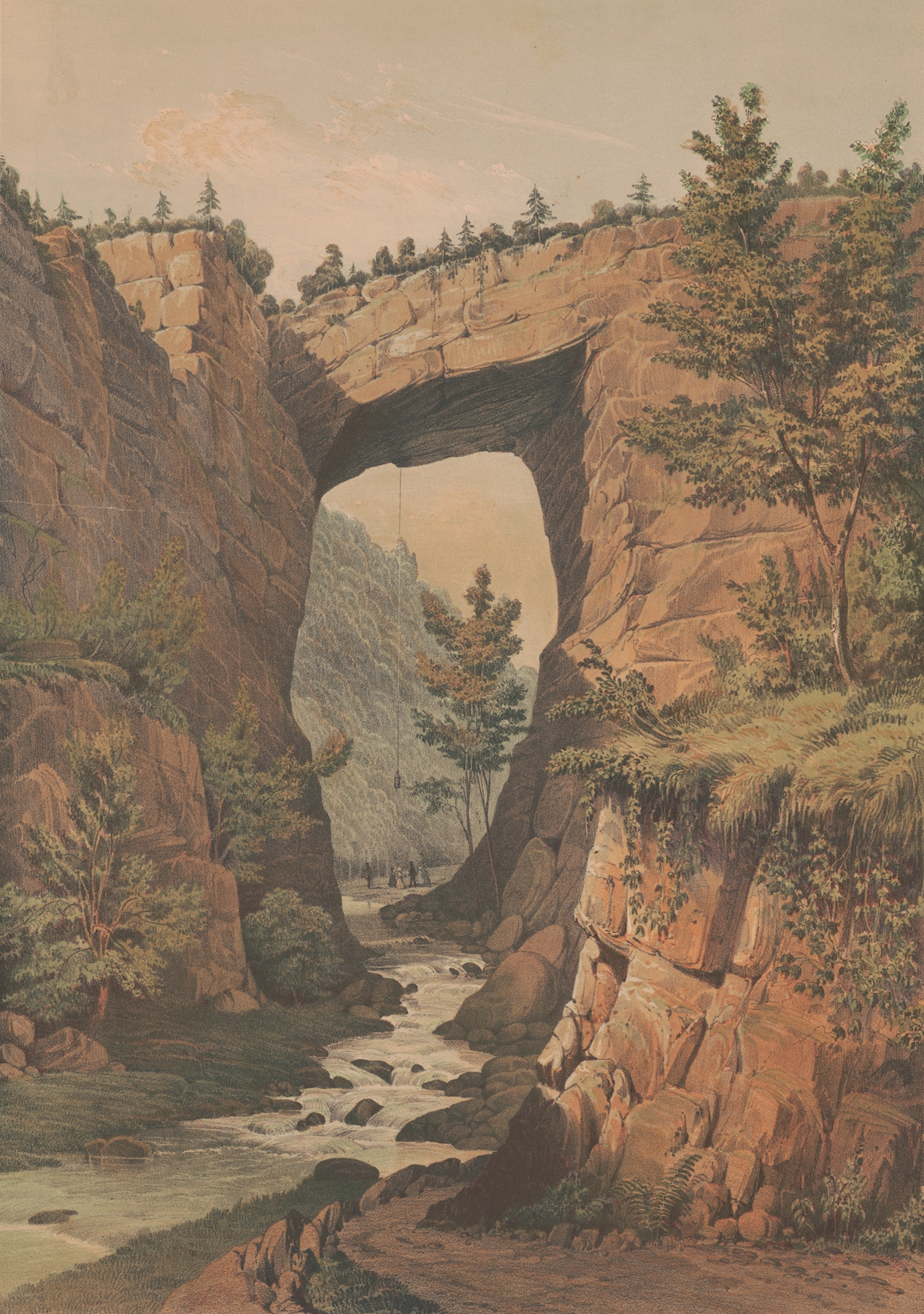
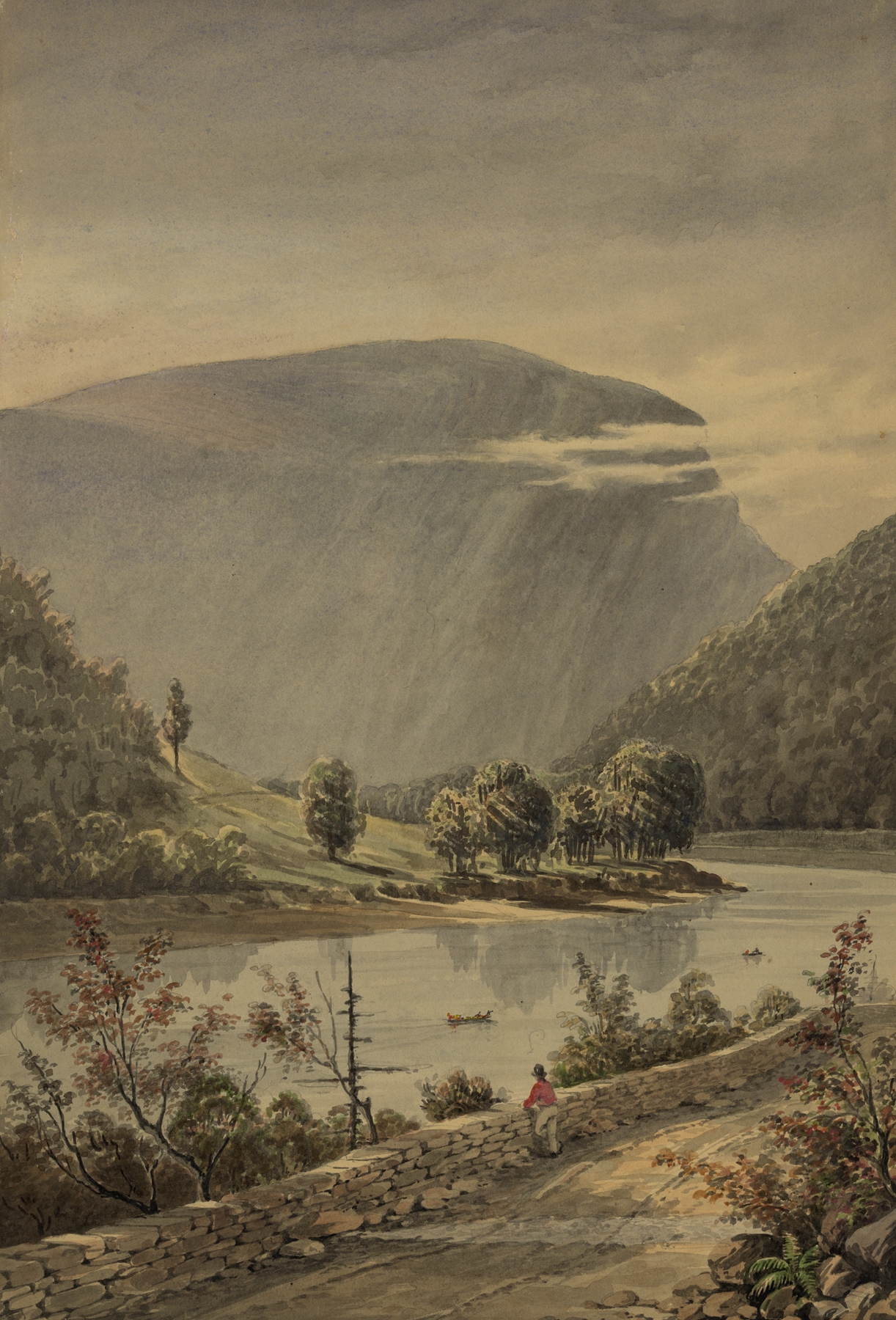
When did color learn to lie? In the vibrant strokes of James Fuller Queen's Delaware Water Gap, faith in nature's beauty coexists with the unsettling truth of its transience. Look to the left at the steep, rugged cliffs crowned with greenery, where the sun pierces through the foliage, illuminating the intricate interplay of light and shadow. Notice how the foreground teems with lively brushwork, drawing you into the serene waters below, which reflect the sky’s soft blues and whites.
The composition invites a journey through the landscape, offering a sense of depth that echoes the emotional weight of the scene, skillfully balanced by Queen’s precise use of color and texture. Beneath the idyllic façade lies a deeper narrative. The contrasting elements of the serene water and the imposing cliffs symbolize the duality of tranquility and turmoil in nature. The rich hues evoke a sense of nostalgia, hinting at both the beauty of the moment and the inevitable passage of time.
This tension between vibrant life and the encroaching shadows of change speaks to humanity’s longing for connection with the natural world, while simultaneously acknowledging its impermanence. In 1856, Queen created this piece during a period when American landscape painting was gaining prominence, reflecting both the nationalistic spirit of the time and a growing appreciation for the sublime aspects of nature. Living in Philadelphia, he was influenced by the Hudson River School's ideals, striving to capture the profound beauty of the American landscape amidst rapid industrialization. This work embodies a moment of hope and reverence for the untouched wilderness, tethered to the artist's personal faith in nature’s intrinsic power.