Buildings of the Great Central Fair, in aid of the U.S. Sanitary Commission, Logan Square, Philadelphia, June 1864 — History & Analysis
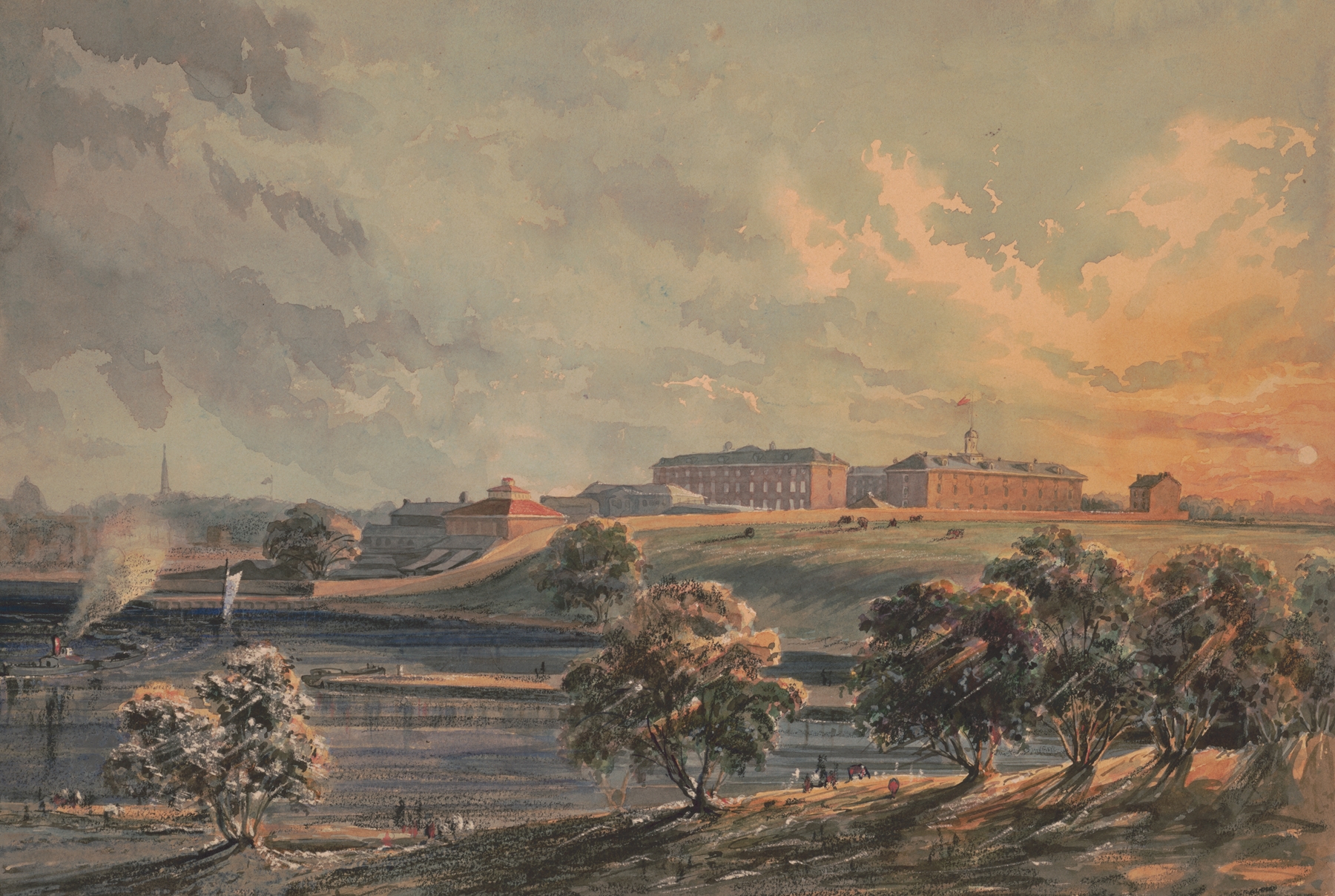
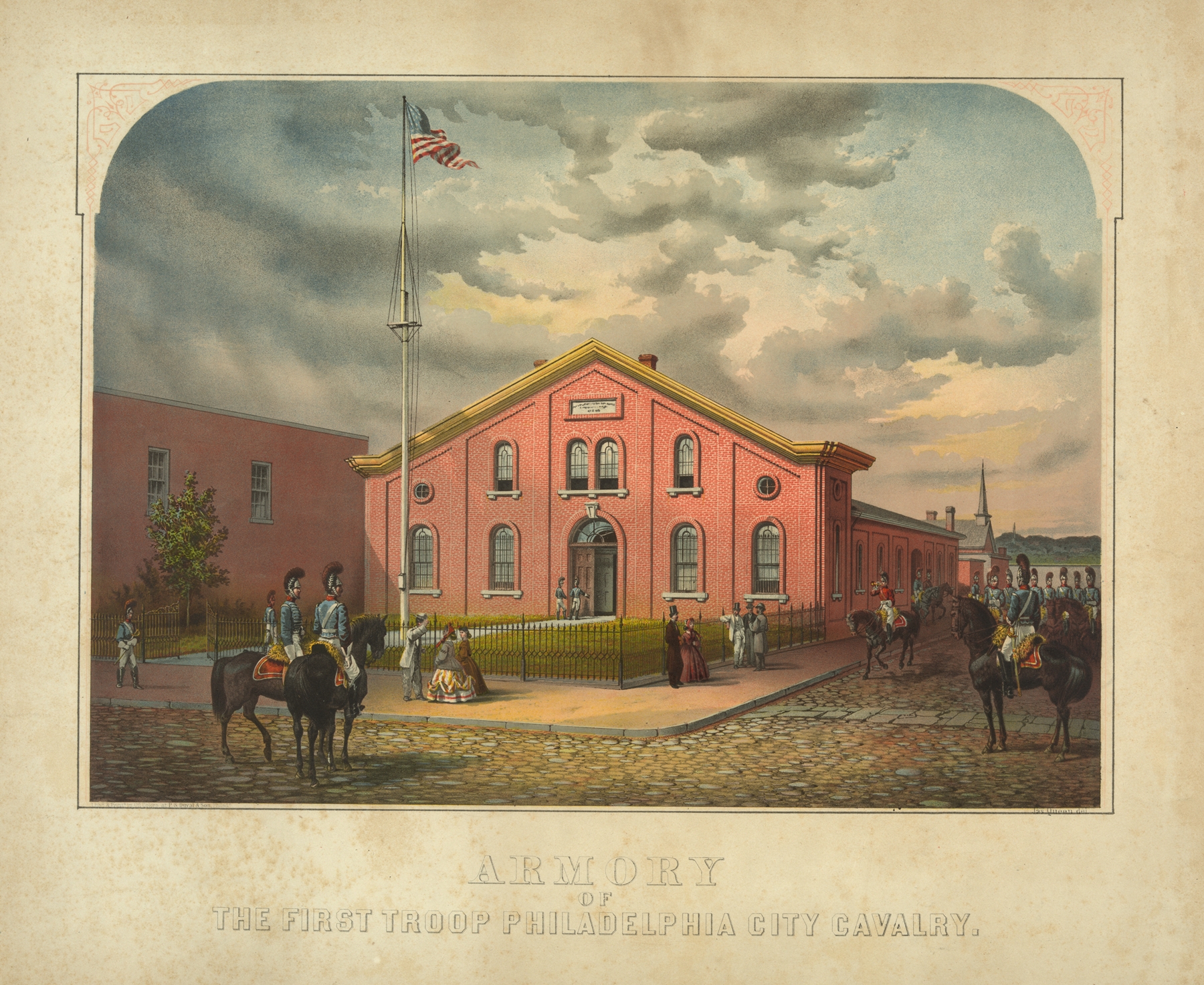
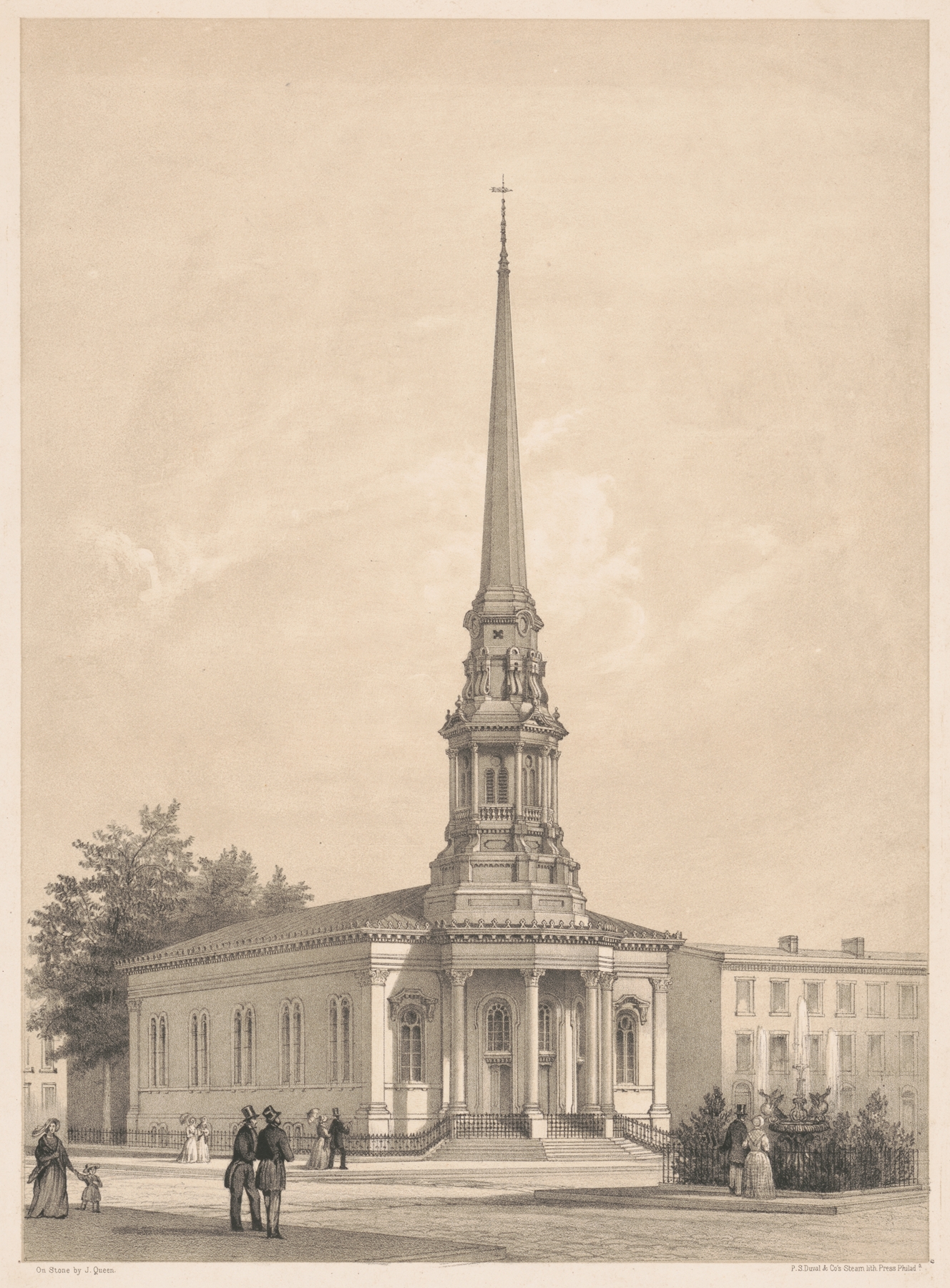
“Between color and silence, truth hides.” In the stillness of history, a moment emerges where the vitality of community meets the somber weight of purpose. Look to the center of the composition, where the grand buildings rise majestically against a backdrop of muted sky. The intricate architectural details beckon attention, drawing the eye upward toward the delicate interplay of light and shadow on the facades. The palette of soft earth tones and muted greens creates a sense of calm, evoking the serene atmosphere of the fair, while the subtle brushstrokes suggest an underlying energy, hinting at lives converging within these walls.
In this scene, the juxtaposition of grandeur and the somber undertones of the U.S. Sanitary Commission’s mission reveals a deeper narrative. The presence of the fair, a celebration amid the backdrop of war, resonates with a poignant duality—the hope for healing set against the silence of suffering. Small details, such as the figures dotting the foreground, embody a collective spirit, yet their absence of overt action suggests a reflective pause, encapsulating the sentiment of a nation grappling with its own turmoil.
James Fuller Queen painted this work during a turbulent period in American history. In June 1864, as the Civil War continued to ravage the nation, he sought to depict the Great Central Fair in Philadelphia, which aimed to raise funds for wounded soldiers. Amidst challenges in the art world and the broader social landscape, Queen's choice to focus on a charitable gathering underscored the resilience of community and the enduring hope found in collective action.