Badeszene — History & Analysis
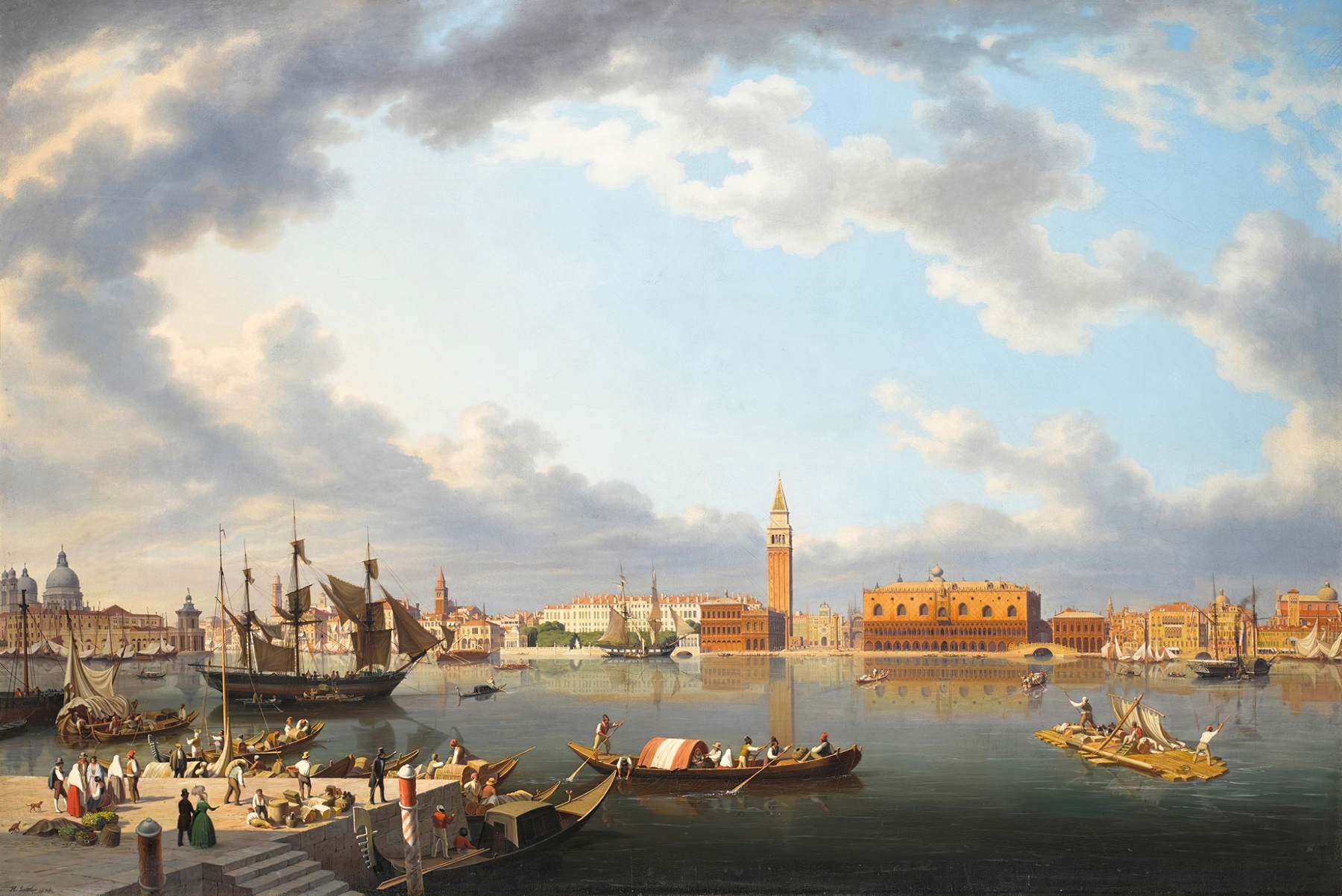
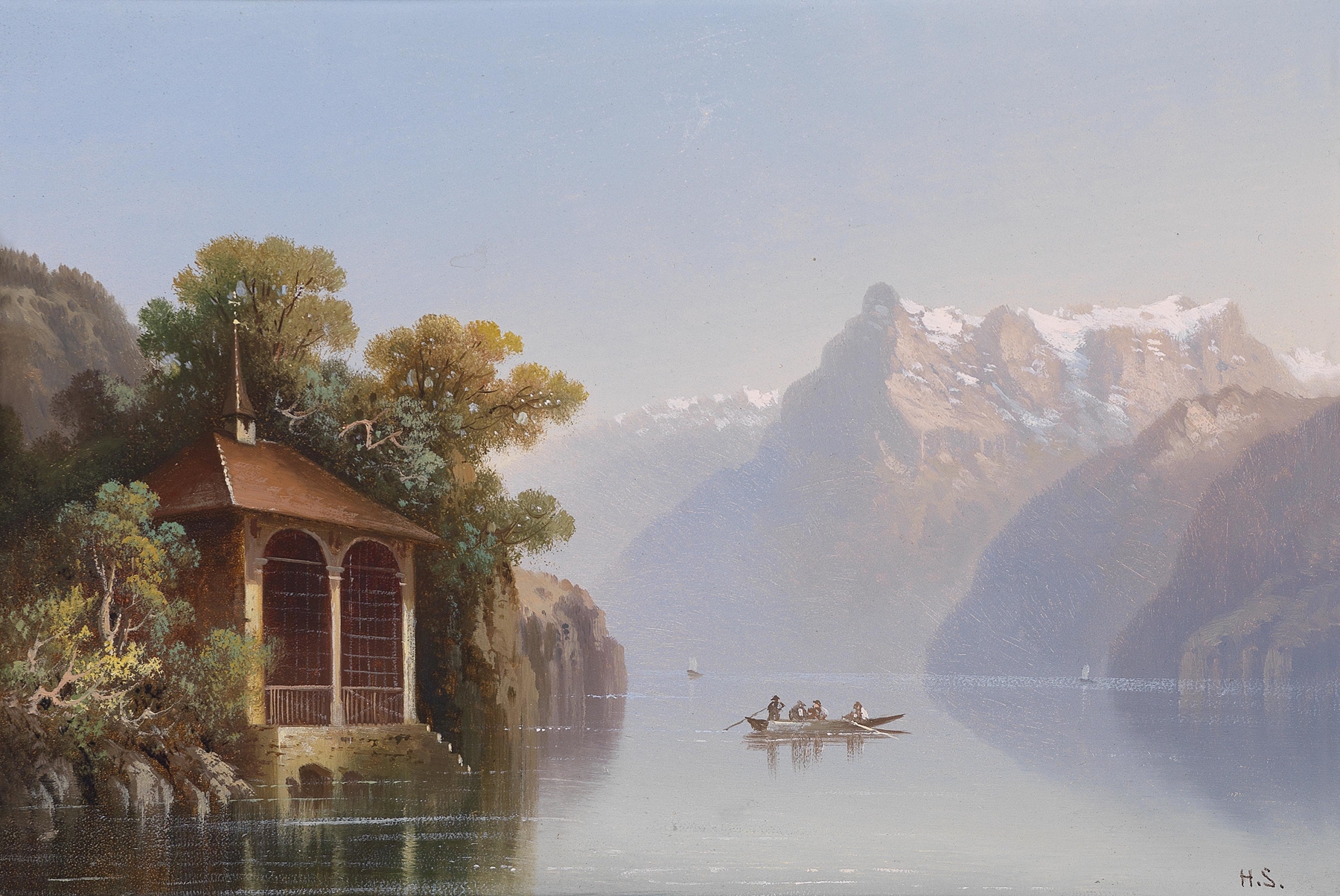
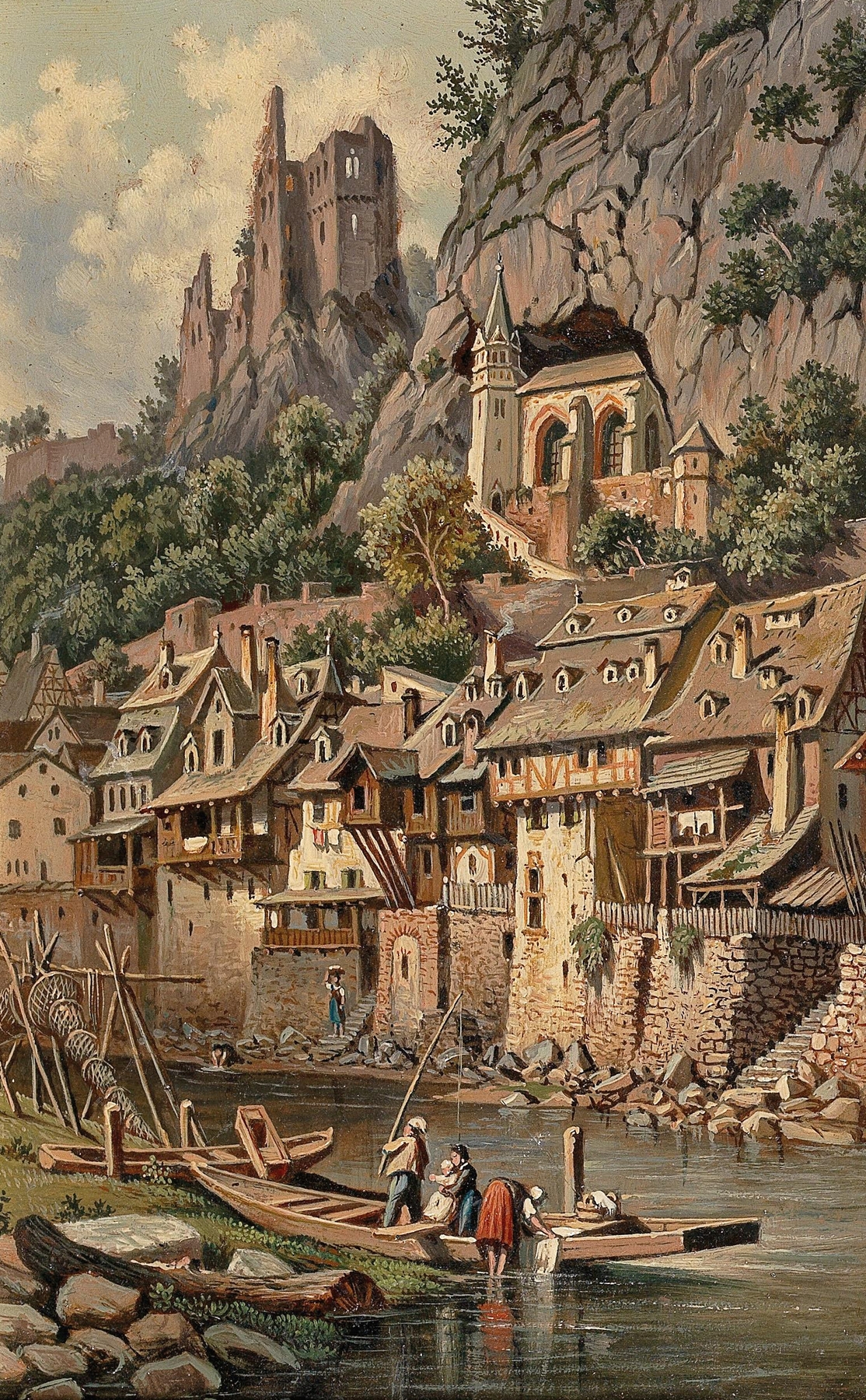
When did color learn to lie? In Badeszene, hues dance across the canvas, creating a world where reality and imagination intertwine, prompting viewers to question the nature of perception and truth. Look to the left at the vibrant turquoise waters, shimmering under the sunlight, inviting you into the scene. The artist expertly employs a palette of blues and greens, contrasting the luminous sky with hints of warm sunlight that casts shadows upon the figures in the foreground.
Notice how the soft strokes not only define the contours of the bathers but also evoke a sense of ethereality, blurring the boundaries between flesh and water, humanity and nature. As you explore further, subtle emotional tensions emerge in the intricate interactions between the figures. The joyous laughter of children contrasts sharply with the contemplative stance of an adult, signaling the complexity of human experience. Each bather, immersed in their own moment, reflects the varied facets of existence — innocence, introspection, and the fleeting nature of joy — emphasizing the transient beauty of life.
Created in 1850, this piece marks a significant period in Hubert Sattler's career, where he was immersed in the Romantic movement's embrace of nature and emotion. During this time, he sought to capture the interplay between light and landscape, reflecting both personal introspection and broader societal changes across Europe. This painting demonstrates his evolving mastery of texture and color, serving as a testament to his quest for transcendence through art.