Neuschwanstein — History & Analysis
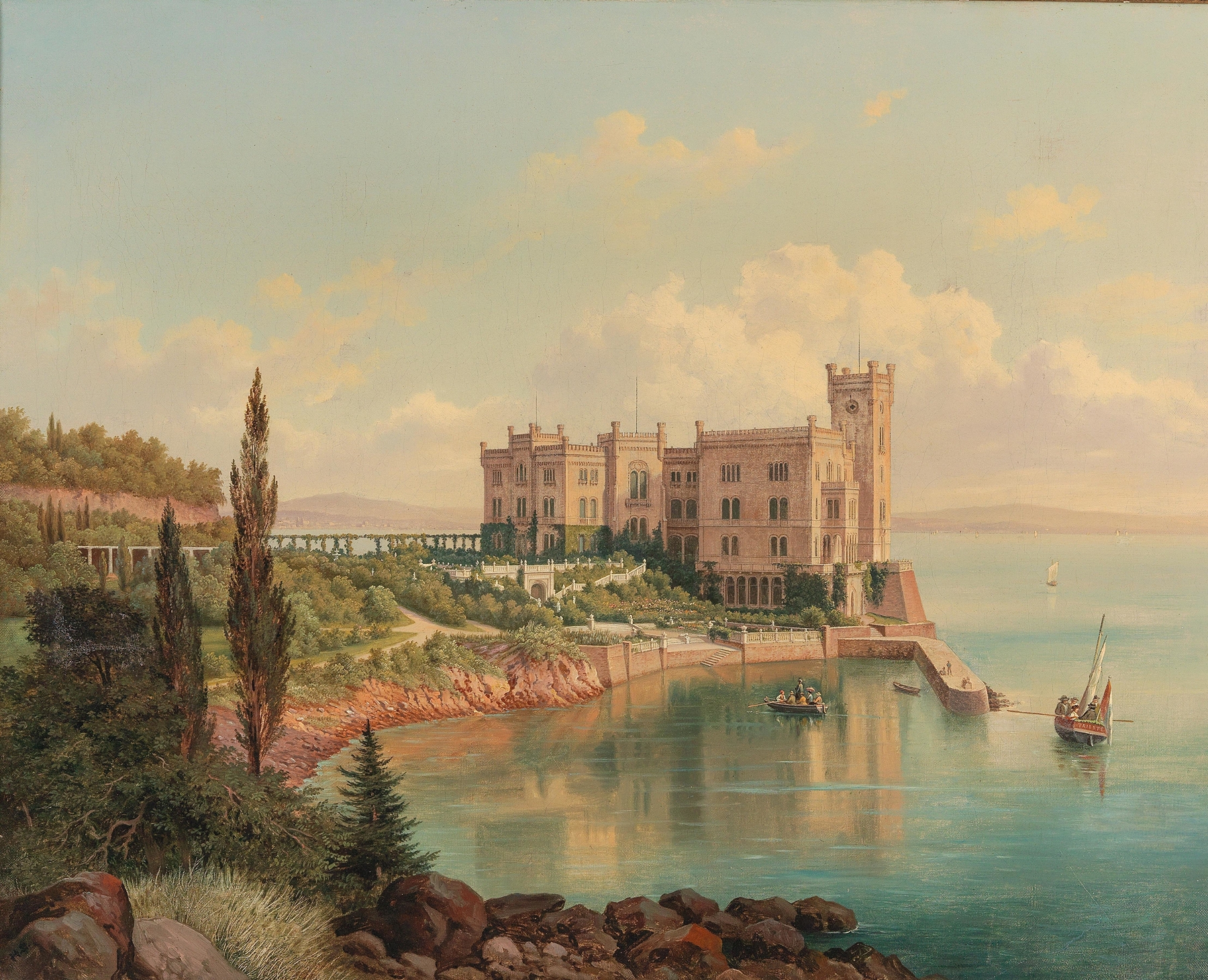
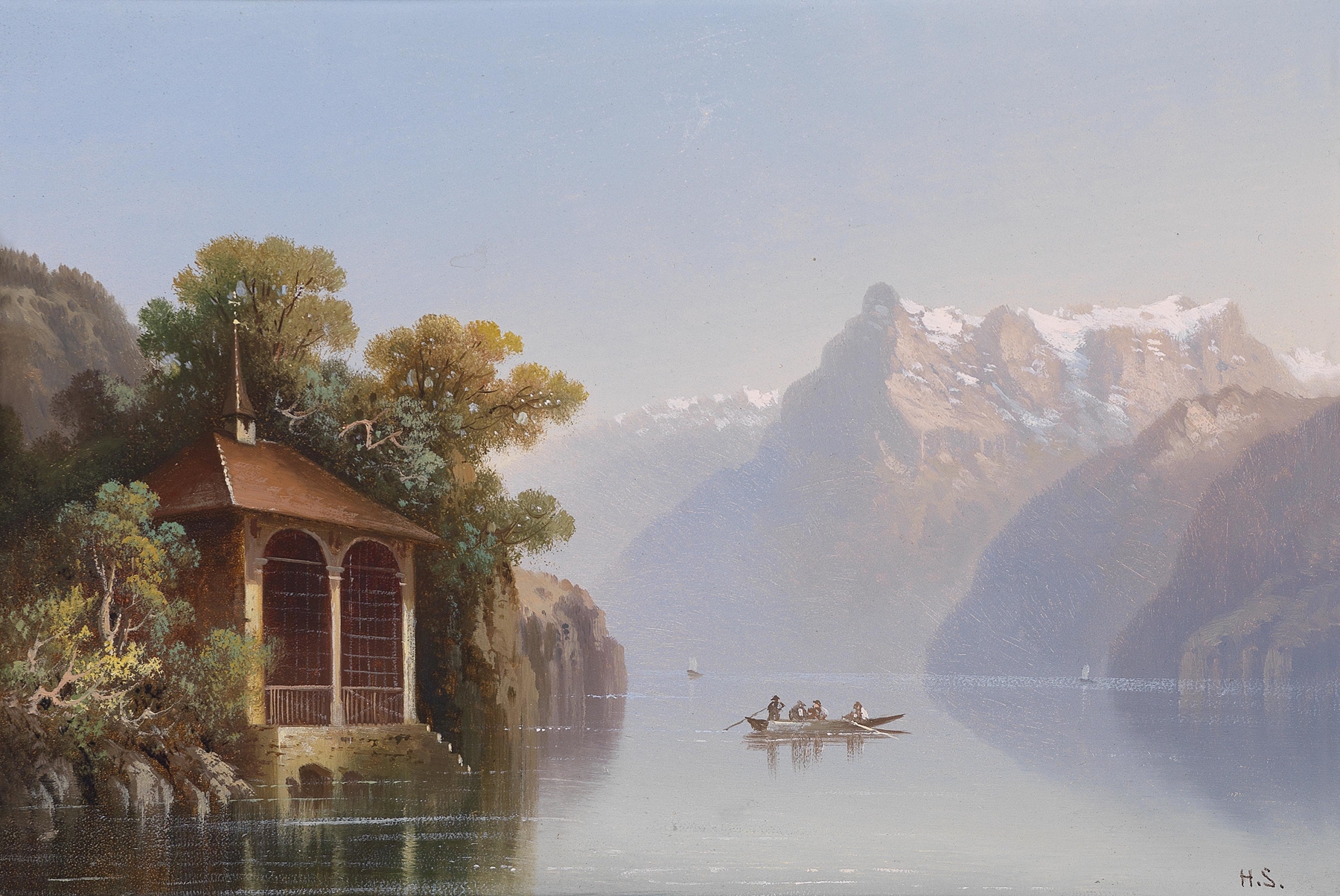
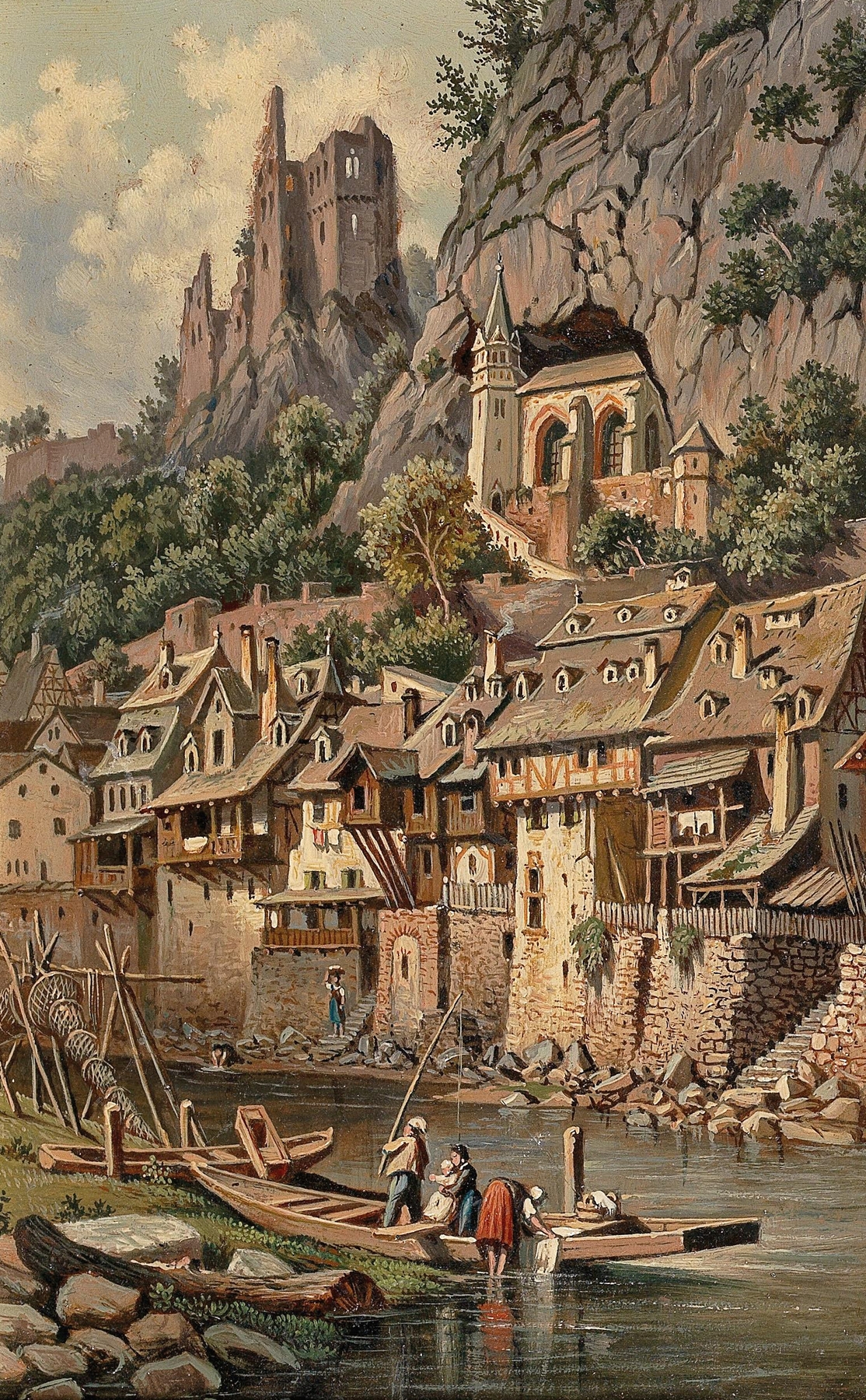
“Under the brush, chaos becomes grace.” This reflection echoes through the layers of time, capturing the dance between existence and the inevitable end we all face. Focus on the majestic castle nestled among rugged mountains, its towers piercing the cloudy sky. The artist’s deft use of light and shadow brings the scene to life, illuminating the intricate details of the structure while leaving the surrounding landscapes in a soft embrace of twilight. Notice how the strokes create a sense of movement in the clouds, imparting a fleeting quality that mirrors the transient nature of life itself.
As you explore the artwork, consider the contrasting elements present within it. The solidity of the castle represents human ambition and the desire for permanence, juxtaposed with the ethereal quality of the mountains and sky that suggests the passage of time. The delicate play of colors—from the muted greens of the forest to the somber blues of the sky—invites reflection on mortality, inviting viewers to ponder what endures and what fades. This duality speaks to the tension between aspiration and the inevitable decay that looms over all creations.
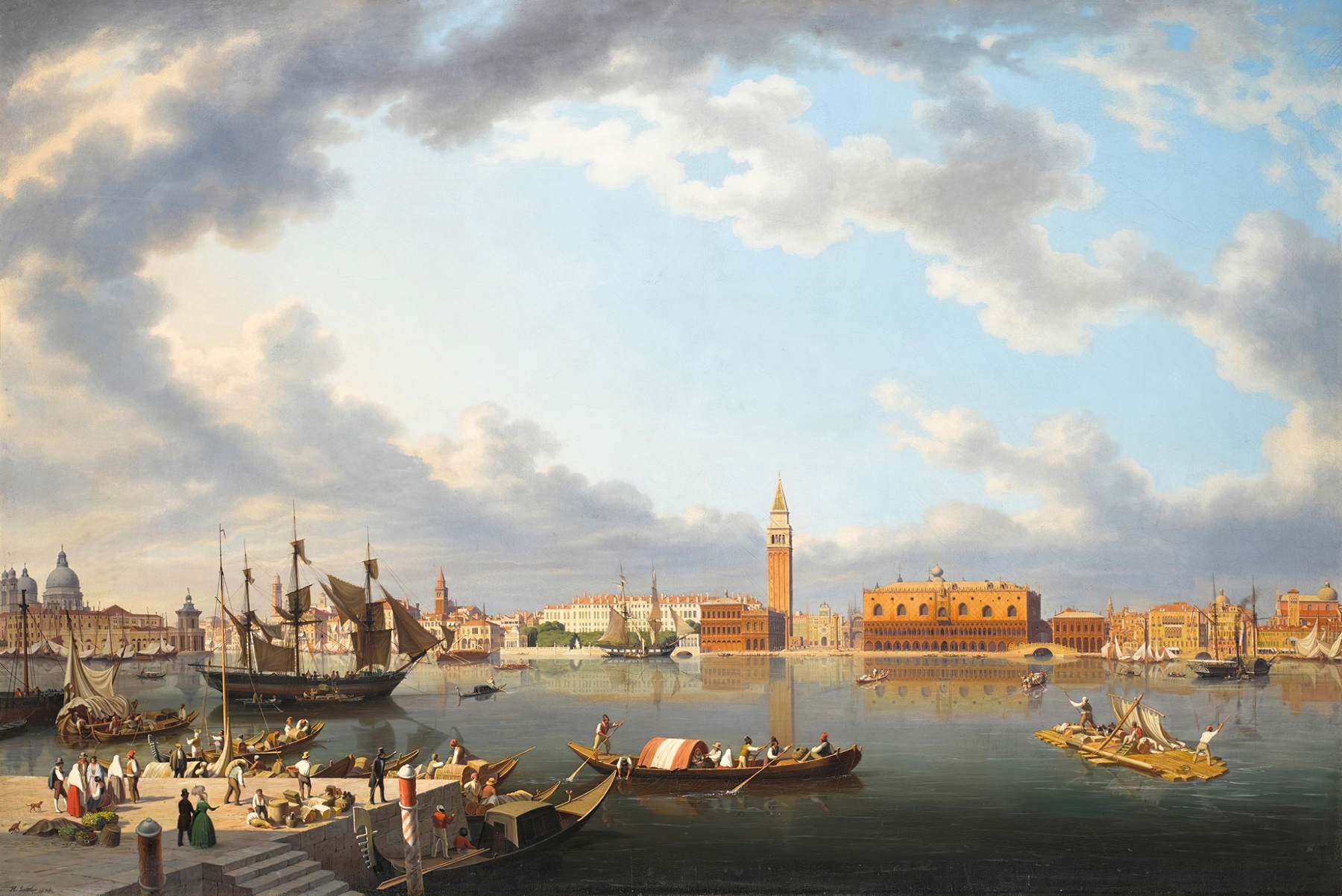
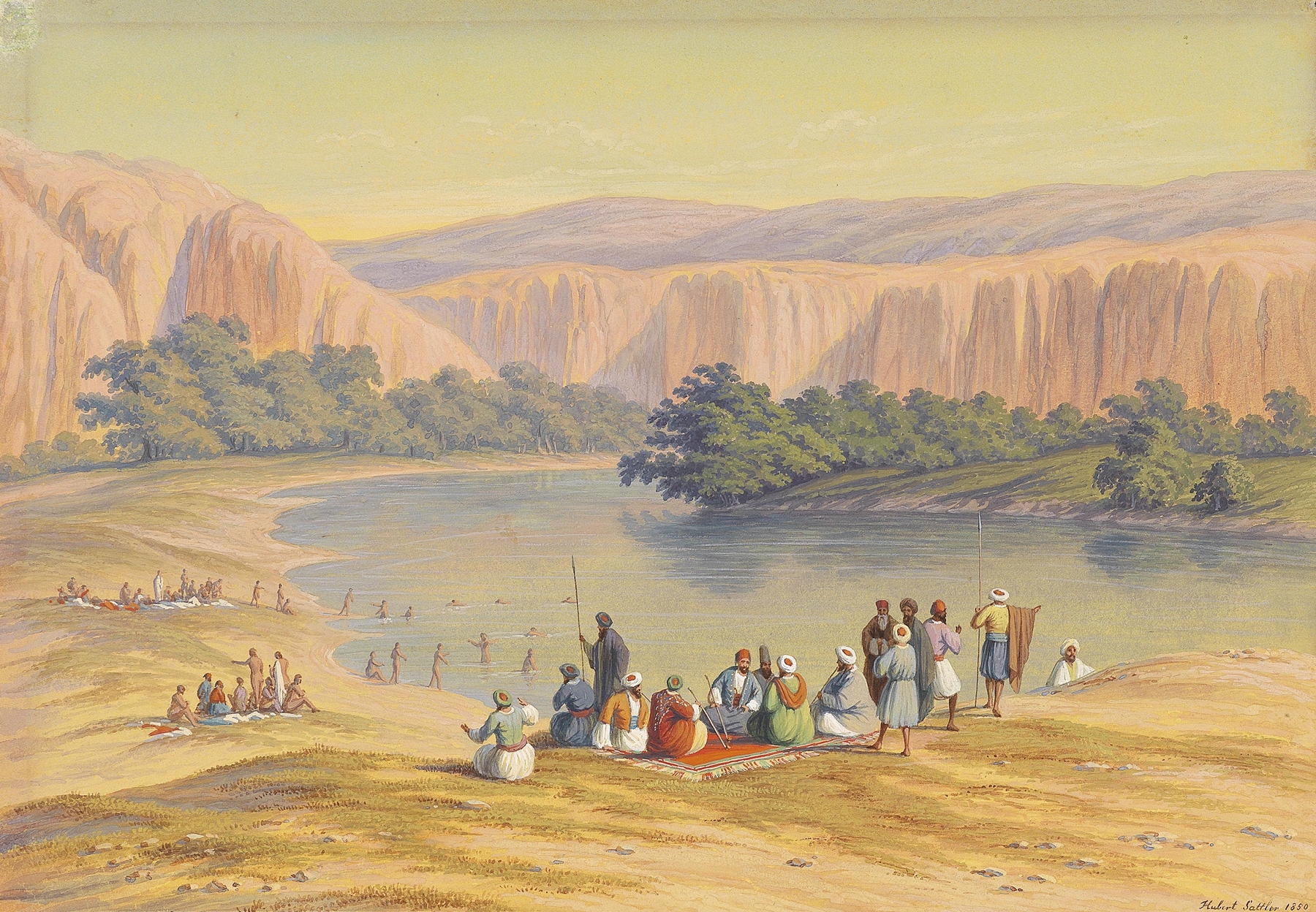
Hubert Sattler painted this work during the 19th century, a period marked by Romanticism, where artists sought to capture nature’s grandeur and humanity’s place within it. Living in Austria, he found inspiration in the fairy-tale architecture of Neuschwanstein and its picturesque surroundings, a reflection of the era's fascination with nostalgia and idealized landscapes. The castle, still under construction during Sattler's time, embodies a longing for permanence amidst the ever-changing tapestry of life.