Tell-Kapelle am Vierwaldstättersee — History & Analysis
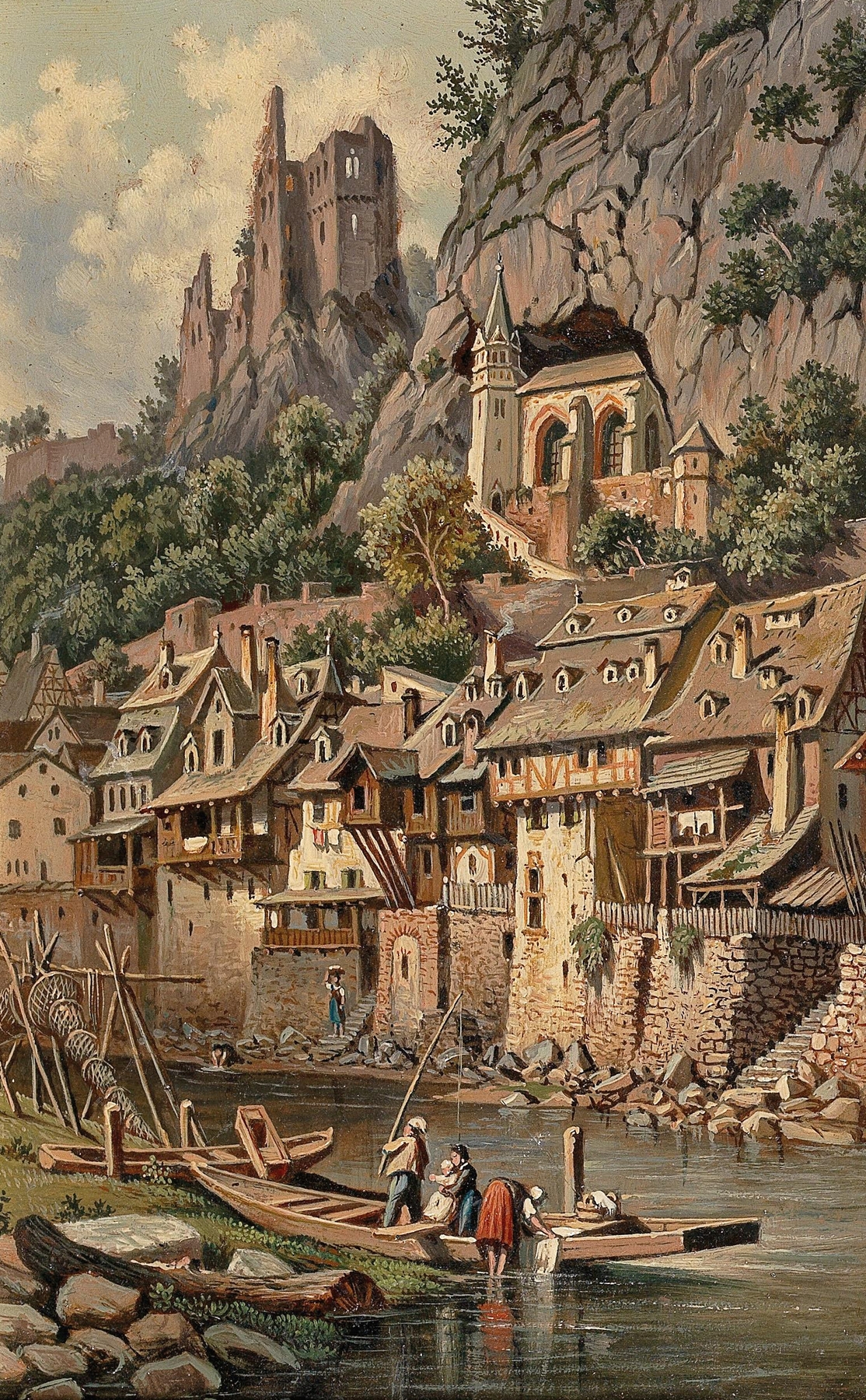
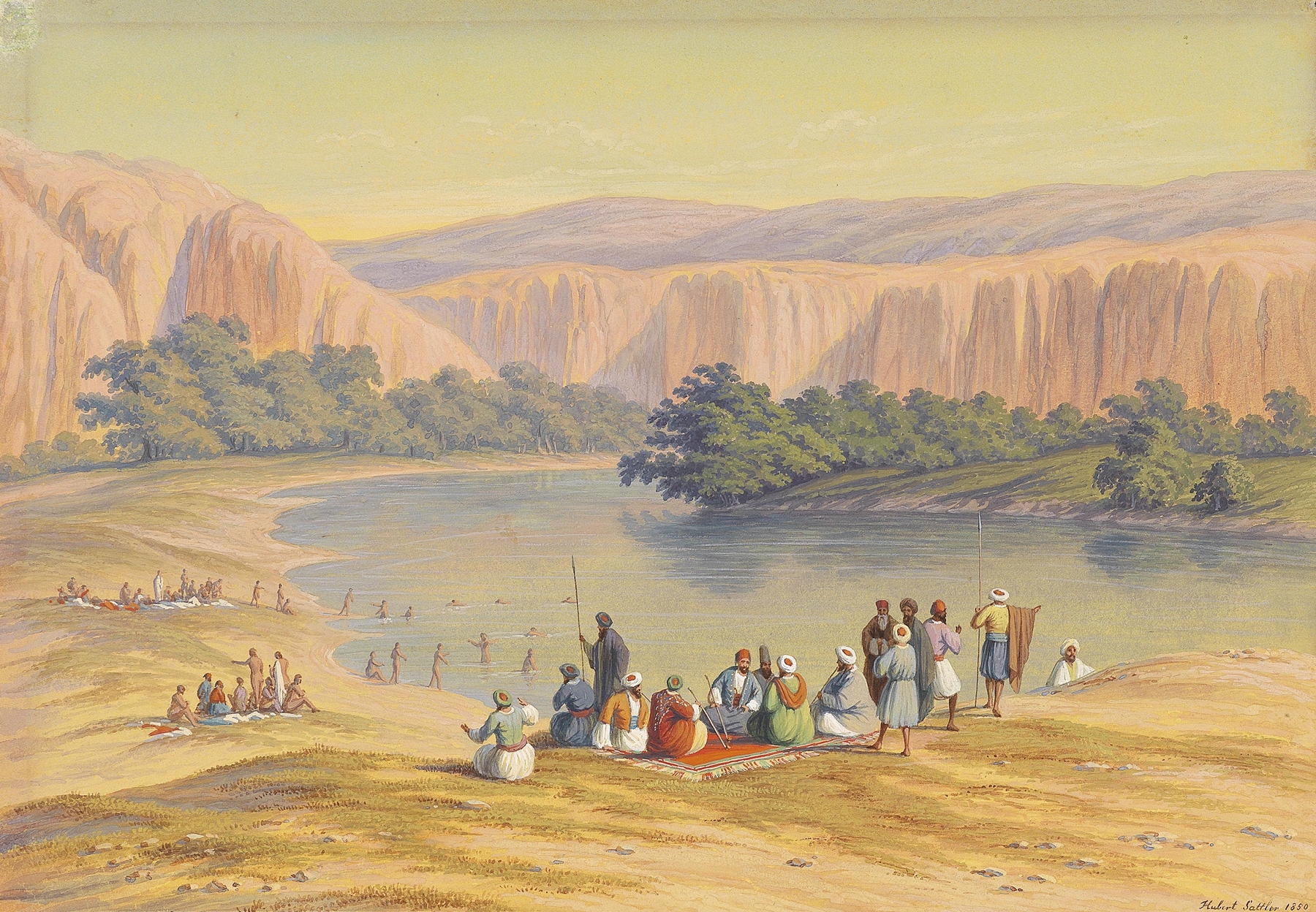
Who listens when art speaks of silence? In the stillness of Tell-Kapelle am Vierwaldstättersee, a solitary chapel emerges from the depths of tranquility, its essence captured within the embrace of shadow and light. Focus on the chapel, standing resolute against the backdrop of a serene lake, where the gentle ripples reflect the muted tones of the sky. Notice how the light delicately caresses the building’s façade, illuminating its weathered stone while casting elongated shadows that whisper of time’s passage.
The color palette, a mix of soft blues and earthy browns, instills a sense of calm, guiding the eye towards the delicate interplay between the structure and its natural surroundings. Hidden within the tranquility are echoes of life and solitude. The shadows, stark yet gentle, symbolize the weight of history and memory, urging contemplation of the stories this chapel has witnessed. The arrangement of elements — the solitary figure in the foreground, the still water, and the distant mountains — speaks to themes of isolation and introspection, inviting viewers to ponder their own place within the vastness of the landscape.
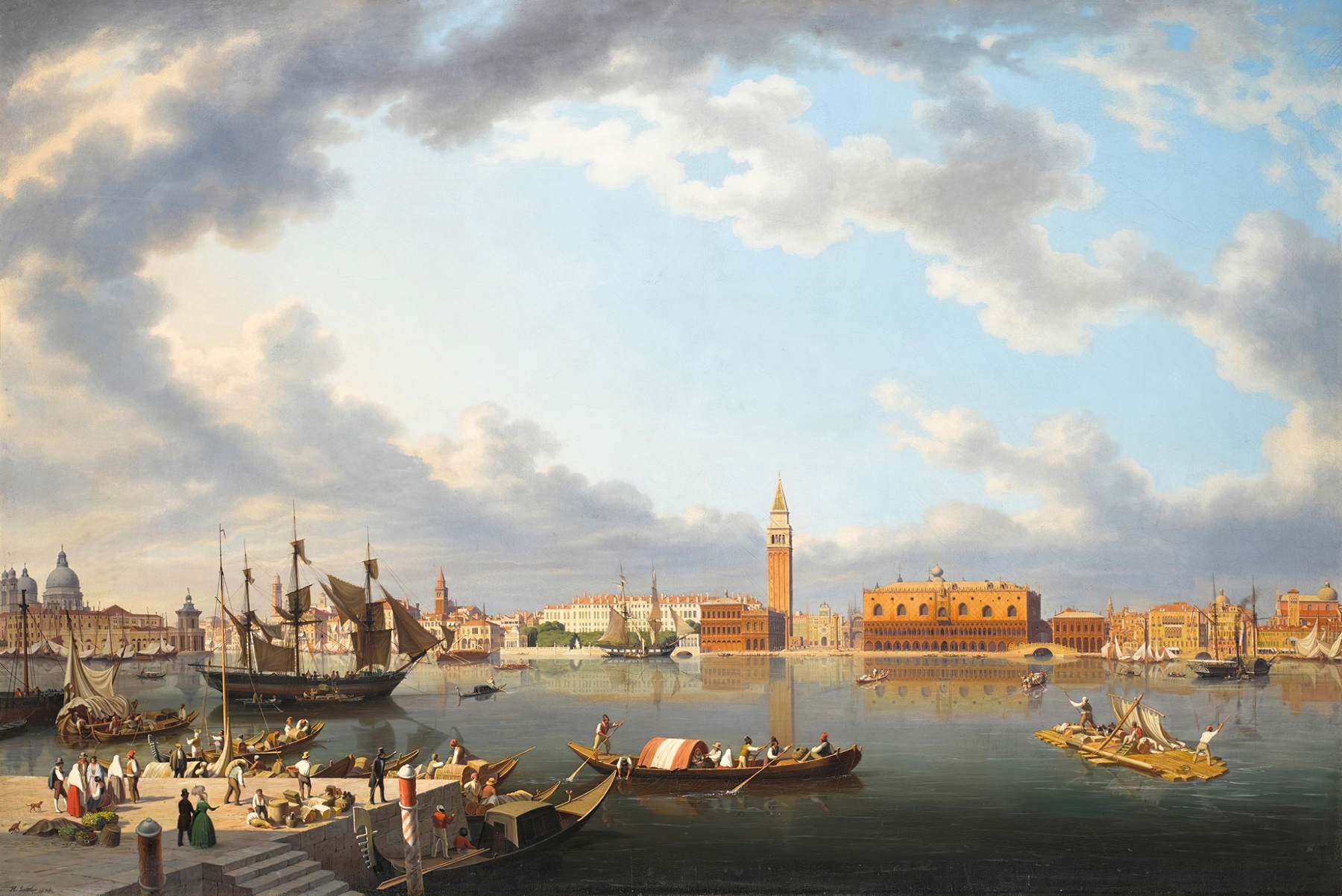
This interplay emphasizes the delicate balance between man-made and natural, suggesting a symbiotic relationship that thrives in silence. During his career, Hubert Sattler painted Tell-Kapelle am Vierwaldstättersee at an uncertain moment, likely in the mid-19th century, a period marked by a growing interest in Romanticism in Europe. While Sattler was deeply engaged in capturing the sublime beauty of Swiss landscapes, he also reflected the emerging desire to find solace in nature amidst the industrializing world. This piece serves as both a celebration of the sublime and a reminder of the quiet resilience found in solitude.