Barfleur — History & Analysis
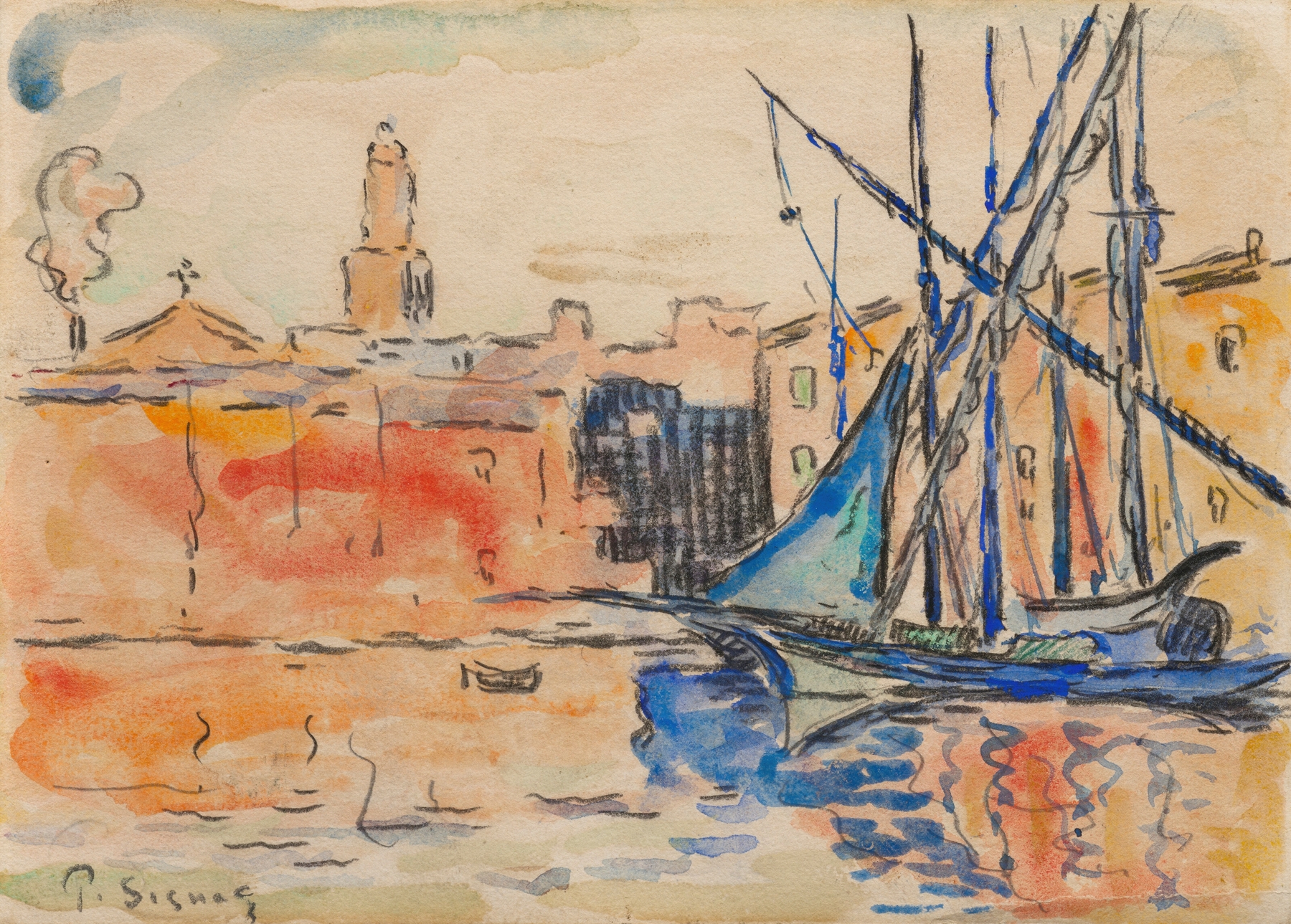
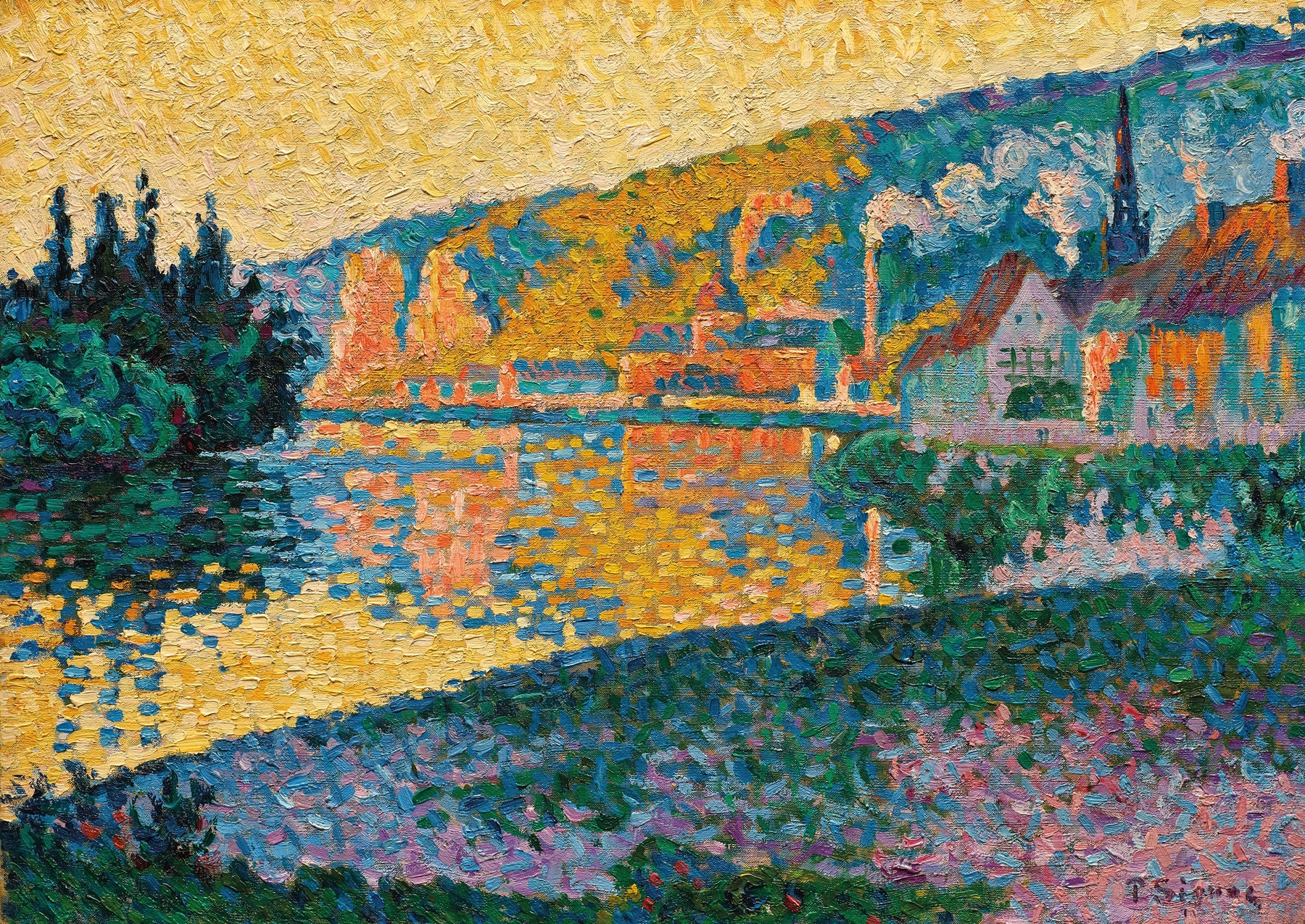
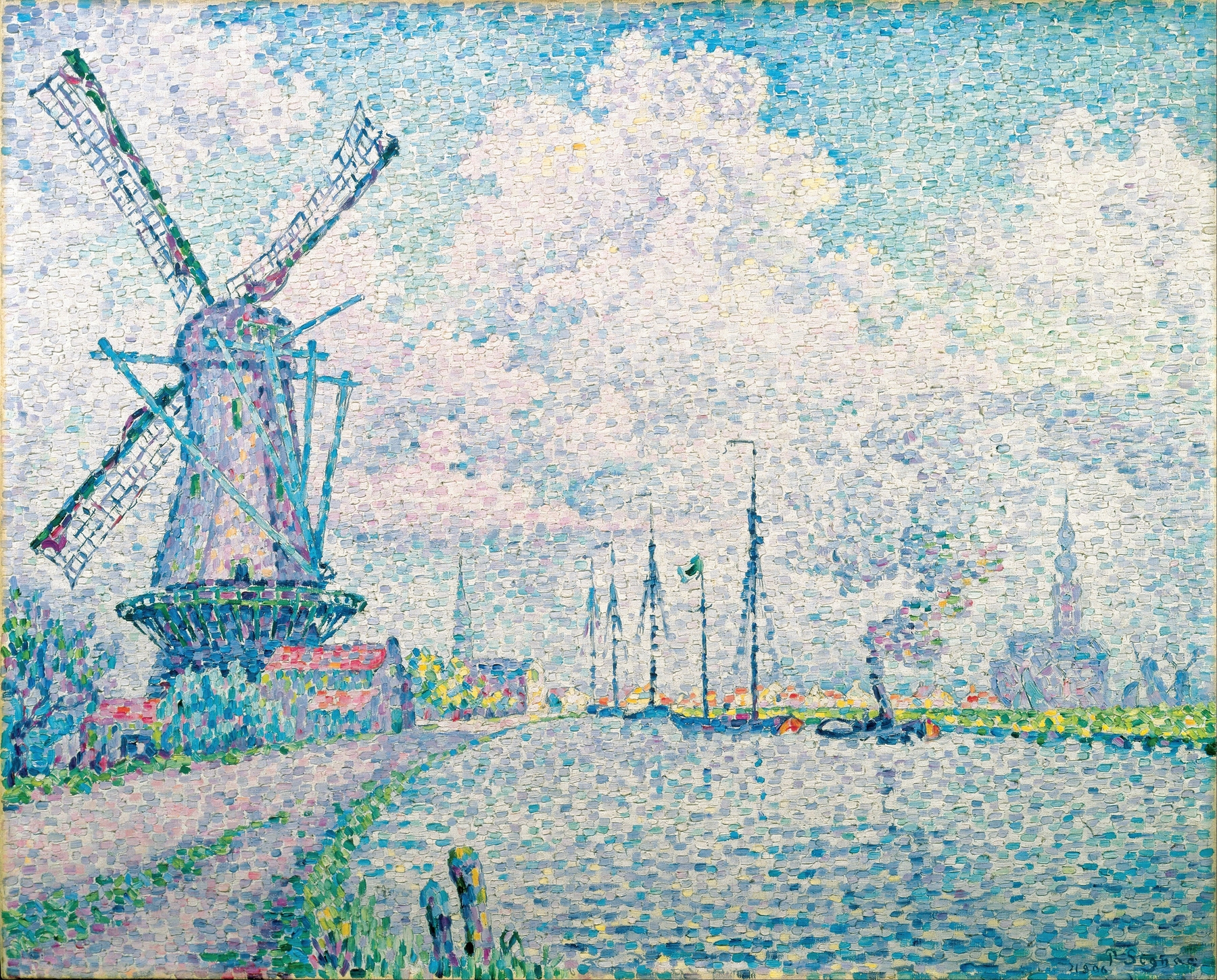
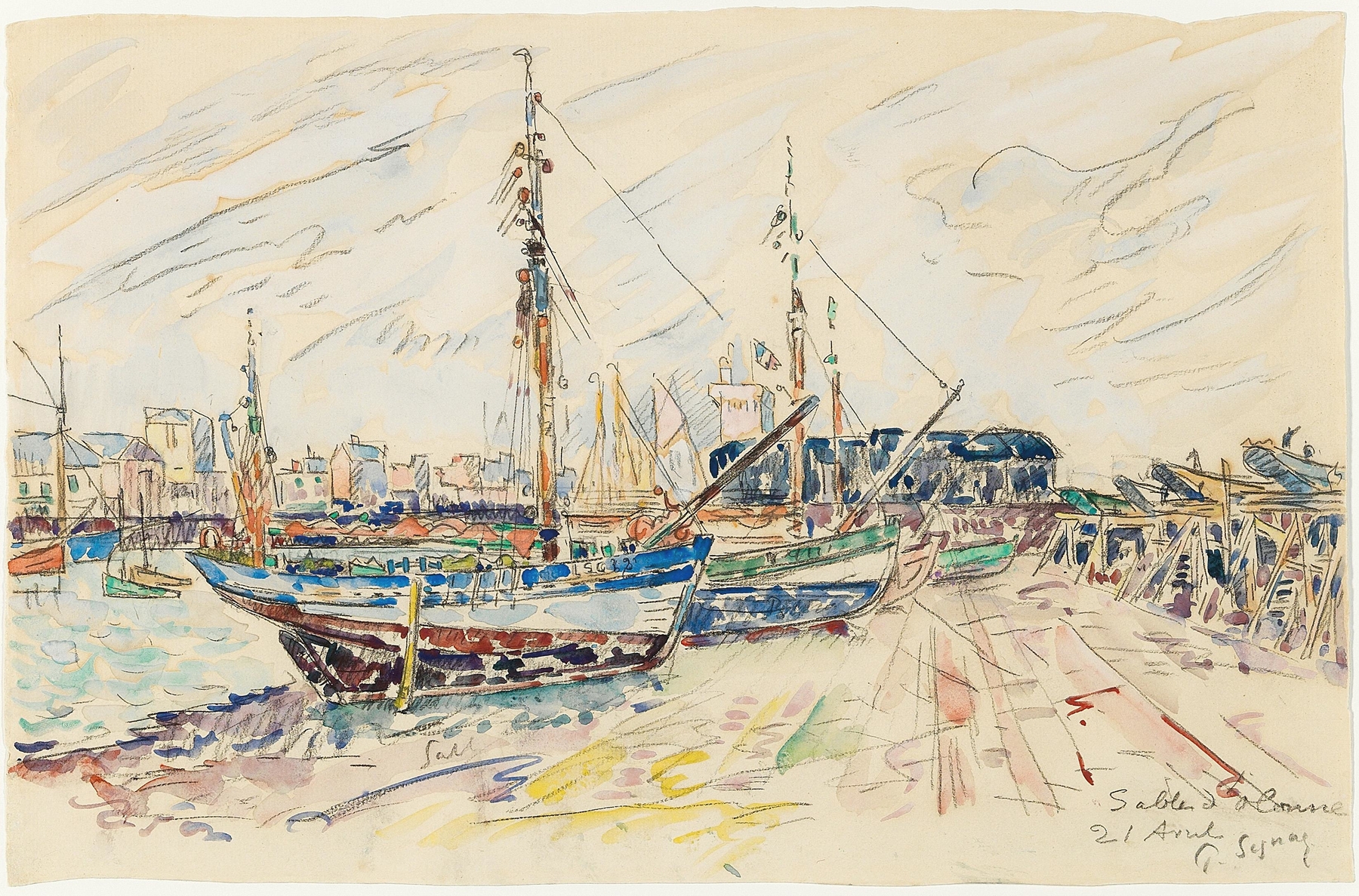
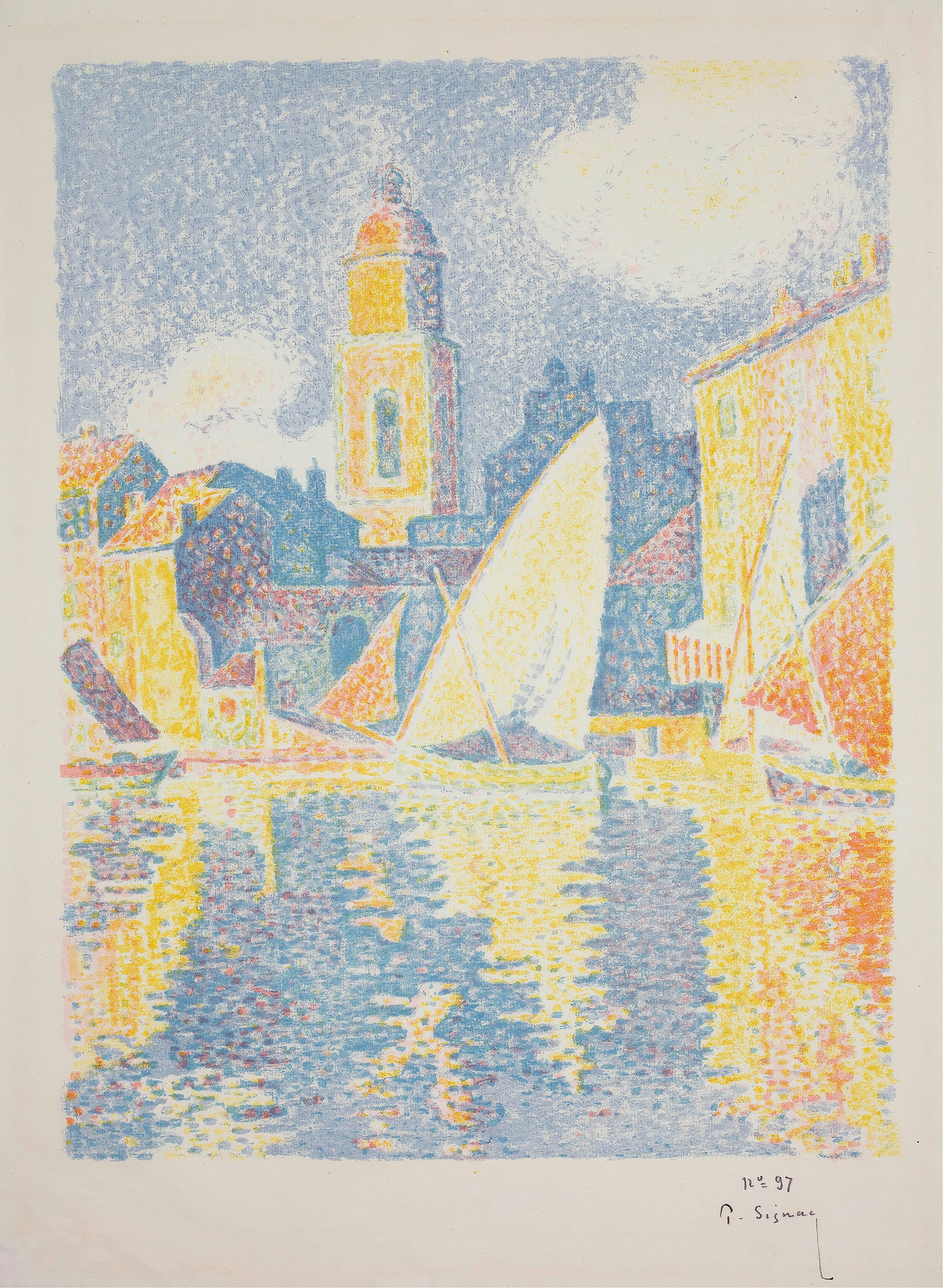
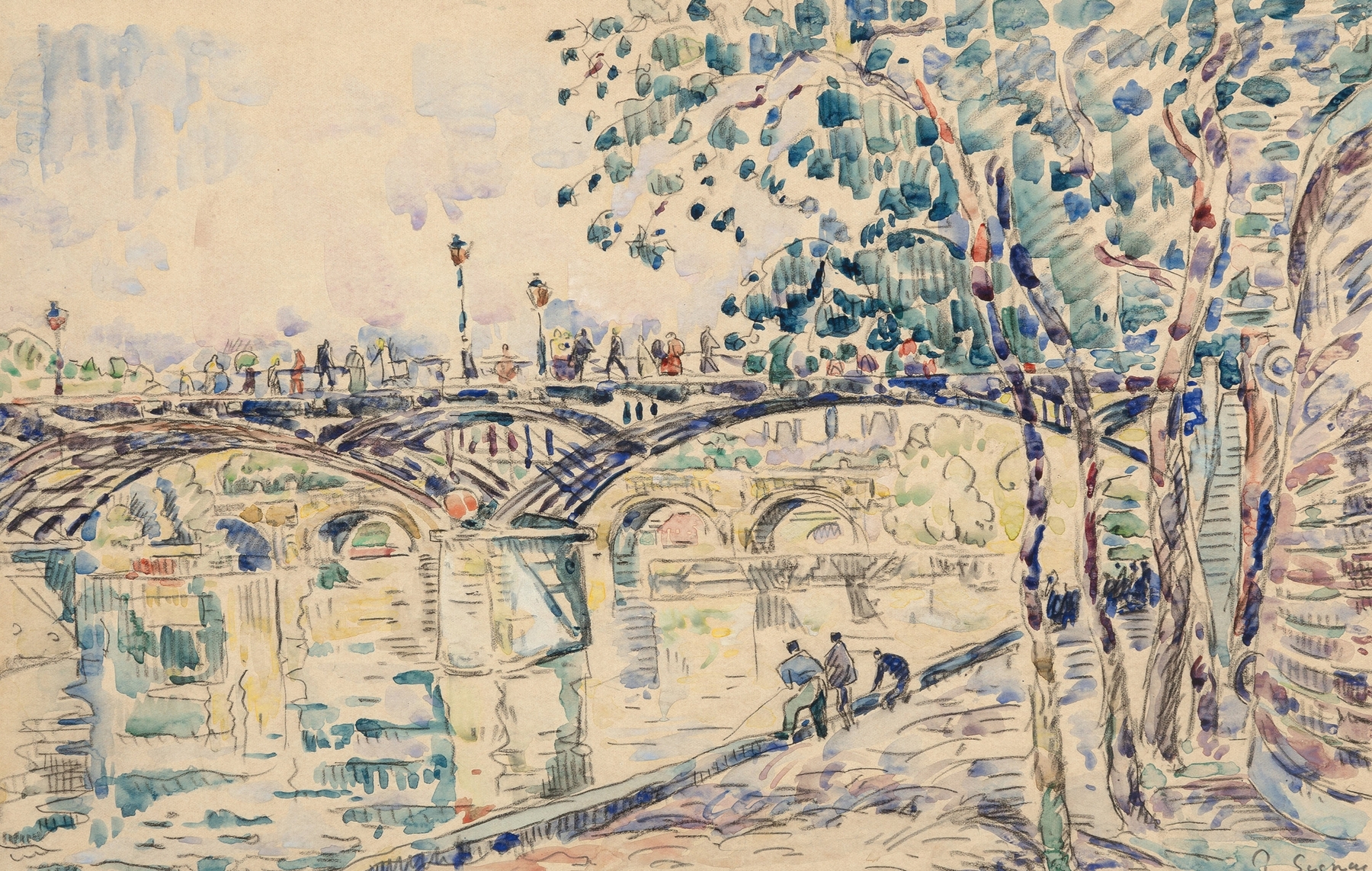
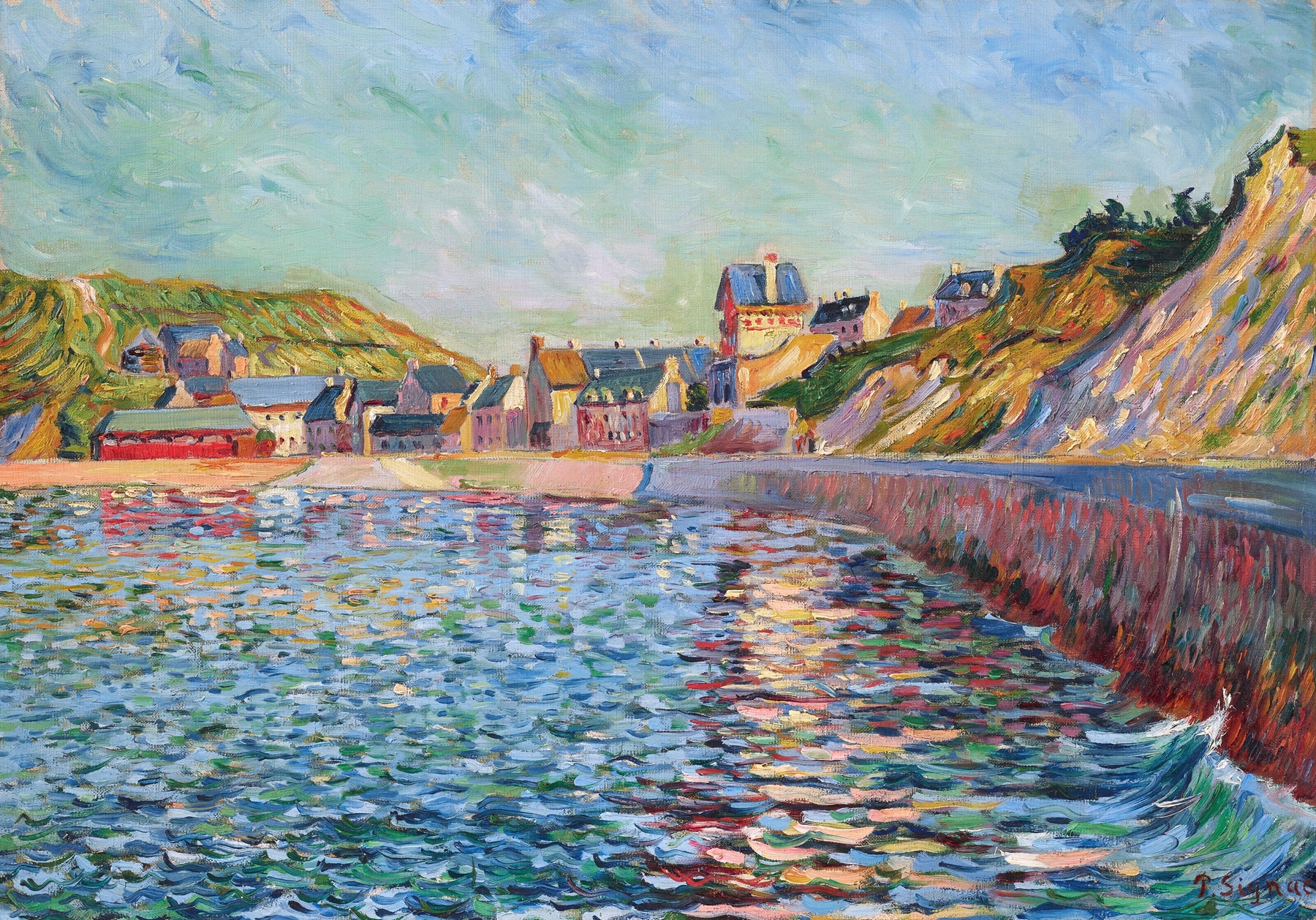
“The canvas doesn’t lie — it simply waits.” In the stillness of Barfleur, a palpable tension brews, whispering tales of longing and betrayal hidden within its vibrant hues. Look to the lower left, where brilliant strokes of blue and green dance together, creating an undulating sea that draws you in. The eye travels upward to the calming interplay of soft yellows and oranges, giving life to the sky’s delicate gradient. Notice how Signac's technique, characterized by the division of color into distinct dots, brings vibrancy and movement, imbuing the scene with both energy and a sense of ephemeral beauty.
The composition balances the solidity of the boats with the airy expanse above, inviting contemplation of the fleeting nature of trust and loyalty. In this serene harbor scene, contrasts emerge. The boats, seemingly anchored in peaceful repose, hint at the weight of unspoken words and unresolved conflicts. The starkness of their outlines against the vivacious backdrop suggests a facade of calmness, masking the tumult beneath the surface.
Here, the interplay of light and shadow conveys a deeper narrative — a betrayal of one’s own self, perhaps, or the fragility of relationships caught in the throes of time. Paul Signac painted Barfleur in 1931 during a pivotal moment in his career. Located in Saint-Tropez, he engaged with the vibrant French art scene, reflecting his evolving style in post-impressionism. This period marked a transition for the artist, as he sought to articulate a new vision in his work, influenced by both the serene landscapes around him and the complexities of human emotion during a time of societal change.