Überfuhr der Tiere — History & Analysis
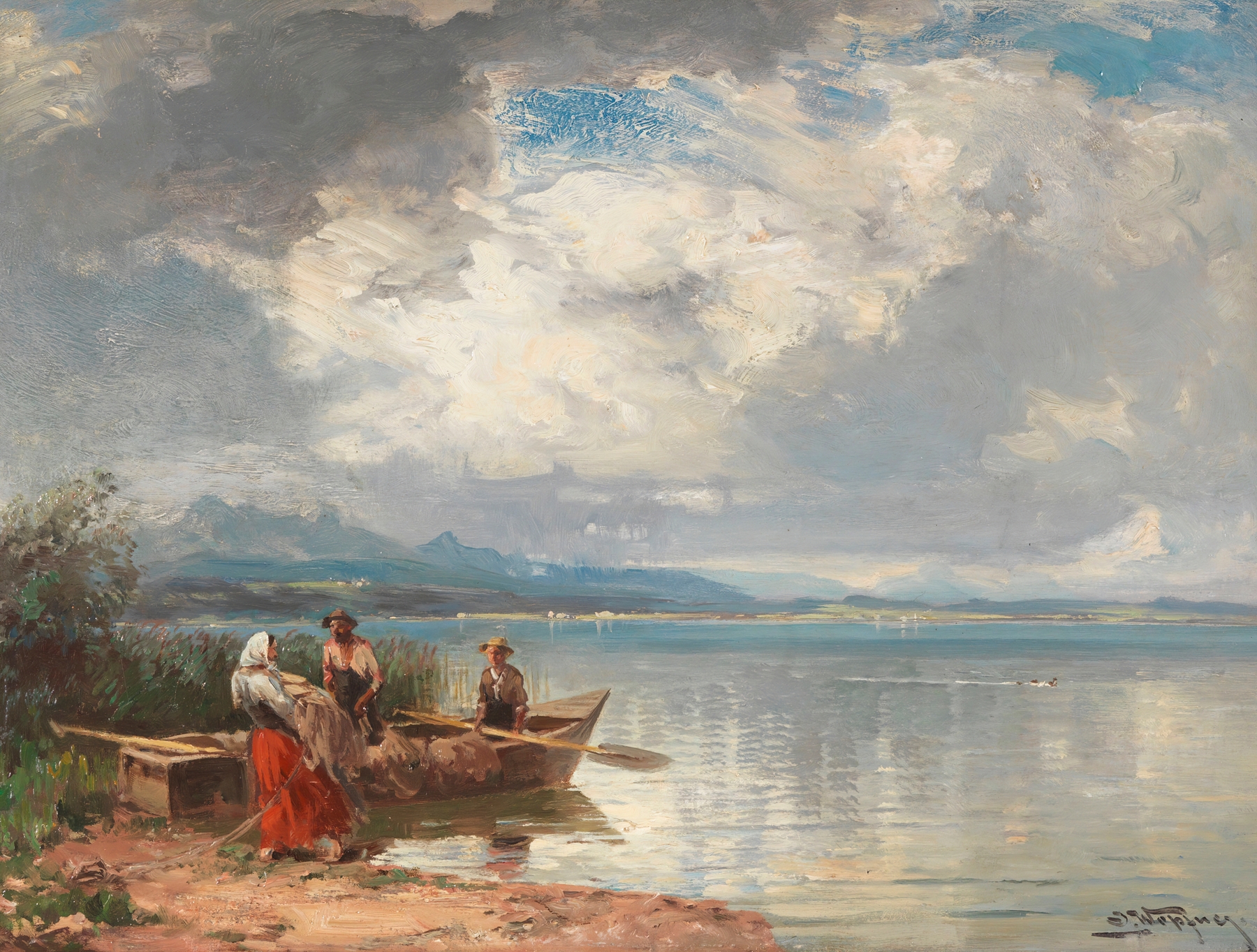
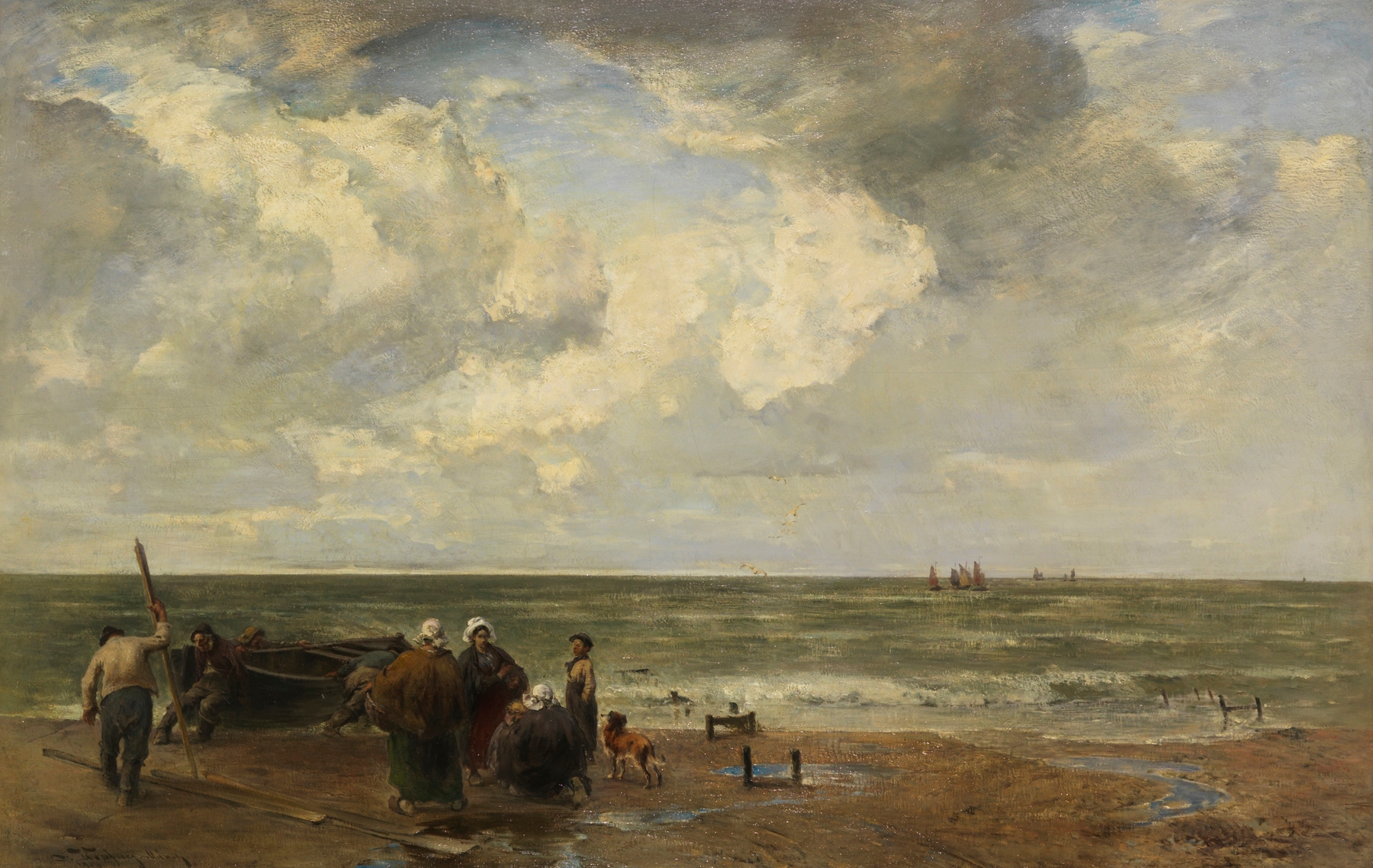
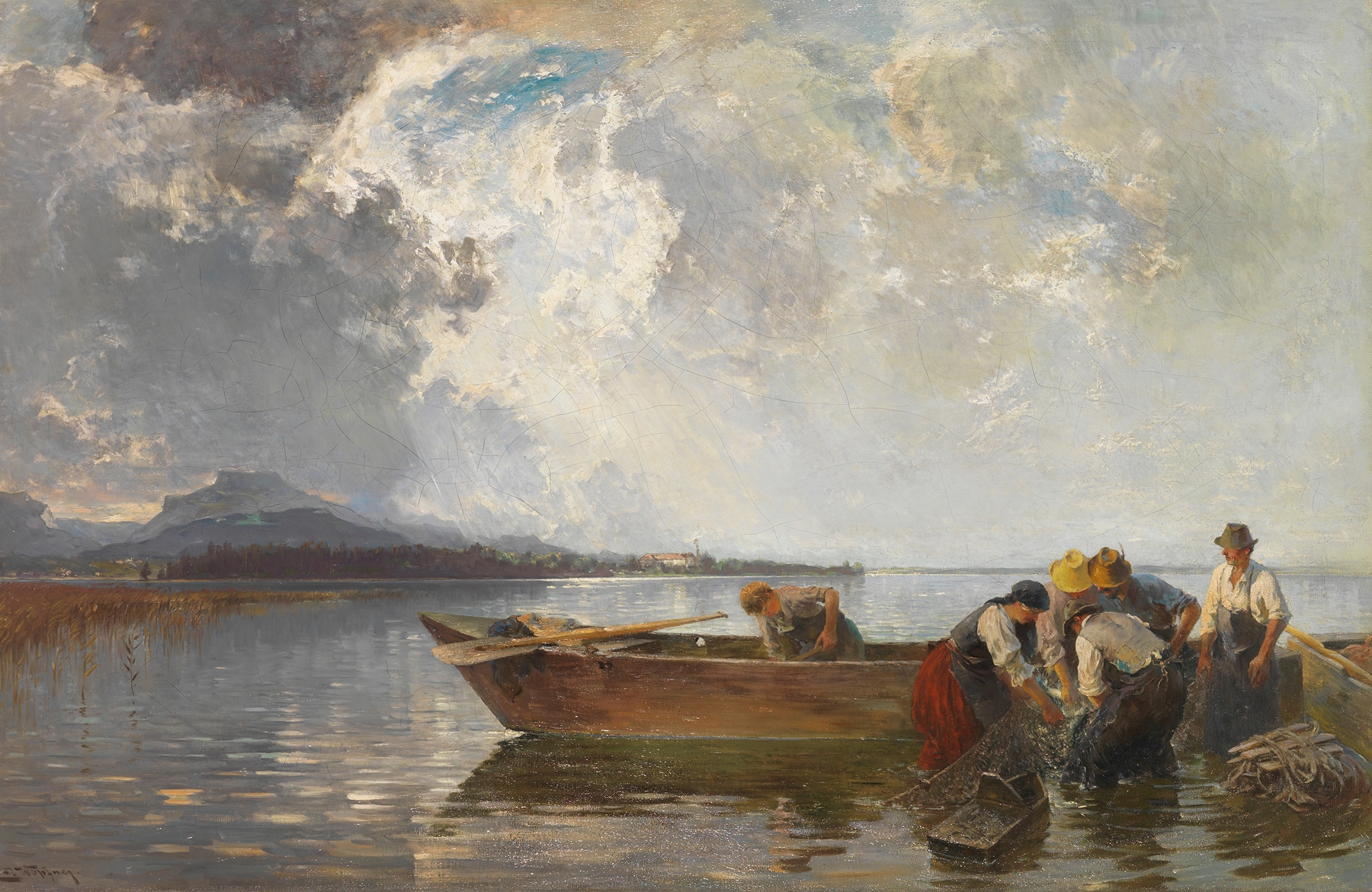
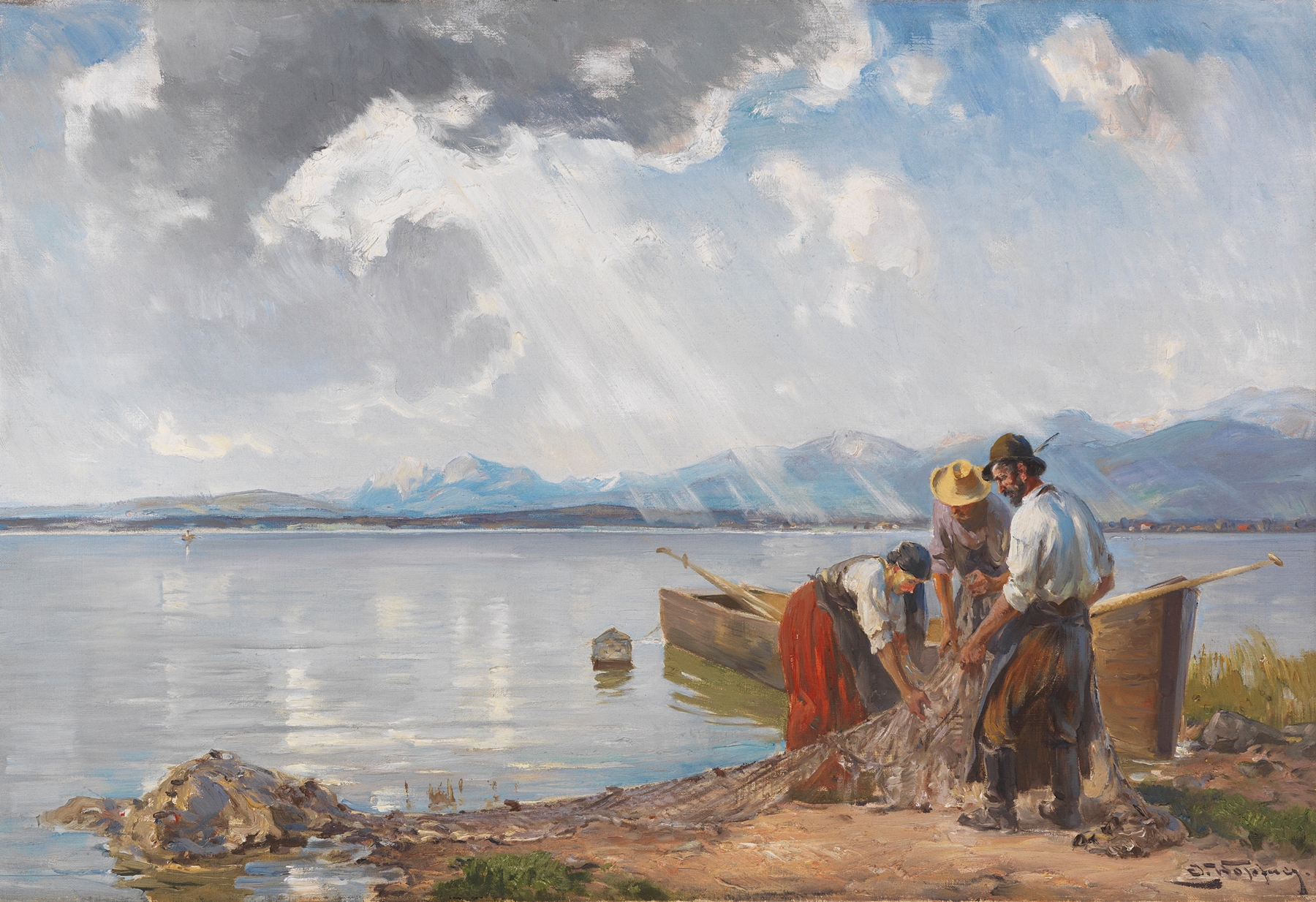
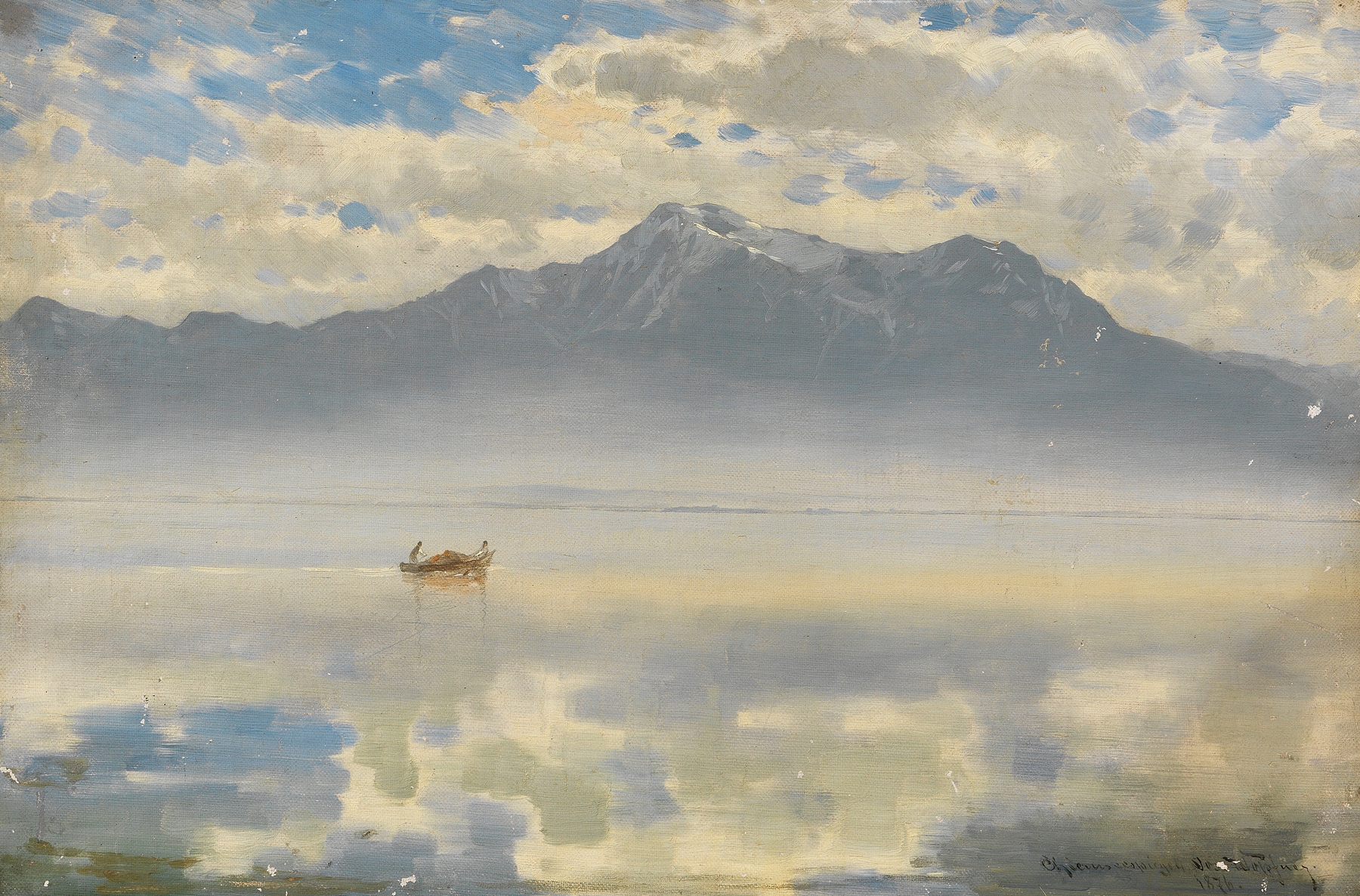
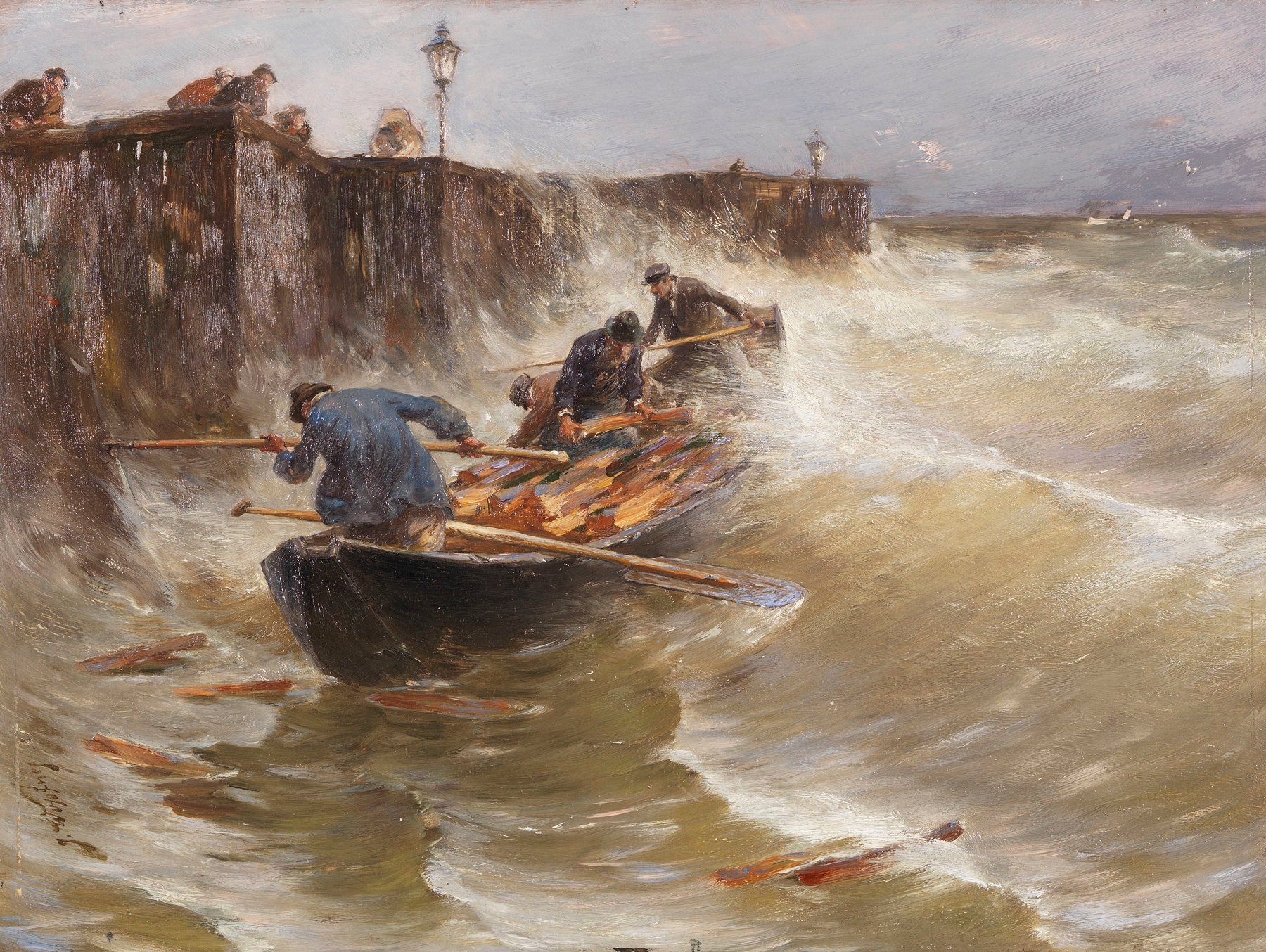
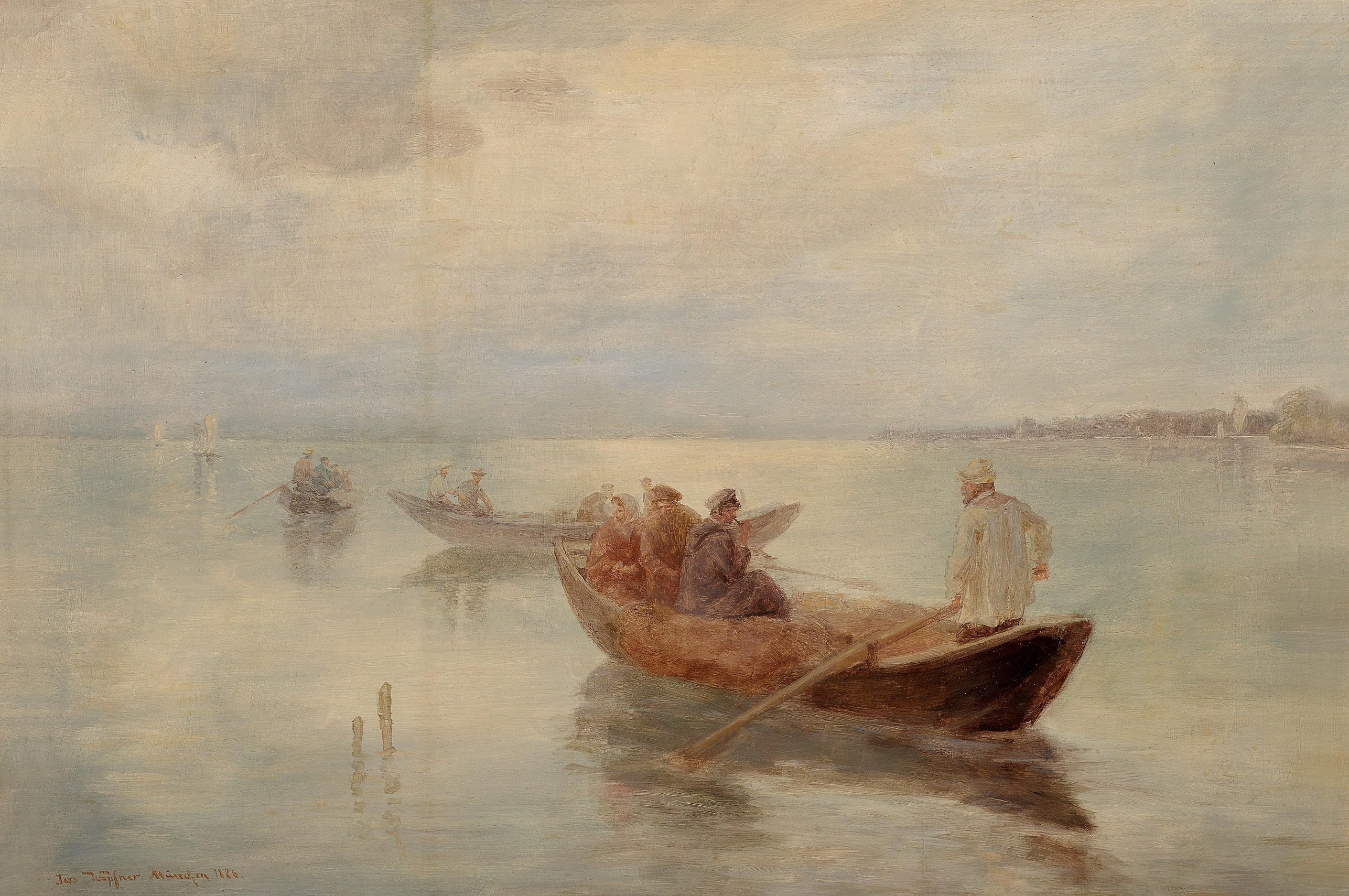
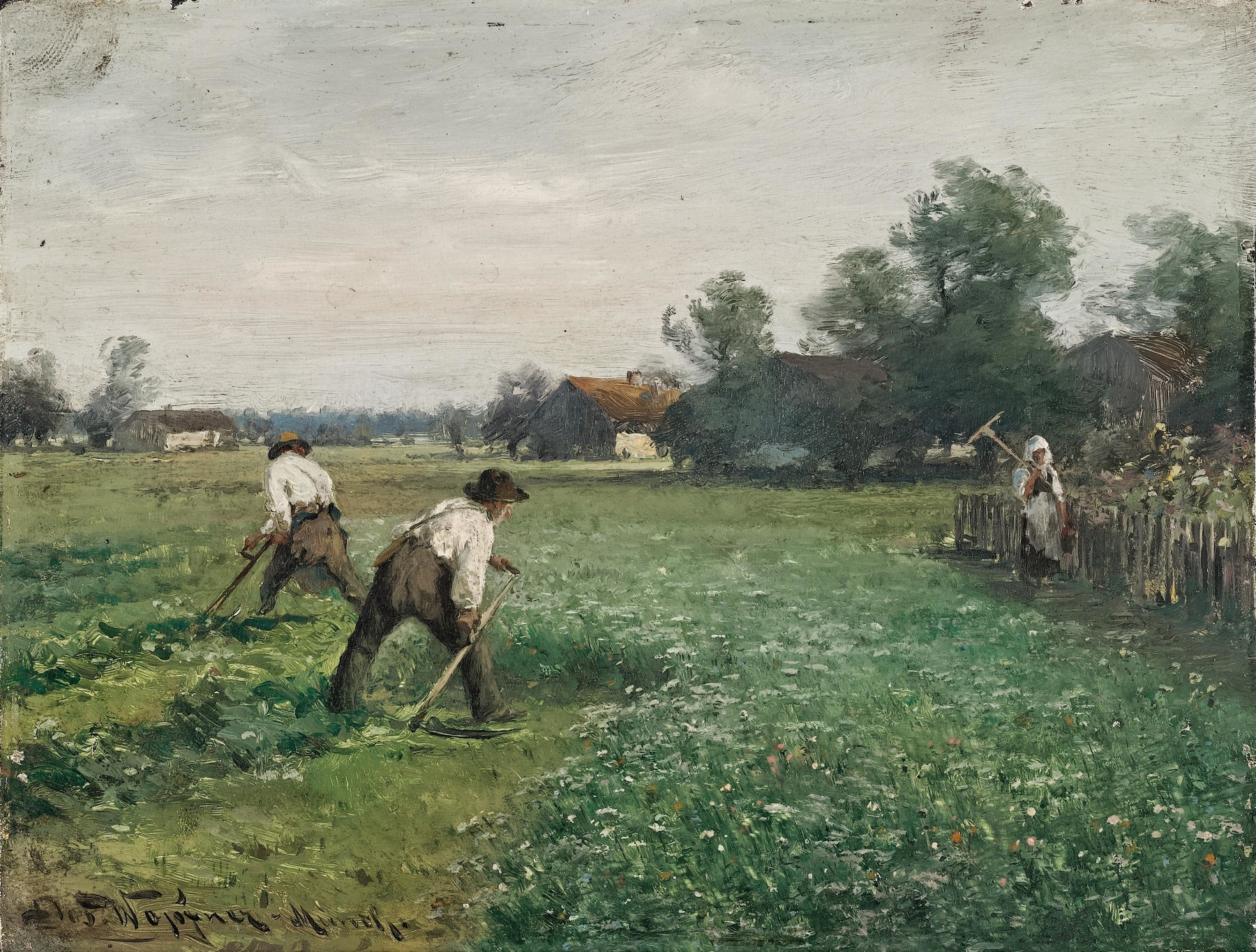
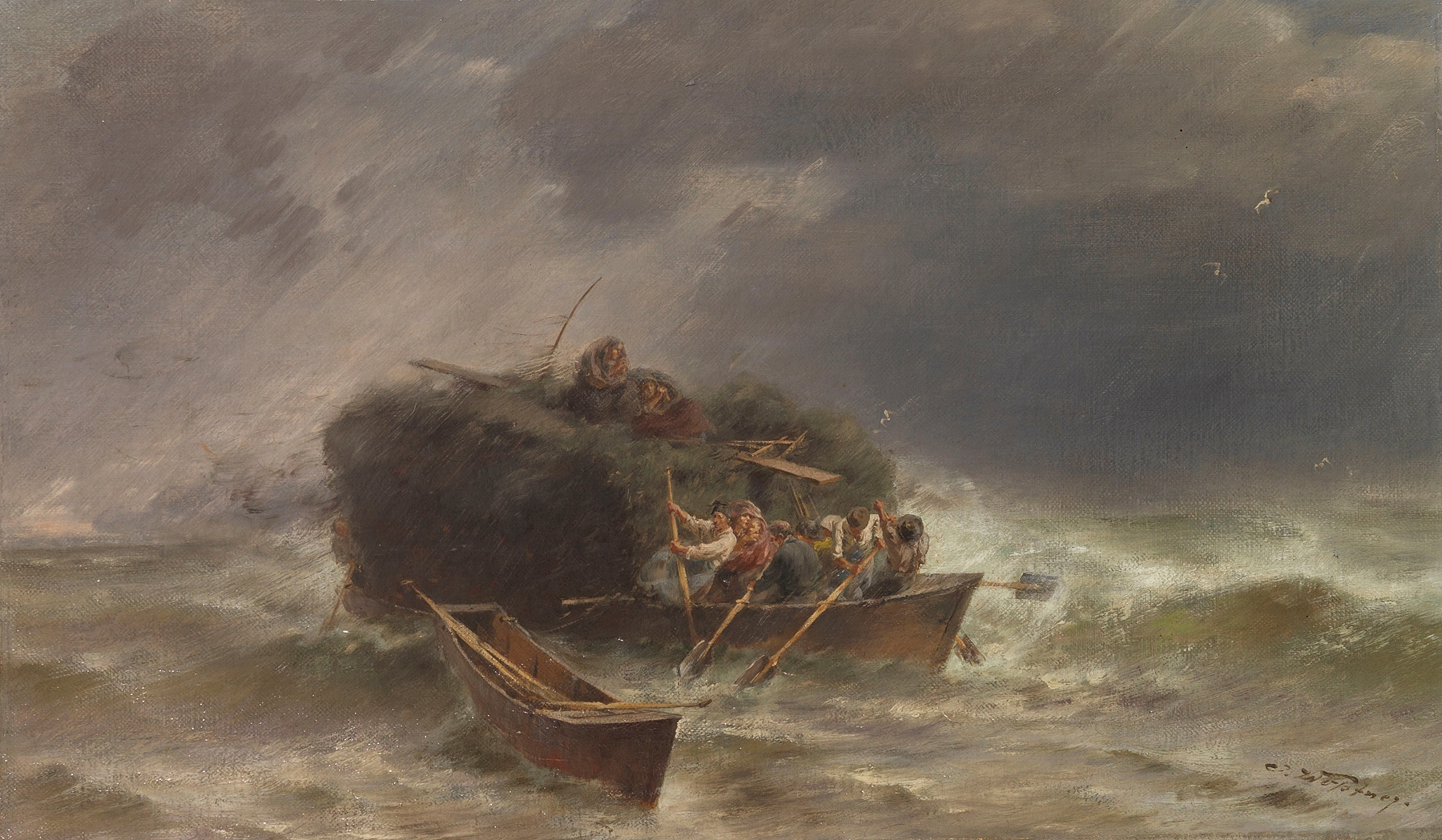
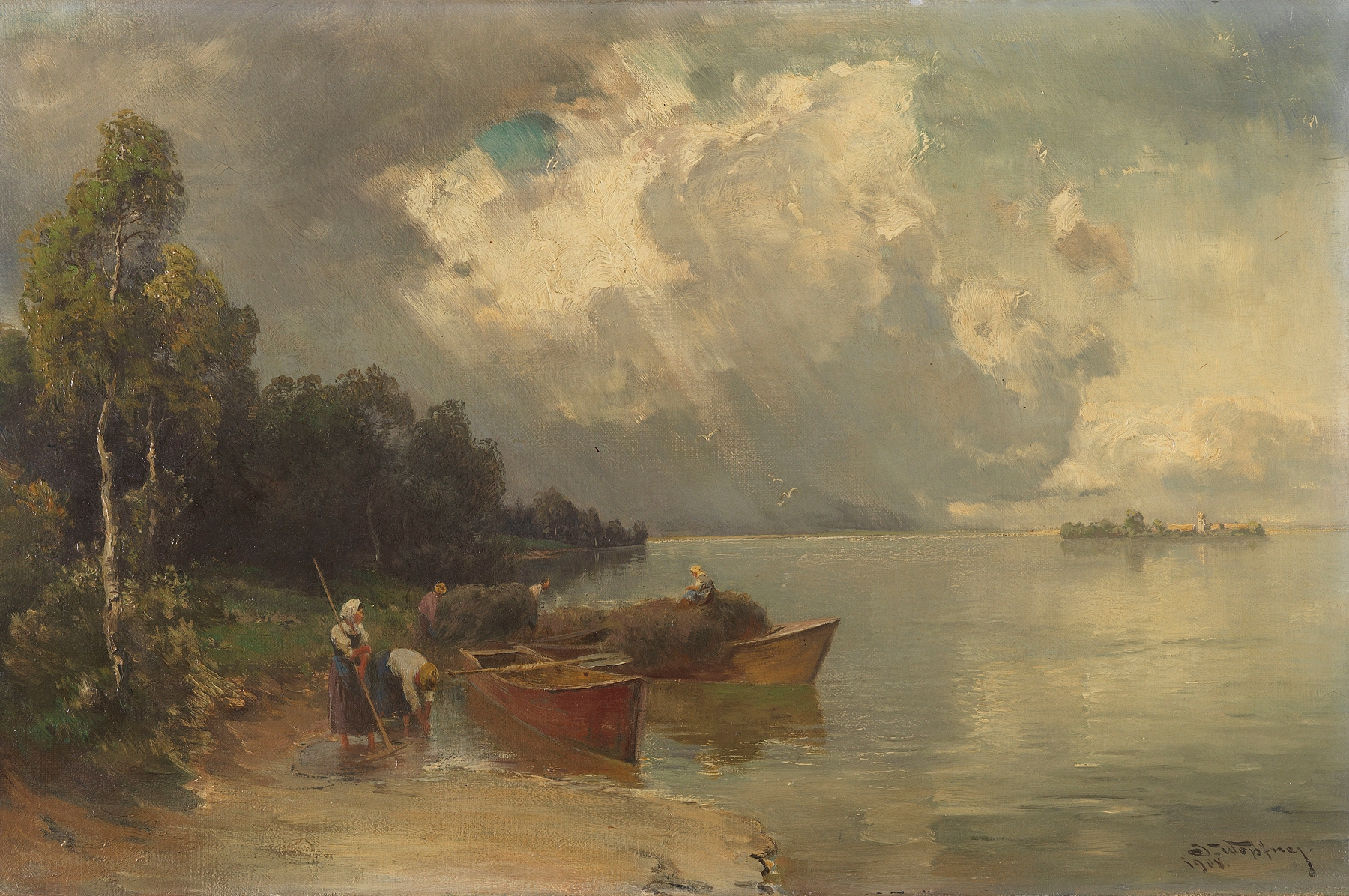
Did the painter know this moment would outlive them? In the silent expanse of canvas, a world of ecstasy unfolds, vibrant and eternal, capturing an essence that transcends time. Look to the left, where a riot of colors dances in jubilant chaos, each hue whispering stories of joy and liberation. Notice how the animals, painted with a fluid grace, appear almost to leap off the canvas, their bodies rendered with a rhythmic energy that evokes a sense of movement.
The lush, saturated greens and yellows pulse with life, while the deep blues and fiery reds create a vivid contrast that draws the eye to the swirling forms at the center, where the true celebration unfolds. The emotional tension resides in the juxtaposition of the animals’ wild abandon and the delicate intricacies of their surroundings. Each creature embodies a distinct emotion, from the spirited gallop of a horse to the serene gaze of a deer, reflecting a spectrum of existence that invites contemplation. The painting hints at a shared ecstasy, a connection between the creatures and the viewer, suggesting that moments of pure joy are fleeting yet profound, eternally captured in this vibrant tableau.
Joseph Wopfner created this piece during a period when the art world was redefining boundaries, embracing abstraction and integration of vivid color theory. Working in the early 20th century, he was influenced by movements that celebrated vitality and exuberance, seeking to express a deep emotional resonance within his viewers. The artwork signifies not just a moment in time; it stands as a testament to the celebration of life itself, urging us to embrace the ecstatic.