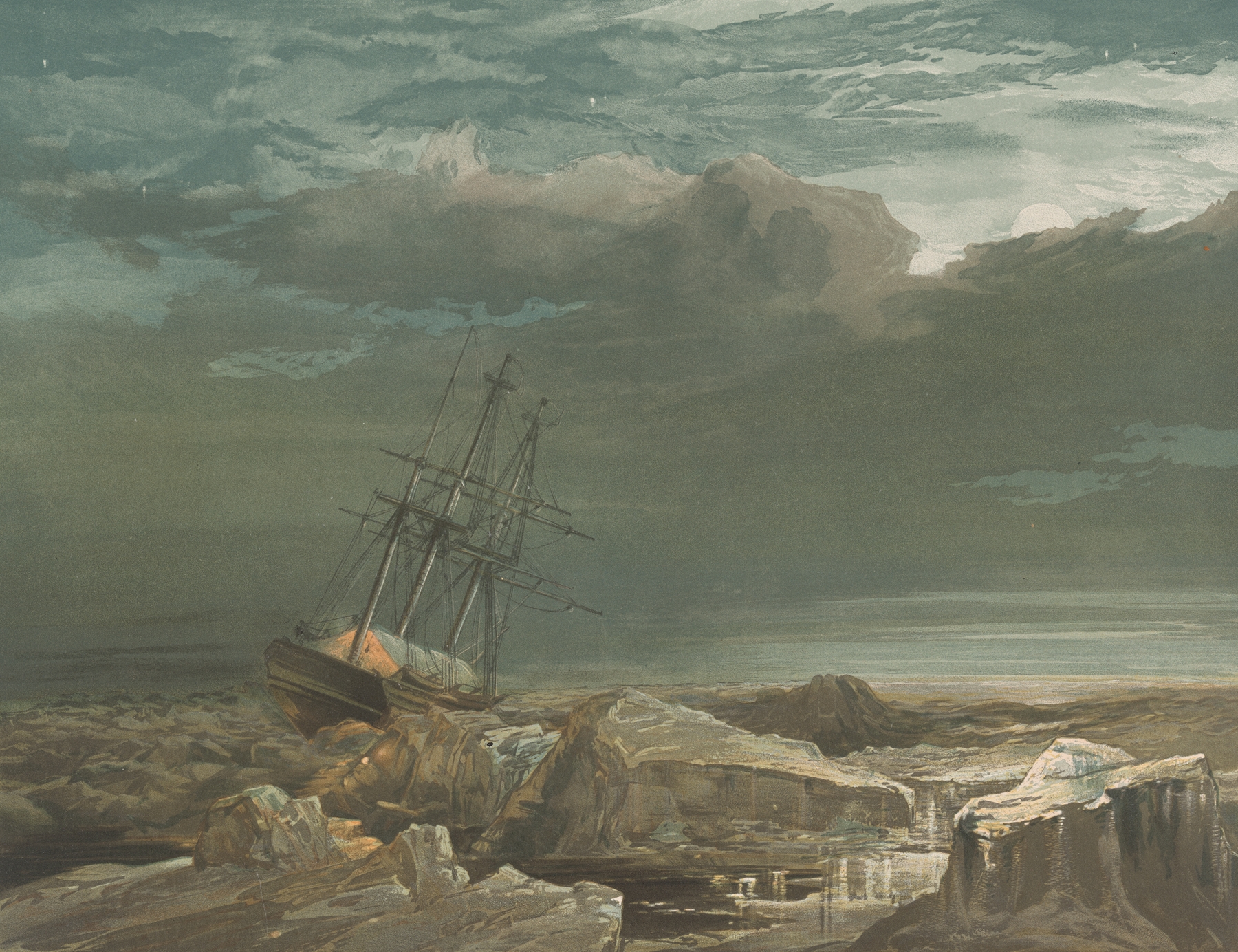
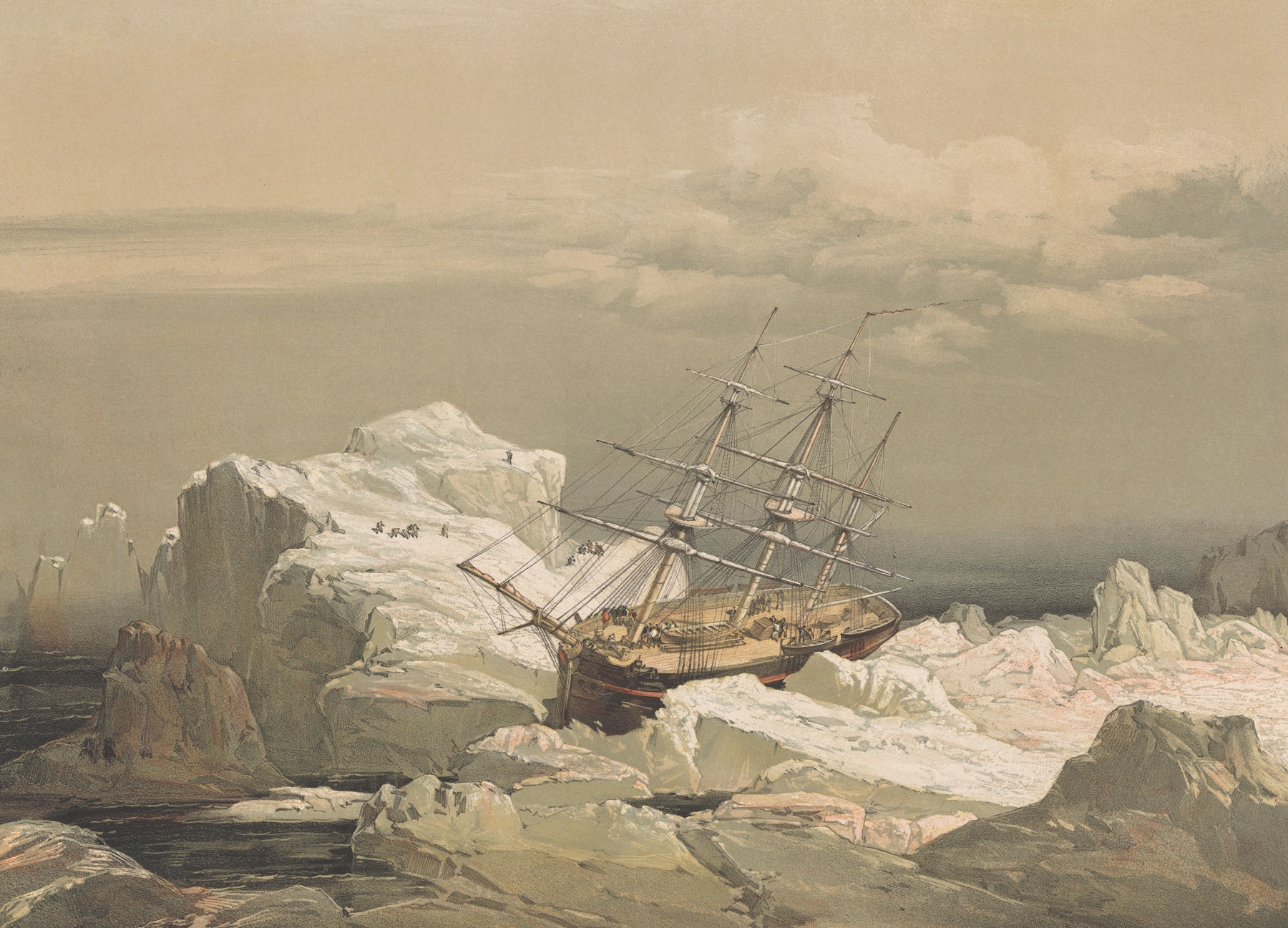
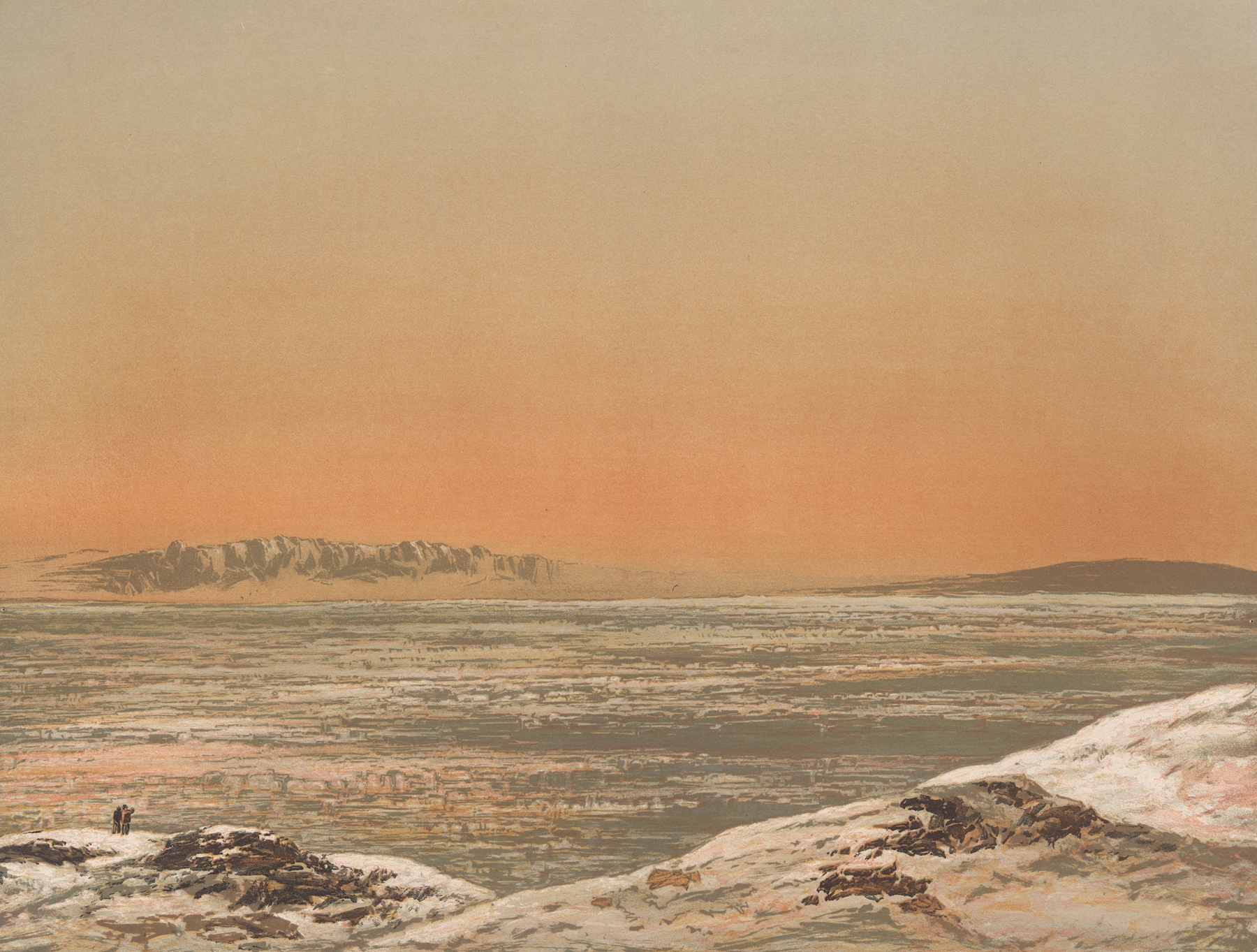
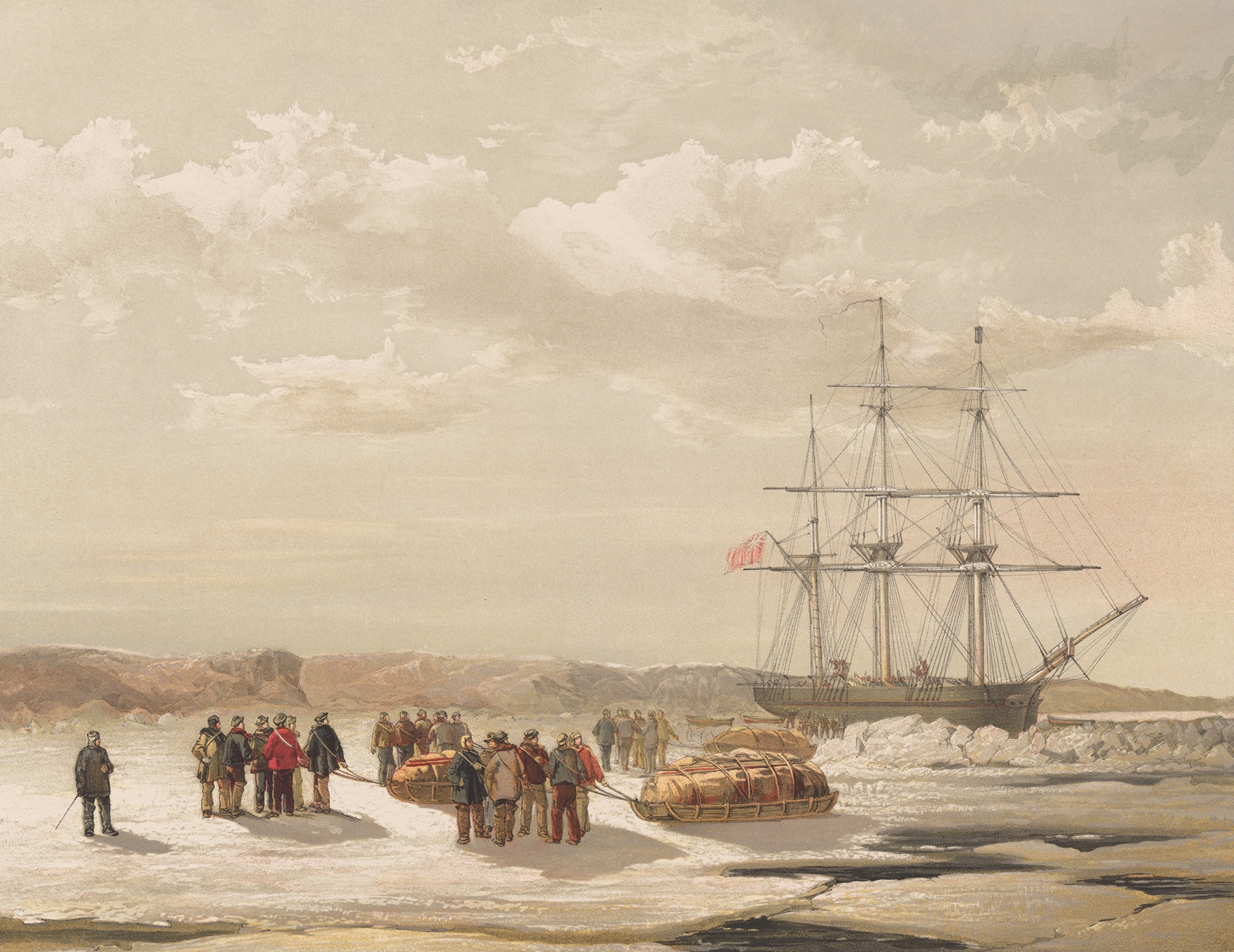
Bold Headland on Baring Island — History & Analysis
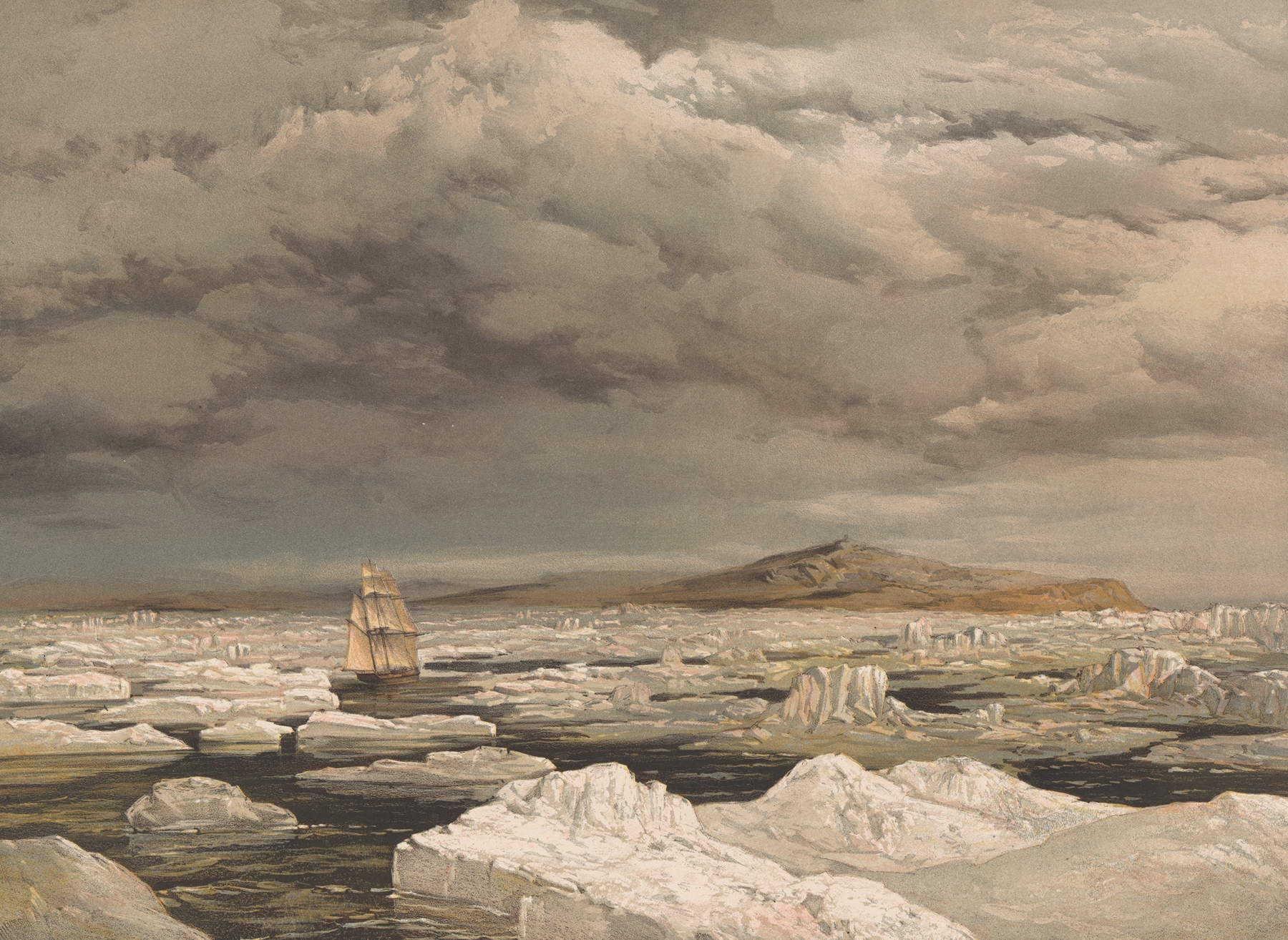
What secret hides in the quiet of the canvas? In Bold Headland on Baring Island, the stillness of nature invites contemplation and a sense of transcendence, leaving the viewer to ponder the unspoken stories of the landscape. Look to the foreground, where rocky outcrops rise defiantly against the azure sea, their textures rendered with diligent brushwork that captures each crevice and shadow. Notice how the light gently bathes the headland, illuminating its rugged beauty while casting elongated shadows that stretch toward the horizon.
The tranquil sky above, streaked with soft pastels, contrasts with the stark solidity of the land, creating a dialogue between earth and sky that is both harmonious and poignant. Amidst the serene beauty lies a tension between permanence and ephemerality. The stark cliffs stand firm against the flowing tides, representing nature's unyielding spirit, while the gentle waves whisper of time’s passage and the inevitability of change. The juxtaposition of solid rock and shifting water serves as a metaphor for the human experience, where moments of stillness are often fleeting in the face of time's relentless march.
It’s this interplay that invites deeper reflection, urging viewers to find their own narratives within the quietude. Samuel Gurney Cresswell created this evocative piece in 1854 during his exploration of the Arctic regions. At that time, he was deeply immersed in the natural world, both as a painter and a sailor. This phase of his life was marked by a burgeoning interest in capturing the sublime beauty of remote landscapes, blending his artistic vision with his explorations, adapting to the currents of Romanticism that were reshaping art during that era.