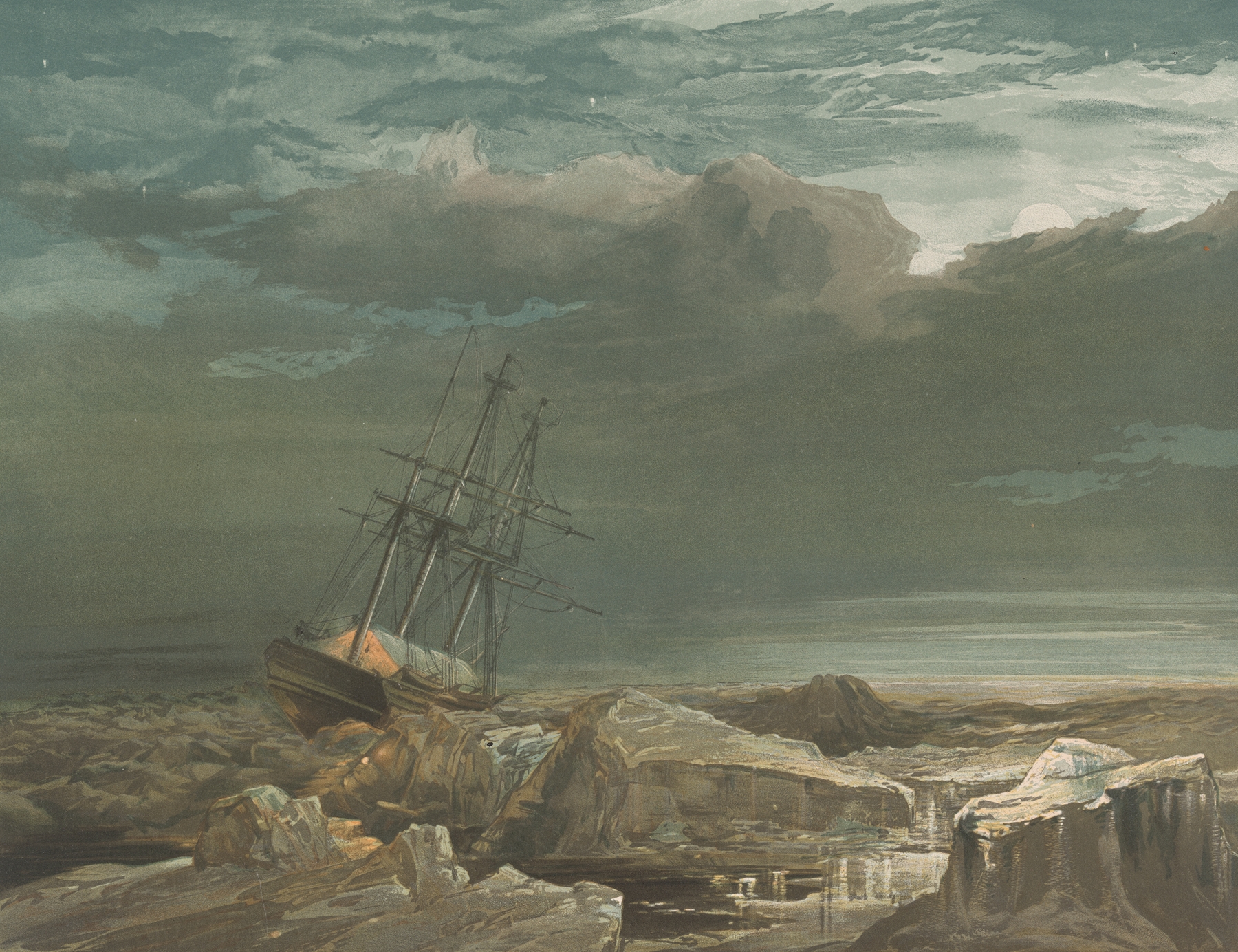
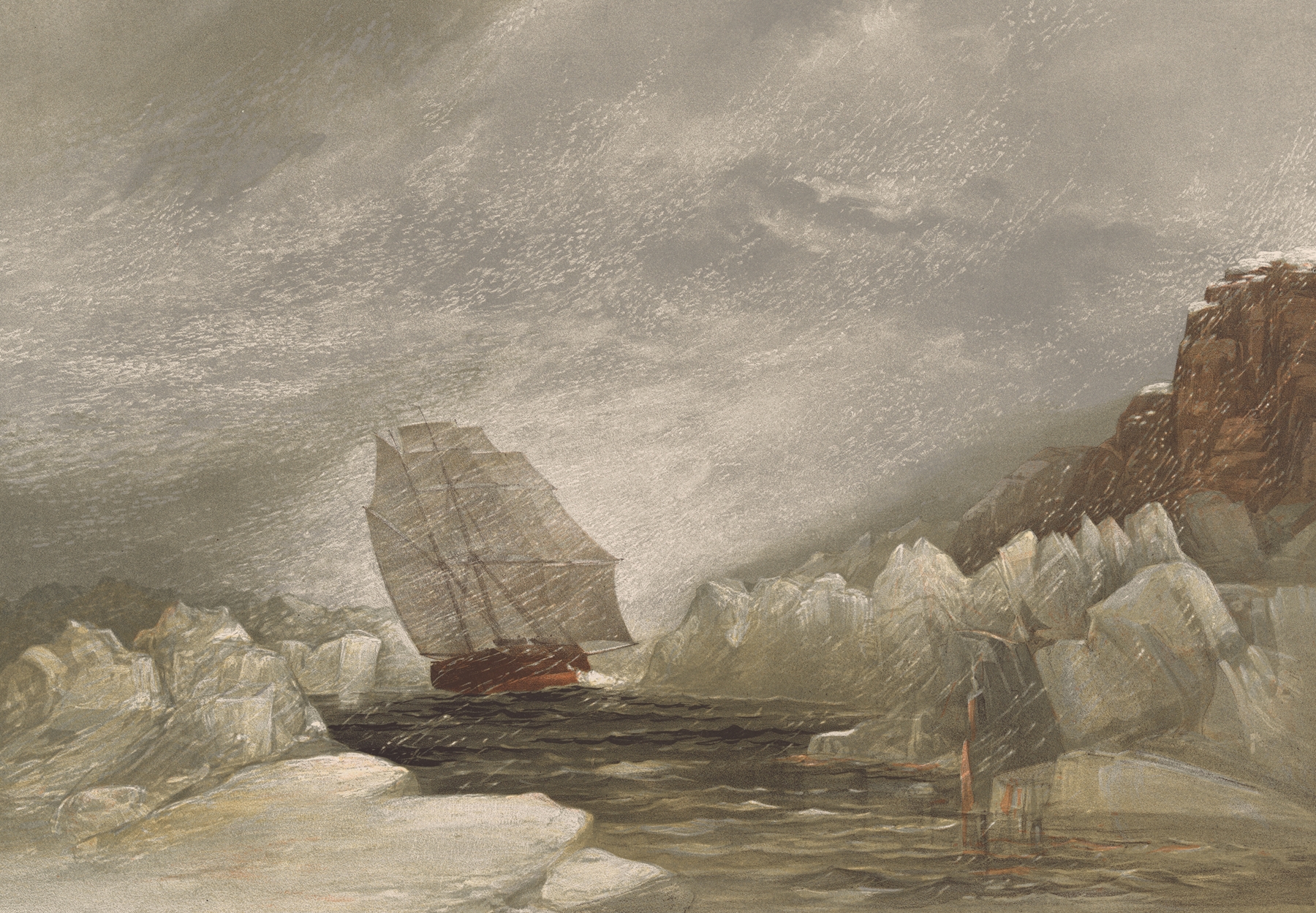
Critical position of H.M.S. Investigator, on the North Coast of Baring Island, August 20, 1851 — History & Analysis
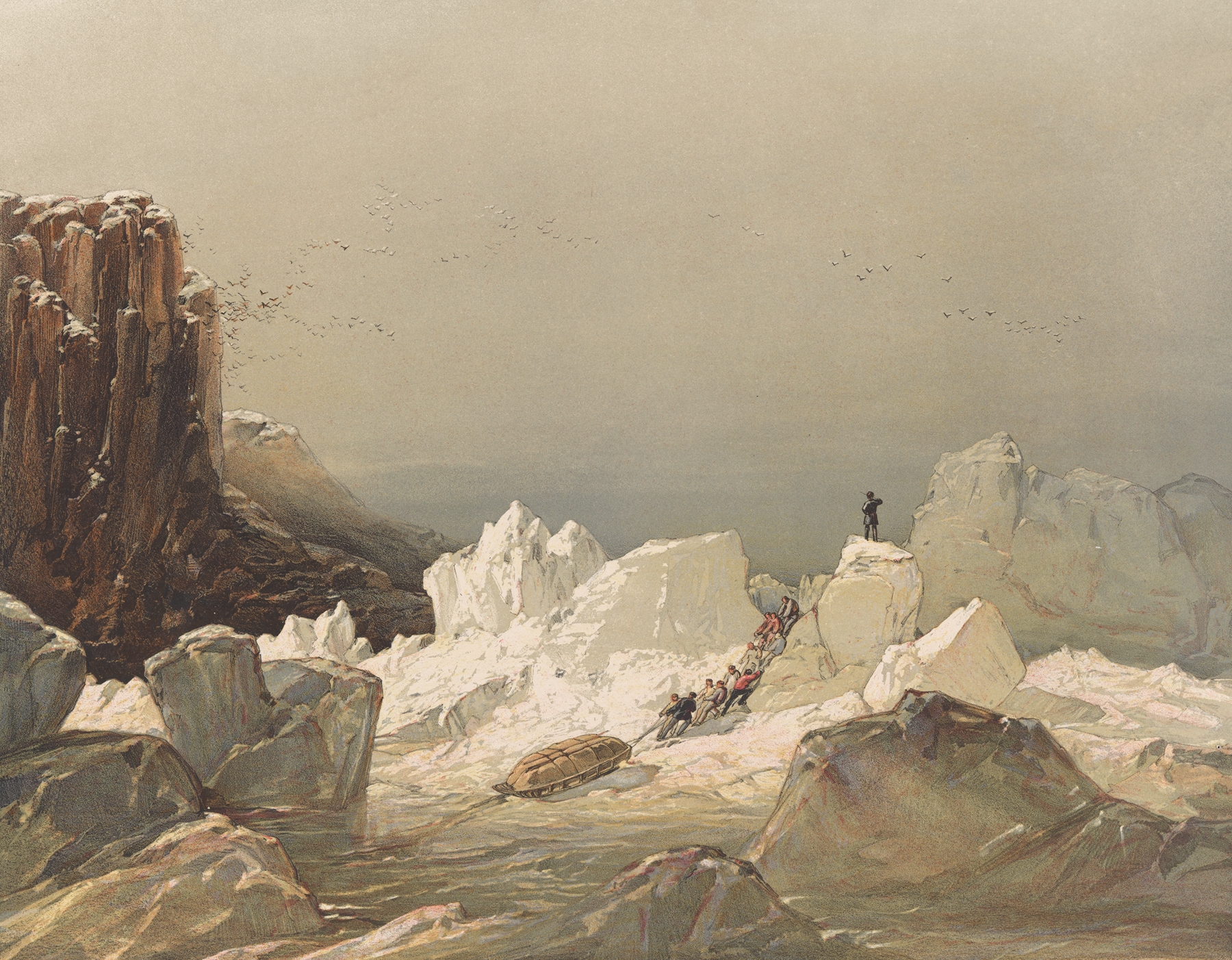
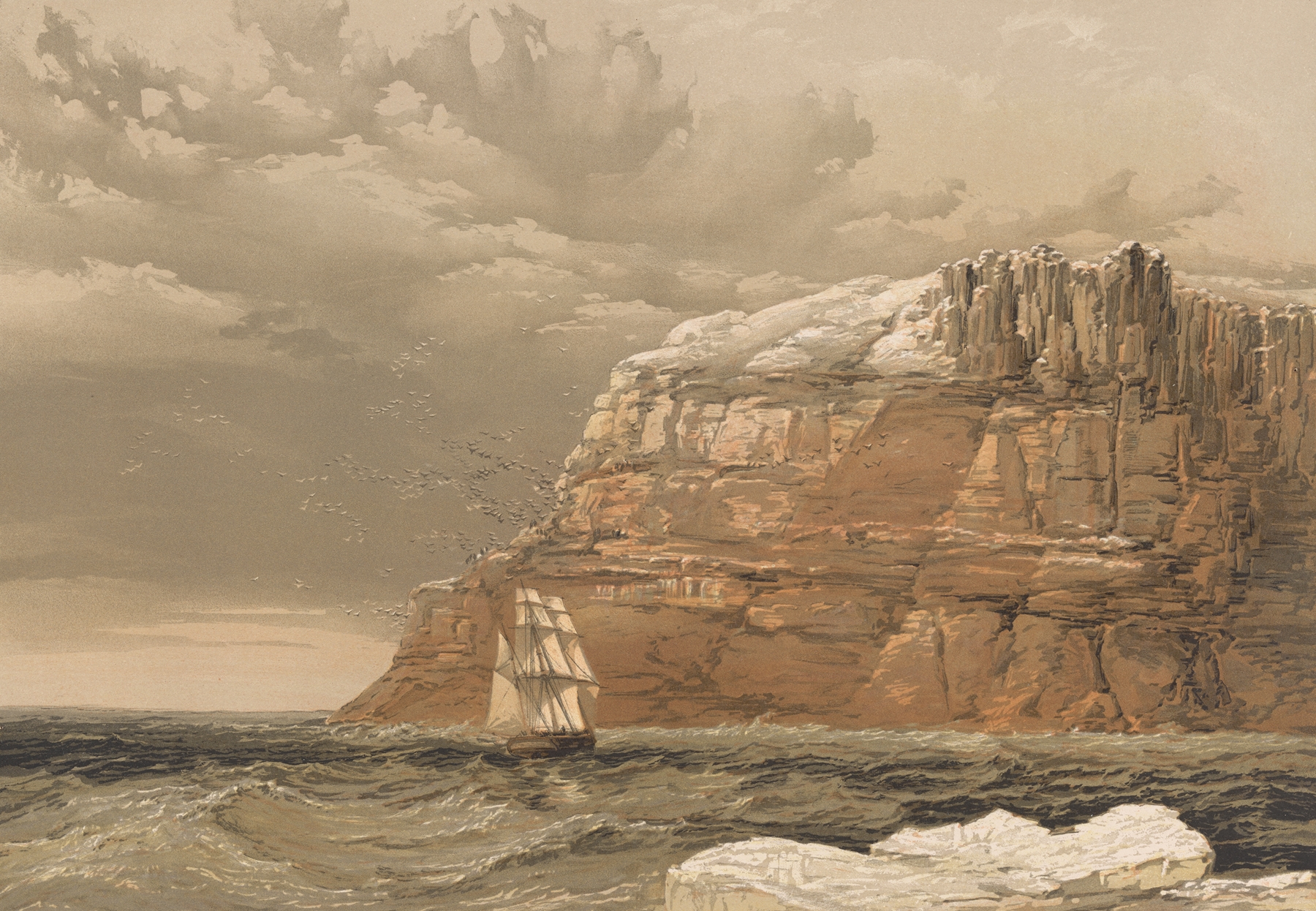
“Art reveals the soul when the world turns away.” In the hushed moments between adventure and discovery, color becomes a language of its own, unveiling stories hidden beneath the surface. Focus on the vibrant blues and greens enveloping the scene, drawing your eyes to the ship anchored amidst the rugged coastline. The sharp contrast between the cool tones of the water and the warm, earthy hues of Baring Island creates a harmony that speaks to both serenity and tension. Notice the meticulous detailing in the rigging of the Investigator, which stands as a testament to human endeavor against the vast wilderness. Each stroke of the brush captures not just the ship’s physical presence but its historical significance as a vessel on the brink of exploration.
Delve deeper into the interplay of light and shadow, which serves to evoke a sense of isolation and the unknown. The gentle ripples in the water reflect the artist’s keen eye for the subtlety in nature, suggesting both the calm before the storm and the anticipation of discovery. Cresswell’s choice of palette evokes emotions tied to exploration—the promise of adventure tempered with the somber weight of uncertainty. The ship, while a beacon of progress, also hints at the perilous nature of the uncharted.
In 1854, Samuel Gurney Cresswell created this work while living amidst the fervor of maritime exploration. A member of the British Royal Navy, he had experienced the raw beauty and terror of the Arctic firsthand. The mid-19th century was a transformative era for polar exploration, driven by the quest for knowledge and trade routes. Cresswell’s painting captures this spirit, commemorating a pivotal moment in both his life and the broader narrative of exploration during that time.