First Discovery of Land by H.M.S. Investigator — History & Analysis
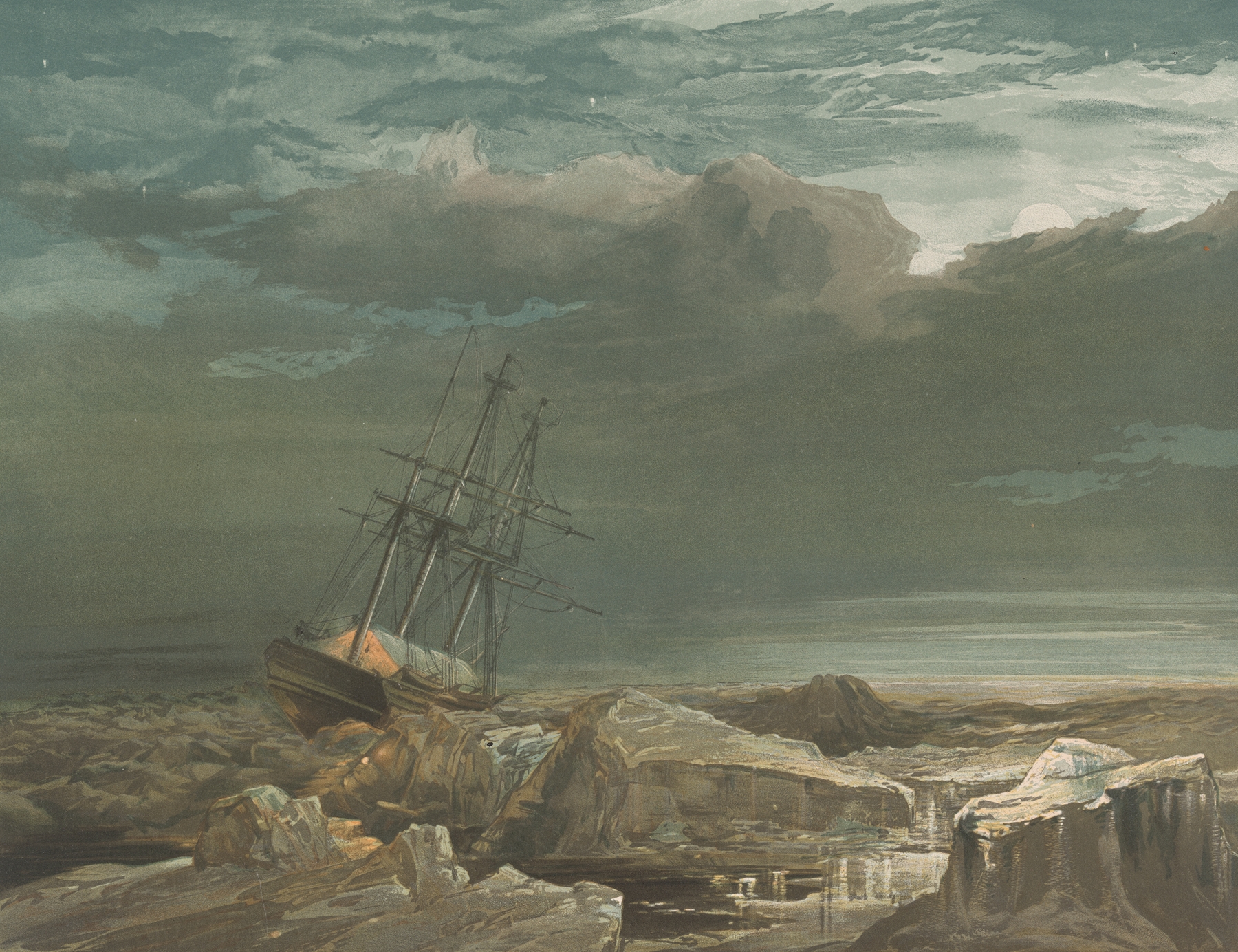
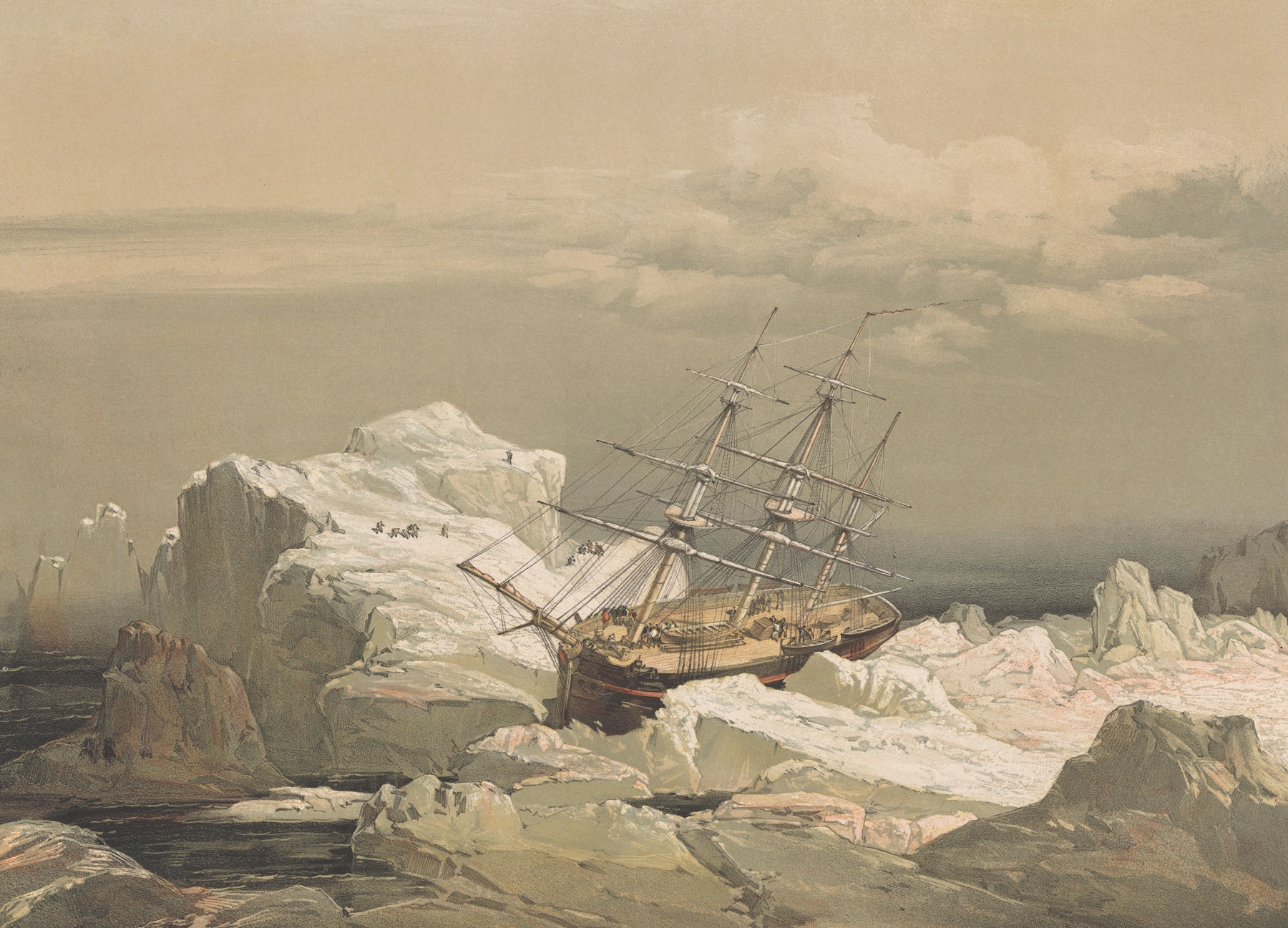
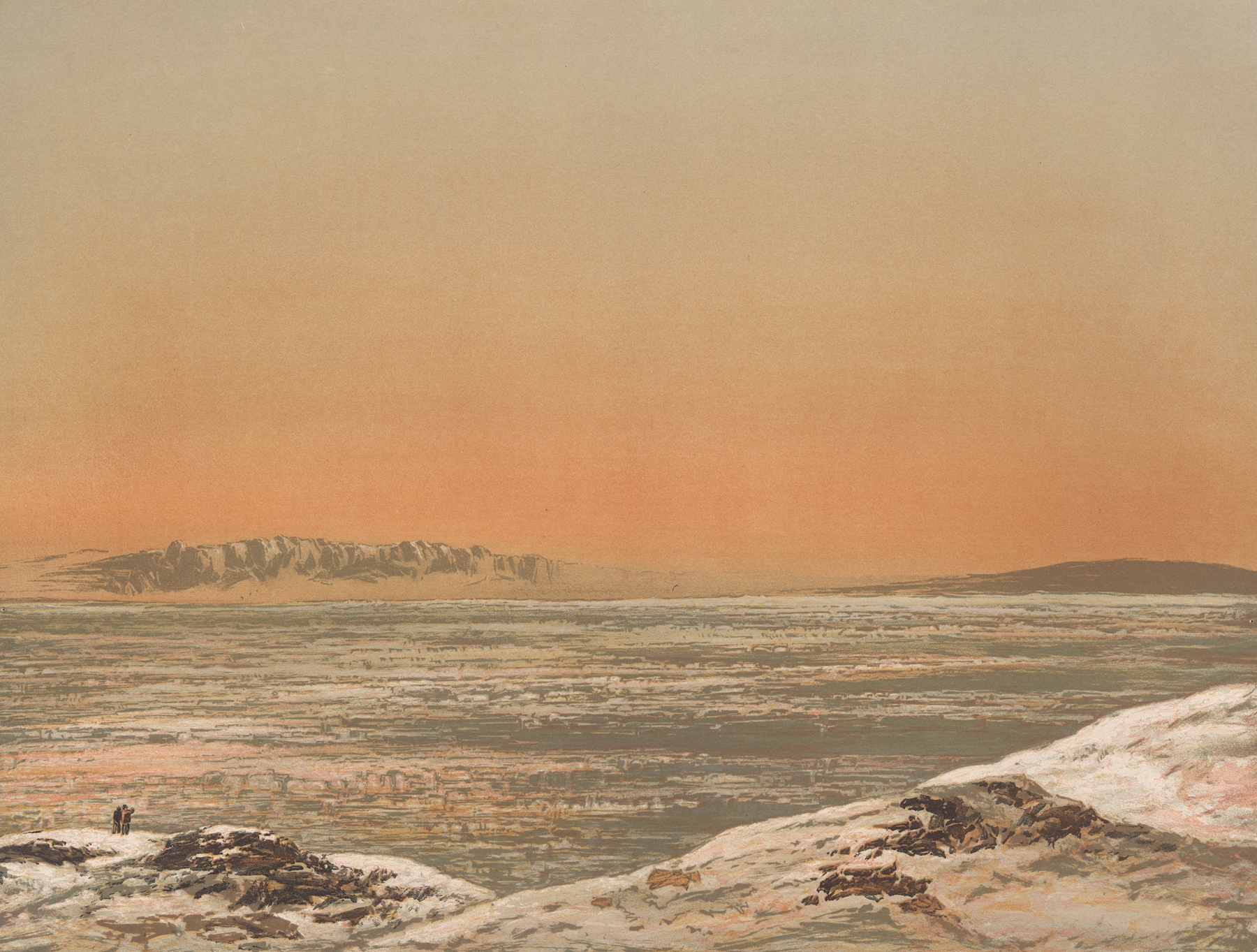
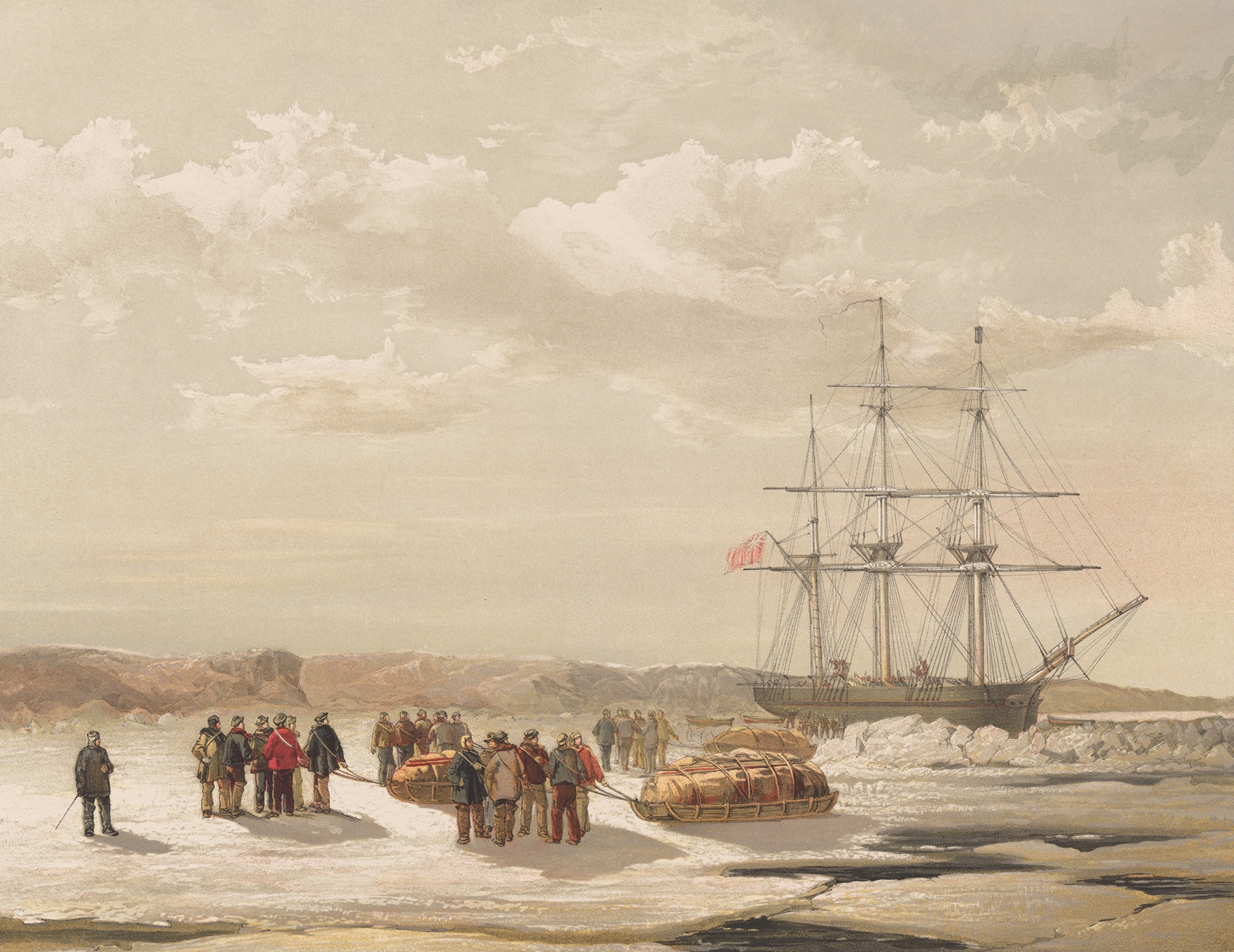
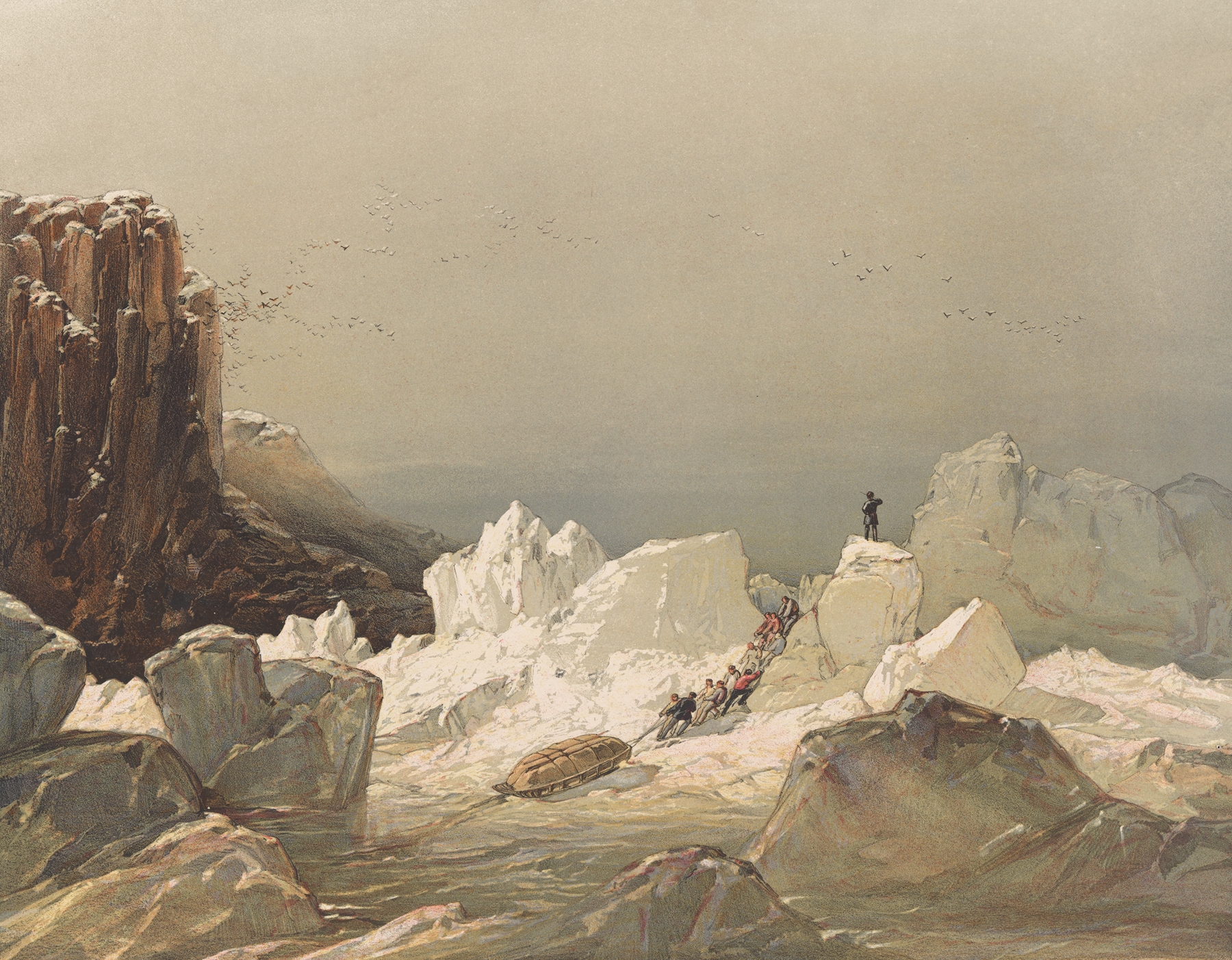
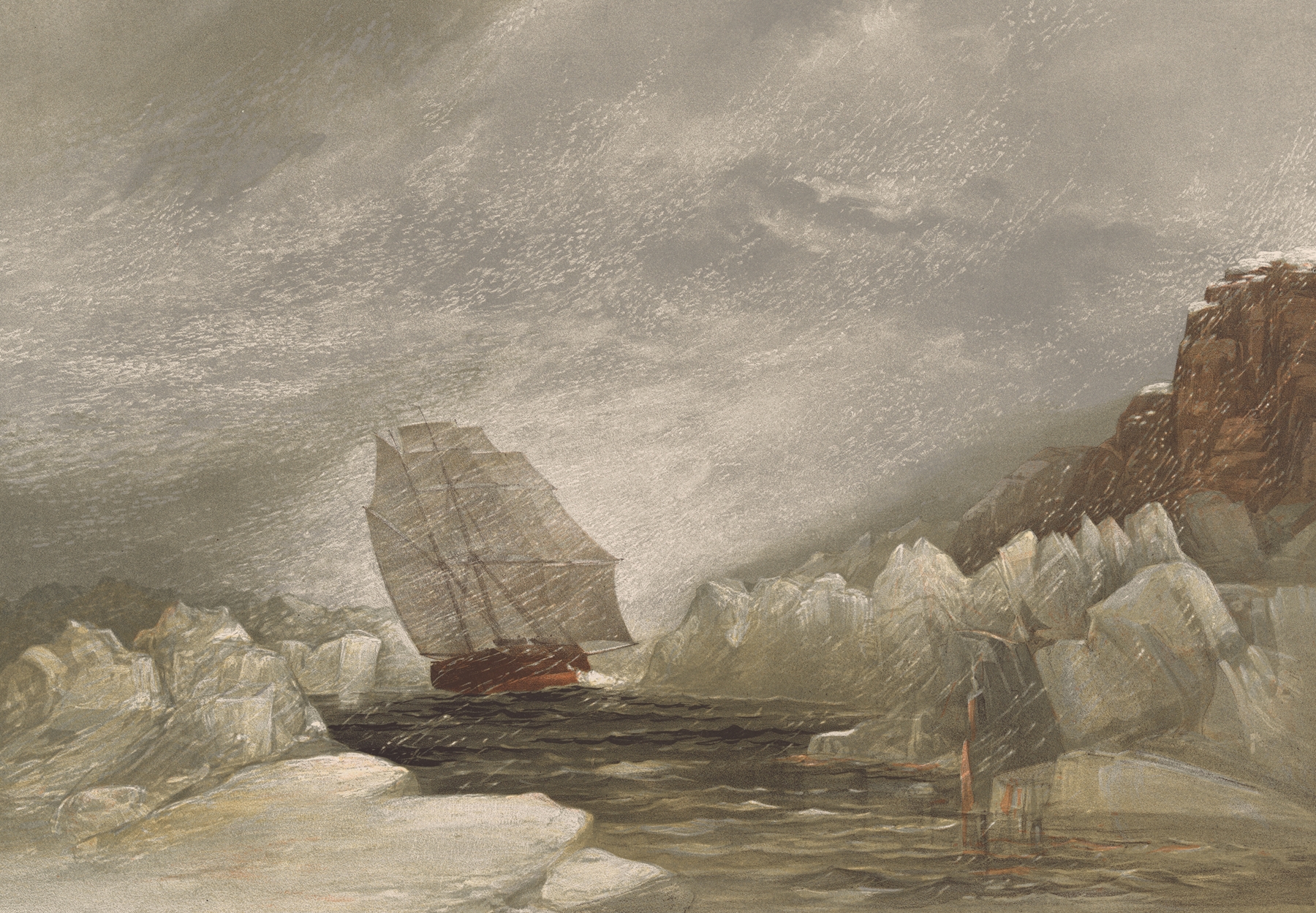
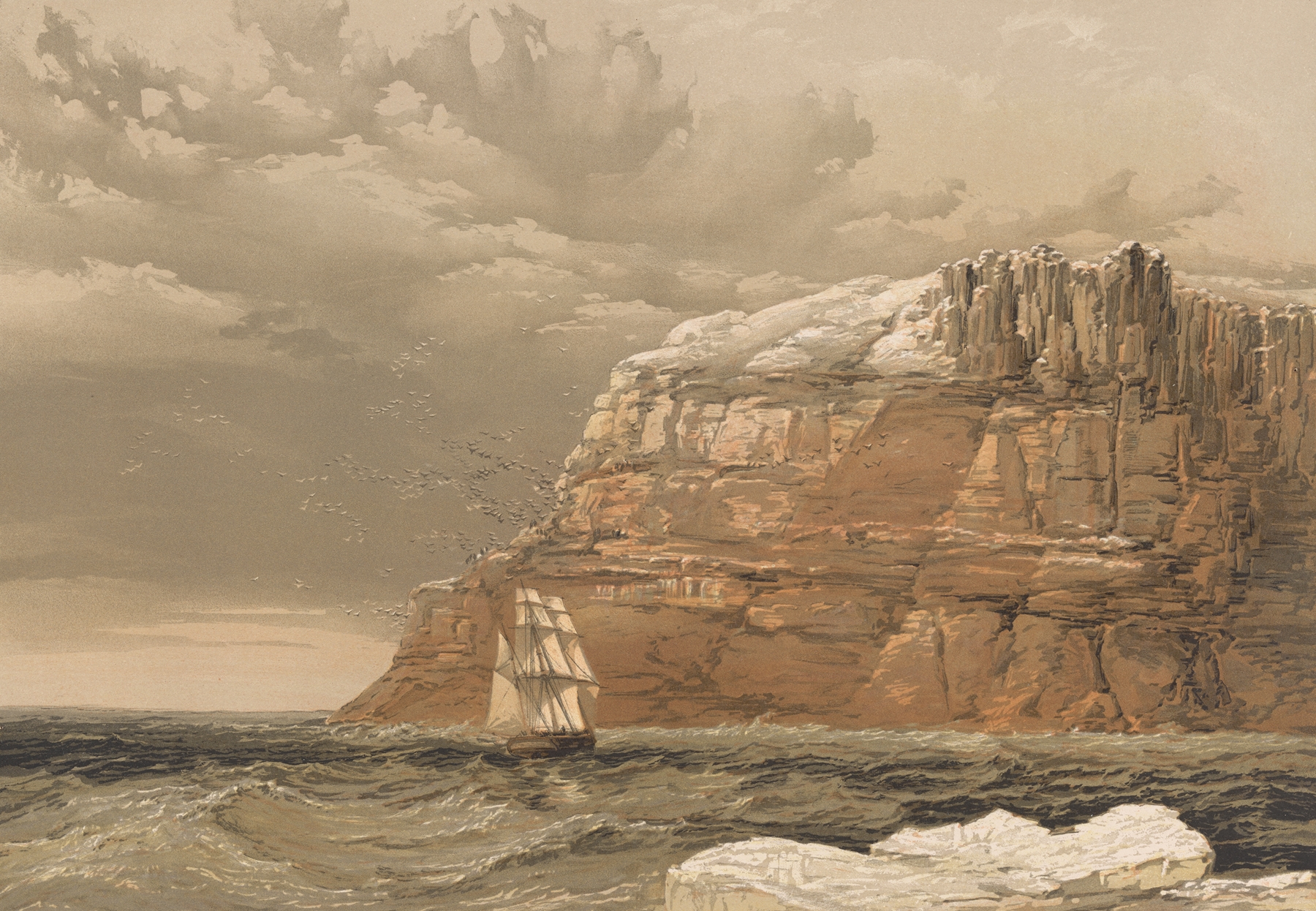
Could beauty survive in a century of chaos? In 1854, following years of exploration and hardship, a moment of triumph emerges from the icy expanse—a steadfast ship, the H.M.S. Investigator, thrusting toward the unknown horizon, its sails unfurling like a promise against the sprawling, untamed wilderness. Focus on the majestic ship anchored against the backdrop of jagged cliffs, where the cool blues of the ocean meet the stark greens of the land.
Notice how the sunlight bathes the scene, casting long shadows that dance across the deck and glimmer off the water, inviting the viewer into a world ripe with potential. The meticulous brushwork captures the rugged texture of the rock formations and the billowing sails, infusing the painting with a sense of movement, as if the Investigator is poised to embark on its next great adventure. Beneath this surface of exploration lies a deeper narrative of resilience and discovery. The contrast between the ship's human craftsmanship and the wild, indomitable nature surrounding it speaks to the tension between civilization and the wilderness.
The artwork encapsulates a fleeting moment of awe—highlighting not just the triumph of discovery, but the inherent beauty and fragility of the world that explorers sought to unveil. In 1854, amidst the fervor of the Victorian age, Gurney Cresswell created this piece while grappling with the vastness of the Arctic and the implications of colonialism. As a marine artist, he sought to document the landscapes that defined exploration, reflecting both the triumphs and challenges of human ambition in a rapidly changing world.