Broken-Ink Landscape (Haboku sansui zu) — History & Analysis
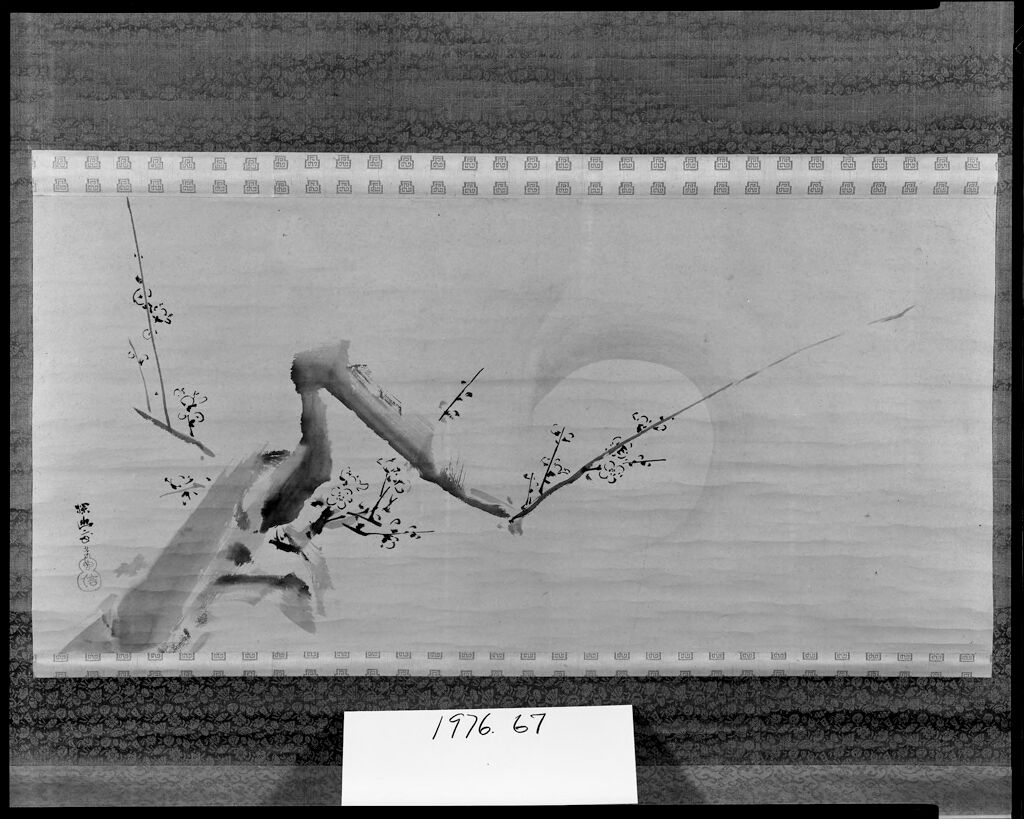
“To paint is to remember what time wants us to forget.” In the delicate layers of color and form, the essence of memory and moment intertwines beautifully. Focus on the subtle wash of ink that flows through the canvas, drawing your eye across the stark contrasts of light and shadow. The soft, muted hues whisper of distant mountains and tranquil waters, while the bold strokes invite exploration into the depths of the scene. Notice how the artist employs the haboku technique, blending ink with water to create a sense of fluidity and movement that mirrors the passage of time itself.
Hidden within the seemingly serene landscape is an emotional dialogue between chaos and calm. The jagged edges of the mountain peaks imply a tension with the smoothness of the water below, suggesting a balance that is both fragile and enduring. Each brushstroke holds a narrative, revealing the artist’s inner world and the conflict between nature’s majesty and the ephemeral nature of existence.
Kano Tan'yū created Broken-Ink Landscape during the early Edo period in Japan, a time when traditional art forms were evolving and the influence of Zen Buddhism permeated artistic expression. Residing in a bustling cultural environment, he was part of a lineage of painters dedicated to preserving and innovating classical techniques. This period marked a pivotal moment in Japanese art, as artists navigated the intersection of personal expression and cultural heritage.