Connoisseur's Sketchbook by Kano Tan'yū (Tan'yū shukuzu), Copies of Buddhist Paintings in Two Volumes — History & Analysis
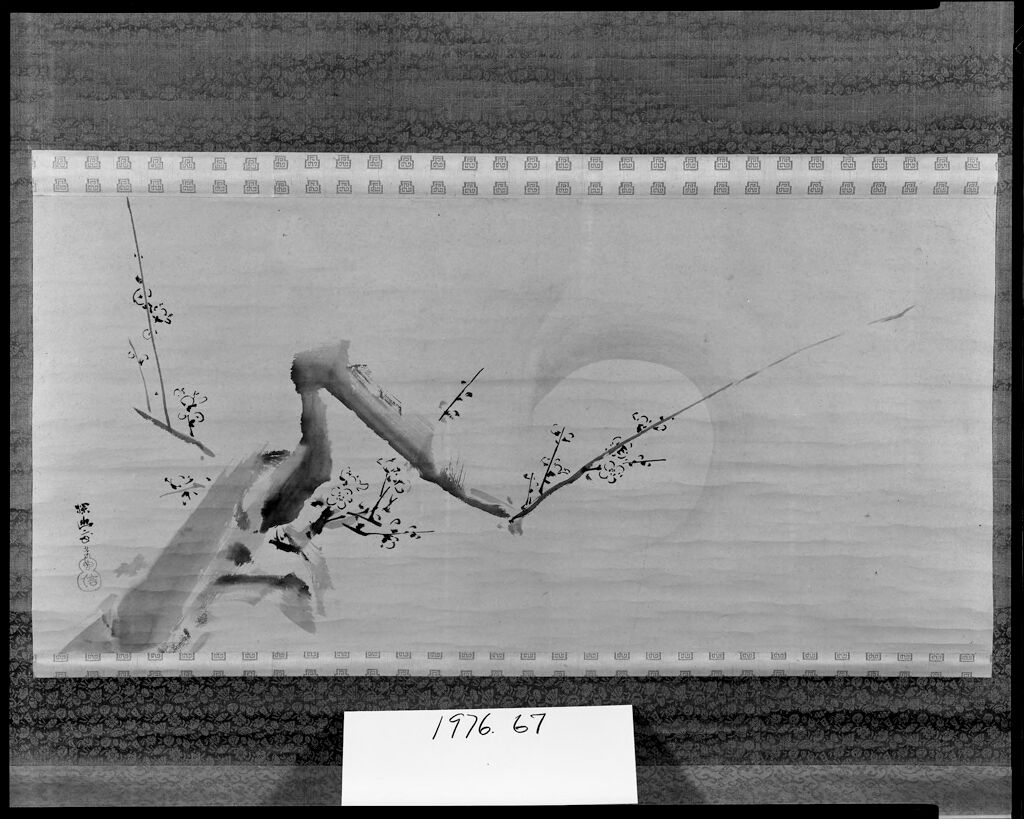
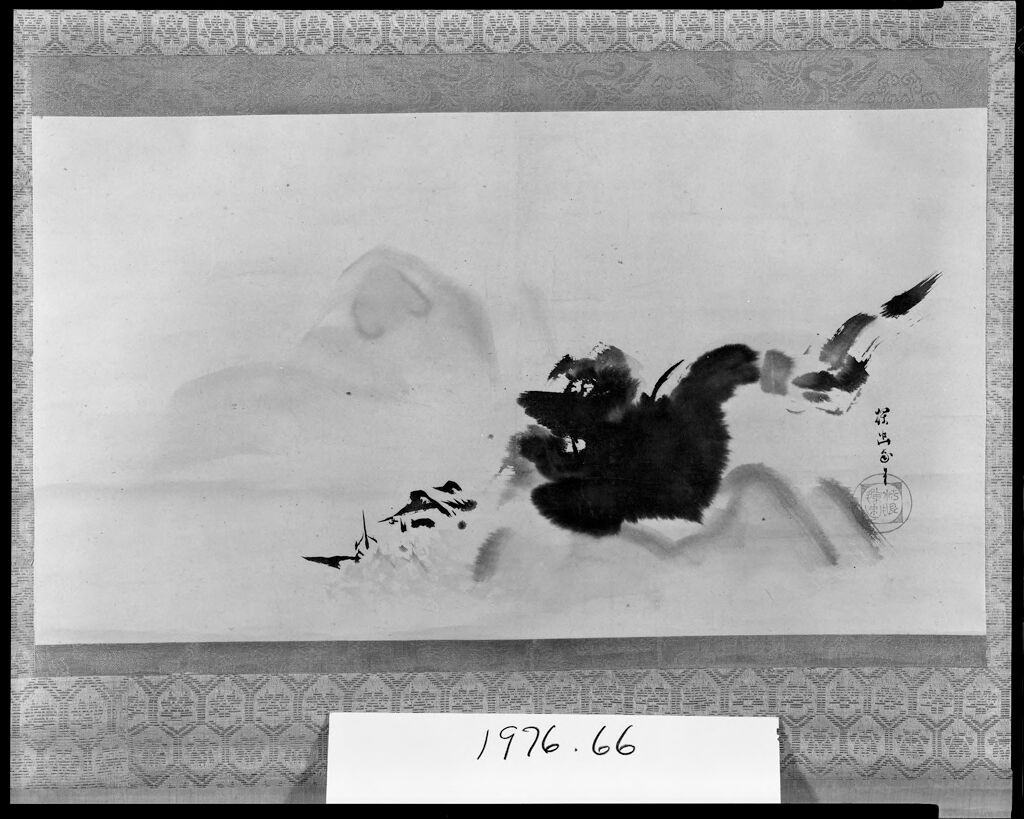
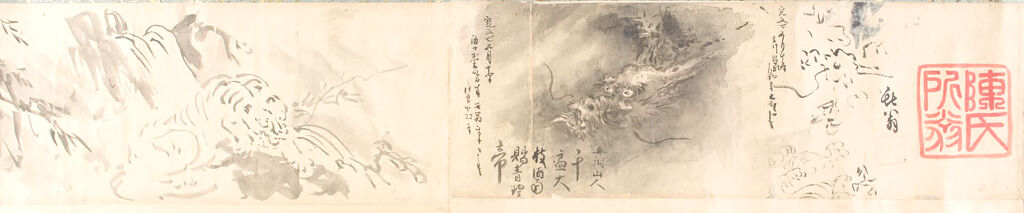
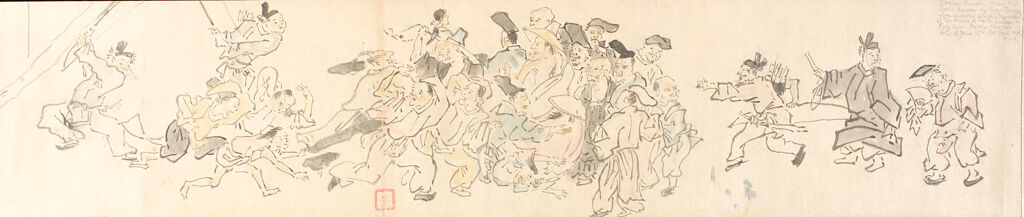
Can beauty exist without sorrow? Within the pages of this exquisite sketchbook, the delicate balance of nature and spirituality unfolds, inviting contemplation on the nuances of life. Look closely at the intricate brushstrokes that dance across the paper; each line is a testament to skill, guiding the viewer’s eye from the ethereal landscapes to the serene figures entwined within. Notice how the muted colors of ink evoke a calmness, while the subtle variations in shading create depth, bringing to life the tranquility of Buddhist motifs.
The composition is meticulously arranged, reflecting a harmony that transcends mere representation. Yet beneath this surface lies a tension, a paradox of existence. The serene figures, poised in meditation, suggest an inner peace, yet their stillness hints at the weight of unvoiced struggles, echoing the transient nature of life itself. Delicate floral elements weave through the scenes, signifying both beauty and the inevitable decay that accompanies it, inviting a reflection on the bittersweet experience of time.
In 1668, Kano Tan'yū created this work during a period of artistic flourishing in Japan’s Edo era, where the Kano school was at the forefront of traditional painting. His life was marked by a return to classical themes and a desire to elevate Buddhist art, as he endeavored to capture spiritual essence through visual clarity. This sketchbook serves not only as an artistic endeavor but also as a personal journey, reflecting the cultural zeitgeist of an era deeply intertwined with the search for serenity amidst life's complexities.