Sketches of the Ten Kings of Hell (Jūō zu) — History & Analysis
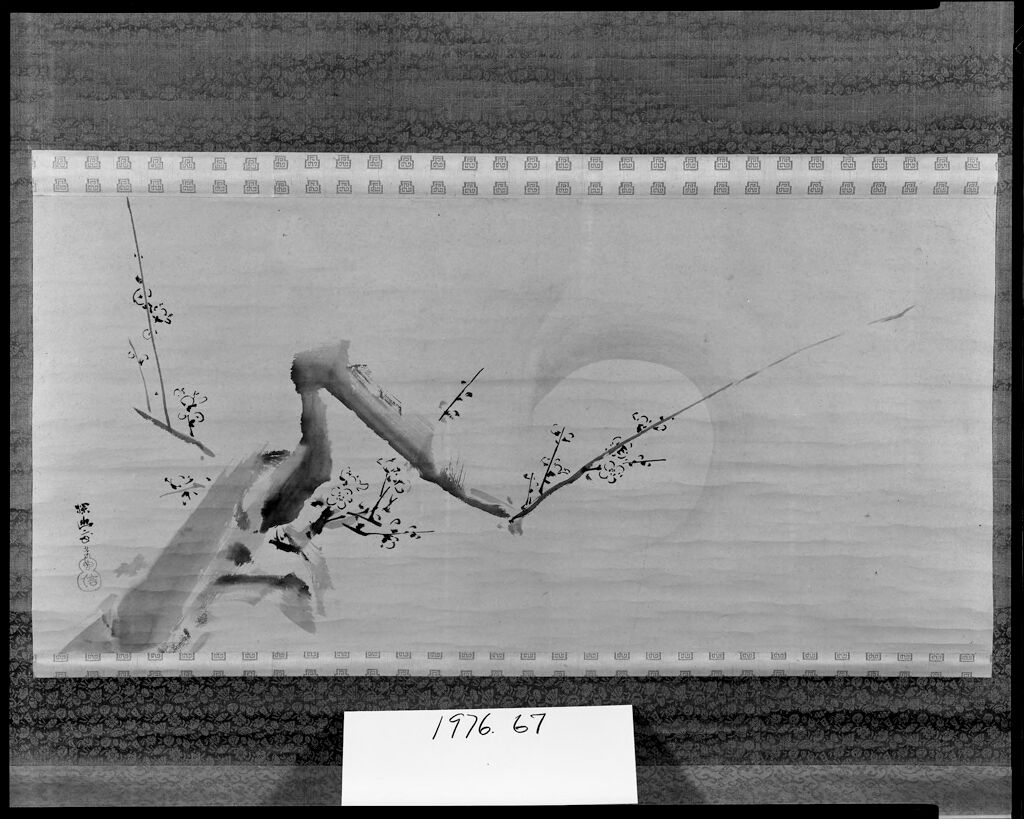
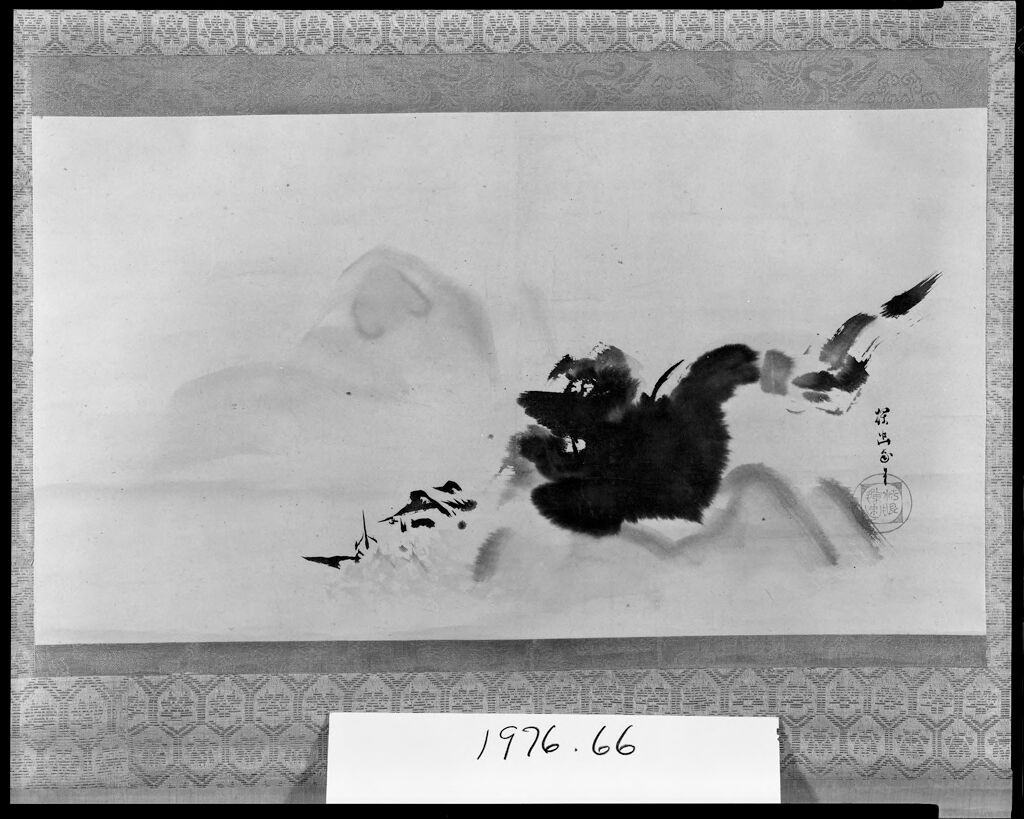
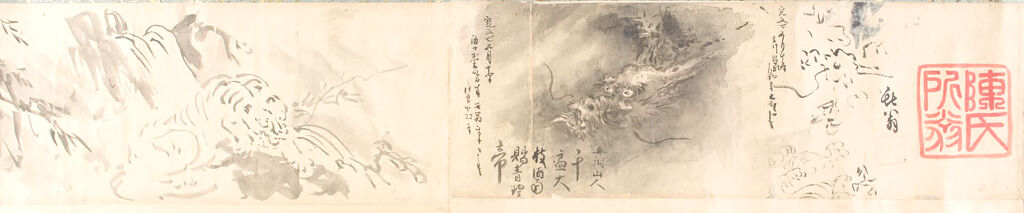
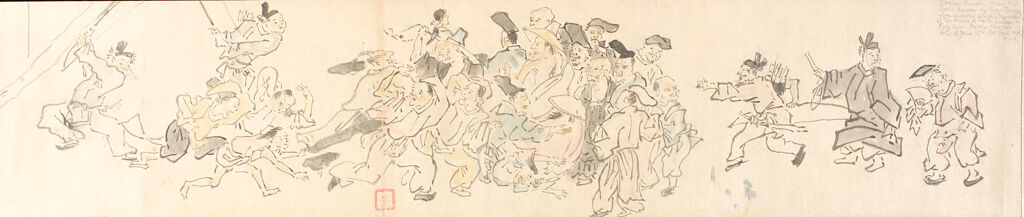
Where does light end, and longing begin? In the delicate interplay of ink and paper, time itself seems to pause, inviting contemplation and awe. Focus first on the intricate details that adorn each figure, the Ten Kings rendered with an almost ethereal precision. Notice how the fluid brushstrokes capture both the sorrow and dignity of their expressions, revealing a deep empathy for the souls they govern.
The muted palette of earthy tones enhances the solemnity of the scene, while subtle highlights evoke the interplay of light and shadow, creating an otherworldly ambiance. Within this composition lies a profound exploration of morality and consequence. Each king, with their unique attributes and postures, embodies the weight of judgment, while the carefully arranged elements suggest a hierarchy of fate. The void surrounding these figures signifies the uncertainty of the afterlife, amplifying the tension between the known and the unknown.
There is a palpable sense of time passing—a reminder of our ephemeral existence amidst the eternal cycle of life and death. Kano Tan'yū created this work in 1658 during the early Edo period, a time when Japan was experiencing a flourishing of culture and the visual arts. This period marked a shift towards more introspective themes in art, reflecting a society grappling with its own moral codes. Tan'yū, a master of ink painting, sought to convey complex spiritual narratives through his craftsmanship, establishing himself as a pivotal figure in the evolution of Japanese art.