Båtbyggeri, Lillesand — History & Analysis
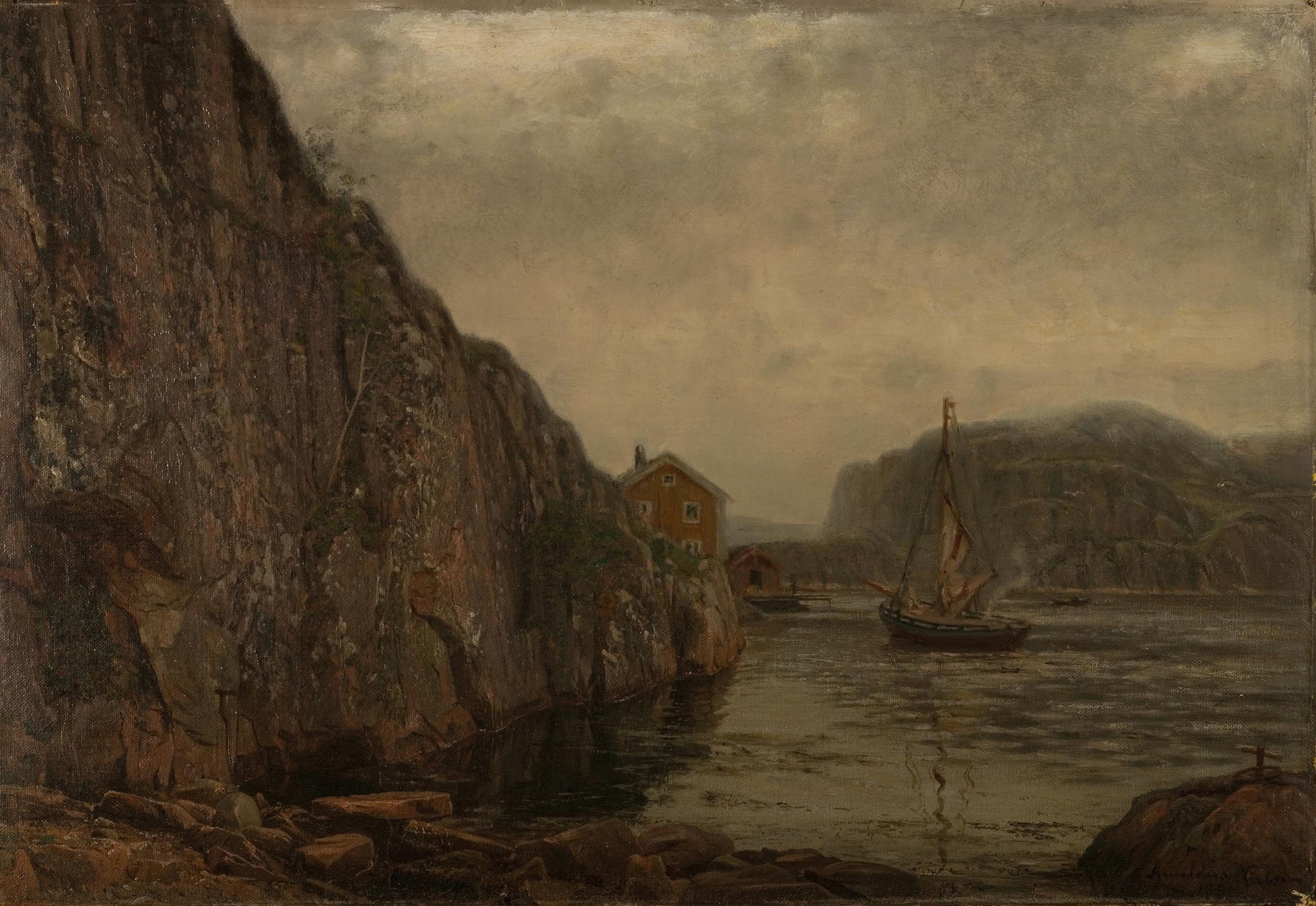
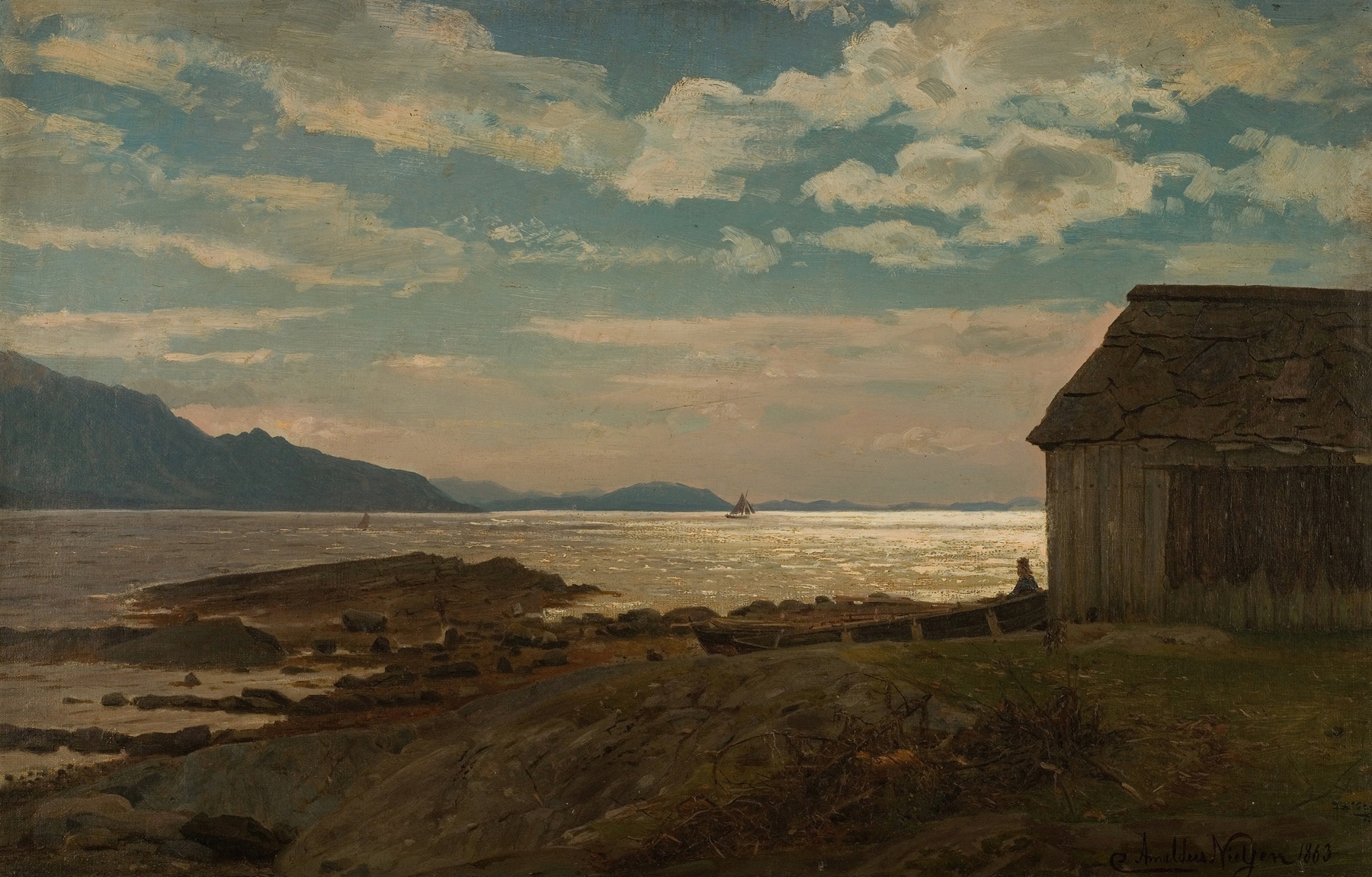
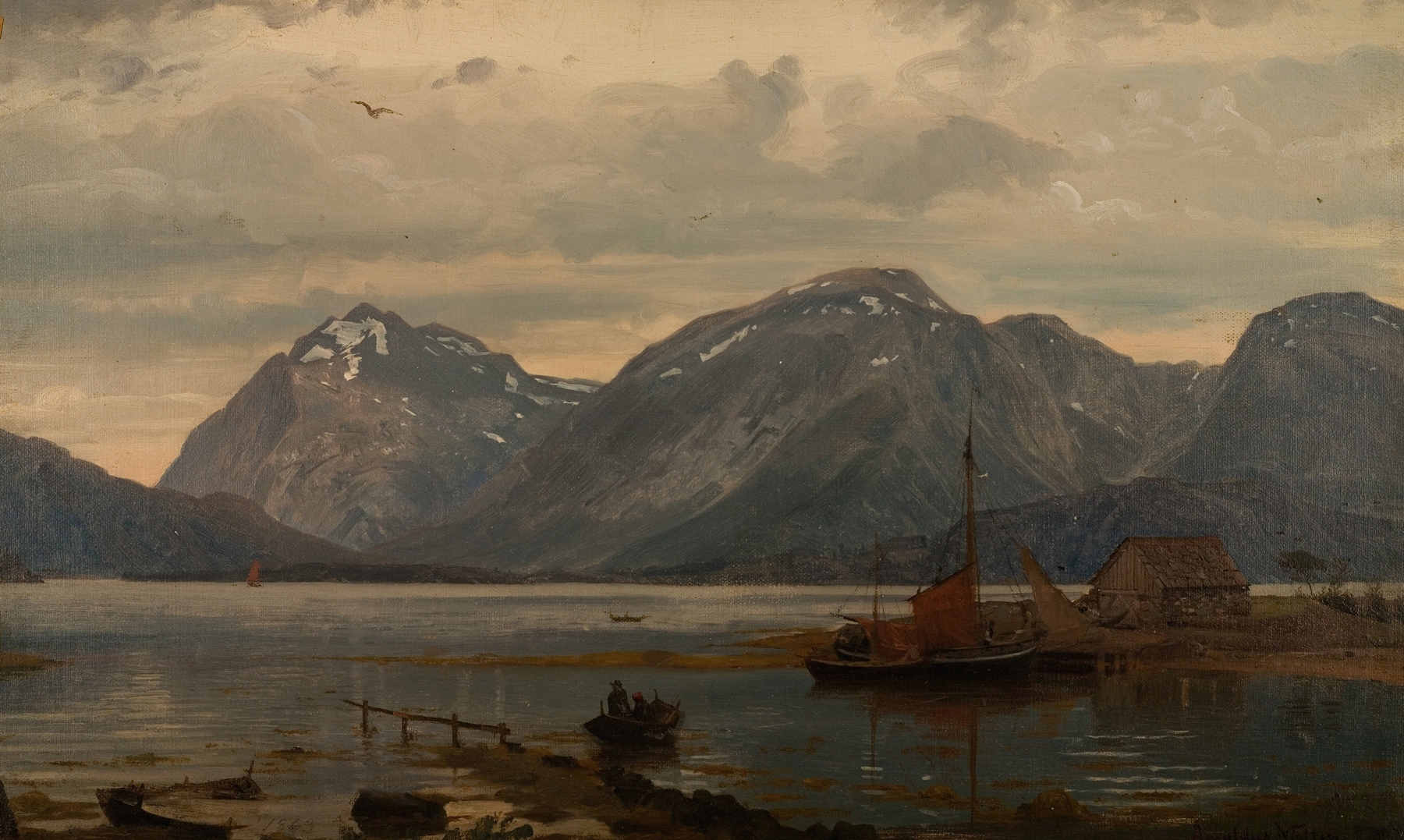
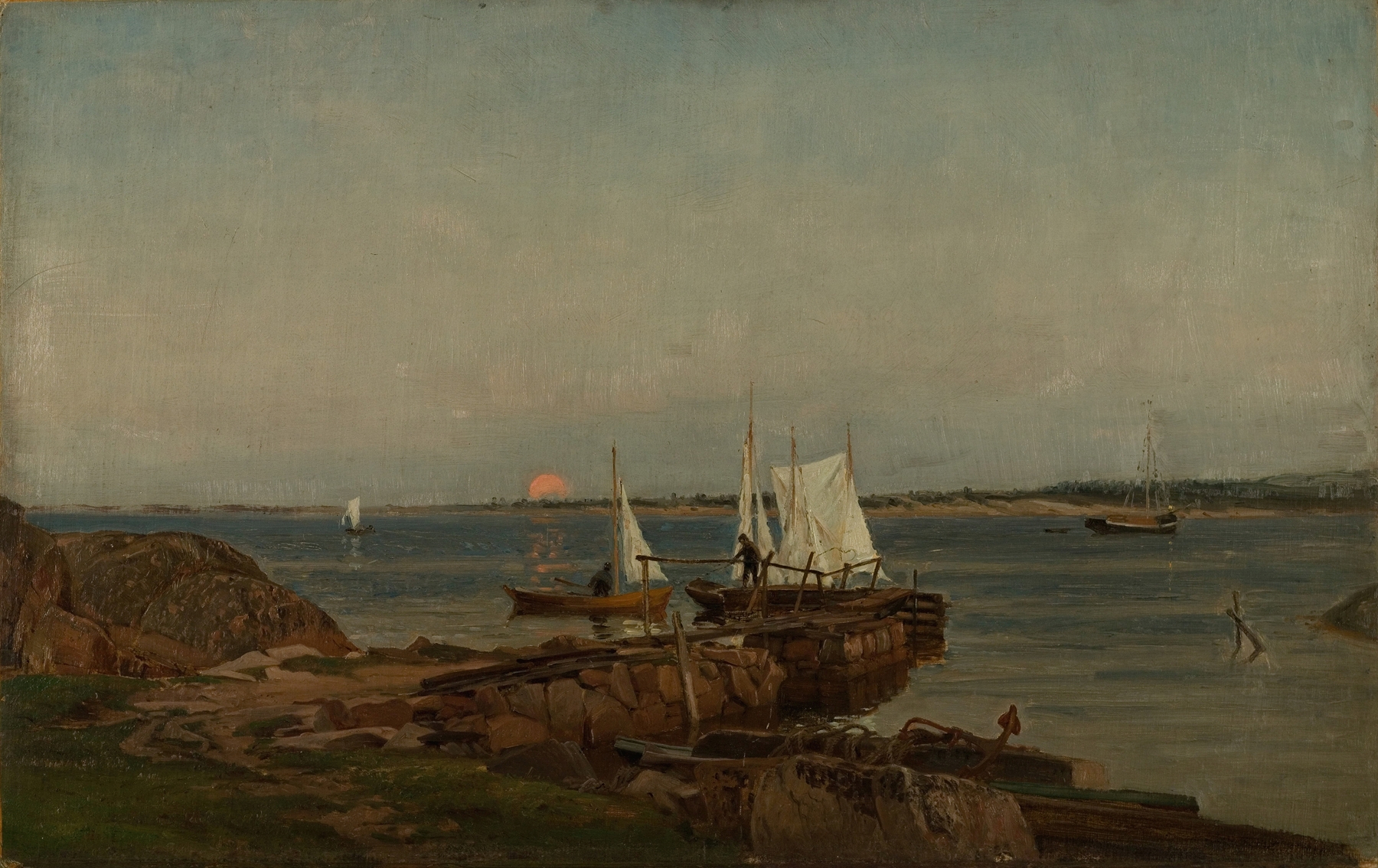
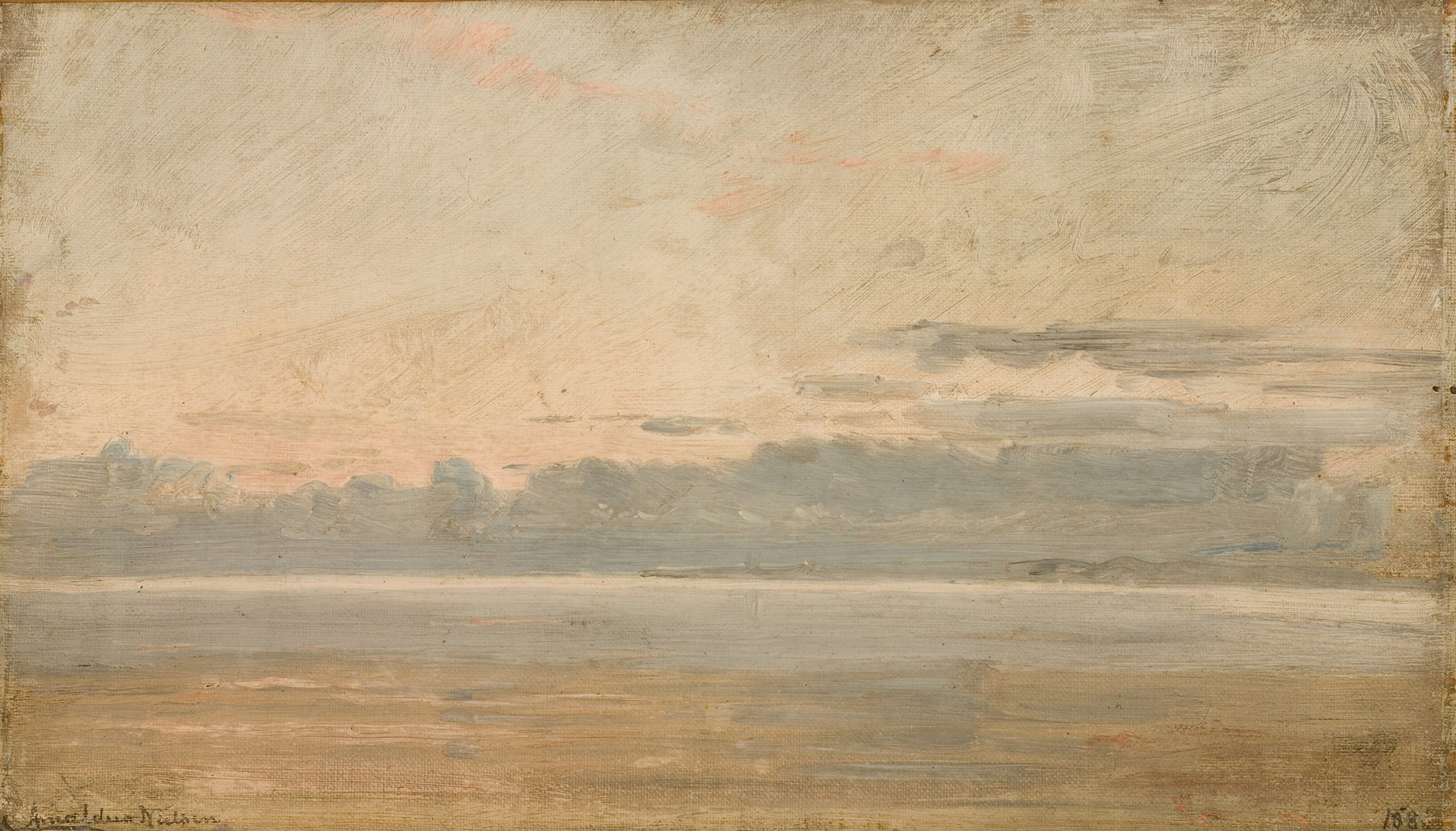
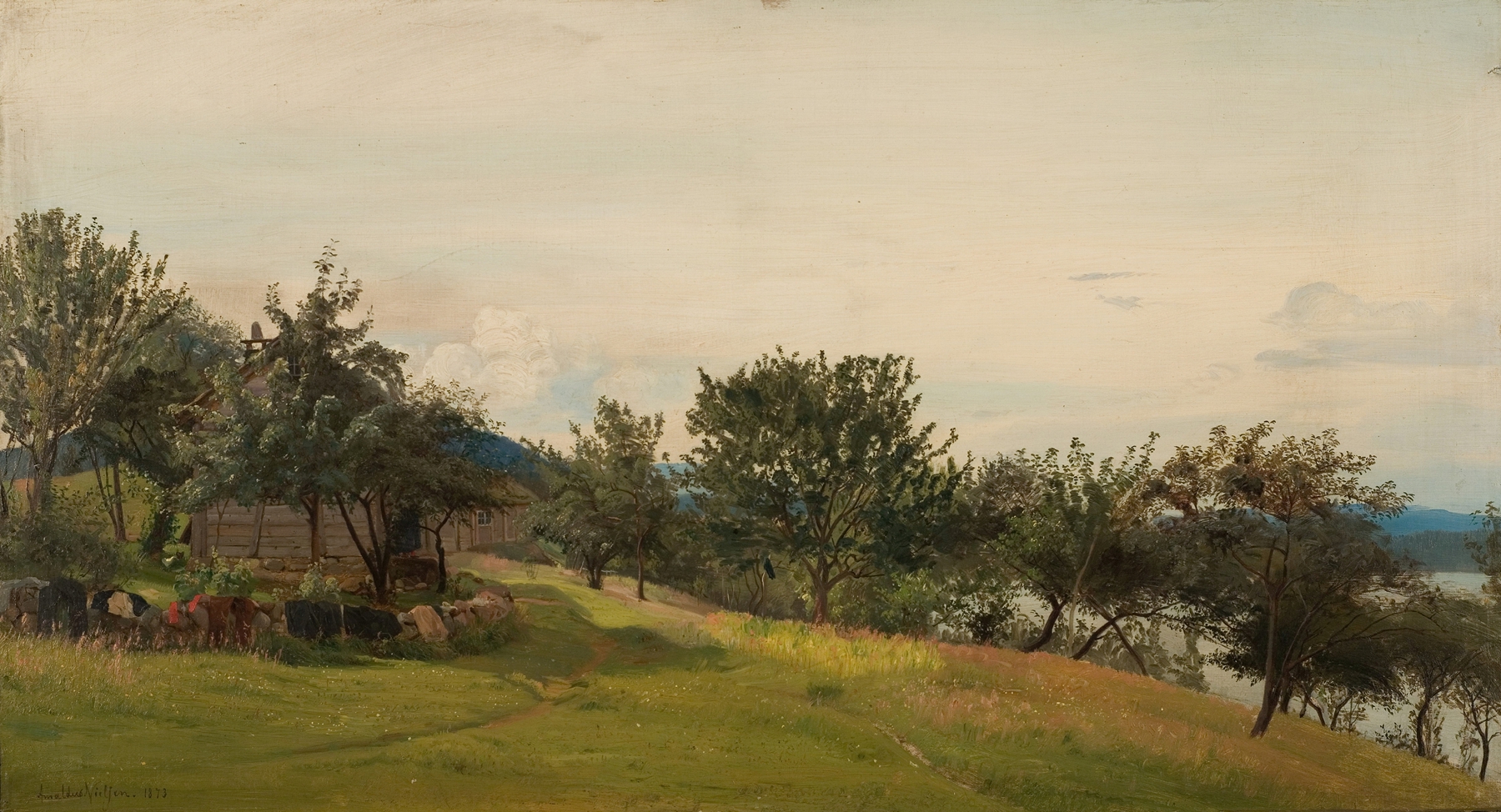
“The canvas doesn’t lie — it simply waits.” In the quiet pause between ambition and reality, betrayal can flourish, and art becomes the keeper of these secrets. Focus on the intricate details of the boatyard, where the craftsmanship of wooden vessels unfolds under the careful hands of artisans. Notice how the sunlight streams through the trees, casting dappled patterns on the ground, creating a vibrant contrast against the muted earth tones of the boats and tools. The composition draws the eye to the central figures, their labor a dance of motion and stillness, as if time itself has momentarily halted to capture their devotion.
Yet, beneath this serene tableau lies a deeper tension. The sturdy boats, symbols of hope and adventure, also evoke the fragility of human relationships — each plank an unspoken word, each tool a shared memory. The juxtaposition of diligent creation and the potential for failure hints at unexpressed emotions, perhaps a betrayal of trust among the workers. The ambiance of toil carries an unvoiced weight; the viewer can sense an impending shift as dreams are crafted alongside shadows of doubt.
In 1858, Amaldus Nielsen painted this work in Norway, a time when the nation was wrestling with its identity and economic challenges. Emerging from the traditions of Romanticism, he sought to capture the essence of daily life, weaving together the personal and the universal. This painting is not only a reflection of the boatbuilding process but also a snapshot of an era marked by transition, both in art and Norway’s evolving cultural landscape.