Utenfor Hvaler — History & Analysis
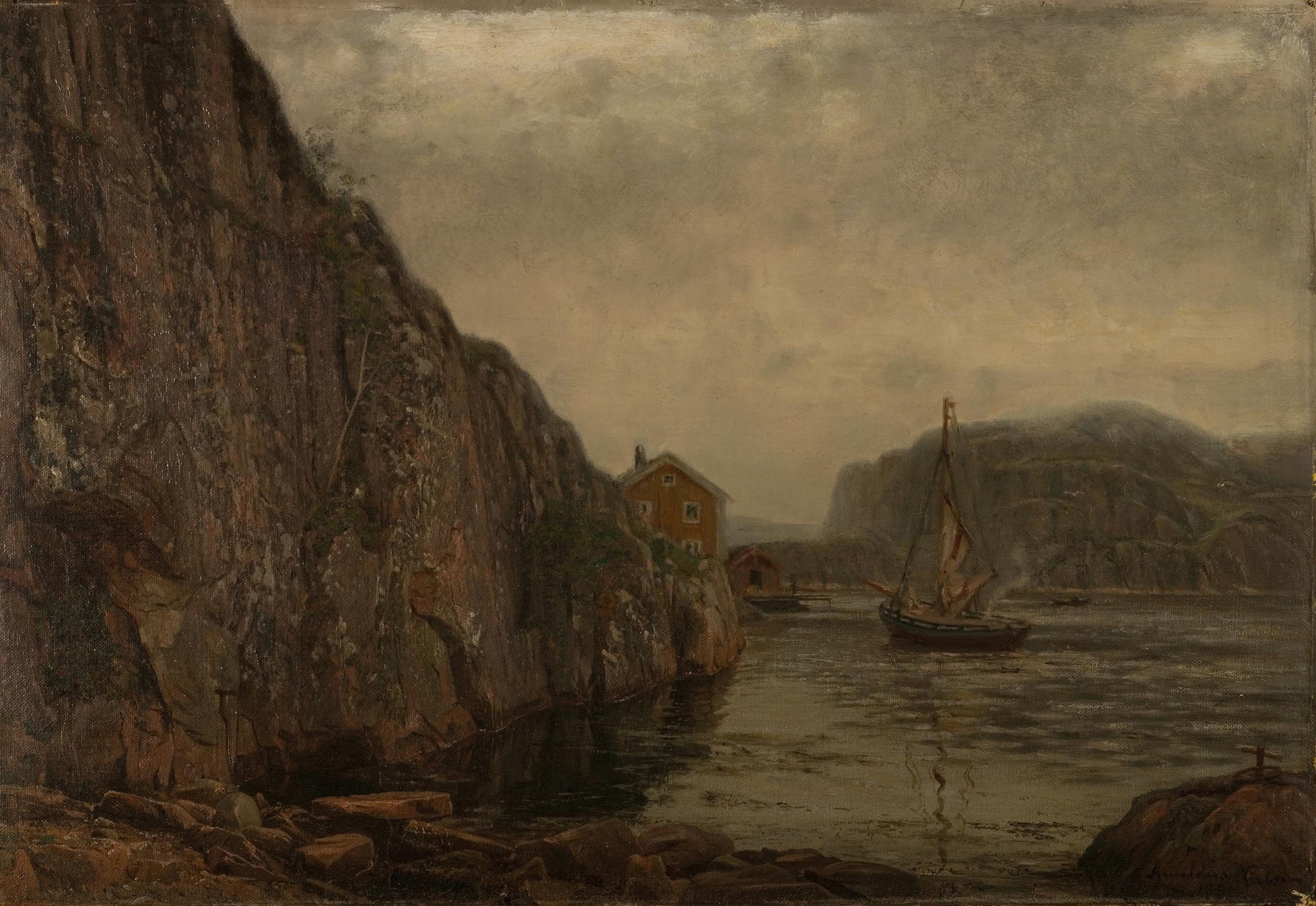
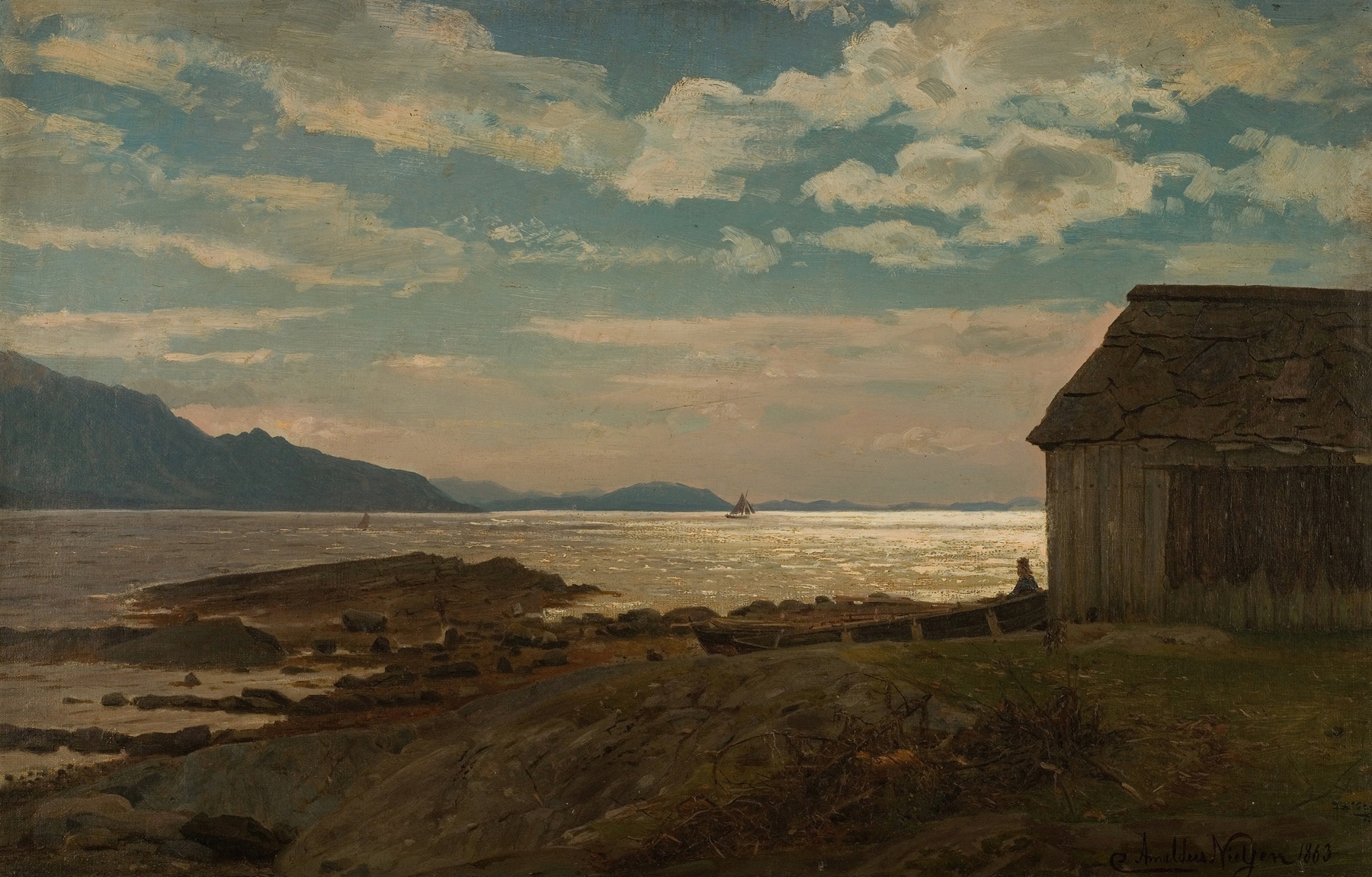
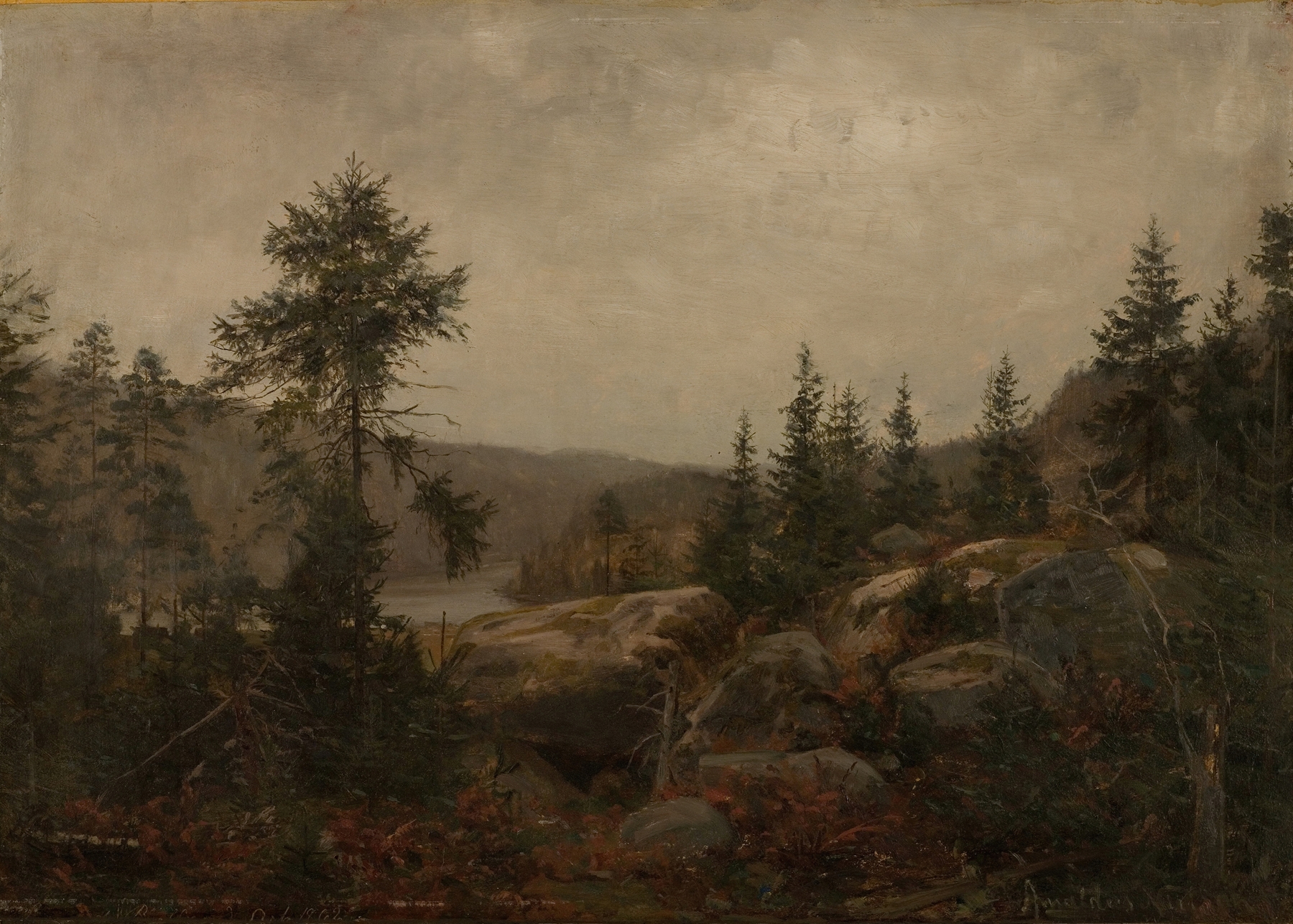
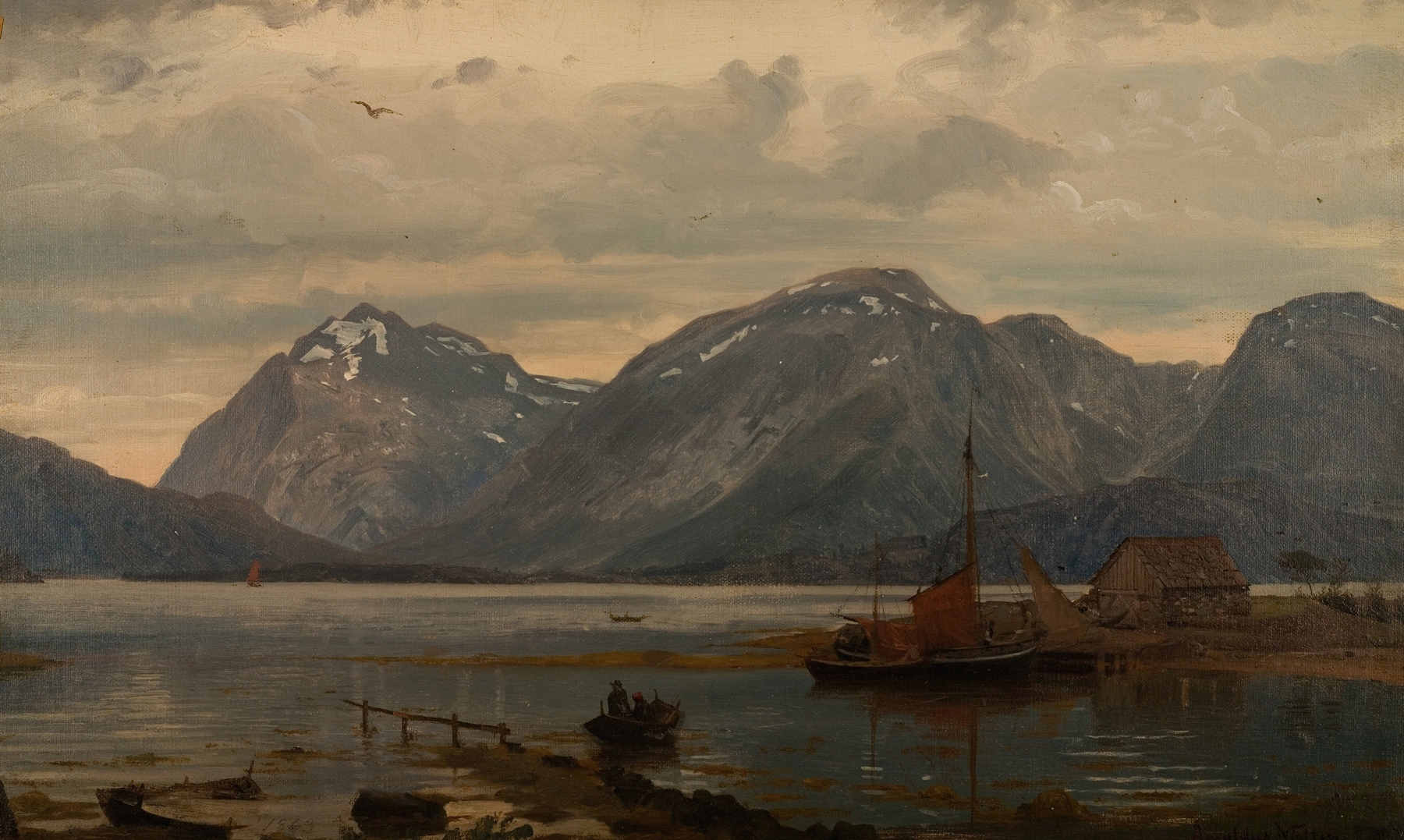
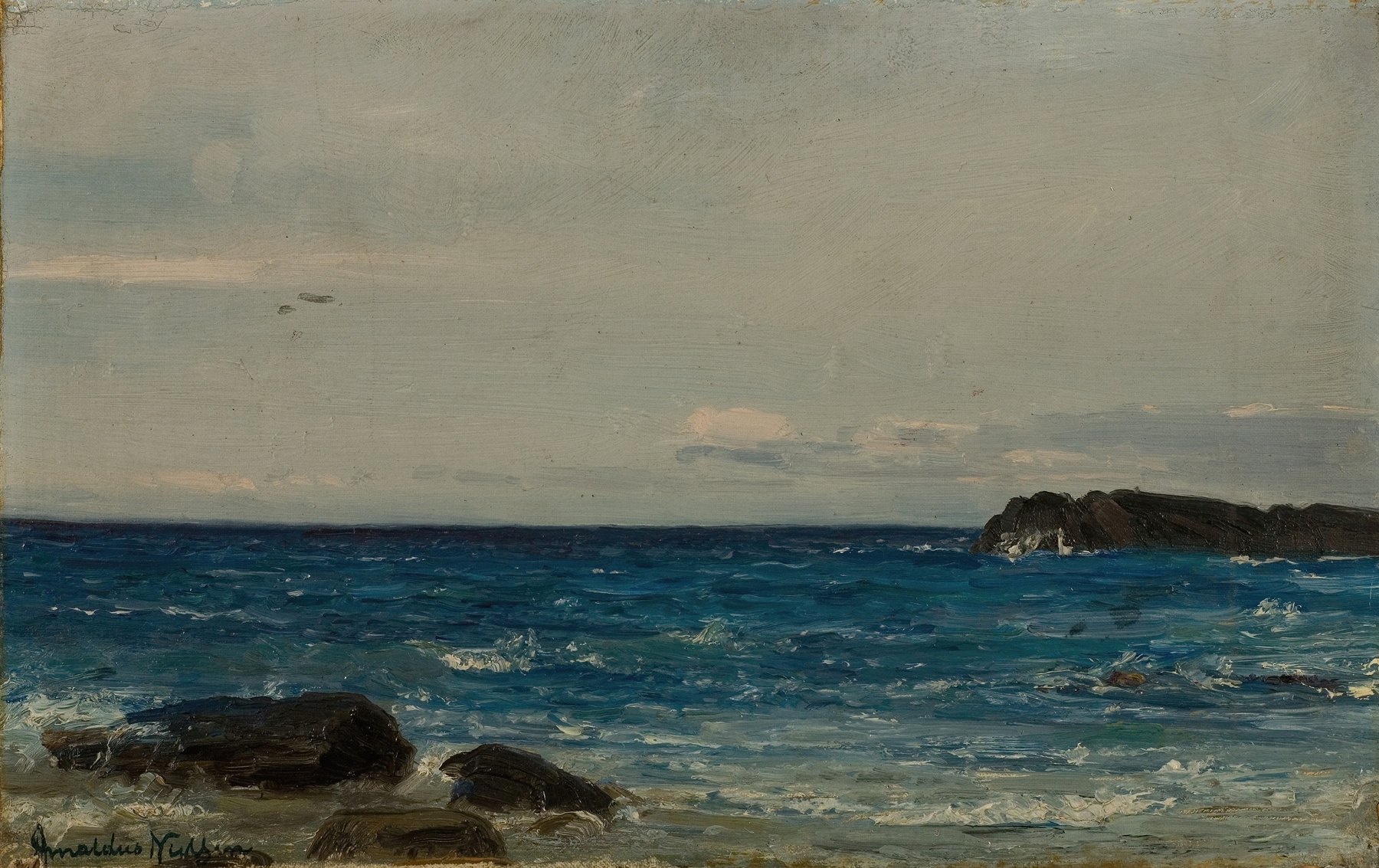
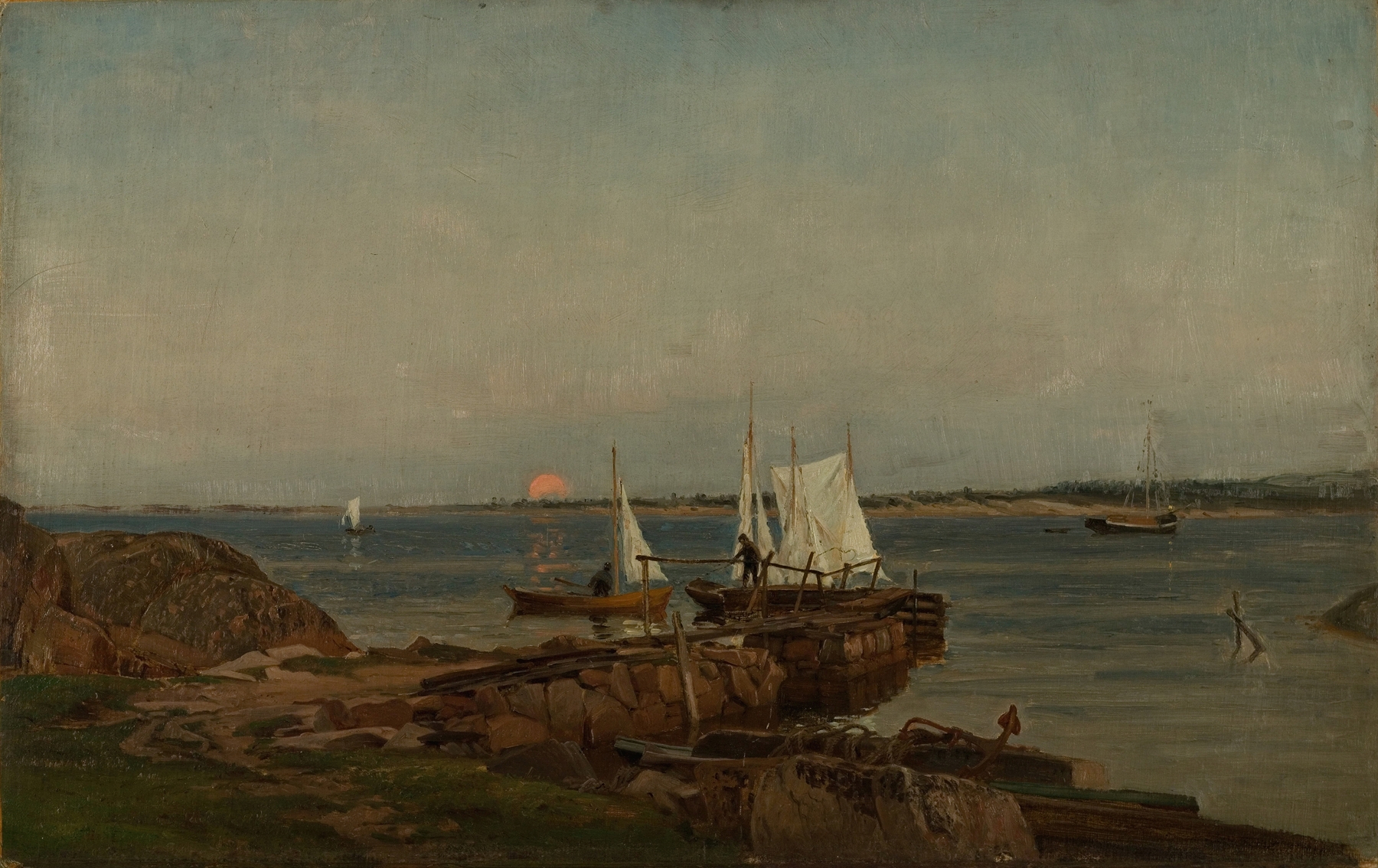
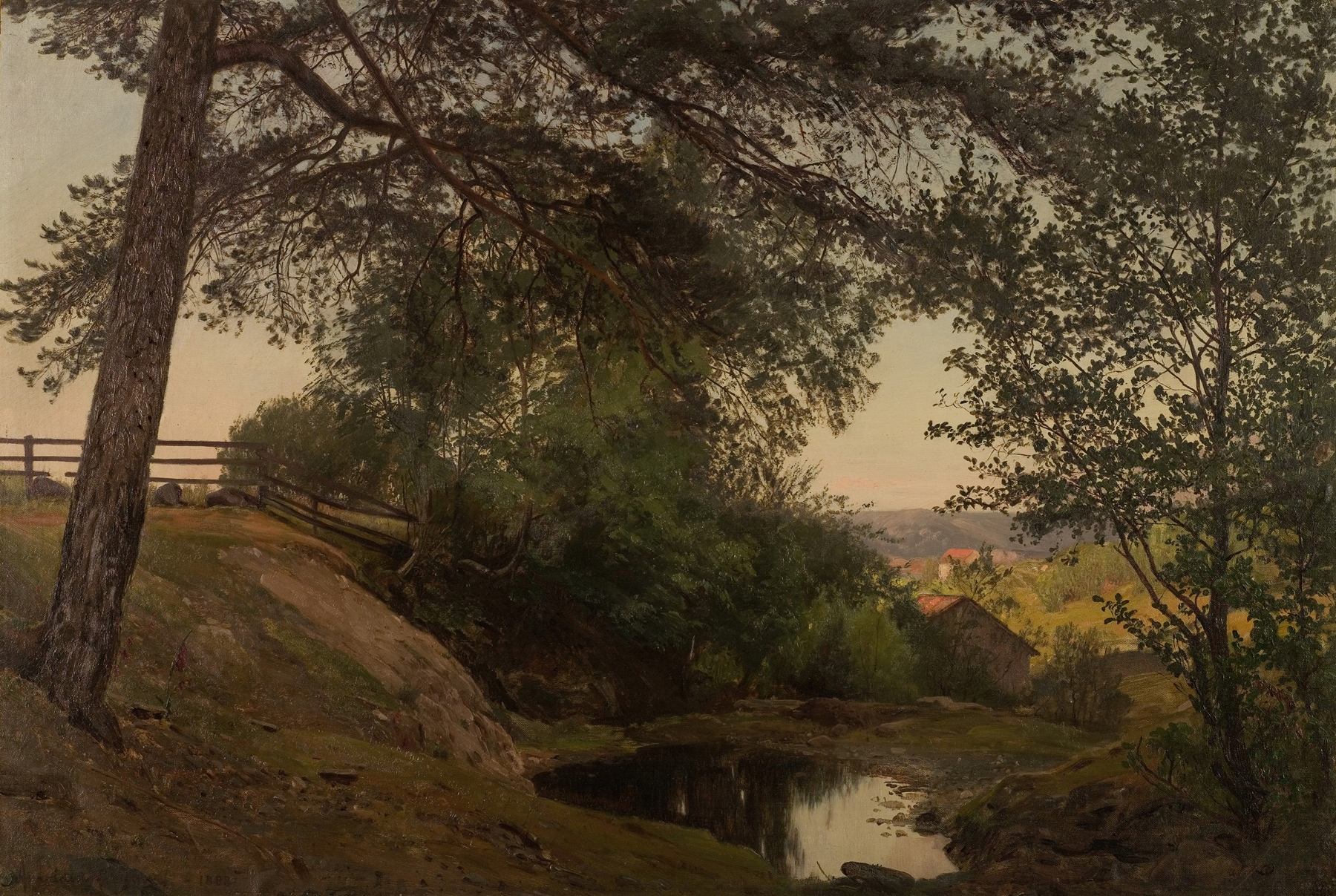
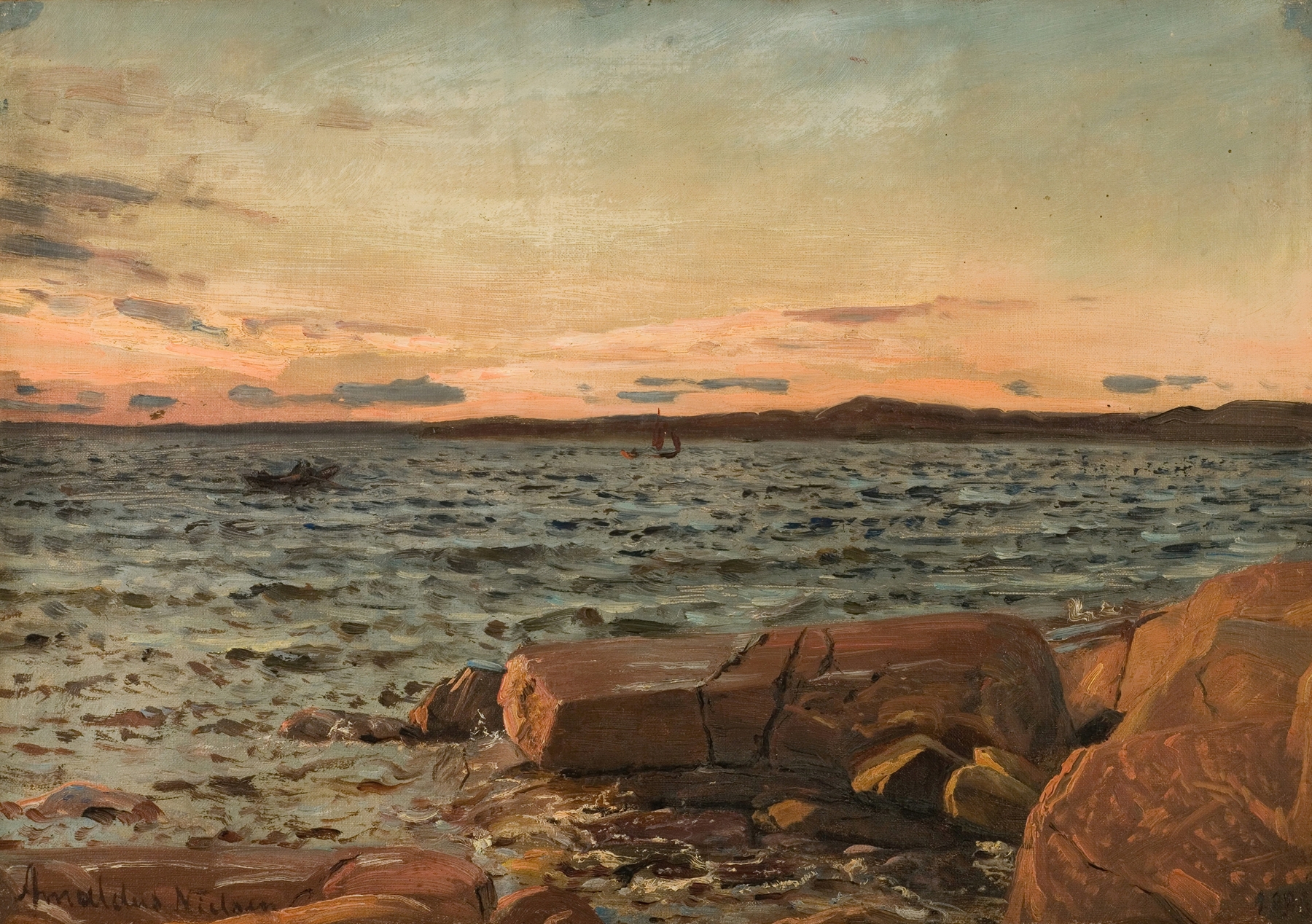
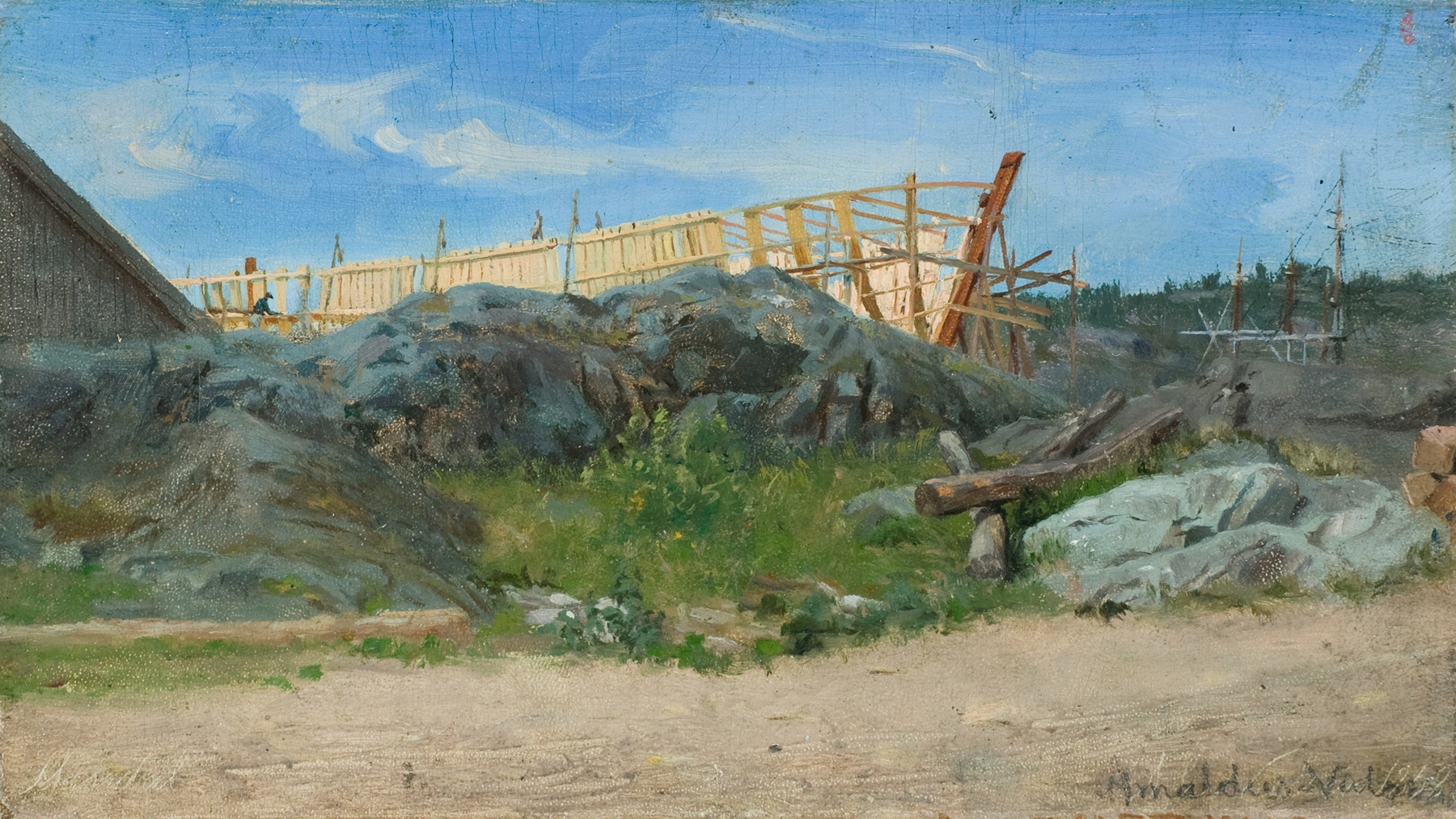
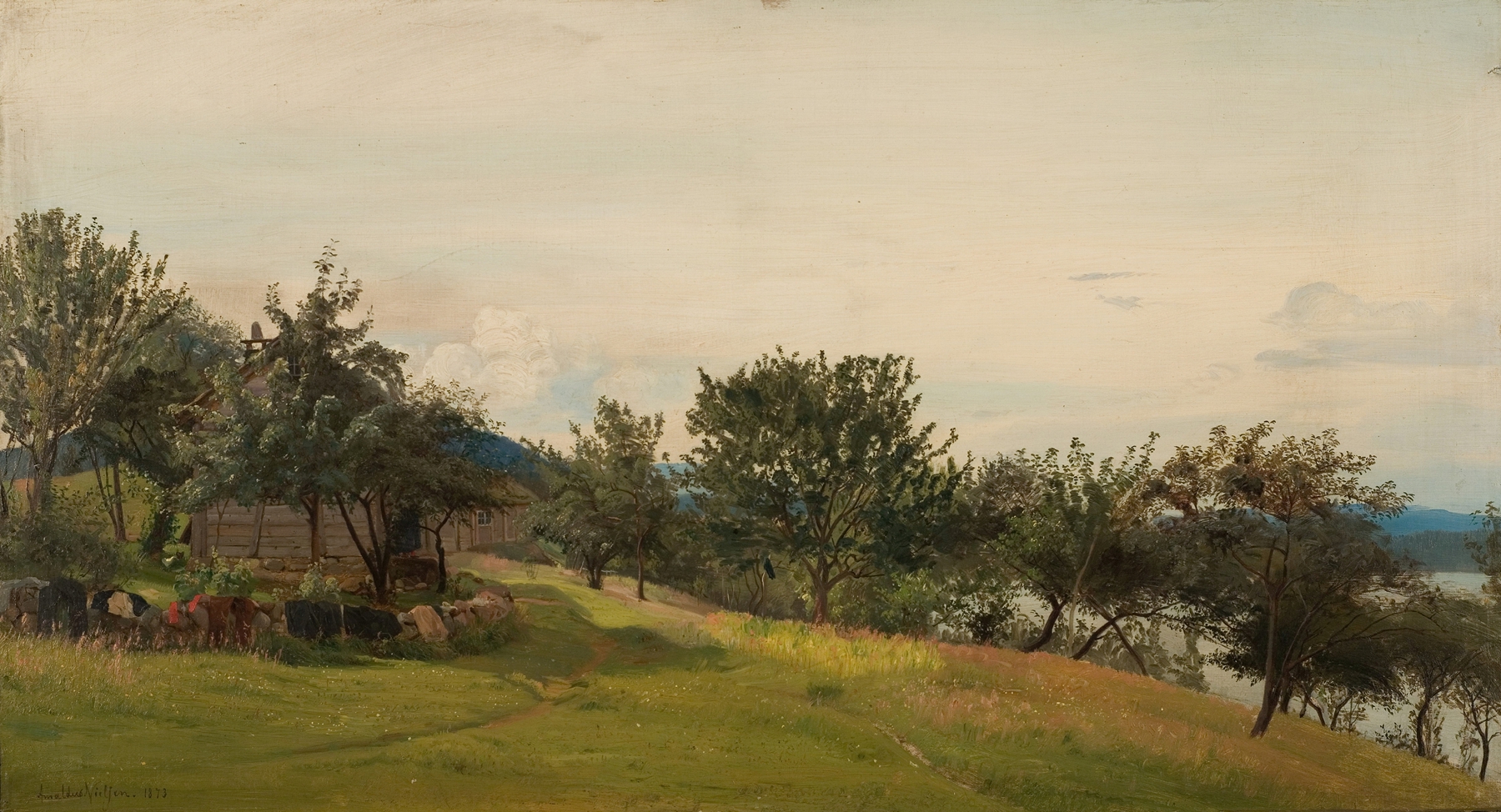
“Under the brush, chaos becomes grace.” In a world where nature's raw beauty often overwhelms, the delicate balance between chaos and tranquility unfolds within this captivating piece. Look to the foreground, where a cluster of vibrant green foliage competes with the shimmering water, creating a dance of light and shadow. Notice how the artist employs a palette of soft blues and greens, allowing the viewer’s eye to wander across the undulating waves. The rhythmic brushstrokes evoke a sense of movement, as if the scene is alive, breathing in the fresh air of the coastal landscape.
The layering of colors captures the essence of a serene yet dynamic moment, highlighting Nielsen’s masterful technique that marries both impressionism and realism. Delve deeper into the composition, and you may find reflections on human experience and nature’s transformation. The interplay of light on the water hints at the transient quality of time, while the rugged rocks symbolize endurance amid the fleeting beauty of life. The juxtaposition of rough textures and smooth surfaces invites contemplation of the contrasts inherent in existence—nature’s chaotic elements transformed into harmonious vistas.
This duality speaks to resilience, suggesting that beauty often emerges from disorder. In 1886, during a time of burgeoning artistic exploration in Norway, the painter created this work while immersed in the natural landscapes of his homeland. As he navigated his own evolution as an artist, Nielsen found inspiration in the interplay of light and color, as well as the emotional resonance of the coastal scenery. In an era where artists were increasingly drawn to impressionism, he captured the essence of his surroundings with both affection and innovation, contributing significantly to the movement's rich tapestry.