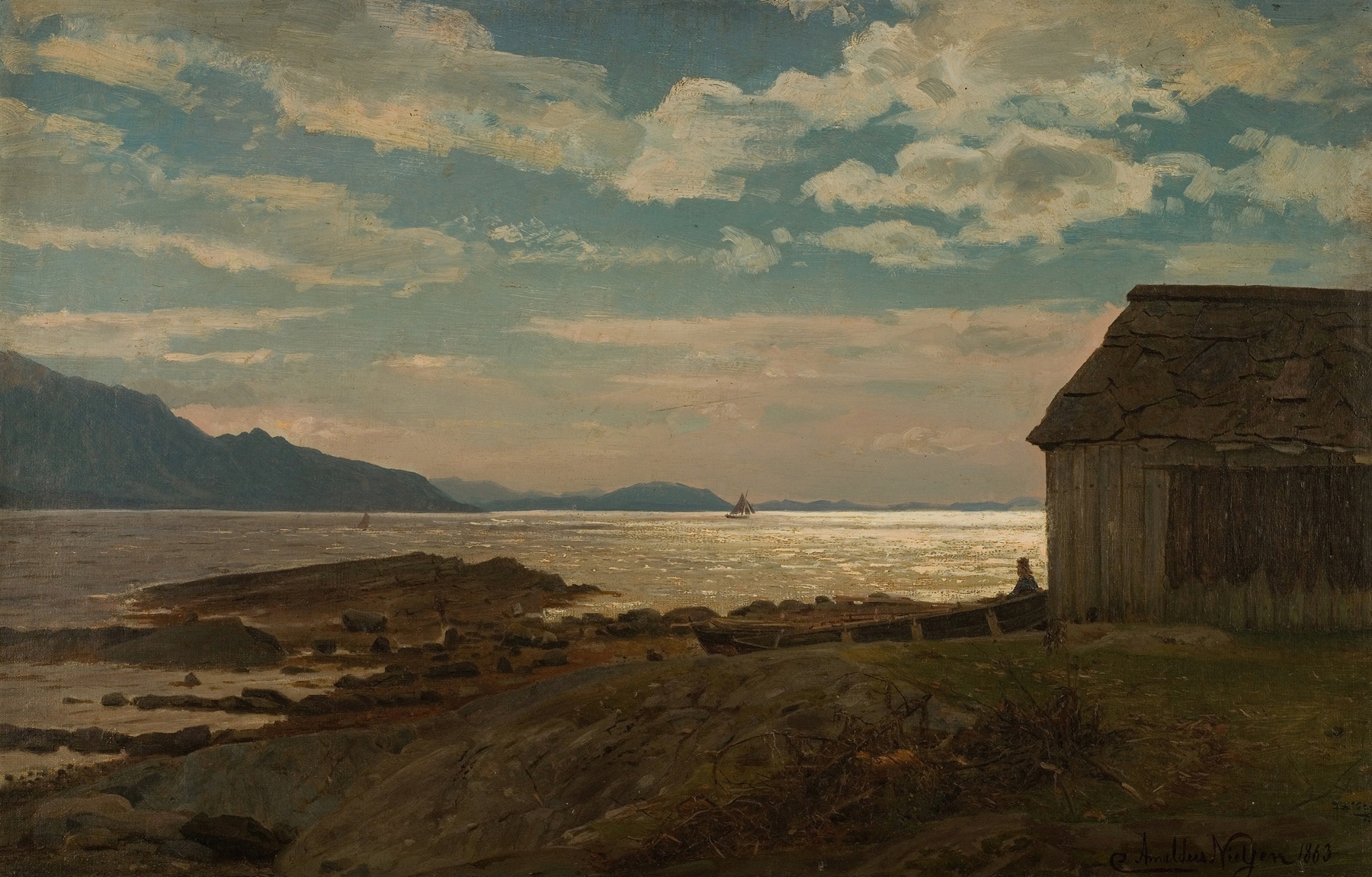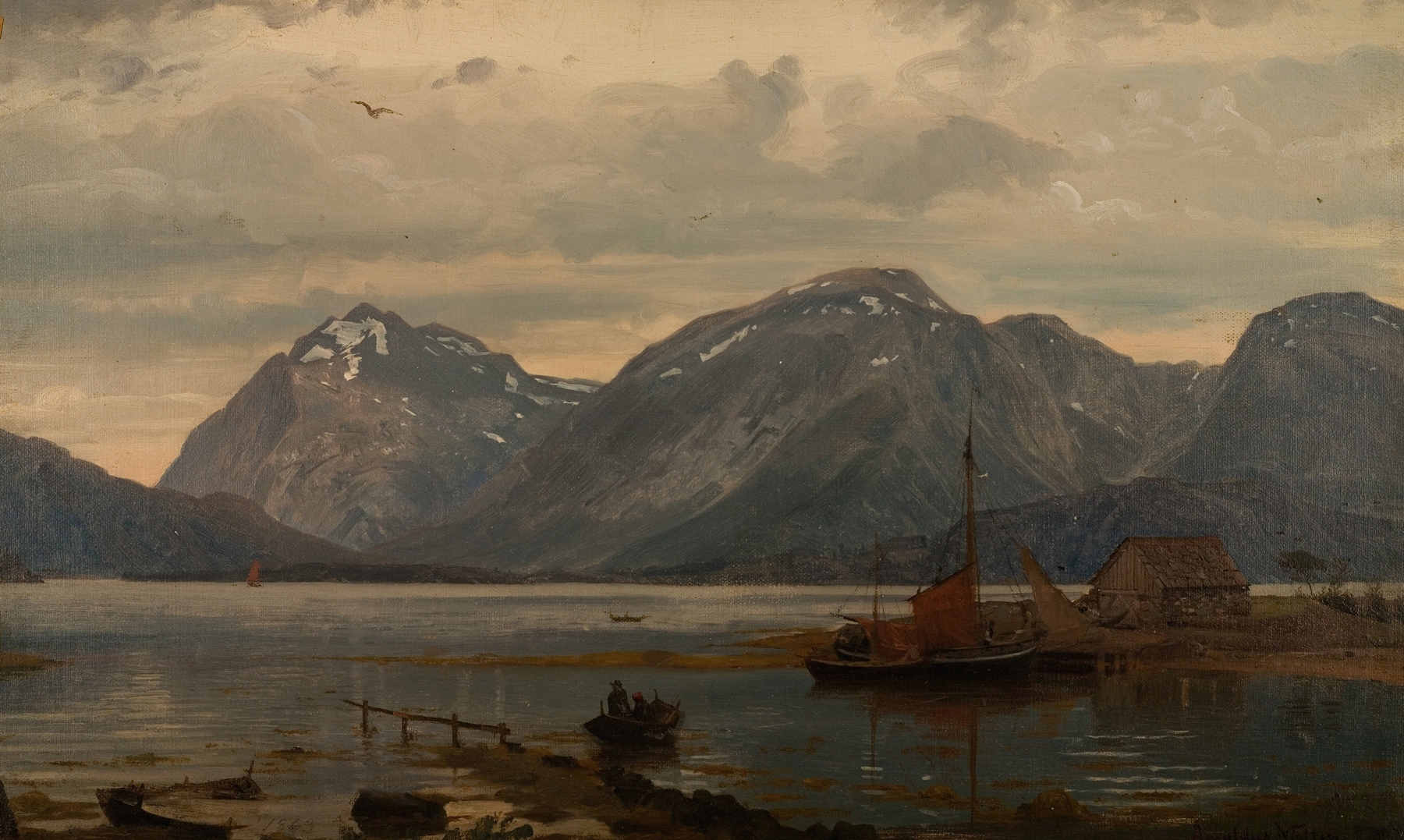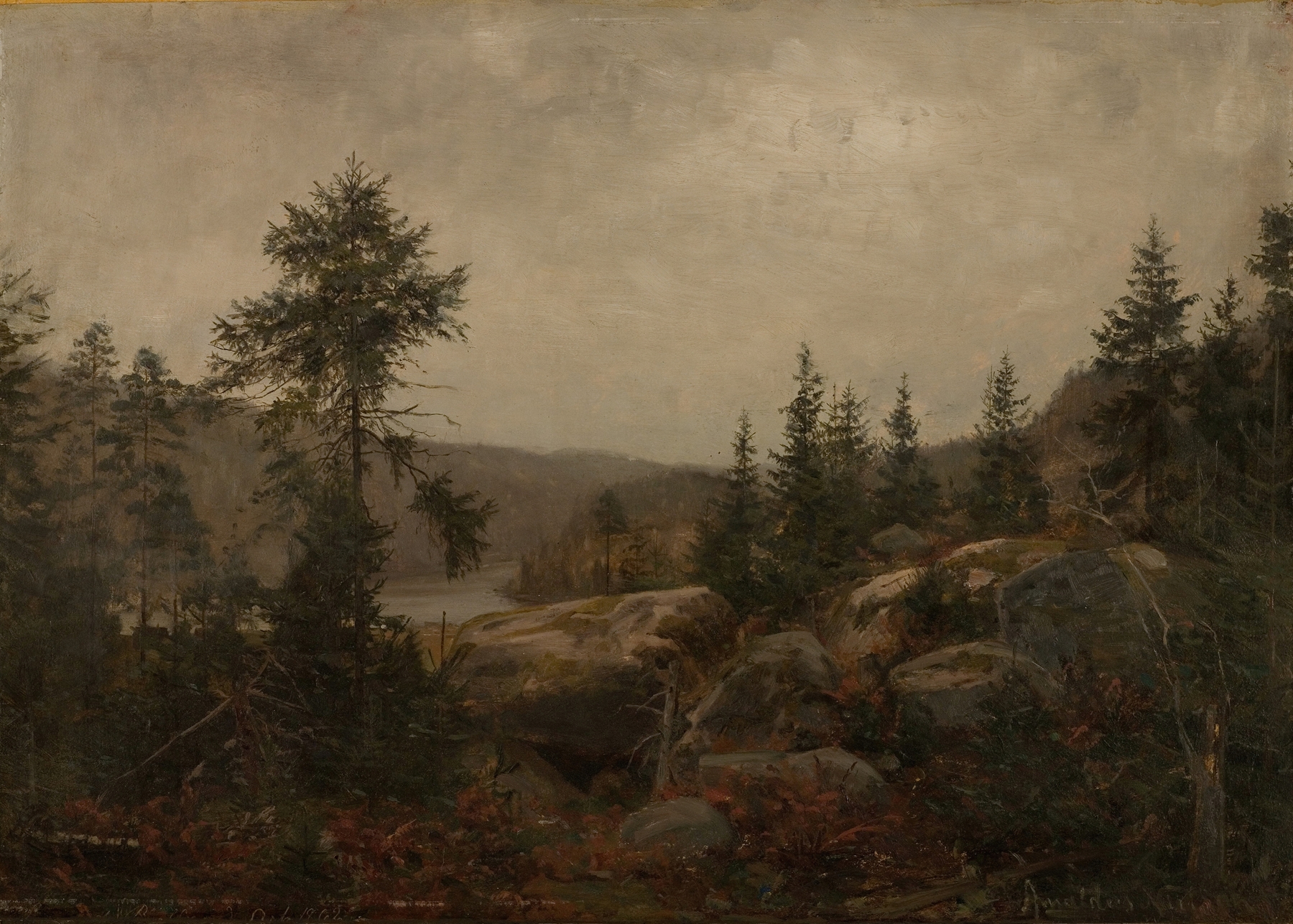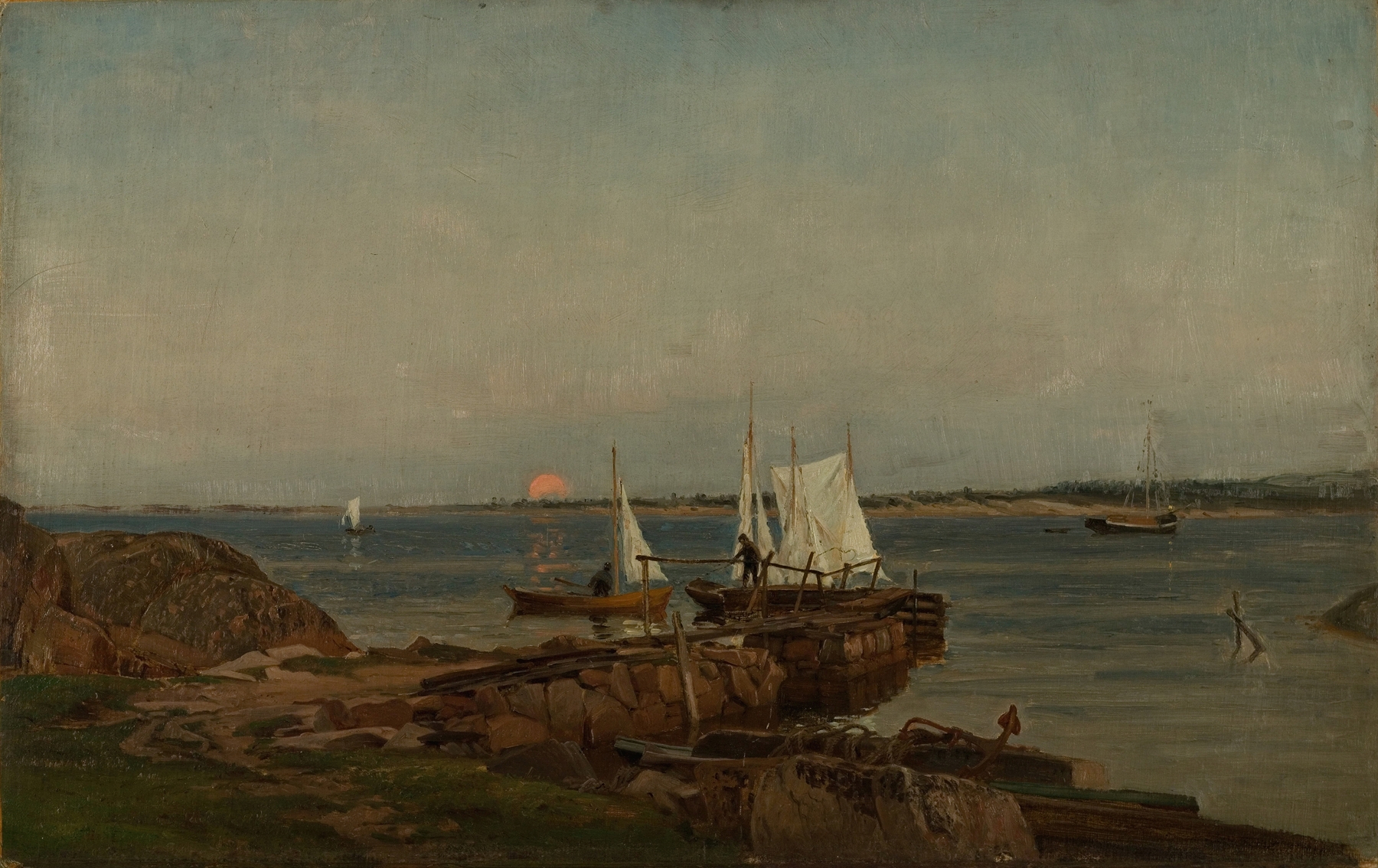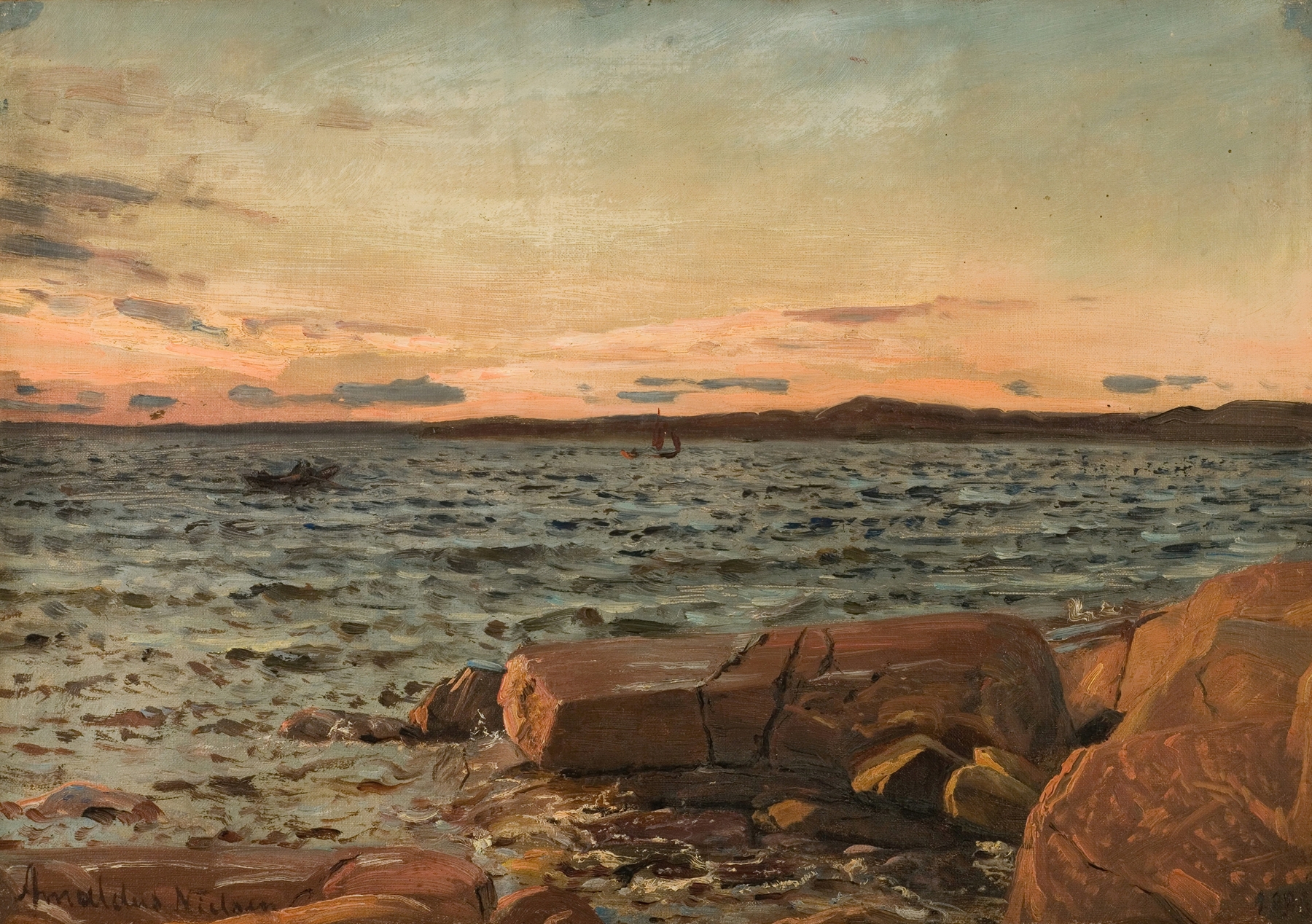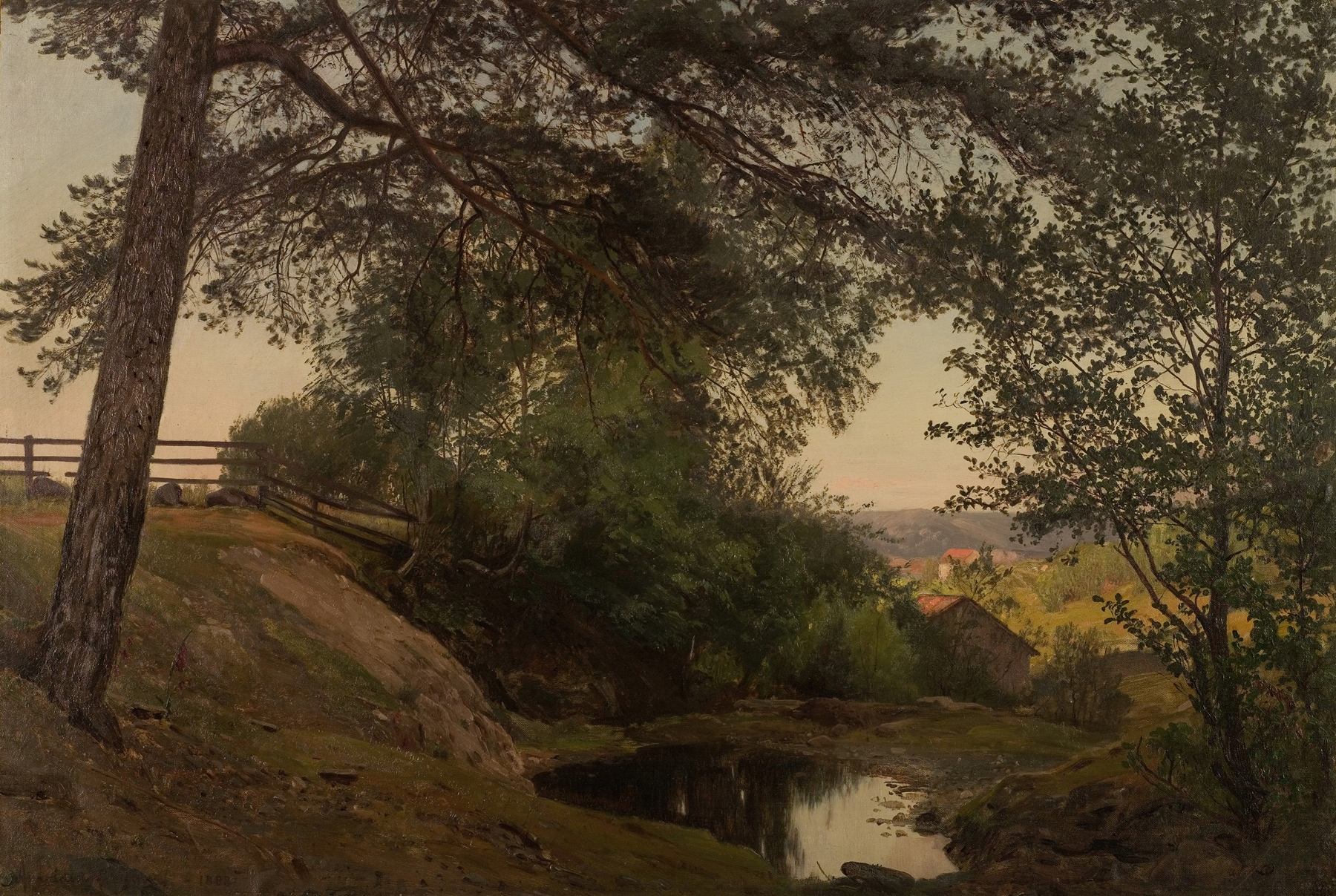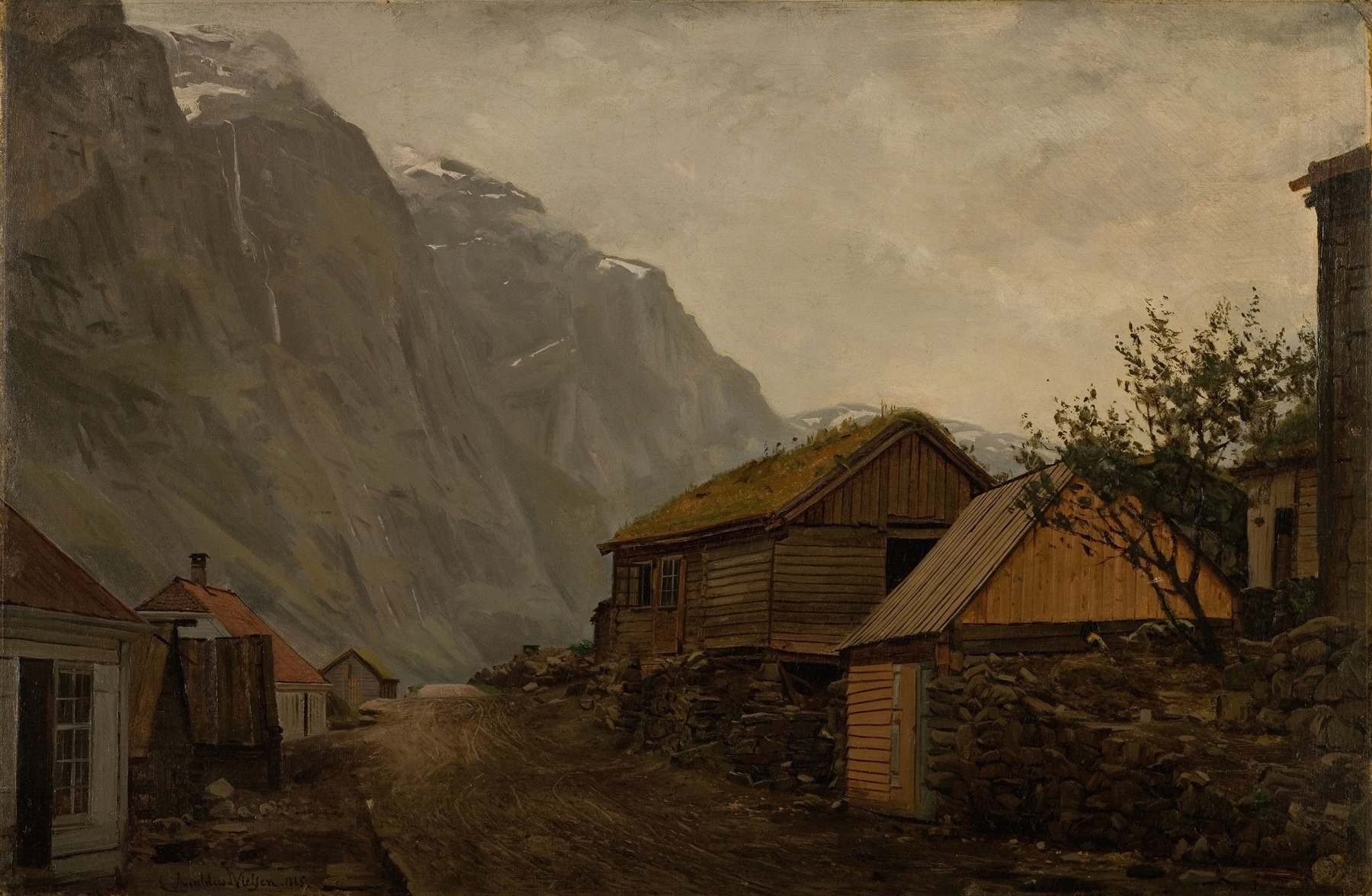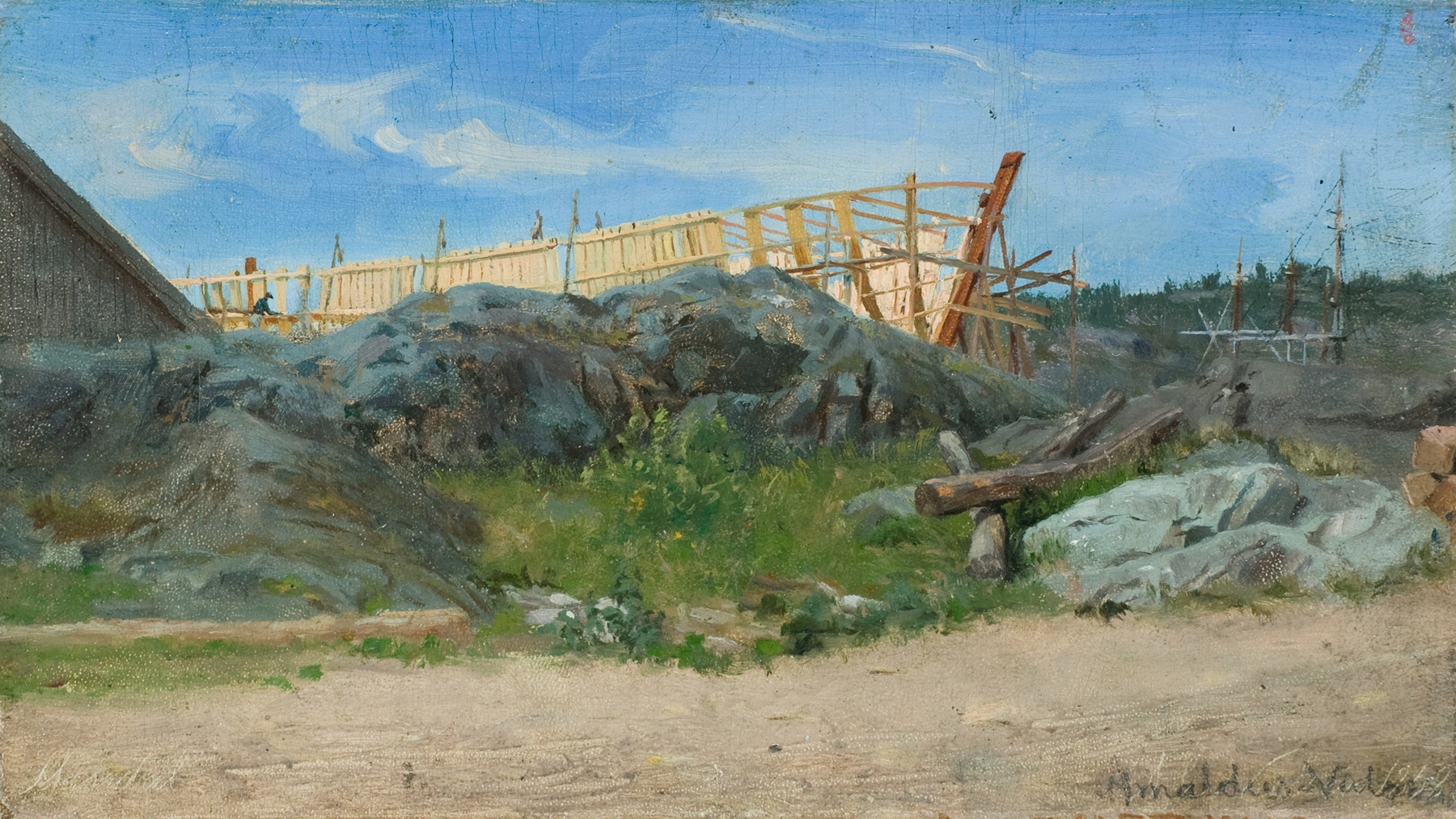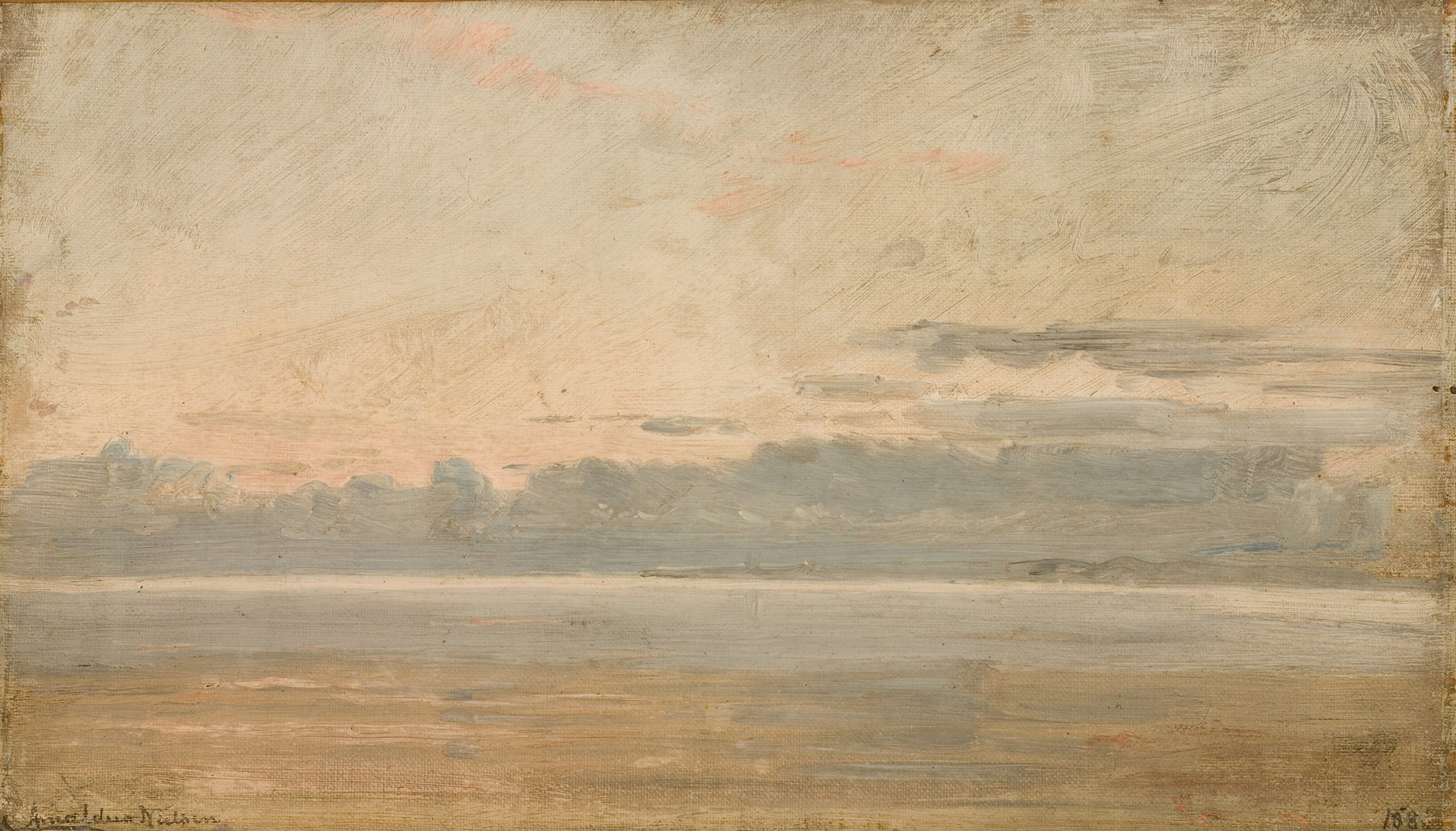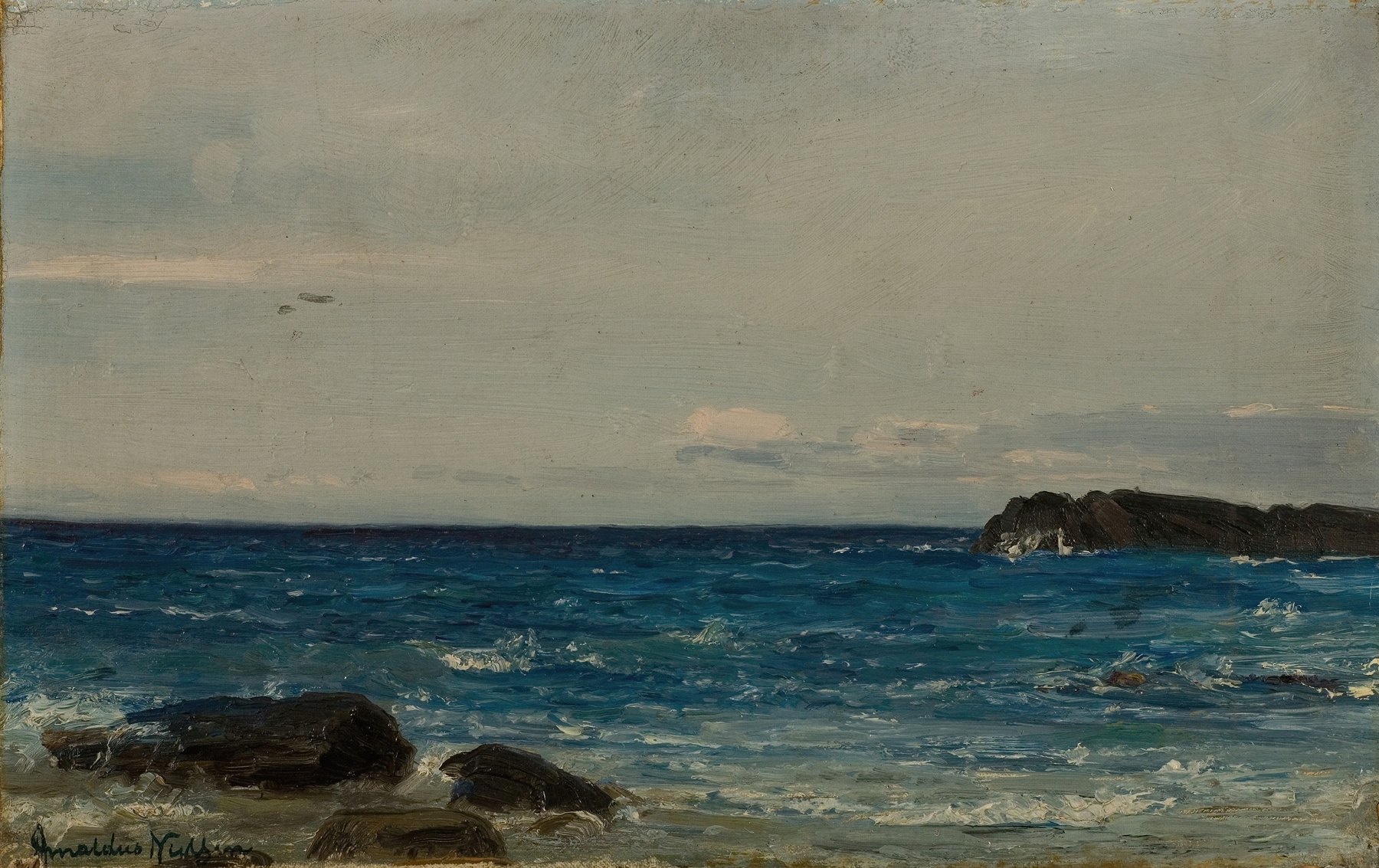
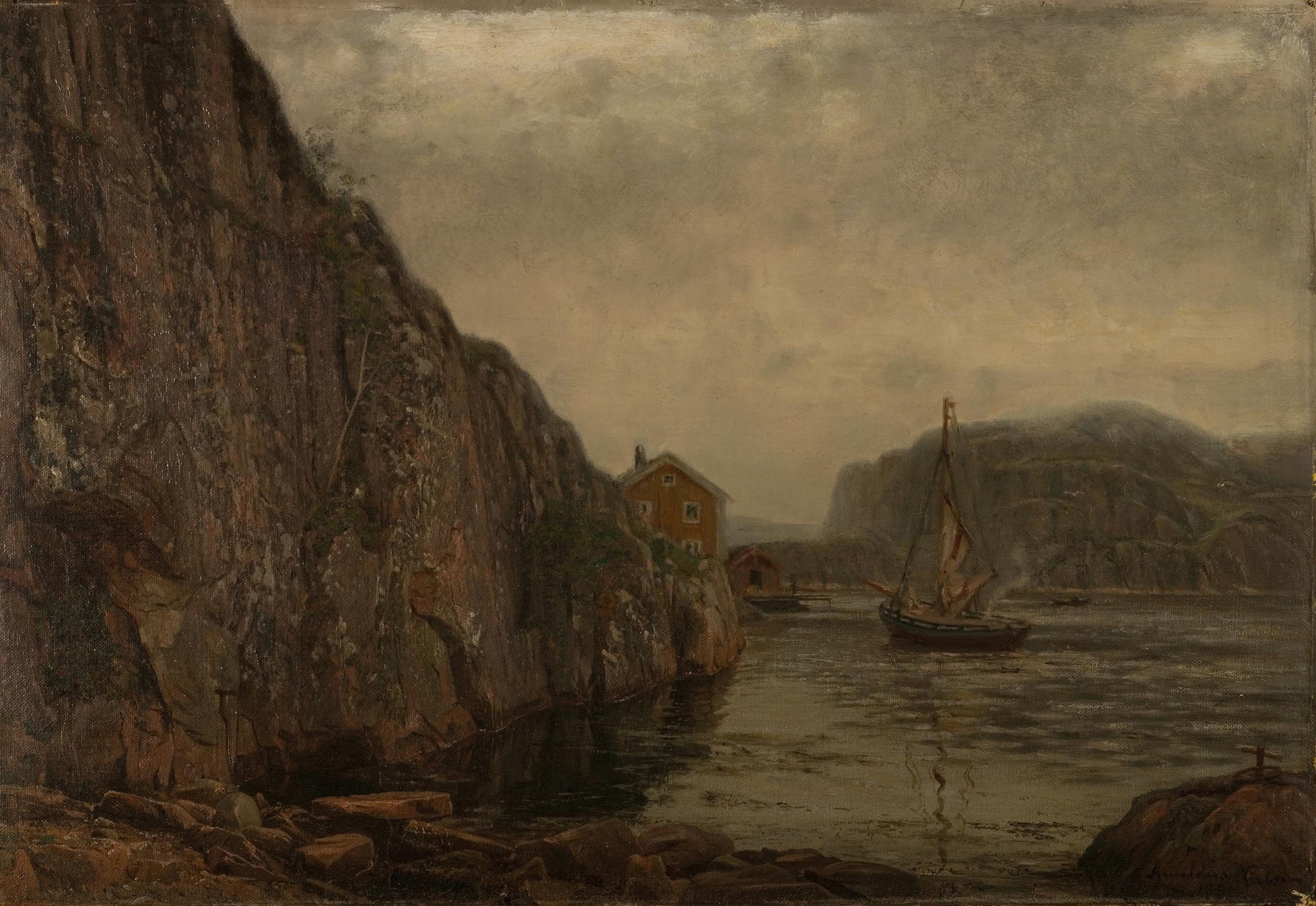
What if beauty was never meant to be finished? In the depths of simplicity, there lies a haunting reminder that emptiness can evoke profound emotion. Look to the center of the canvas, where the muted hues of green and gray converge, engendering a sense of quiet contemplation. The landscape stretches out before the viewer, painted with a delicate touch that draws the eye along the undulating hills and distant horizon. Notice how the brushwork creates a soft, almost ethereal quality, while the subtle variations in color capture the essence of light filtering through clouds. This careful attention to the natural world embodies both tranquility and a hint of desolation. Yet, within this serene expanse, an emotional tension emerges. The emptiness of the landscape suggests solitude, inviting one to ponder the stories held within the silences. The horizon appears distant, evoking a sense of longing that resonates with the viewer's own experiences. The juxtaposition of light and shadow in the foreground reinforces themes of isolation and introspection, as if the landscape is both a refuge and a reminder of what is absent. Amaldus Nielsen created this work in 1892, during a period of significant transformation in Norway’s artistic community. Influenced by the Naturalism movement, he sought to capture the essence of the Scandinavian landscape, reflecting his deep connection to the serene beauty of his homeland. At this time, the artist was establishing his voice amidst a burgeoning appreciation for the emotional depth within the natural world, positioning his work as a significant bridge between realism and a more contemplative interpretation of beauty.